The global culinary landscape has been transformed by the convenience and consistency of concentrated flavor enhancers, with chicken flavor seasoning cubes emerging as a staple in both domestic kitchens and industrial food production. These compact powerhouses provide a standardized way to deliver the rich, savory depth of slow-cooked chicken without the time-intensive preparation, making them indispensable for rapid meal preparation across diverse cultures.
Beyond simple convenience, the engineering behind these cubes involves complex food science to ensure stability, flavor retention, and solubility. In the competitive realm of food additives, the ability to maintain a consistent taste profile across different batches is critical for commercial success, ensuring that a dish tastes the same whether it is prepared in a small bistro or a large-scale catering facility.
Understanding the composition, application, and economic impact of these seasoning solutions allows food manufacturers and distributors to optimize their supply chains and product offerings. By integrating high-quality chicken flavor seasoning cubes, brands can enhance the sensory appeal of their products while maintaining strict cost controls and shelf-life requirements.
Global Market Context of Chicken Flavor Seasoning Cubes
The global demand for savory flavor enhancers has seen a steady climb, driven by the urbanization of populations and the subsequent rise in "fast-casual" dining. According to industry trends aligned with ISO food safety standards, the efficiency of chicken flavor seasoning cubes allows them to penetrate markets in Africa, Asia, and Latin America, where they serve as an affordable alternative to fresh meat stocks.
However, the industry faces a significant challenge: the balance between intense flavor and health-conscious consumer trends. As global health organizations emphasize the reduction of sodium intake, manufacturers are tasked with redesigning these cubes to maintain the classic "umami" profile while adhering to stricter nutritional guidelines and clean-label requirements.
Defining the Essence of Seasoning Cubes
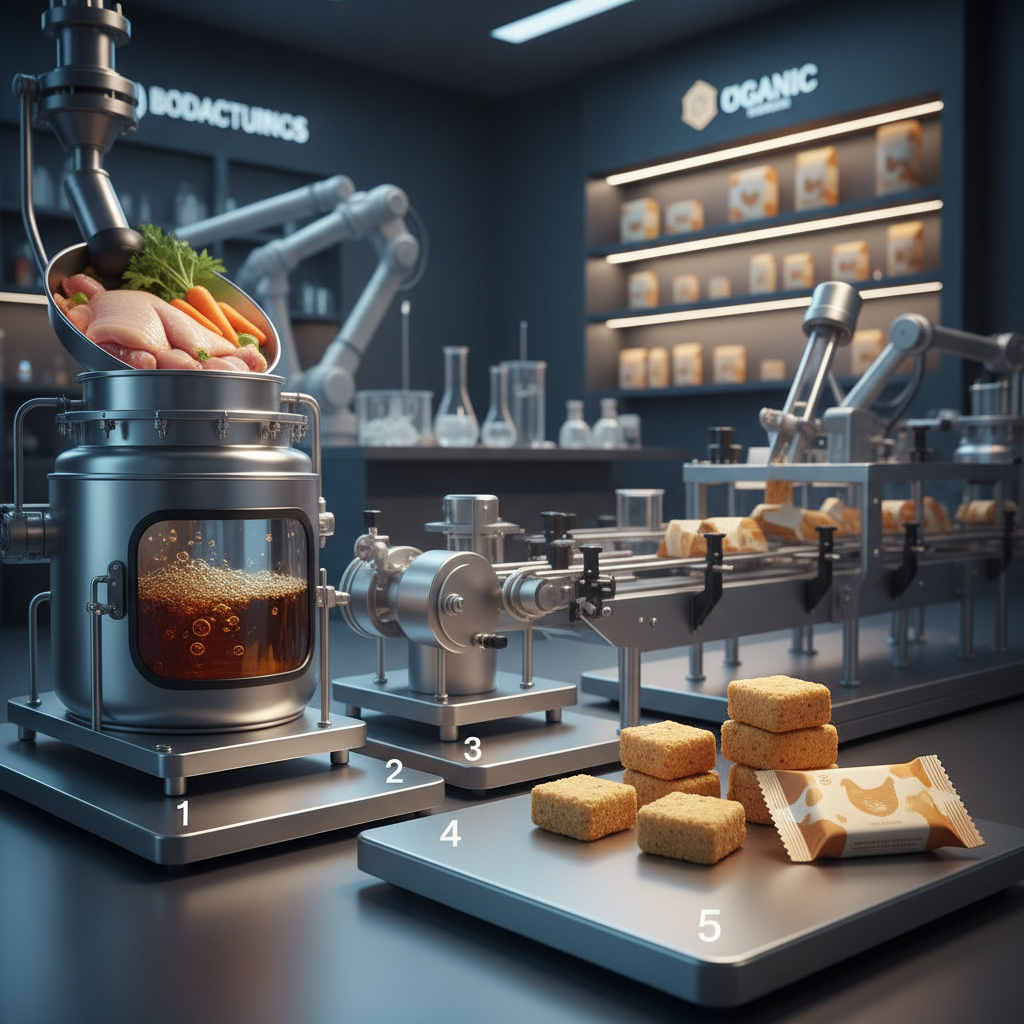
In simple technical terms, chicken flavor seasoning cubes are dehydrated, compressed blocks of salt, flavor enhancers (such as MSG or yeast extract), fats, and chicken-derived powders or synthetic aromas. They are designed to dissolve rapidly in hot liquids, releasing a concentrated burst of flavor that mimics a traditional chicken broth.
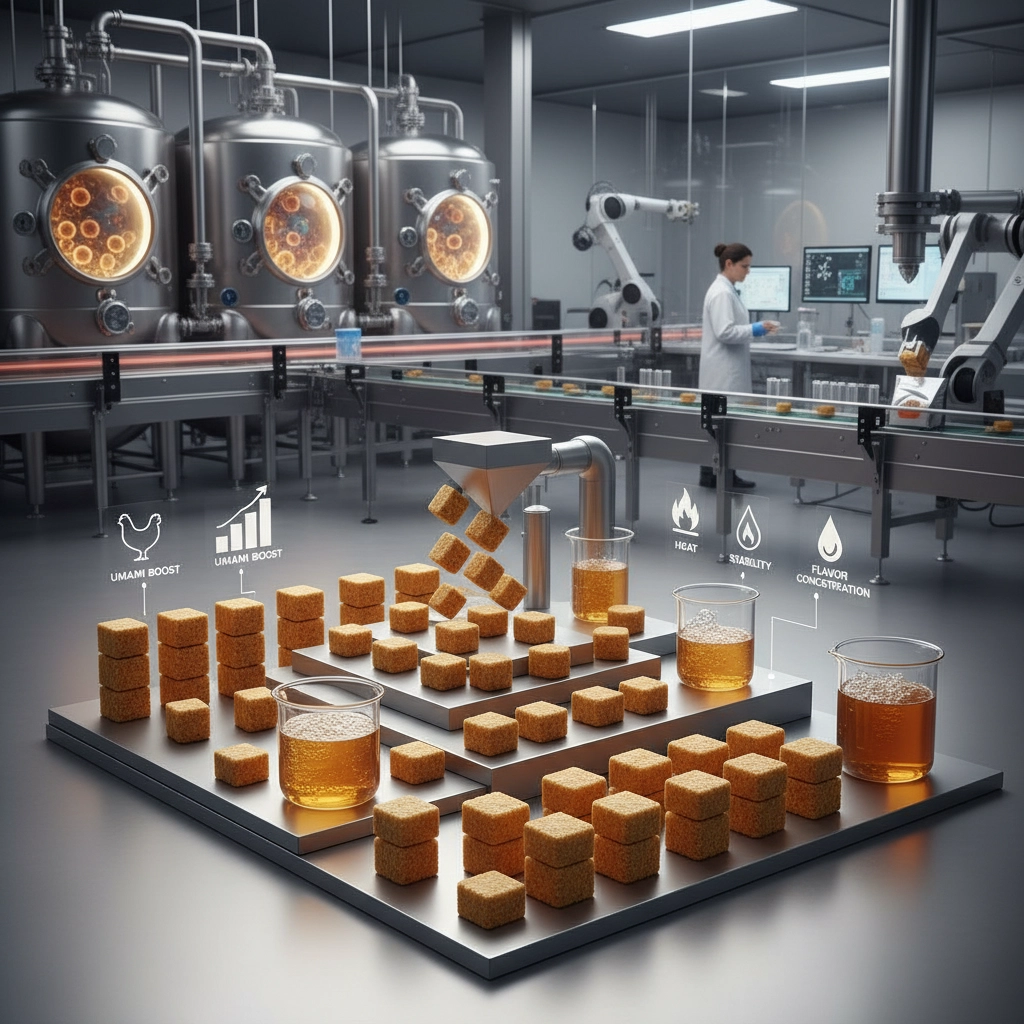
From an industrial perspective, these cubes represent a triumph of food engineering. By removing water and compressing the ingredients, manufacturers create a product with an extended shelf life that does not require refrigeration, making them an ideal solution for humanitarian food aid and remote industrial catering where logistics are challenging.
Moreover, they bridge the gap between professional culinary arts and home cooking. By encapsulating the "secret" ratios of spices and savory agents, they allow non-professional users to achieve a consistent taste profile, effectively democratizing gourmet flavor across different socio-economic backgrounds.
Core Components and Quality Factors
The efficacy of chicken flavor seasoning cubes depends heavily on the synergy between their core components. Salt acts as both a primary flavor agent and a preservative, while hydrolyzed vegetable proteins (HVP) provide the essential amino acids that trigger the savory taste receptors on the human tongue.
Another critical factor is the "solubility rate." High-quality chicken flavor seasoning cubes must dissolve completely without leaving gritty residue or clumps. This is achieved through precise particle size distribution of the dry ingredients and the use of specific binders that break down quickly under heat.
Finally, stability against oxidation is paramount. Because these cubes often contain fats to carry the chicken aroma, the addition of antioxidants prevents the product from developing "off-flavors" over time, ensuring that the cube maintains its fresh, aromatic profile from the factory to the consumer's pot.
Practical Applications and Industrial Use Cases
In the commercial food sector, chicken flavor seasoning cubes are used as "base notes" for larger recipes. Industrial kitchens use them to standardize the flavor of soups, stews, and sauces, eliminating the variability that comes with using fresh ingredients, which can vary in potency depending on the season or source.
Beyond traditional cooking, these cubes are vital in specialized environments. In post-disaster relief operations, they provide a high-impact flavor boost to bland grain-based rations, improving the psychological well-being of displaced populations by providing familiar, comforting tastes in high-stress environments.
Performance Comparison of Chicken Flavor Seasoning Cubes Variants
Economic Advantages and Long-Term Value
The primary economic driver for adopting chicken flavor seasoning cubes is the dramatic reduction in waste. Unlike fresh chicken carcasses or aromatic vegetables, which have short shelf lives and high spoilage rates, cubes offer a precise dosage and long-term storage, significantly lowering the "cost-per-serving" for food operators.
Moreover, the logistical efficiency is unparalleled. The high concentration of flavor means that a small volume of product can season thousands of liters of liquid, reducing shipping costs and carbon footprints compared to transporting liquid bases. This reliability builds trust between suppliers and wholesalers, ensuring a stable supply chain regardless of seasonal fluctuations in raw poultry prices.
Future Innovations in Flavor Technology
The future of chicken flavor seasoning cubes is leaning heavily toward "Clean Label" innovation. We are seeing a shift toward natural yeast extracts and fermentation-derived flavors to replace synthetic MSG, catering to a global demographic that demands transparency in ingredient lists without sacrificing the savory experience.
Additionally, the integration of automation in production is allowing for "micro-customization." Manufacturers can now pivot production lines quickly to create region-specific cubes—such as adding ginger for Asian markets or oregano for Mediterranean markets—using the same core chicken flavor base.
Sustainability is also playing a key role, with research into biodegradable packaging and the use of upcycled food waste to create the base proteins for the cubes. This transformation aligns the seasoning industry with global ESG (Environmental, Social, and Governance) goals.
Challenges and Technical Solutions in Production
One of the most persistent challenges in producing chicken flavor seasoning cubes is "caking" or hardening, where the cube becomes too dense to dissolve. This is often caused by moisture ingress during packaging. The solution lies in advanced moisture-barrier foils and controlled-humidity production environments that keep the water activity (aw) level strictly below the threshold of crystallization.
Another hurdle is the "flavor fade" that occurs over time. Volatile aromatic compounds tend to evaporate, leaving the cube tasting salty but flat. To combat this, expert chemists use encapsulation technology, where flavor molecules are trapped in microscopic beads that only rupture upon exposure to boiling water.
Finally, managing the salt-to-flavor ratio is a delicate balancing act. Over-reliance on salt can mask the delicate chicken notes. Innovative producers are now using potassium salts or flavor enhancers that mimic the perception of saltiness, allowing for a reduction in actual sodium content while maintaining a high sensory score.
Technical Analysis of Production Challenges and Solutions for Seasoning Cubes
| Challenge Dimension |
Technical Root Cause |
Innovative Solution |
Impact Score (1-10) |
| Moisture Control |
Hygroscopic salt absorption |
Alu-foil hermetic sealing |
9 |
| Aroma Retention |
Volatile compound loss |
Lipid-based encapsulation |
8 |
| Solubility Rate |
Excessive compression force |
Optimized particle grading |
7 |
| Sodium Reduction |
Salt as primary bulking agent |
Yeast extract substitution |
9 |
| Color Stability |
UV-induced degradation |
Opaque barrier packaging |
6 |
| Taste Consistency |
Raw material variance |
Standardized spray-drying |
10 |
FAQS
Industrial cubes offer unparalleled consistency, extended shelf life, and precise dosing. While homemade stocks are fresh, they vary by batch and spoil quickly. Professional chicken flavor seasoning cubes ensure that every dish tastes identical, which is critical for brand reliability in commercial food services.
Yes, they are specifically designed for scalability. Because they are concentrated, they are easy to store and integrate into automated mixing systems. Many manufacturers use bulk versions of these cubes to maintain flavor profiles across millions of units of ready-to-eat meals.
Solubility is achieved by controlling the particle size of the ingredients and using a precise amount of binder. High-quality cubes use a "rapid-release" matrix that breaks down immediately when it hits boiling water, preventing the formation of clumps or gritty sediment.
Absolutely. By modifying the secondary spice profile (adding things like paprika, turmeric, or garlic powder) to the base chicken flavor, manufacturers can create region-specific variants that appeal to local palates while keeping the core production process the same.
Depending on the packaging and storage conditions, most chicken flavor seasoning cubes have a shelf life of 12 to 24 months. This is due to the low water activity and the presence of salt, which naturally inhibits microbial growth.
Importers should ensure the product complies with the destination country's food safety laws (such as FDA or EFSA). Since cubes are dry and stable, they are easy to ship via sea freight in standard containers, provided they are kept in a cool, dry environment to avoid humidity damage.
Conclusion
In summary, chicken flavor seasoning cubes are more than just a kitchen convenience; they are a sophisticated fusion of food chemistry and industrial efficiency. By solving the problems of flavor volatility, storage costs, and taste inconsistency, they have become a cornerstone of the global food additive industry. From the technical precision of their solubility to their critical role in humanitarian aid and commercial catering, these products provide immense value across the entire culinary supply chain.
Looking ahead, the industry is poised for a transition toward cleaner, more sustainable ingredients and smarter production methods. For businesses looking to enhance their product offerings or optimize their food production costs, investing in high-quality seasoning solutions is a strategic move toward operational excellence. We invite you to explore our professional range of flavor enhancers to elevate your culinary standards. Visit our website: www.chinaseasoning.com