In the fast-paced world of modern culinary arts and industrial food production, efficiency and consistency are paramount. chicken flavor bouillon cubes have emerged as a cornerstone ingredient, offering a concentrated burst of savory depth that allows chefs and home cooks alike to achieve professional results without the exhaustive process of simmering bones for hours.
Globally, the demand for standardized seasoning solutions has surged as urbanization increases and the need for convenient, shelf-stable food enhancers grows. These concentrated cubes bridge the gap between traditional flavor profiles and the requirements of the modern supply chain, ensuring that the comforting taste of chicken remains accessible across different cultures and economic strata.
Understanding the science and application of these seasoning agents is crucial for food manufacturers and distributors. By mastering the balance of salt, MSG, and aromatic extracts, producers can create chicken flavor bouillon cubes that not only enhance taste but also maintain stability under varying storage conditions, thereby reducing waste and optimizing costs.
The Global Market Context of Chicken Flavor Bouillon Cubes
The global landscape for flavor enhancers has seen a significant shift toward convenience, with chicken flavor bouillon cubes becoming a staple in both developed and emerging markets. According to trade data and food industry trends, the demand for dehydrated seasonings has grown steadily, driven by the expansion of the ready-to-eat meal sector and the rising need for affordable protein-mimicking flavors in regions where fresh poultry may be expensive or scarce.
This growth is not merely a matter of convenience but also a response to the challenge of food security and standardization. By providing a consistent flavor profile that is resistant to spoilage, bouillon cubes allow international aid organizations and commercial food service providers to maintain nutritional and palatable standards across diverse geographical zones, effectively solving the problem of flavor volatility in mass-scale food distribution.
Defining Chicken Flavor Bouillon Cubes and Their Industrial Role
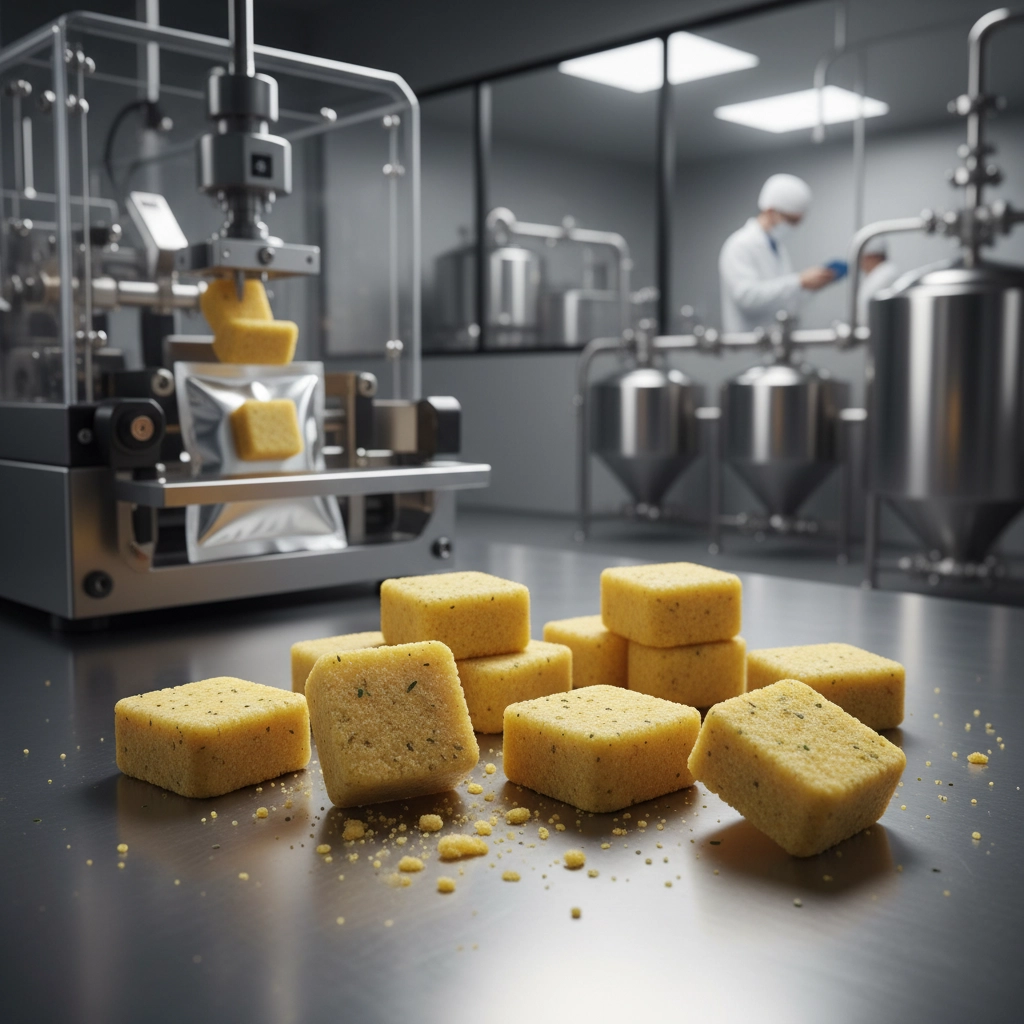
At its most basic level, chicken flavor bouillon cubes are dehydrated, compressed blocks of seasoning consisting of salt, flavor enhancers, fats, and chicken extracts. They are designed to dissolve rapidly in hot water, recreating the savory essence of a slow-cooked chicken broth. This transformation from a solid cube to a liquid base is a result of precise chemical engineering and food science, ensuring that every cube delivers the exact same taste profile.
In an industrial context, these cubes serve as a critical "shortcut" in the production line. For food manufacturers producing instant soups, sauces, or processed meats, using bouillon cubes eliminates the need for massive stock-pots and hours of reduction time. This streamlining of the production process reduces water consumption and energy usage, making it a more sustainable choice for high-volume manufacturing.
Furthermore, the humanitarian role of these products cannot be overlooked. In post-disaster relief operations or in remote industrial zones, these cubes provide a dense source of flavor and essential minerals, helping to maintain the appetite and morale of populations relying on basic grains or legumes. They transform simple calories into satisfying meals, demonstrating the intersection of chemistry and human necessity.
Core Components Driving Flavor Consistency
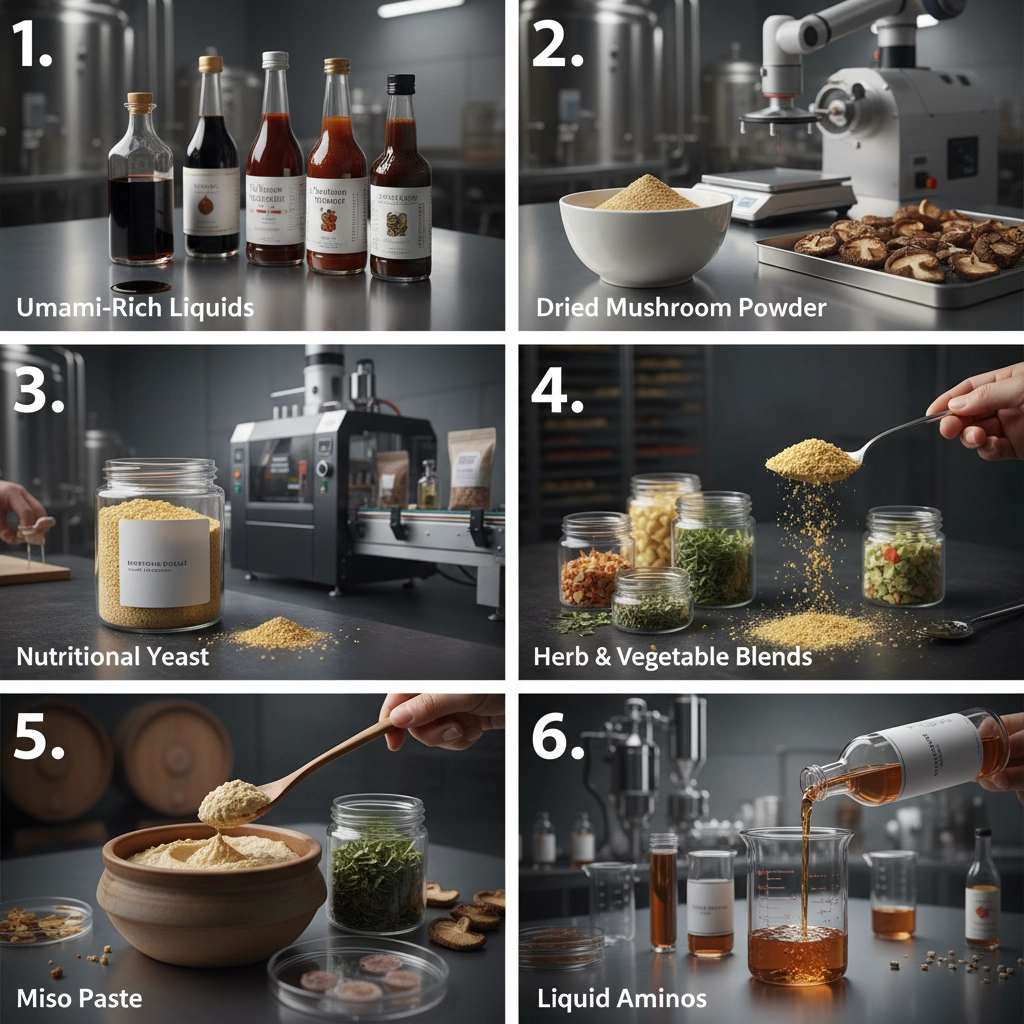
To achieve the perfect profile in chicken flavor bouillon cubes, manufacturers focus on the synergy between salt and umami agents. Salt acts not only as a flavor enhancer but as a primary preservative, while glutamate-based components provide the "depth" associated with natural meat proteins.
The integration of hydrolyzed vegetable proteins (HVP) and yeast extracts is what allows chicken flavor bouillon cubes to mimic the complex amino acid profile of real chicken. This ensures that regardless of whether the product is used in a French stew or a Thai soup, the savory baseline remains robust and authentic.
Finally, the role of lipids (fats) is crucial for mouthfeel. High-quality bouillon cubes utilize refined vegetable oils or chicken fats that are carefully emulsified. This prevents the cube from becoming too brittle and ensures that upon dissolution, the resulting broth has the characteristic silkiness and richness of a traditional chicken stock.
Practical Applications in Global Food Systems
The versatility of chicken flavor bouillon cubes makes them indispensable across various sectors. In the commercial hospitality industry, they are used to standardize the taste of "base" stocks, ensuring that a hotel chain's soup tastes identical in New York as it does in Tokyo. In the domestic sphere, they serve as a time-saving tool for families who want to enrich their meals without the cost and effort of traditional stock making.
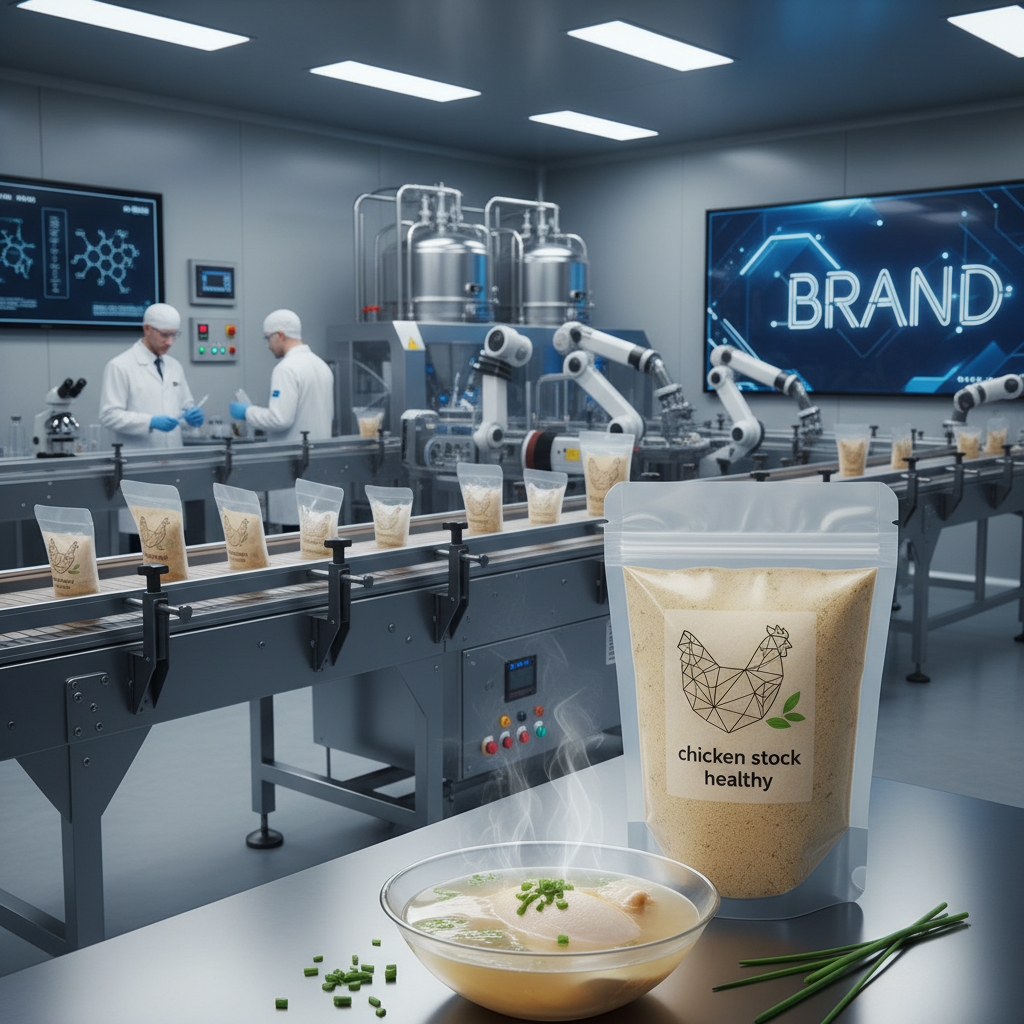
Beyond the kitchen, these cubes are integrated into the formulation of snack foods and instant noodles. By incorporating the powdered form of the bouillon, manufacturers can create seasoning packets that are stable for months. This application is particularly prevalent in the Asia-Pacific region, where the convenience of instant savory meals is deeply embedded in the urban lifestyle.
Comparison of Production Methods for Chicken Flavor Bouillon Cubes
Economic Advantages and Long-Term Value
The primary economic driver for utilizing chicken flavor bouillon cubes is the drastic reduction in raw material waste. Fresh chicken carcasses and aromatics are bulky and perishable; by converting these into a concentrated cube, the costs associated with cold-chain logistics and storage are nearly eliminated. This allows companies to purchase in bulk and distribute globally with minimal risk of spoilage.
Moreover, the reliability of bouillon cubes fosters a sense of trust and stability in the supply chain. For small-scale food vendors, the predictability of the taste profile means they can scale their recipes without worrying about the seasonal variations of fresh ingredients. This logical shift toward standardization empowers entrepreneurship in the food sector, providing a foundation of quality that is both affordable and sustainable.
Future Trends in Seasoning Technology
The future of chicken flavor bouillon cubes is leaning heavily toward "clean label" trends. Consumers are increasingly demanding the removal of artificial colors and synthetic preservatives. As a result, we are seeing a rise in the use of natural yeast extracts and organic salt alternatives to maintain the savory profile while appealing to health-conscious demographics.
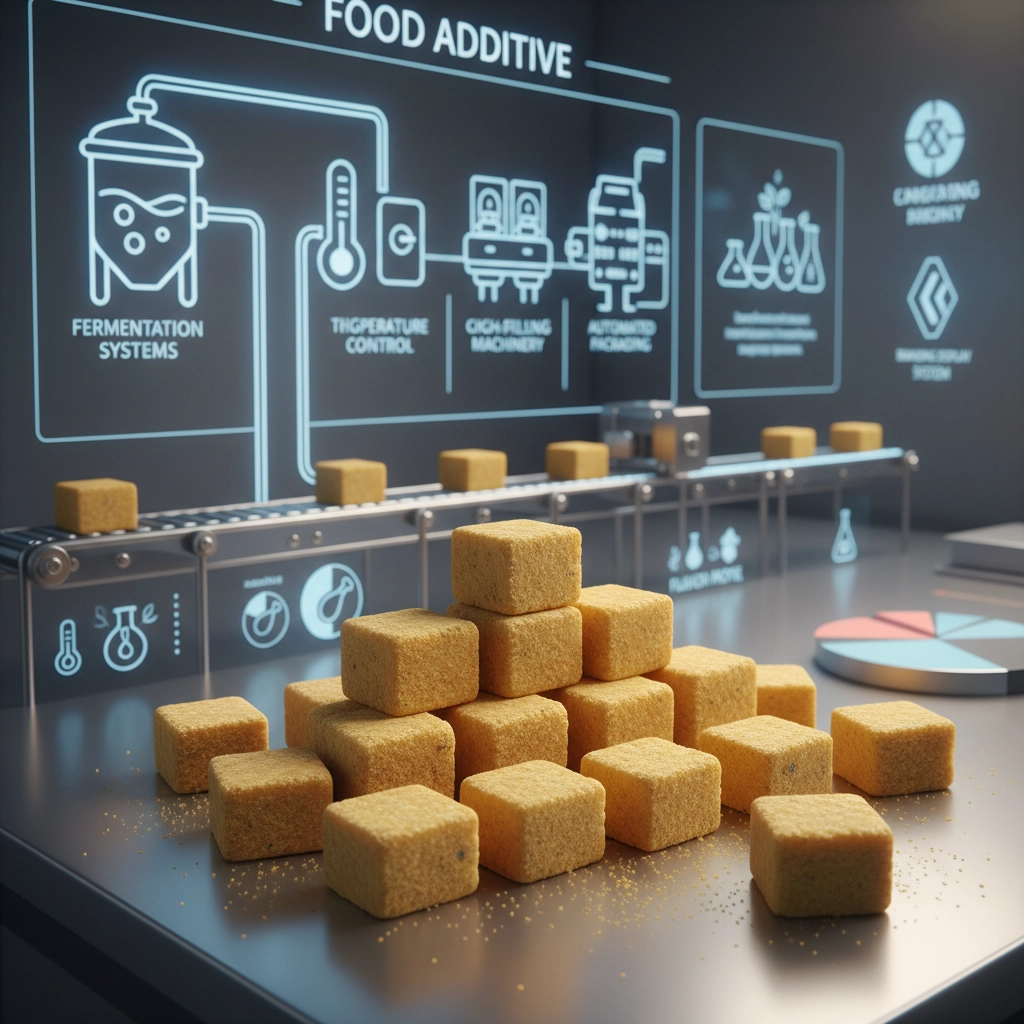
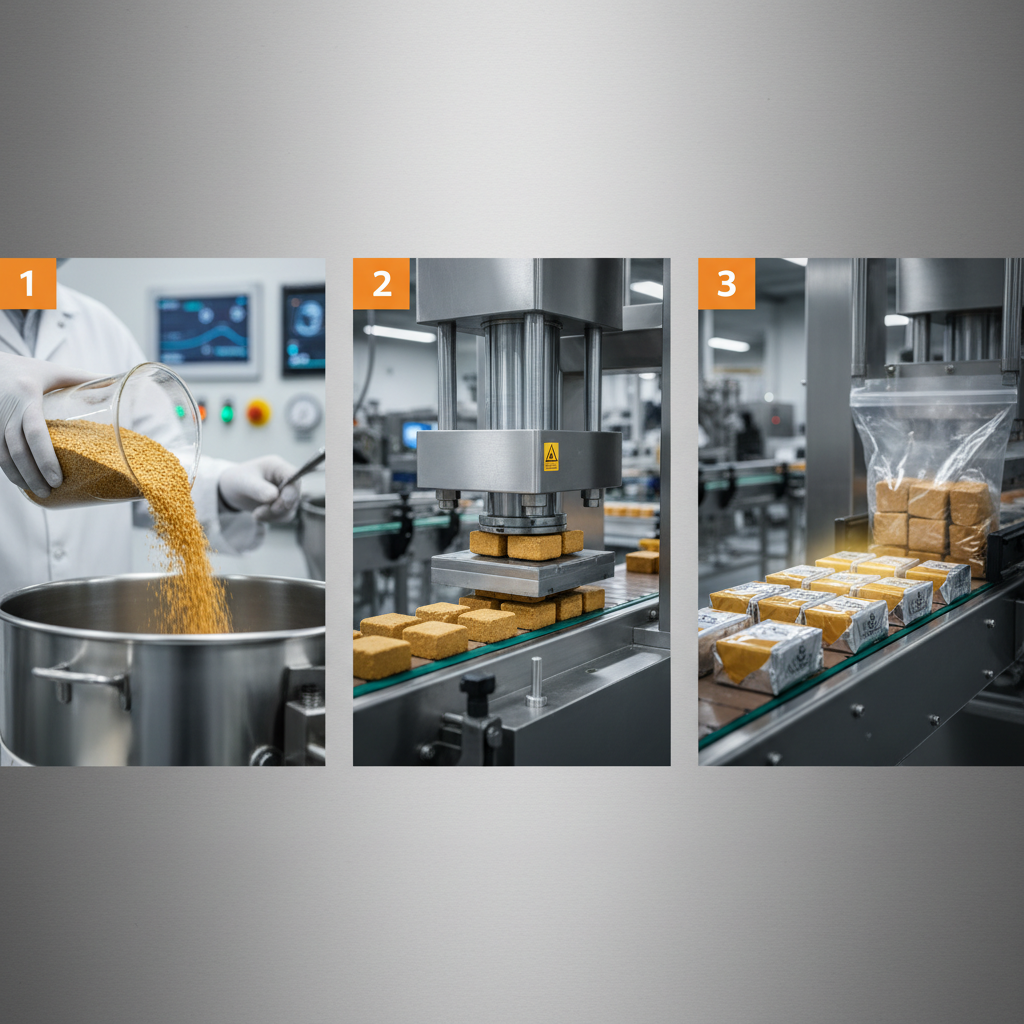
Technological innovation is also playing a role through the implementation of automation and AI-driven flavor profiling. Precision sensors can now detect minute changes in the amino acid composition of a batch, allowing for real-time adjustments during the compression process. This ensures that every single cube in a million-unit run is chemically identical, further enhancing the reliability of the product.
Sustainability is the third pillar of future growth. Manufacturers are exploring biodegradable packaging to replace the traditional foil and plastic wraps. By combining eco-friendly materials with concentrated flavor technology, the bouillon cube industry is positioning itself as a leader in the movement toward reducing the environmental footprint of the global food industry.
Overcoming Manufacturing Challenges in Bouillon Production
One of the most persistent challenges in producing chicken flavor bouillon cubes is the issue of "caking" or moisture absorption. Because the cubes contain high levels of salt and sugars, they are naturally hygroscopic. If the packaging is compromised or the ambient humidity is too high, the cubes can lose their shape or become overly hard, affecting their dissolution rate.
To combat this, industry experts are adopting advanced moisture-barrier films and anti-caking agents derived from natural sources, such as silicon dioxide or calcium silicate. By optimizing the particle size of the powdered ingredients before compression, manufacturers can create a more stable crystalline structure that resists moisture penetration without compromising the flavor.
Another hurdle is the balance between cost and flavor authenticity. While synthetic flavors are cheaper, they often lack the "roundness" of real chicken broth. The solution lies in the hybrid approach: combining a base of real chicken extract with precision-engineered flavor enhancers. This ensures the product remains affordable for the mass market while maintaining a premium taste experience.
Analysis of Manufacturing Variables and Quality Outcomes
| Production Variable |
Impact on Quality |
Risk Level |
Mitigation Strategy |
| Compression Pressure |
Dissolution Speed |
Medium |
Precision Load Cells |
| Salt Concentration |
Shelf Stability |
Low |
Standardized Weighting |
| Lipid Emulsification |
Mouthfeel/Texture |
High |
High-Shear Mixing |
| Ambient Humidity |
Caking/Clumping |
High |
Dehumidified Clean-rooms |
| Yeast Extract Grade |
Umami Depth |
Medium |
Supplier Audit/Sourcing |
| Packaging Seal |
Oxidation Prevention |
Medium |
Vacuum Sealing |
FAQS
The primary difference is the physical form and concentration. chicken flavor bouillon cubes are compressed for portion control and long-term stability, whereas powder is more versatile for dry rubs or instant mixes. Cubes generally provide a more consistent dose of flavor per serving, making them ideal for standardizing recipes in commercial settings.
Yes, from a logistical perspective. They significantly reduce the energy required for transport and refrigeration. Additionally, they minimize food waste by utilizing extracts and concentrates that have a shelf life of years rather than days, though the sustainability also depends on the sourcing of the ingredients and the packaging materials used.
The best way to prevent hardening is to store them in a cool, dry place in an airtight container. Since chicken flavor bouillon cubes are hygroscopic, any exposure to moisture can cause the salt to crystallize or the fats to oxidize, leading to a change in texture and a slower dissolution rate.
Standard bouillon cubes are high in sodium for preservation. However, modern food technology allows for the production of low-sodium versions using potassium chloride or intensified umami extracts (like concentrated yeast) to maintain the flavor profile while reducing the salt content, making them accessible to a wider range of dietary needs.
Professional grade chicken flavor bouillon cubes typically feature a higher concentration of real meat extracts and a more complex blend of aromatic herbs. They are designed for rapid dissolution and high heat stability, ensuring that the flavor does not break down or become bitter when simmered for long periods in industrial kitchens.
Consistency is achieved through strict adherence to standardized formulas and the use of high-precision mixing equipment. Most leading manufacturers employ HPLC (High-Performance Liquid Chromatography) to analyze the chemical markers of each batch, ensuring the salt, fat, and umami levels are exactly within the specified tolerance before the compression stage.
Conclusion
In summary, chicken flavor bouillon cubes represent a sophisticated marriage of food chemistry and commercial practicality. By condensing complex savory profiles into a stable, portable format, they solve critical challenges in food production, from cost reduction and waste minimization to global flavor standardization. Their ability to provide consistent, high-quality taste across various applications makes them an essential tool in the modern global food supply chain.
Looking forward, the industry is poised for a transformation driven by clean-label demands and sustainable packaging. As technology continues to evolve, we can expect bouillon products that are not only more natural and healthier but also more environmentally responsible. For businesses looking to optimize their seasoning strategy, investing in high-quality, standardized flavor solutions is the key to achieving scalability without sacrificing taste. Visit our website: www.chinaseasoning.com