In the fast-paced world of modern culinary production and home cooking, chicken cubes stock has emerged as a cornerstone of efficiency and flavor consistency. These concentrated bursts of savory essence allow chefs and food manufacturers to replicate the deep, complex taste of slow-simmered poultry broth in a fraction of the time, bridging the gap between artisanal quality and industrial scalability.
The global demand for high-quality bouillon solutions is driven by the need for standardized taste profiles across diverse geographic markets. By utilizing advanced dehydration and compression technologies, chicken cubes stock provides a shelf-stable alternative to fresh stock, reducing waste and optimizing supply chain logistics for the food additive industry.
Understanding the chemical composition, production standards, and application methods of these cubes is essential for any business looking to enhance their product line. Whether used in instant noodles, ready-to-eat meals, or gourmet sauces, the versatility of these flavor enhancers makes them an indispensable tool in the global food manufacturing landscape.
Global Market Dynamics of Chicken Cubes Stock
The global consumption of chicken cubes stock has seen a significant uptick as urbanization increases the demand for convenience foods. According to recent food industry trends, the shift toward "semi-prepared" meals has pushed manufacturers to seek additives that provide an immediate, authentic poultry taste without the logistical nightmare of transporting liquid stocks.
This growth is particularly evident in emerging economies where the infrastructure for cold-chain logistics is still developing. In these regions, the anhydrous nature of these cubes ensures that the flavor profile remains intact regardless of temperature fluctuations during transit, making it a critical component for food security and taste standardization.
Defining the Chemistry of Chicken Cubes Stock
At its core, chicken cubes stock is a highly concentrated blend of chicken extracts, salt, flavor enhancers, and stabilizing agents, compressed into a solid form. The primary objective is to encapsulate the "umami" profile—the savory fifth taste—which is achieved through the synergy of glutamates and nucleotides.
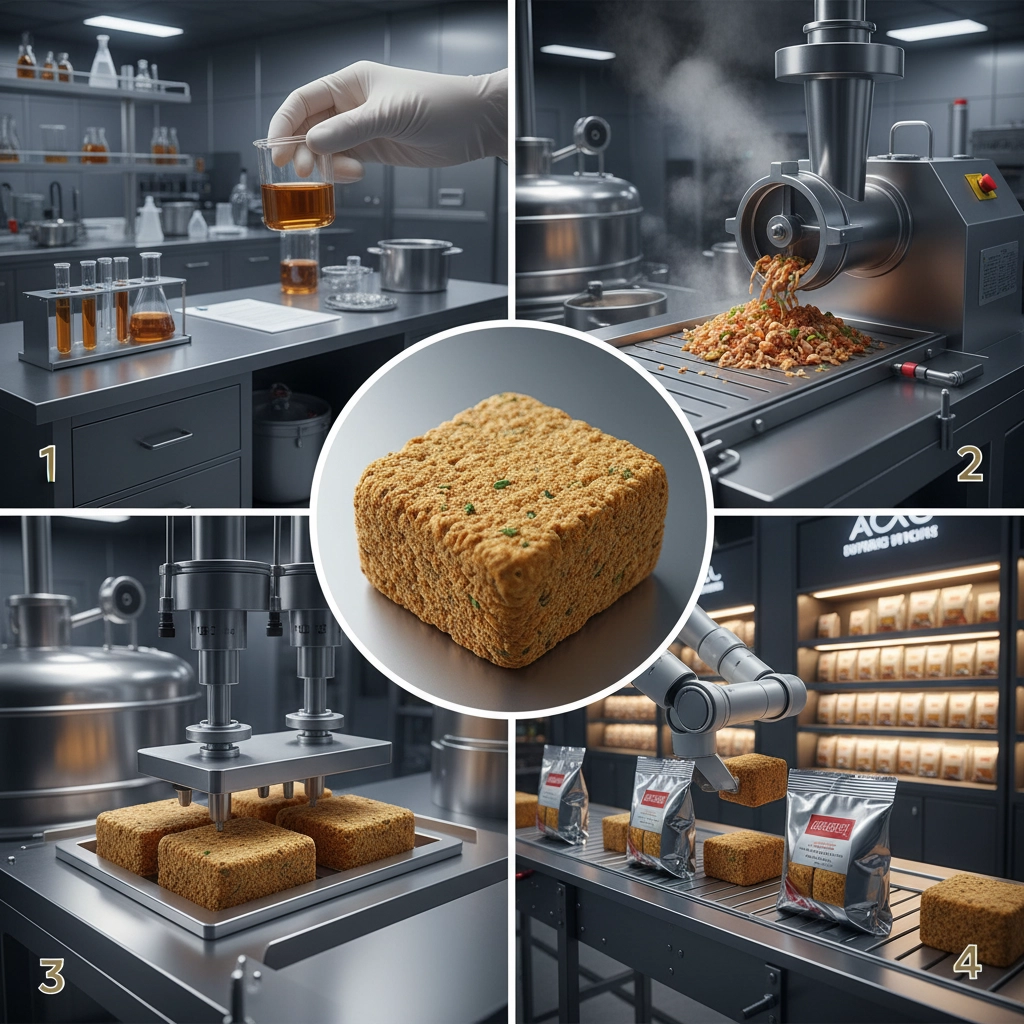
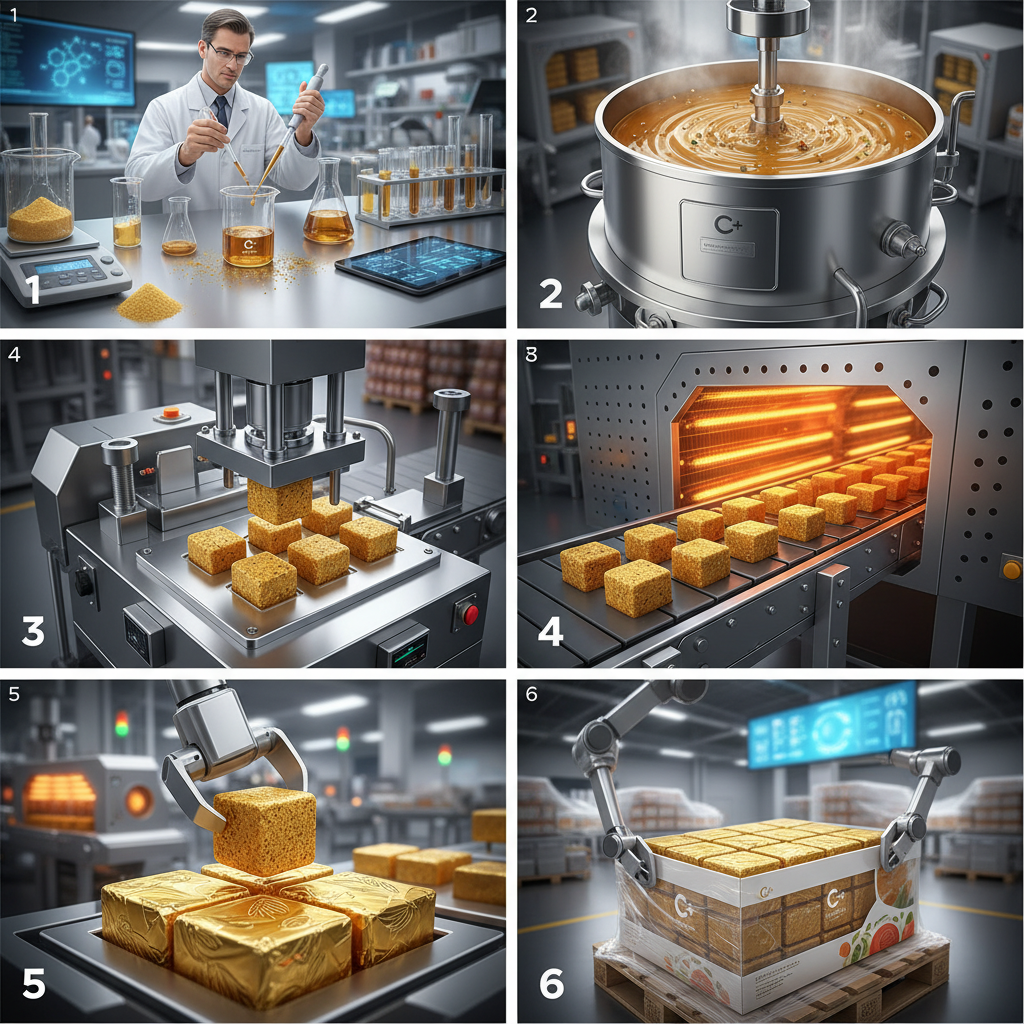
From a technical standpoint, the process involves the extraction of proteins and fats from poultry, followed by vacuum evaporation and spray drying. This converts a bulky liquid into a potent powder, which is then granulated and pressed. This transformation is what allows a small cube to flavor several liters of water consistently.
Modern industrial production also focuses on the "clean label" movement. This means redefining the chemistry of the cube to remove artificial fillers while maintaining the structural integrity and dissolve-rate of the product, ensuring that the chicken cubes stock meets strict international food safety standards (such as ISO 22000).
Core Components for Maximum Flavor Stability
The effectiveness of chicken cubes stock relies heavily on its formulation. The primary driver is the concentration of chicken fat and protein, which provides the mouthfeel and authentic aroma that consumers expect from a traditional broth.
Crucial to the longevity of chicken cubes stock is the use of anti-caking agents and controlled salt levels. These components prevent the cube from absorbing atmospheric moisture (hygroscopy), which would otherwise lead to clumping and a reduction in shelf life.
Furthermore, the integration of herbal extracts and spice blends ensures a balanced flavor profile. By meticulously balancing the salinity with aromatic components, manufacturers can ensure that the chicken cubes stock serves as a versatile base for a wide array of global cuisines.
Performance Metrics and Cost Efficiency
When evaluating the commercial viability of chicken cubes stock, manufacturers look at dissolution speed and flavor intensity. A high-performing cube must dissolve completely in boiling water without leaving gritty residues, ensuring a smooth texture in the final culinary application.
Cost efficiency is another critical metric. By replacing fresh stock with concentrated cubes, food service providers can reduce storage costs by up to 90% and eliminate the energy costs associated with hours of simmering, directly impacting the bottom line of industrial kitchens.
Comparative Efficiency of Chicken Cubes Stock Methods
Industrial Applications and Global Use Cases
The application of chicken cubes stock extends far beyond the domestic kitchen. In the pharmaceutical and nutraceutical industries, modified versions of these savory bases are used to mask the bitter taste of certain medications in liquid supplements, improving patient compliance through a familiar, comforting flavor.
In large-scale relief operations, such as those managed by international NGOs in post-disaster zones, these cubes are essential. They provide a calorie-dense, flavor-rich additive to basic grains and legumes, ensuring that displaced populations receive palatable and nutritious meals in environments where fresh ingredients are unavailable.
Long-Term Value and Sustainable Production
The long-term value of chicken cubes stock lies in its ability to reduce food waste. Traditional stock production often results in significant water loss and discarded organic matter; however, centralized industrial production allows for the optimization of raw material usage, extracting maximum value from every piece of poultry.
Sustainability is also being integrated into the packaging. The industry is moving away from single-use plastics toward biodegradable foils and compostable wraps. This ensures that the convenience of the product does not come at the expense of the environment, aligning with global ESG (Environmental, Social, and Governance) goals.
Moreover, the reliability of these products builds trust between manufacturers and B2B clients. When a food brand can guarantee that every batch of soup tastes identical regardless of which factory it was produced in, the chicken cubes stock becomes a tool for brand equity and consumer loyalty.
Future Innovations in Savory Flavor Tech
Looking ahead, the evolution of chicken cubes stock is being shaped by biotechnology. The use of yeast extracts produced through precision fermentation is allowing manufacturers to create "chicken-flavored" stocks that are entirely plant-based yet indistinguishable from animal-derived products, catering to the booming vegan and vegetarian markets.
Digital transformation is also hitting the production line. Smart factories are now utilizing AI-driven sensory analysis to adjust the flavor profile of chicken cubes stock in real-time, ensuring that variations in raw material quality are offset by precise additive adjustments.
Finally, the trend toward functional foods is leading to the creation of fortified stock cubes. We are seeing the emergence of products enriched with vitamins, minerals, or probiotics, transforming a simple seasoning tool into a vehicle for health and wellness.
Comparative Analysis of Future Chicken Cubes Stock Technologies
| Technology Type |
Flavor Accuracy |
Production Cost |
Eco-Impact |
| Traditional Extraction |
High (9/10) |
Moderate |
Medium |
| Precision Fermentation |
Very High (10/10) |
High |
Low (Green) |
| Yeast-Based Synthesis |
Medium (7/10) |
Low |
Low |
| AI-Optimized Blending |
Consistent (9/10) |
Moderate |
Medium |
| Cold-Press Dehydration |
High (8/10) |
Moderate |
Medium |
| Fortified Nutrient Mix |
Medium (6/10) |
High |
Low |
FAQS
Professional chicken cubes stock is engineered for consistency and shelf-stability. While homemade broth varies by ingredient quality and simmer time, industrial cubes use standardized extracts and stabilizers to ensure the exact same flavor profile in every single unit, regardless of when or where it is used.
When stored in a cool, dry place in original airtight packaging, most industrial chicken cubes stock maintain their full flavor profile for 12 to 24 months. The low water activity level prevents microbial growth and slows the oxidation of fats.
Yes, they are specifically designed for scalability. Their concentrated form reduces logistics costs, and their standardized chemical composition allows food scientists to calculate exact sodium and flavor levels across massive production batches, ensuring brand consistency.
Traditional cubes contain animal derivatives, but modern innovations have led to "chicken-style" cubes. These use hydrolyzed vegetable proteins and yeast extracts to mimic the savory poultry taste, providing a vegan alternative that maintains the same functional properties.
The key is proper dilution and the use of acidity. Adding a splash of lemon juice or vinegar can balance the saltiness of chicken cubes stock, while using a low-sodium variant during the initial formulation phase prevents the flavor from becoming overwhelming.
Because chicken cubes stock are anhydrous and shelf-stable, they are ideal for sea freight. Businesses should ensure all products meet the destination country's food additive regulations and obtain the necessary phytosanitary certificates for poultry-derived products.
Conclusion
In summary, chicken cubes stock represents the perfect intersection of culinary art and industrial chemistry. By condensing complex flavors into a stable, cost-effective format, these products have revolutionized how we approach taste standardization, from domestic kitchens to global humanitarian relief efforts and large-scale food manufacturing.
As we move toward a future defined by sustainability and biotechnology, the role of these savory enhancers will only grow. Whether through the adoption of plant-based alternatives or AI-optimized flavor profiles, the focus remains on delivering authentic taste with minimal environmental impact. For those seeking to elevate their product offerings with premium flavoring solutions, we invite you to explore our expertise. Visit our website: www.chinaseasoning.com