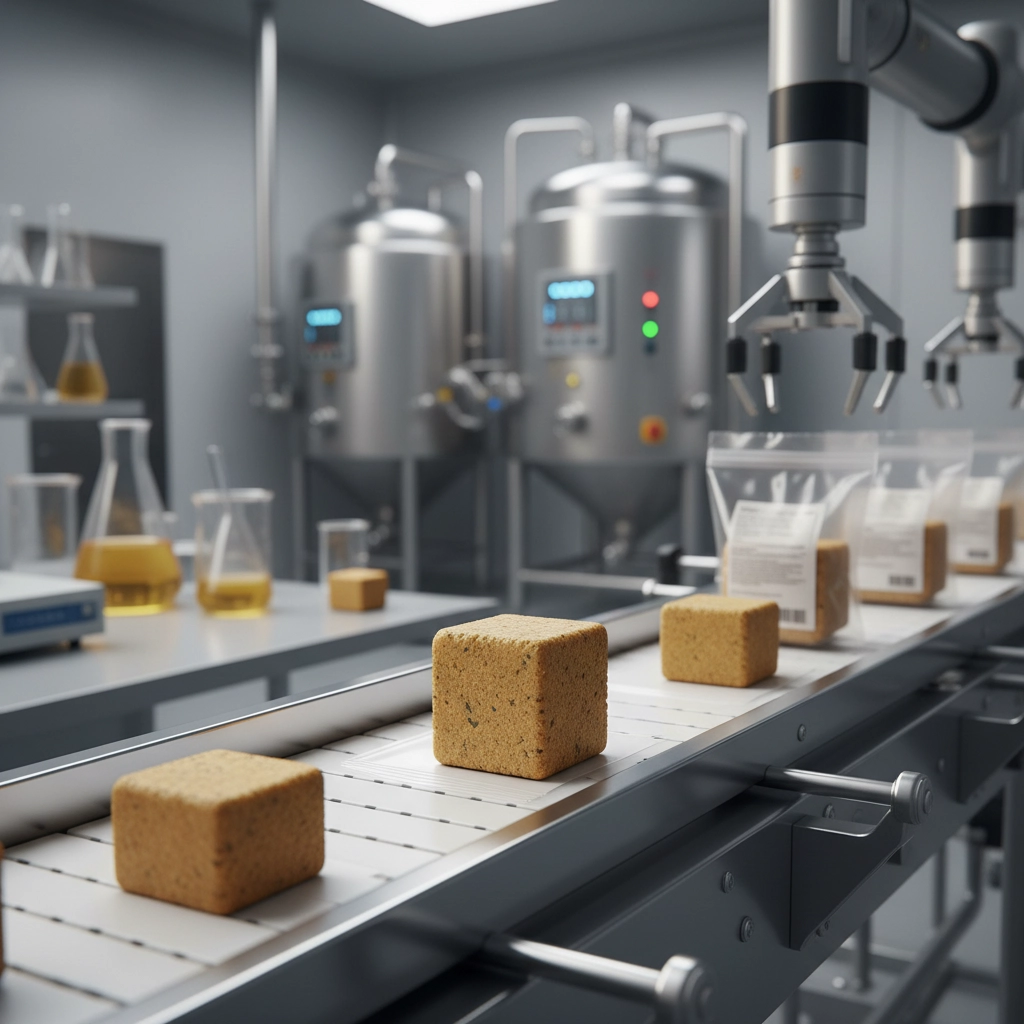
In the fast-paced world of modern culinary production, bou chicken flavored bouillon cubes have emerged as a cornerstone of convenience and flavor consistency. These concentrated seasoning blocks allow chefs and food manufacturers to replicate complex, slow-simmered chicken stocks in a matter of seconds, bridging the gap between artisanal taste and industrial efficiency.
The global demand for standardized flavor enhancers is driven by the expansion of the ready-to-eat meal sector and the need for cost-effective seasoning solutions in diverse geographic regions. By integrating high-quality bou chicken flavored bouillon cubes into their supply chains, companies can ensure that every batch of soup, sauce, or marinade maintains a consistent savory profile regardless of the local ingredient variability.
Understanding the technical composition and application of these bouillon cubes is essential for anyone operating in the food additive industry. From optimizing sodium levels to enhancing umami depth, the strategic use of these cubes helps brands scale their production while maintaining the "home-cooked" appeal that consumers crave in a globalized market.
Global Market Relevance of Bou Chicken Flavored Bouillon Cubes
The global appetite for convenient savory seasonings has seen a significant uptick, with bou chicken flavored bouillon cubes playing a pivotal role in emerging economies. Market data suggests that the demand for dehydrated stock concentrates is growing at a steady CAGR, as urbanization increases the need for quick-preparation meals that do not sacrifice taste.
In many regions, these cubes serve as more than just a kitchen shortcut; they are essential tools for food security and nutrition in remote areas where fresh poultry may be expensive or unavailable. The ability to transport a highly concentrated flavor profile in a compact, shelf-stable format makes bouillon cubes an indispensable asset for global food distribution networks.
Defining the Technical Composition of Bouillon Cubes
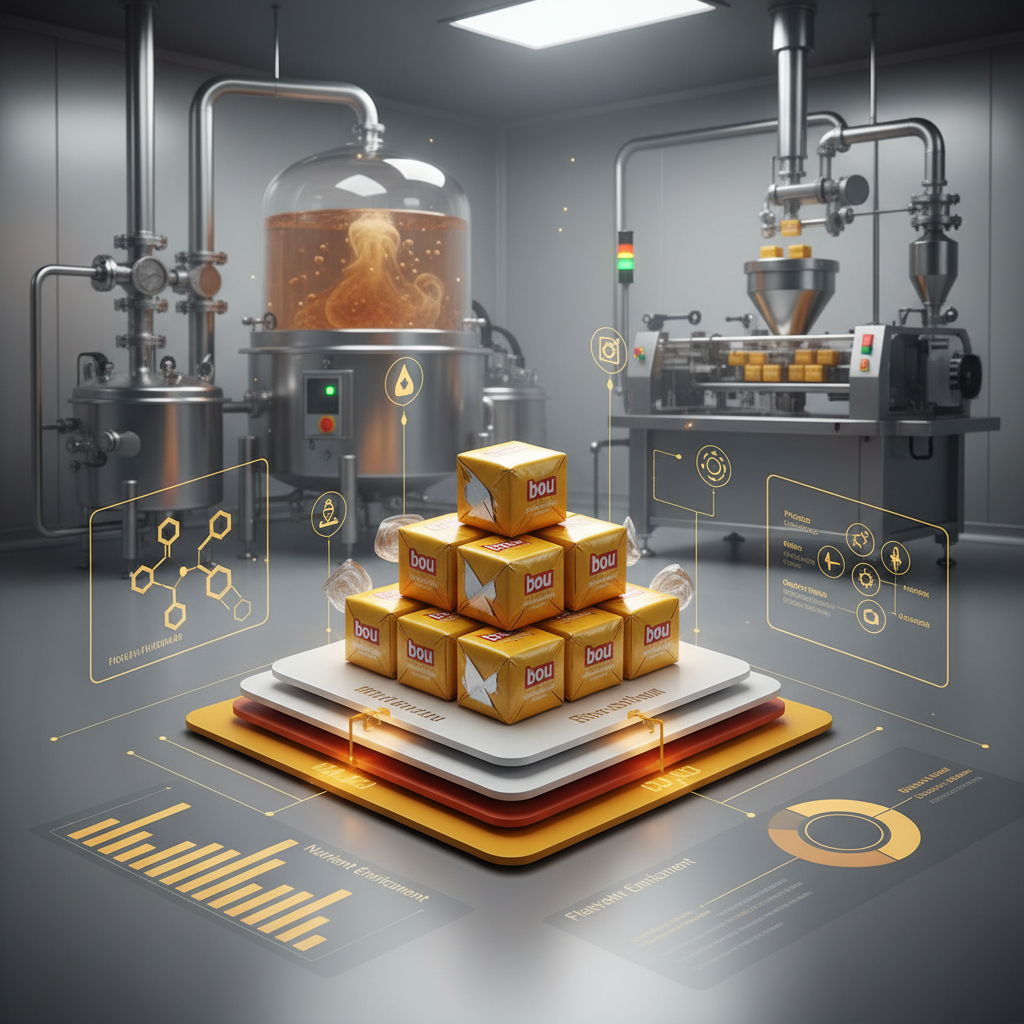
At its core, bou chicken flavored bouillon cubes are a precision-engineered blend of salt, flavor enhancers (such as MSG or yeast extracts), dehydrated chicken fats, and various herbs and spices. Through a process of dehydration and compression, these ingredients are fused into a dense cube that remains stable under various temperature and humidity conditions.
Unlike liquid stocks, which require refrigeration and have a limited shelf life, these bouillon cubes utilize osmotic pressure and low water activity to inhibit microbial growth. This technical advantage ensures that the "chicken" profile remains potent and consistent from the moment of manufacture to the point of consumption, often spanning several years.
From an industrial perspective, the formulation of bou chicken flavored bouillon cubes involves careful balancing of the "umami" components. By manipulating the ratio of glutamates to nucleotides, manufacturers can create a deep, savory taste that mimics the natural collagen and amino acid profile of a long-boiled chicken carcass.
Key Performance Factors in Flavor Stability
One of the primary concerns when utilizing bou chicken flavored bouillon cubes is the rate of dissolution. A high-quality cube must dissolve rapidly in hot water without leaving gritty residues or clumps, ensuring a smooth texture in the final culinary application.
Furthermore, the volatility of the aromatic compounds in bou chicken flavored bouillon cubes must be managed. The use of encapsulation technologies allows the "chicken" scent to be locked in during storage and only released upon contact with heat, preventing the flavor from fading over time.
Finally, the salt-to-flavor ratio is critical for versatility. Professional-grade bou chicken flavored bouillon cubes are designed to provide a robust base that can be further seasoned, avoiding the common pitfall of over-salting a dish before the other flavor components have been added.
Industrial Applications and Use Cases
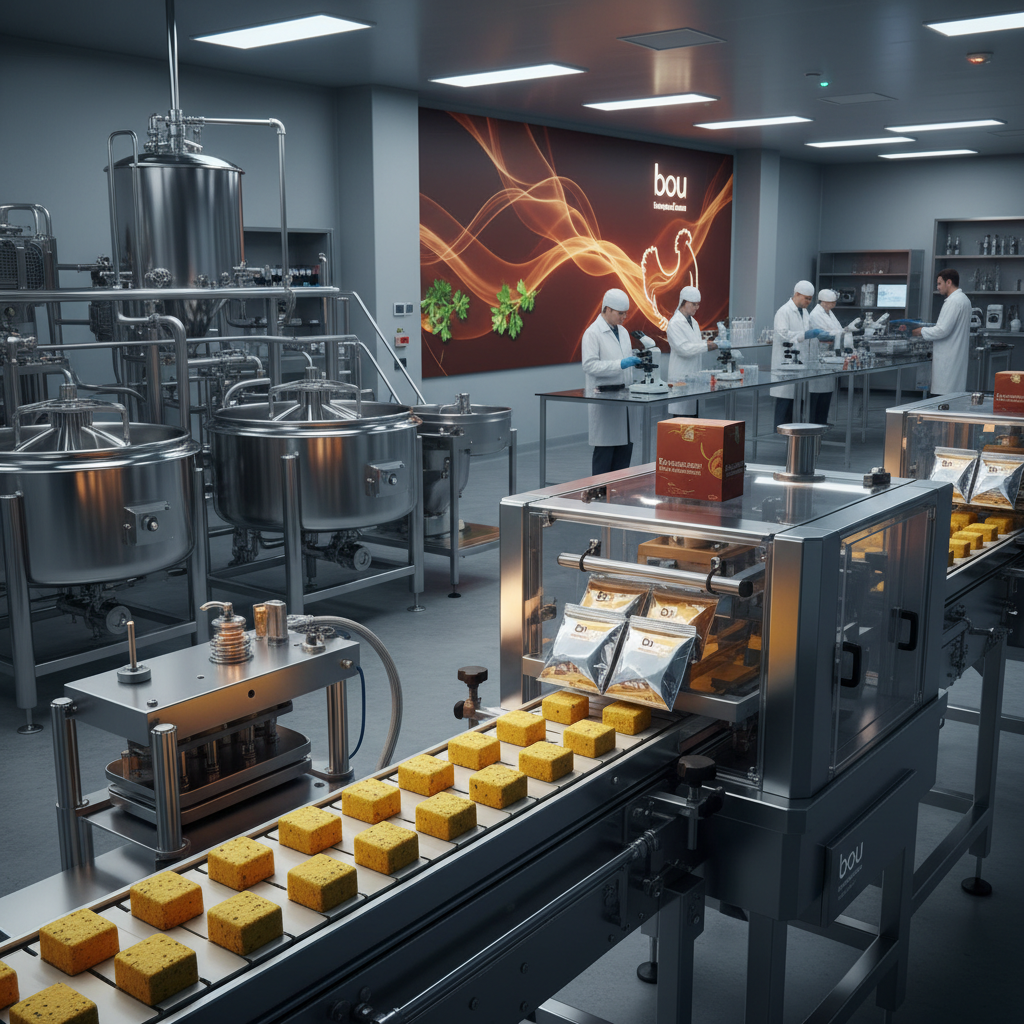
The application of bou chicken flavored bouillon cubes extends far beyond the home kitchen. In large-scale food manufacturing, they are used as a standardized base for instant noodle seasonings, dehydrated soup mixes, and pre-packaged frozen meals, ensuring that every unit produced meets strict quality control standards.
Beyond commercial food, these cubes are frequently employed in humanitarian aid and disaster relief operations. Because they are lightweight, nutrient-dense in flavor, and require no refrigeration, they allow NGOs to provide palatable and comforting meals to displaced populations in challenging environments.
Comparative Performance of Bou Chicken Flavored Bouillon Cubes Variants
Economic Advantages and Long-Term Value
From a cost-accounting perspective, switching to bou chicken flavored bouillon cubes significantly reduces labor and utility costs. The traditional process of simmering chicken bones for hours consumes vast amounts of energy and requires constant supervision, whereas the use of concentrated cubes streamlines the workflow.
Moreover, the reduction in food waste is a tangible long-term benefit. Since the cubes are portion-controlled and have an extended shelf life, businesses can avoid the spoilage associated with fresh stocks, leading to a more sustainable and predictable procurement cycle.
Future Trends in Savory Food Additives
The future of bou chicken flavored bouillon cubes is leaning heavily toward "clean label" initiatives. Consumers are increasingly demanding the removal of artificial colors and synthetic preservatives, pushing manufacturers to explore natural alternatives like turmeric for color and celery seed extract for salt replacement.
Digital transformation is also impacting the production side. AI-driven flavor profiling is now being used to analyze consumer taste preferences in real-time, allowing companies to tweak the formulation of their bouillon cubes to better suit regional palates, whether they prefer a saltier, more herbal, or more "meaty" profile.
Sustainability is another driving force. We are seeing a shift toward biodegradable packaging for bou chicken flavored bouillon cubes and the integration of plant-based "chicken" flavors for the growing vegan and vegetarian markets, ensuring that the convenience of the cube format remains relevant in a changing dietary landscape.
Overcoming Manufacturing Challenges
Despite their utility, the production of bou chicken flavored bouillon cubes faces challenges such as "caking," where the cubes harden excessively or absorb moisture from the air. This is typically solved by optimizing the fat-to-dry-matter ratio and implementing advanced moisture-barrier foil packaging.
Another common hurdle is maintaining flavor potency across different climate zones. In high-humidity environments, the oxidation of fats can lead to off-flavors. To counter this, manufacturers are incorporating natural antioxidants like rosemary extract, which preserve the freshness of the chicken flavor without adding chemical preservatives.
Finally, achieving a consistent particle size in the raw powder blend is essential for uniform compression. By utilizing precision milling and blending equipment, manufacturers ensure that every bou chicken flavored bouillon cubes unit has the exact same weight and chemical composition, ensuring reliability for the end-user.
Comparative Analysis of Bouillon Cube Production Methods
| Production Method |
Flavor Intensity |
Dissolution Speed |
Shelf Stability |
| Cold Pressing |
Medium |
Fast |
High |
| Heat Compression |
High |
Medium |
Very High |
| Spray Drying Base |
Medium-High |
Very Fast |
Medium |
| Traditional Dehydration |
Very High |
Slow |
High |
| Hybrid Extrusion |
High |
Fast |
High |
| Vacuum Compression |
High |
Medium |
Very High |
FAQS
They achieve this through a process called water activity reduction. By removing moisture and using salt as a natural preservative, the cubes inhibit the growth of bacteria and mold. Additionally, the dense compression of the cube limits oxygen exposure, which prevents the oxidation of the chicken fats and aromatic oils, ensuring the flavor remains stable for years.
Yes, they are ideal for industrial use because they provide a standardized flavor profile. This eliminates the variability found in fresh ingredients, allowing manufacturers to produce millions of units of product (like instant soups or sauces) with identical taste profiles, which is critical for brand loyalty and quality control.
Absolutely. Manufacturers can create "Low Sodium" variants by replacing a portion of the sodium chloride with potassium chloride or by enhancing the umami profile using yeast extracts and mushroom powders, which trick the palate into perceiving saltiness even when the actual sodium content is reduced.
The primary difference is the form and the binding agents used. Cubes are compressed and often contain a small amount of fat or binder to hold their shape, whereas powders are loose. Cubes are generally preferred for precise portion control, while powders are favored for faster integration in automated liquid blending systems.
Preventing clumping requires a combination of high-quality moisture-barrier packaging (such as aluminized PET film) and climate-controlled storage. Ensuring that the product is sealed in an airtight environment prevents the hygroscopic salts in the cube from absorbing atmospheric moisture.
Yes, many modern manufacturers produce "chicken-style" cubes using a blend of hydrolyzed vegetable proteins, nutritional yeast, and a specific mix of celery, onion, and garlic. These provide the same savory, salty profile as chicken bouillon but are completely plant-based.
Conclusion
In summary, bou chicken flavored bouillon cubes represent a perfect synergy of food science and commercial practicality. By condensing complex savory flavors into a stable, portable, and cost-effective format, they solve critical challenges ranging from industrial flavor consistency to global food accessibility. From the technical precision of their umami balance to their versatility in humanitarian and commercial applications, these cubes remain a vital component of the global food additive industry.
Looking forward, the evolution toward cleaner labels and sustainable production will only enhance the value of these products. For businesses seeking to optimize their seasoning processes or develop new savory product lines, investing in high-quality bouillon solutions is a strategic move toward efficiency and consumer satisfaction. To explore premium seasoning solutions, visit our website: www.chinaseasoning.com