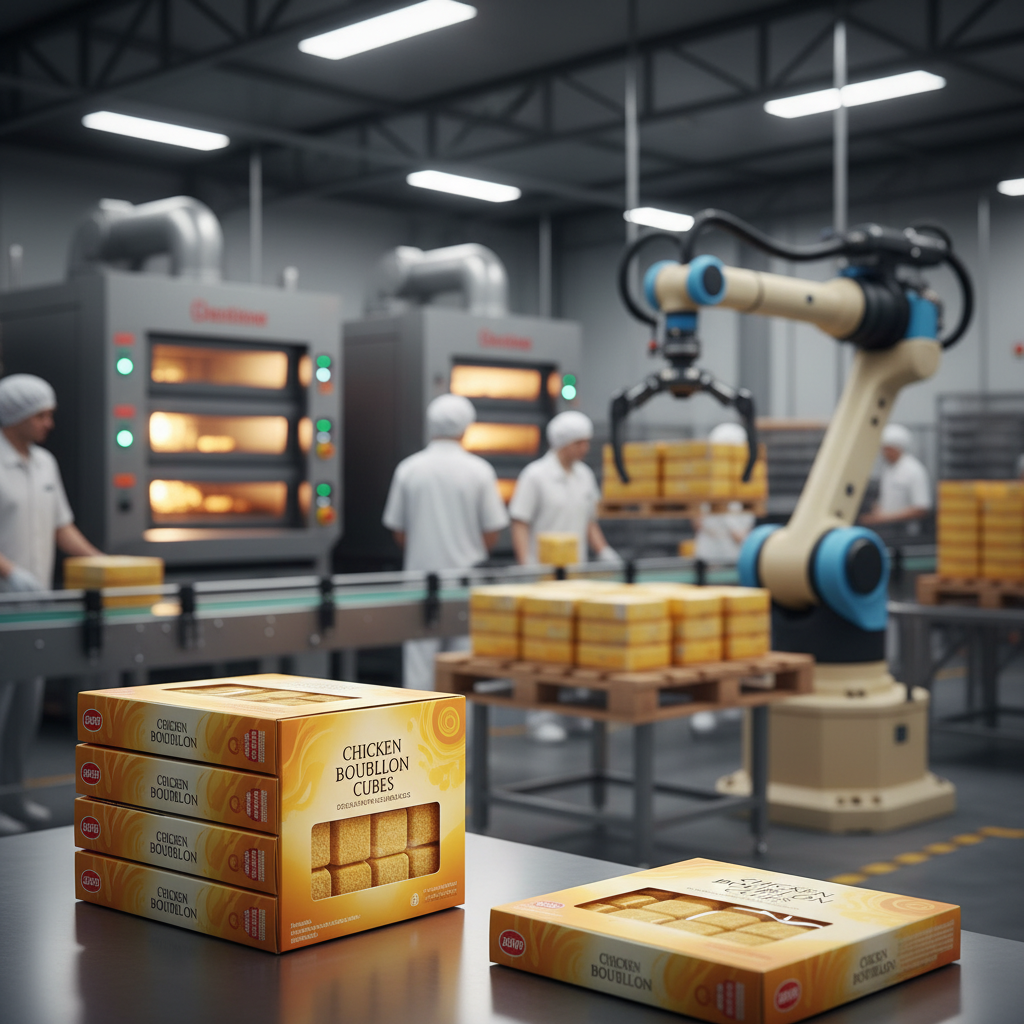
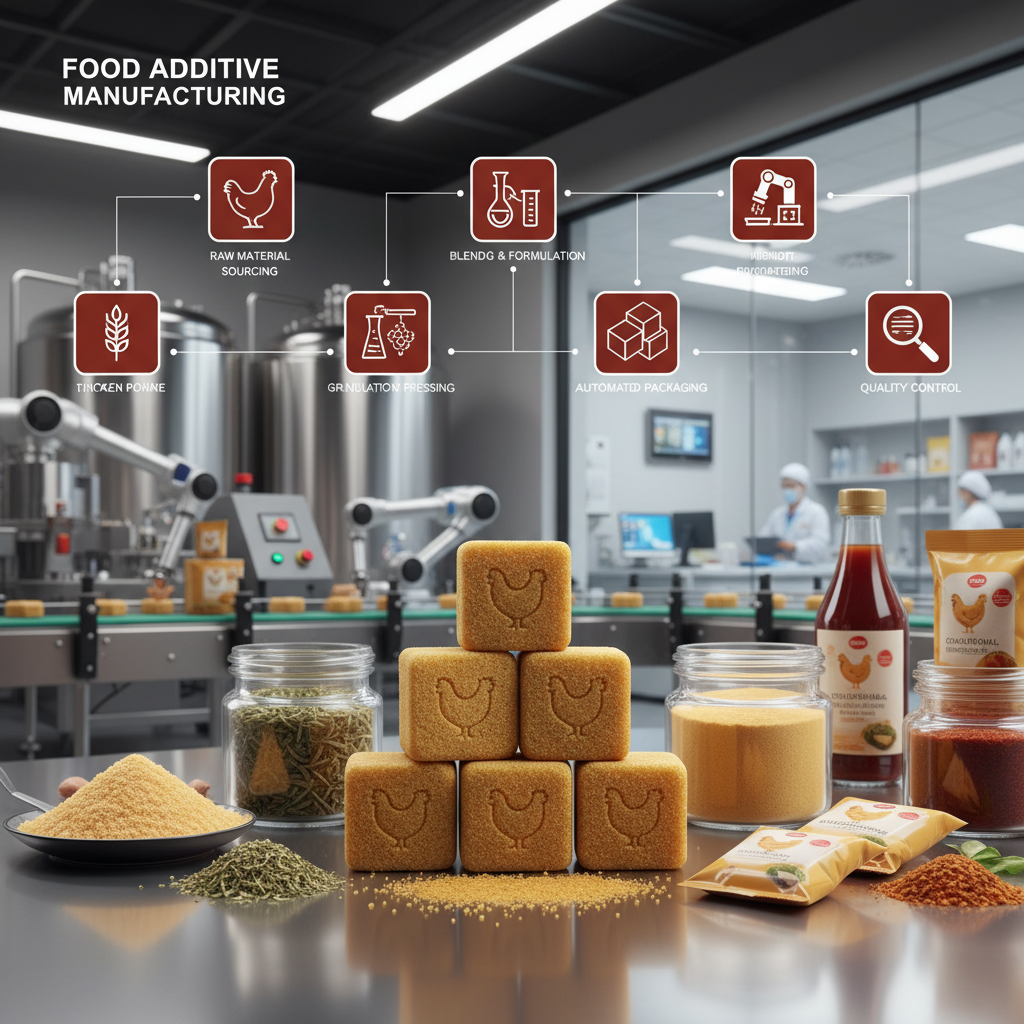
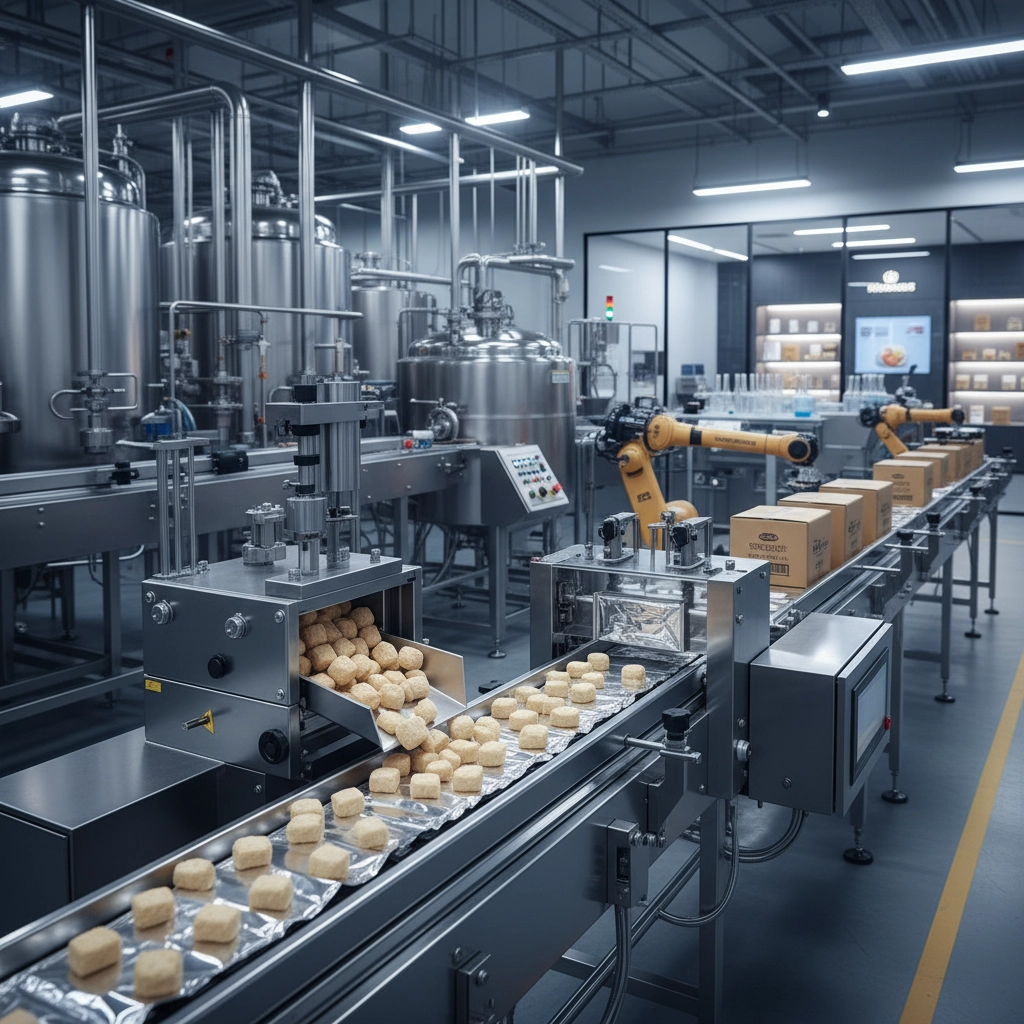
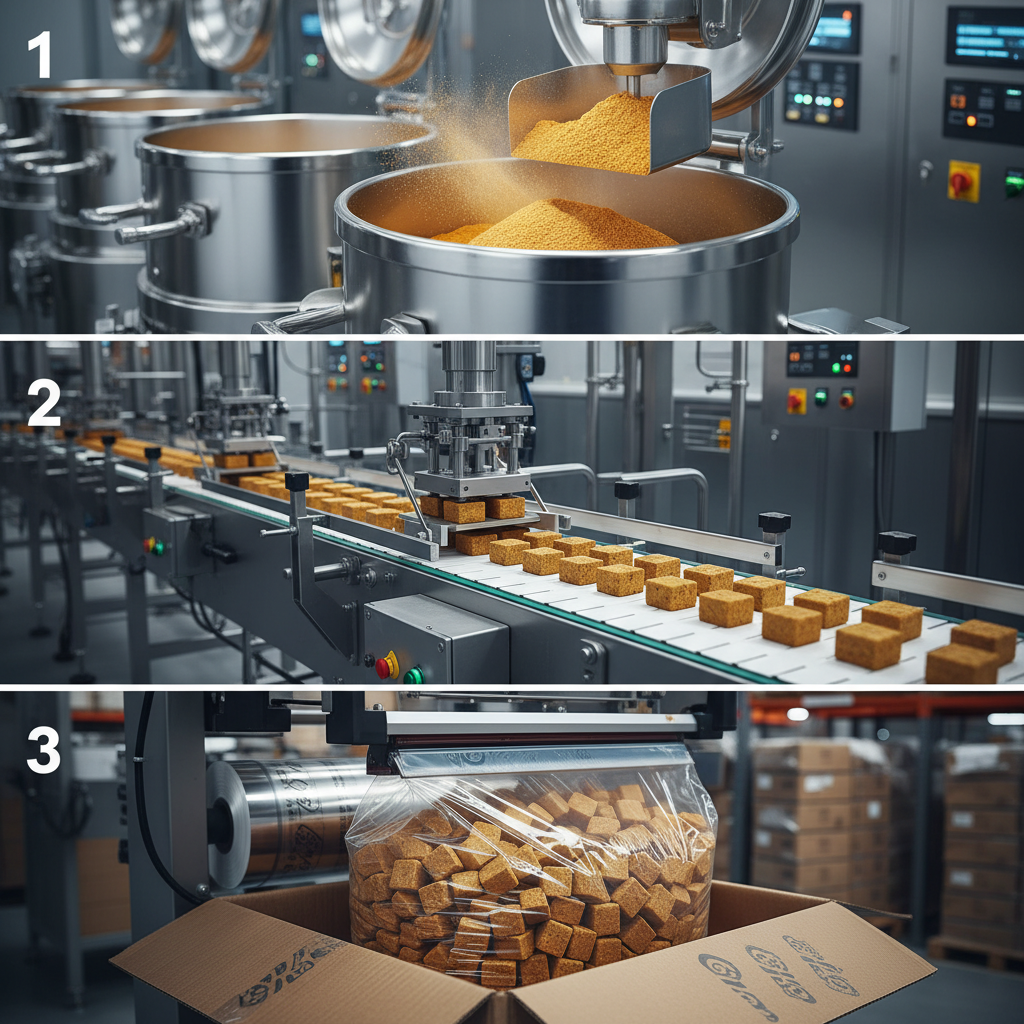
The global culinary landscape has been fundamentally transformed by the advent of concentrated flavor enhancers, with bouillon chicken cube seasoning standing as a cornerstone of modern kitchen efficiency. By condensing rich, savory chicken essence into a stable, portable format, these seasonings allow home cooks and industrial food processors alike to achieve consistent taste profiles without the labor-intensive process of simmering bones for hours.
Understanding the science behind bouillon chicken cube seasoning is essential for food manufacturers aiming to balance taste, shelf-life, and cost-effectiveness. In an era where convenience is paramount, the ability to provide a standardized "umami" experience across different geographic regions has made these cubes a vital commodity in the global food additive trade.
Beyond simple convenience, the strategic application of bouillon chicken cube seasoning addresses critical challenges in food security and nutrition, particularly in regions where fresh protein sources are scarce. By providing a flavor-dense base, it enhances the palatability of staple grains and legumes, thereby improving the overall dietary experience for millions of people worldwide.
The Global Industrial Context of Bouillon Chicken Cube Seasoning
The market for bouillon chicken cube seasoning has seen exponential growth, mirroring the rise of the processed food industry. According to global trade data, the demand for dehydrated seasonings has surged in emerging markets across Africa and Southeast Asia, where they serve as an affordable alternative to fresh meat stocks. This growth is driven by the need for ingredients that can withstand high temperatures and humidity without the need for refrigeration.
However, the industry faces a significant challenge: the tension between clean-label demands and the functional requirements of a bouillon cube. While consumers increasingly seek "natural" ingredients, the stability and intense flavor profile of bouillon chicken cube seasoning often rely on precise chemical balances of salts, fats, and flavor enhancers. Bridging this gap requires advanced food engineering and a deep understanding of additive interactions.
Defining the Composition of Bouillon Chicken Cube Seasoning
At its most basic level, bouillon chicken cube seasoning is a dehydrated blend of salt, flavor enhancers, fats, and chicken extracts, compressed into a precise geometric form for easy dosing. Unlike liquid stocks, the cube format ensures a concentrated delivery of flavor, where a single unit can typically season one liter of water, making it an incredibly efficient medium for flavor transport.
From an industrial perspective, these cubes are more than just "seasoning"; they are complex matrices of food additives. The integration of hydrocolloids and anti-caking agents ensures that the cube remains solid during storage but dissolves rapidly upon contact with boiling water. This balance of solubility and stability is what separates professional-grade products from amateur blends.
Moreover, the connection between bouillon chicken cube seasoning and humanitarian needs is profound. In disaster relief or remote industrial zones, these cubes provide an essential source of sodium and flavor, which stimulates appetite and encourages the consumption of nutrient-dense but bland relief foods like fortified rice or porridge.
Core Technical Factors for Quality Production
The scalability of bouillon chicken cube seasoning production depends heavily on the precision of the mixing phase. Achieving a homogenous distribution of chicken powder and salt is critical; otherwise, the end consumer will experience "flavor spots," where some cubes are overly salty while others lack the characteristic chicken depth.
Cost efficiency is another pillar of the manufacturing process. By optimizing the ratio of expensive chicken extracts to more affordable flavor enhancers (like MSG or yeast extracts), manufacturers can produce a bouillon chicken cube seasoning that remains competitive in the mass market while maintaining a high perceived quality by the consumer.
Finally, durability is ensured through the careful selection of fats. Hydrogenated oils or palm oil are often used to provide the "mouthfeel" of real chicken fat while preventing the oxidation and rancidity that would occur with unstable fresh fats, ensuring a shelf life that can extend beyond 12 to 24 months.
Global Applications and Diverse Use Cases
The application of bouillon chicken cube seasoning extends far beyond the home kitchen. In the commercial food service industry, it is used as a standardized base for soups, sauces, and marinades, ensuring that a chain restaurant in New York tastes exactly the same as one in Tokyo. This standardization is key to brand loyalty in the globalized food market.
In specific contexts, such as military rations or long-term space missions, the lightweight nature of the cube is its greatest asset. The ability to transport a high concentration of flavor in a minimal volume reduces logistics costs and increases the psychological comfort of personnel eating in isolated environments.
Comparative Performance of bouillon chicken cube seasoning Formulations
Economic Advantages and Long-Term Value
The long-term value of bouillon chicken cube seasoning lies in its ability to democratize flavor. By reducing the cost of achieving a rich, savory taste, it allows lower-income households to enhance their nutrition through more palatable meals, reducing food waste and improving the overall quality of life.
From a business perspective, the reliability of the supply chain for these additives ensures that food manufacturers can maintain steady production cycles. The high stability of the product reduces losses due to spoilage, creating a sustainable economic model that benefits both the producer and the end distributor.
Future Innovations in Seasoning Technology
The future of bouillon chicken cube seasoning is leaning heavily toward "Green Chemistry." We are seeing a shift toward the use of plant-based proteins and fermented yeast extracts to replicate the chicken flavor, catering to the growing vegan and vegetarian markets without sacrificing the traditional "chicken" taste profile.
Digital transformation is also hitting the production line. AI-driven flavor profiling now allows manufacturers to analyze regional taste preferences in real-time and adjust the salt or spice levels of their bouillon chicken cube seasoning for specific markets, ensuring maximum consumer adoption.
Furthermore, sustainable packaging is becoming a priority. The industry is moving away from multi-layer plastic foils toward biodegradable wraps that maintain the moisture barrier required to keep the cubes from softening, aligning the product with global ESG (Environmental, Social, and Governance) goals.
Overcoming Challenges in bouillon chicken cube seasoning Manufacturing
One of the primary limitations in current practice is the high sodium content associated with traditional cubes. To overcome this, experts are implementing potassium-based salt substitutes and utilizing "flavor enhancers" that trigger the same taste receptors as salt, effectively reducing sodium levels without compromising the savory experience.
Another challenge is the "clumping" effect caused by humidity in tropical climates. Innovative solutions include the use of micronized silica or modified starches that act as a physical barrier between particles, ensuring the cube remains a distinct, easy-to-handle unit regardless of environmental conditions.
Lastly, the pursuit of "clean labels" requires the removal of artificial colors and preservatives. The solution lies in using natural extracts, such as turmeric for color and rosemary extract for antioxidant properties, ensuring the bouillon chicken cube seasoning meets the strictest international health standards.
Comparative Analysis of bouillon chicken cube seasoning Technical Solutions
| Challenge Dimension |
Traditional Approach |
Innovative Solution |
Impact Score (1-10) |
| Sodium Reduction |
High NaCl concentration |
Potassium-based salts |
9 |
| Shelf Stability |
Synthetic preservatives |
Natural rosemary extract |
8 |
| Anti-Caking |
Standard silicates |
Micronized plant fibers |
7 |
| Coloration |
Artificial Yellow 5 |
Turmeric/Paprika blends |
10 |
| Flavor Depth |
MSG dominance |
Fermented yeast extracts |
9 |
| Packaging |
Aluminum foil |
PLA Biodegradable film |
8 |
FAQS
High-quality bouillon chicken cube seasoning is distinguished by its use of real chicken extracts rather than purely synthetic flavorings. It also features better solubility, meaning it dissolves completely in hot water without leaving gritty residue, and uses premium fats that don't develop an "off" taste over time. Additionally, professional grades have a more balanced salt-to-umami ratio, providing a rich depth of flavor rather than just a salty punch.
When stored in their original airtight packaging in a cool, dry place, most bouillon chicken cube seasonings have a shelf life of 12 to 24 months. The primary risk is moisture absorption, which can cause the cubes to soften or clump. To maximize longevity, we recommend keeping them away from steam and direct sunlight, which can cause the fats within the cube to oxidize and lose their freshness.
Yes, modern manufacturing allows for a wide variety of dietary adaptations. MSG-free versions replace monosodium glutamate with hydrolyzed vegetable proteins or yeast extracts to maintain the savory profile. Gluten-free versions ensure that no wheat-based fillers are used in the compression process. We recommend checking the technical data sheet of the product for certified allergen-free specifications.
While designed for boiling water, bouillon chicken cube seasoning can be used in cold applications if the cube is first crushed into a fine powder. In cold marinades, the powder needs to be whisked vigorously into the liquid. However, for optimal flavor release and complete dissolution of the fats, heating the liquid to at least 70°C is highly recommended.
Importing food additives requires compliance with the target country's food safety regulations (such as FDA in the US or EFSA in Europe). You will need a detailed Certificate of Analysis (CoA) and a Material Safety Data Sheet (MSDS). Our logistics team can assist with customs documentation and ensure that the packaging meets international shipping standards to prevent damage during transit.
Absolutely. In fact, bouillon chicken cube seasoning is often preferred in industrial settings because it provides a standardized flavor profile that is easy to measure and dose. Whether you are producing canned soups, frozen meals, or snack seasonings, these concentrated cubes (or their bulk powder equivalent) ensure consistency across thousands of batches, reducing the risk of flavor variance.
Conclusion
In summary, bouillon chicken cube seasoning represents a perfect intersection of food chemistry and consumer convenience. From its role in stabilizing flavor for global restaurant chains to its importance in humanitarian food aid, the bouillon cube is far more than a kitchen shortcut; it is a sophisticated tool for nutritional and culinary enhancement. By balancing technical factors like solubility, shelf-life, and cost-efficiency, the industry continues to evolve to meet the demands of a health-conscious and environmentally aware global population.
Looking forward, the transition toward clean-label ingredients and sustainable production will define the next generation of seasonings. For businesses and consumers alike, the focus will shift toward "intelligent" flavoring—reducing sodium and artificial additives without sacrificing the soul of the chicken taste. As we embrace these innovations, bouillon chicken cube seasoning will remain an indispensable asset in the global food additive landscape. Visit our website for more professional solutions: www.chinaseasoning.com