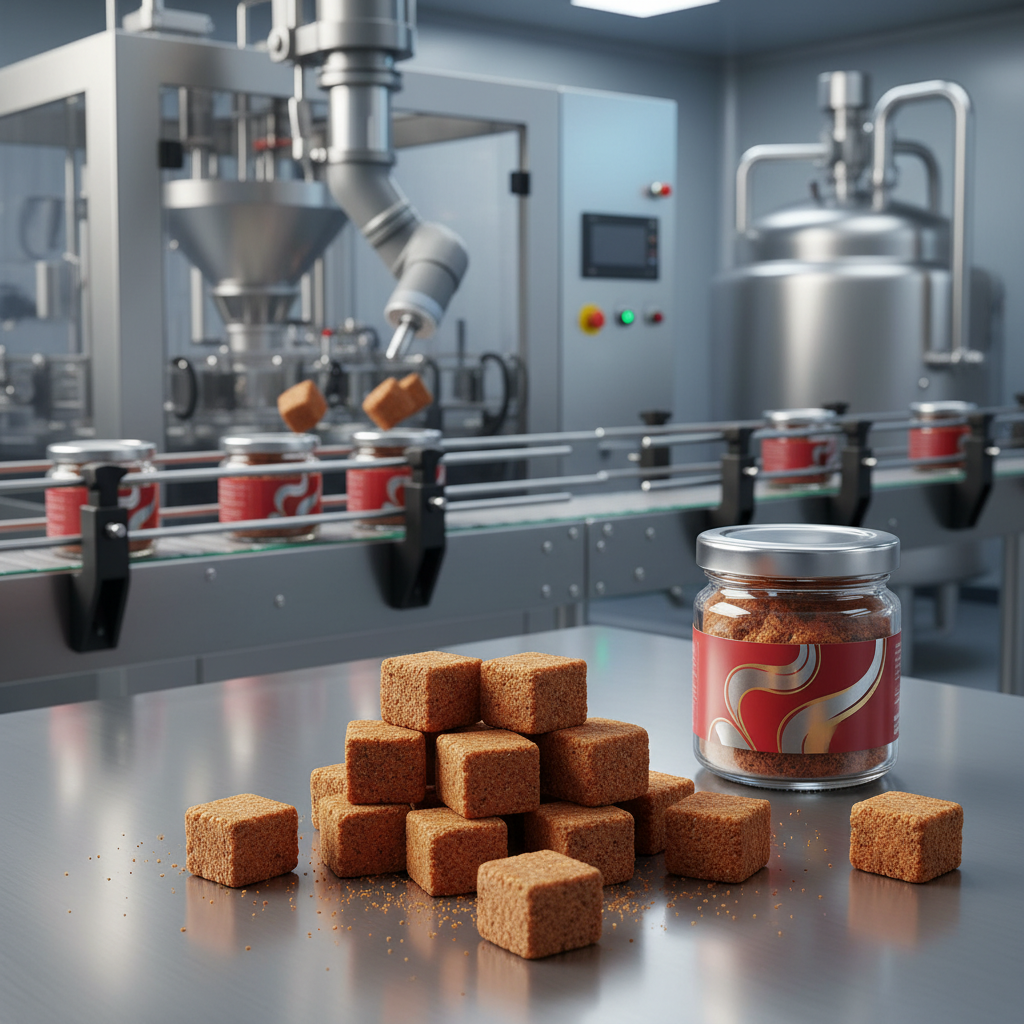
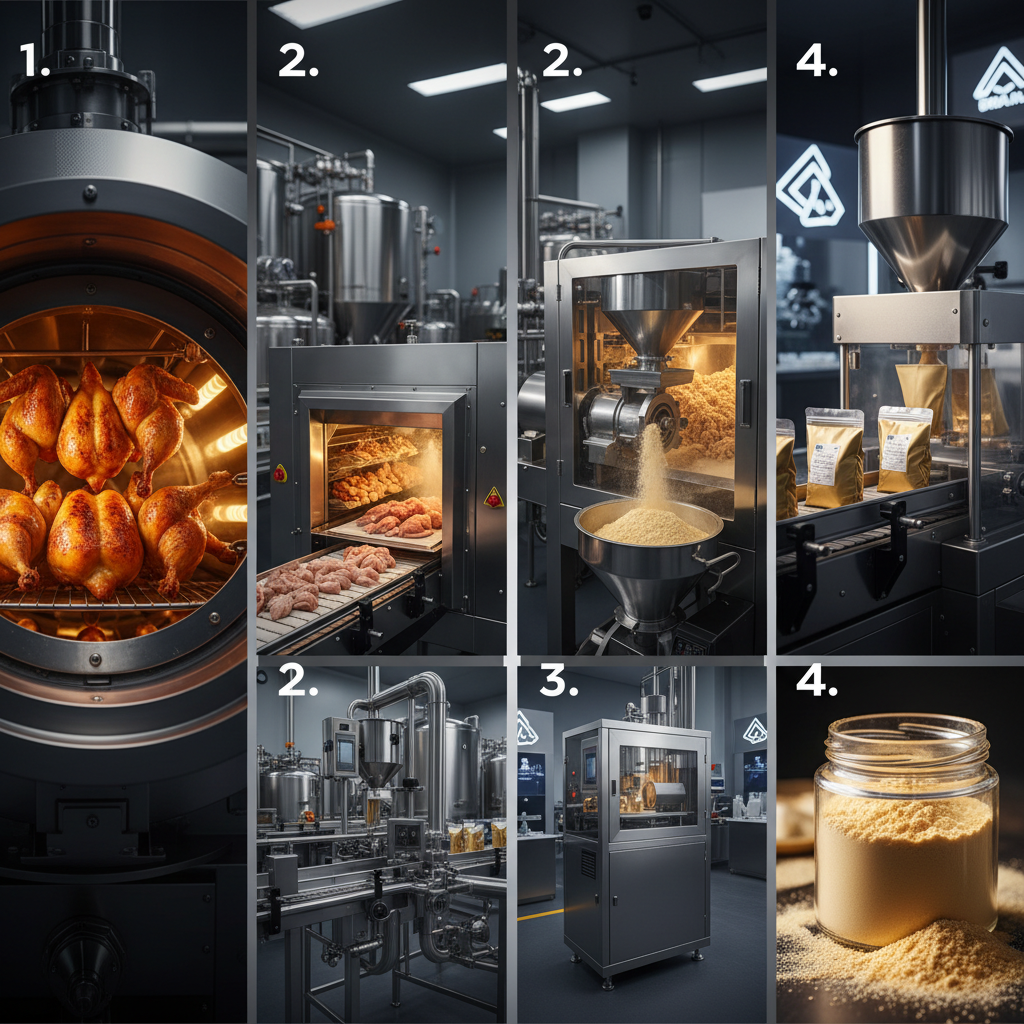
In the competitive landscape of the modern food industry, the demand for efficiency and consistency in flavor delivery has led to the widespread adoption of bouillon cube broth. These concentrated seasoning blocks serve as a cornerstone for both domestic kitchens and large-scale industrial food production, offering a standardized way to achieve deep, savory profiles without the time-consuming process of simmering bones and vegetables for hours.
Globally, the integration of high-quality bouillon cube broth is essential for maintaining taste uniformity across different geographic regions. As consumer preferences shift toward convenience and "clean label" ingredients, the manufacturing process of these cubes has evolved, incorporating advanced food additive technologies to balance sodium levels while enhancing the natural umami experience.
Understanding the technical nuances of bouillon cube broth production—from dehydration techniques to the precise blending of pharmaceutical-grade intermediates—allows food manufacturers to optimize their cost-to-quality ratio. This comprehensive guide explores the industrial significance, application versatility, and future innovations of bouillon cubes in the global food additive market.
Global Industry Context of Bouillon Cube Broth
The global market for bouillon cube broth has seen exponential growth, driven by the rapid urbanization of emerging economies and the rising demand for processed convenience foods. According to industry trends aligned with ISO food safety standards, the shift toward dehydrated seasoning solutions is a response to the need for longer shelf lives and reduced logistical costs in food supply chains.
However, the industry faces a significant challenge: the tension between the desire for intense flavor and the health-driven push to reduce sodium chloride and MSG. Manufacturers are now leveraging advanced food additive science to create "low-sodium" variants that do not sacrifice the sensory experience, ensuring that bouillon cube broth remains a viable tool for both health-conscious consumers and industrial chefs.
Definition and Technical Meaning of Bouillon Cubes
At its most basic level, bouillon cube broth is a highly concentrated, dehydrated seasoning block composed of salt, flavor enhancers, fats, and extracted meat or vegetable essences. Unlike liquid stocks, these cubes utilize a precise ratio of binders and stabilizers to maintain a solid form that dissolves rapidly upon contact with hot water.
From an industrial perspective, these cubes represent a triumph of food engineering. By removing water—the primary cause of spoilage—and employing controlled compression, manufacturers can create a product that is biologically stable without requiring refrigeration. This makes them indispensable in humanitarian aid, where nutrient-dense, flavor-rich bases are needed for large-scale feeding programs in remote areas.
In the context of the pharmaceutical and additive industry, the "meaning" of a bouillon cube extends to the synergy of ingredients. The use of yeast extracts and specific amino acids allows for a chemical recreation of the "Maillard reaction" (the browning process), providing the deep, savory taste associated with slow-cooked broths in a fraction of the time.
Core Components and Quality Factors
The efficacy of bouillon cube broth depends heavily on the purity of its raw materials. Key factors include the quality of the salt used as a preservative and the sourcing of natural flavor extracts, which must be standardized to prevent batch-to-batch variation in taste and aroma.
Stability and solubility are the two primary technical benchmarks for high-grade bouillon cube broth. The inclusion of anti-caking agents and specific food-grade fats ensures that the cube does not crumble during transport nor clump together in humid environments, allowing for a seamless dissolution process in industrial kitchens.
Furthermore, the sensory profile is optimized through the balance of "umami" components. By blending various glutamates and nucleotides, manufacturers can simulate the complexity of a multi-ingredient broth, ensuring that the final product appeals to a global palate while meeting strict regional regulatory requirements for food additives.
Efficiency and Cost Analysis in Production
When analyzing the economic impact of using bouillon cube broth versus traditional stock production, the primary advantage is the drastic reduction in labor and energy. Industrial-scale simmering requires massive amounts of water and heat, whereas the application of a concentrated cube allows for immediate flavor deployment.
Moreover, the logistics of transporting dehydrated cubes are significantly more cost-effective than shipping liquid bases. The reduction in weight and volume leads to lower carbon emissions and decreased warehousing costs, making the bouillon cube model the most scalable solution for global distribution.
Performance Metrics of Various Bouillon Cube Broth Methods
Global Applications and Diverse Use Cases
The application of bouillon cube broth spans across multiple sectors, from high-end culinary arts to disaster relief. In the hospitality industry, it is used as a "base note" for sauces and risottos, providing a consistent foundation that chefs can further customize with fresh herbs and reductions.
In more critical contexts, such as post-disaster relief operations managed by international NGOs, these cubes are vital. They provide an immediate way to flavor bland staples like rice or porridge, which not only improves the psychological well-being of displaced populations through taste but also ensures a basic intake of essential salts and minerals in food-insecure zones.
Long-term Value and Sustainability Benefits
The long-term value of investing in high-quality bouillon cube broth lies in the synergy of reliability and sustainability. By reducing the reliance on fresh meat production for every single broth batch, manufacturers can lower their overall water footprint and reduce the organic waste associated with traditional stock boiling.
From a social impact perspective, the affordability of bouillon cubes democratizes access to savory, nutrient-enhanced foods. It allows lower-income households to achieve complex flavor profiles that were previously reserved for those who could afford expensive cuts of meat for slow-cooking, thereby enhancing the quality of life through diet.
Moreover, the innovation in biodegradable packaging for these cubes is reducing the environmental impact of single-use plastics. This shift toward green chemistry in both the ingredients and the wrapping ensures that the product remains relevant in a world moving toward circular economic models.
Future Trends in Broth Innovation
Looking ahead, the future of bouillon cube broth is being shaped by the "Plant-Based Revolution." We are seeing a surge in the development of vegan-certified cubes that use fermented fungi and algae to replicate the exact savory depth of beef or chicken broth, appealing to the growing demographic of flexitarians.
Digital transformation is also playing a role, with AI-driven flavor profiling allowing companies to customize bouillon recipes for specific regional tastes with unprecedented precision. This "hyper-localization" ensures that a cube sold in Southeast Asia has a different aromatic profile than one sold in Western Europe, all while utilizing the same base manufacturing technology.
Finally, the integration of "functional additives"—such as added vitamins or probiotics—is turning the humble bouillon cube into a vehicle for wellness. This evolution transforms the product from a simple seasoning into a functional food additive that supports overall health.
Comparative Analysis of Bouillon Cube Broth Evolution
| Evolution Stage |
Primary Ingredient Focus |
Key Technical Goal |
Market Impact Score |
| Traditional Era |
Animal Fats & Salt |
Basic Preservation |
6/10 |
| Industrial Boom |
MSG & Yeast Extracts |
Mass Scalability |
9/10 |
| Health Shift |
Low Sodium / Potassium Salt |
Sodium Reduction |
8/10 |
| Plant-Based Wave |
Mushroom & Algae Extracts |
Vegan Certification |
8/10 |
| Functional Era |
Fortified Vitamins/Minerals |
Nutritional Enhancement |
7/10 |
| AI-Customized |
Region-Specific Blends |
Precision Flavoring |
9/10 |
FAQS
Bouillon cube broth is a dehydrated, concentrated version of stock. While liquid stock is ready-to-use and typically contains more water, cubes are designed for long-term storage and convenience. Technically, cubes utilize stabilizers and flavor enhancers to maintain a consistent taste profile that mimics slow-simmered stocks but in a compact, solid form that dissolves in hot water.
Yes, provided they are sourced from manufacturers adhering to ISO and HACCP standards. Industrial-grade bouillon cubes are specifically engineered for consistency, ensuring that large batches of soup or sauce taste identical regardless of the production site. They eliminate the variability inherent in using fresh ingredients, which is crucial for brand consistency in the food industry.
Manufacturers can replace a portion of sodium chloride with potassium chloride or leverage "umami-boosters" like yeast extract and mushroom powder. These ingredients trick the taste buds into perceiving a salty flavor without increasing actual sodium levels. Using a blend of pharmaceutical-grade flavor intermediates can also help maintain a rich profile while adhering to health regulations.
Clumping is usually caused by moisture absorption (hygroscopy) due to poor packaging or improper storage. To prevent this, manufacturers use anti-caking agents and optimize the fat-to-dry-matter ratio. A high-quality bouillon cube broth will have a balanced structure that allows it to break down rapidly in boiling water without leaving oily residue or solid chunks.
Absolutely. Modern food technology allows for the creation of vegan bouillon cubes using a combination of hydrolyzed vegetable proteins, nutritional yeast, and a blend of aromatic vegetables. These alternatives are designed to replicate the "savory" depth of beef or chicken broth, making them highly popular in the growing plant-based market.
NGOs should ensure that the bouillon cube broth meets the specific food additive regulations of the destination country. Proper documentation, including Certificates of Analysis (CoA) and Halal or Kosher certifications, is essential for smooth customs clearance. Due to their shelf stability, these products are ideal for bulk shipping via sea freight to remote industrial zones or disaster areas.
Conclusion
In summary, bouillon cube broth is far more than a simple kitchen convenience; it is a sophisticated product of food additive engineering that solves critical problems of scalability, cost, and consistency in the global food supply chain. From its role in industrial efficiency to its application in humanitarian aid, the bouillon cube provides an essential bridge between gourmet flavor and logistical practicality.
As the industry moves toward cleaner labels and plant-based innovations, the significance of high-quality bouillon bases will only grow. Manufacturers who embrace sustainable sourcing and precision flavoring will lead the next wave of growth in the seasoning market. We invite you to explore our professional additive solutions to enhance your product line. Visit our website: www.chinaseasoning.com