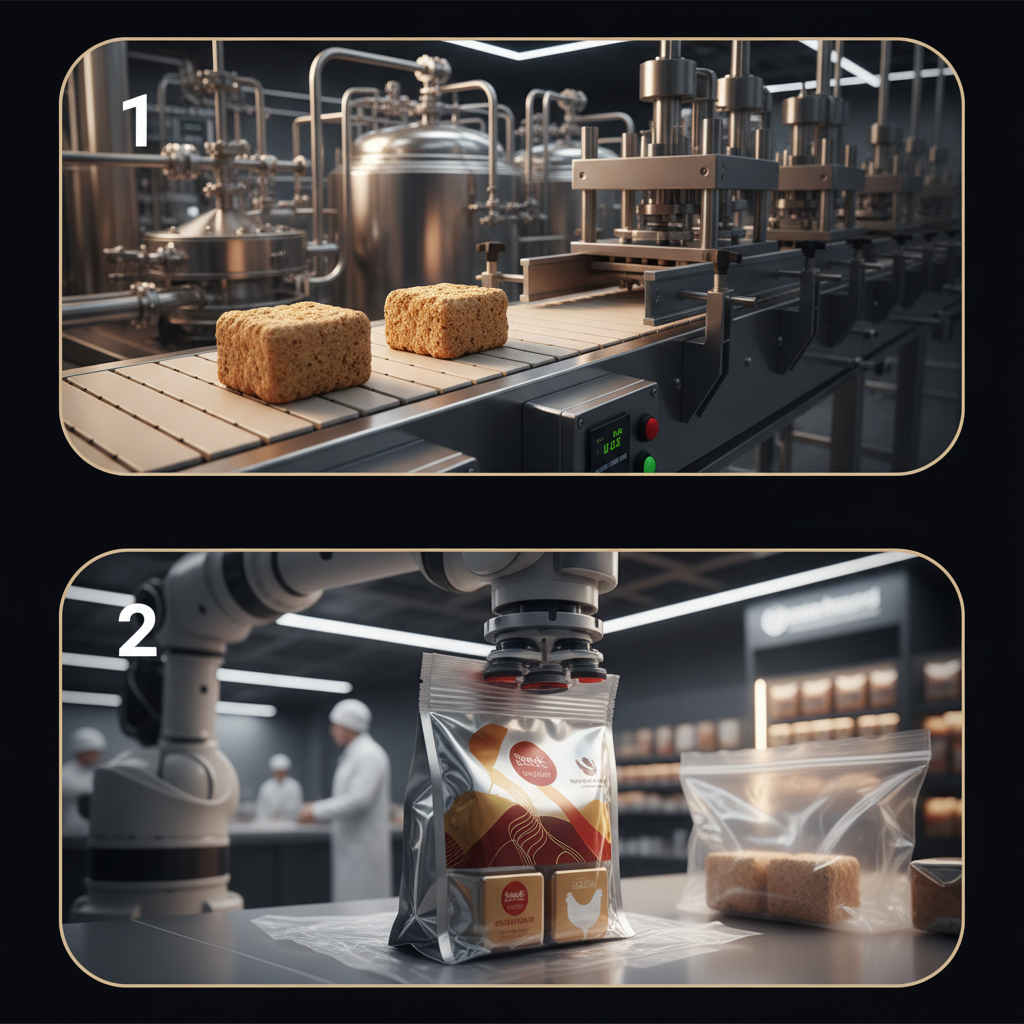
In the competitive landscape of the global food additive industry, the bouillon cube chicken broth stands as a pinnacle of culinary convenience and industrial efficiency. These concentrated flavor enhancers have revolutionized how both home cooks and professional food manufacturers approach seasoning, providing a consistent, savory profile that is difficult to achieve through traditional simmering alone. By condensing essential chicken essences and salts into a stable, portable format, the industry has created a product that bridges the gap between gourmet taste and rapid preparation.
From a commercial perspective, the demand for high-quality bouillon cubes is driven by the rising pace of urban life and the expanding food service sector. The ability to standardize taste across different geographic regions makes bouillon cube chicken broth an indispensable tool for franchise operations and large-scale catering. Furthermore, the integration of advanced dehydration technologies ensures that these cubes retain their aromatic integrity and nutritional value over long shelf lives, reducing waste and lowering logistics costs.
Understanding the nuances of this product—from its chemical composition and stabilization processes to its diverse applications in food additive manufacturing—is crucial for stakeholders aiming to optimize their product lines. Whether it is enhancing the umami profile of a soup or providing a base for complex sauces, the strategic use of concentrated chicken broth cubes allows for unprecedented scalability in food production while maintaining the sensory experiences consumers crave.
Global Market Dynamics of Bouillon Cube Chicken Broth
The global appetite for bouillon cube chicken broth has seen a steady incline, particularly in emerging economies where the transition toward processed convenience foods is accelerating. Market data suggests that the demand for savory seasoning agents is closely linked to the growth of the middle class in Southeast Asia and Africa, where the need for affordable, protein-flavored bases is high. This trend is mirrored by ISO standards for food safety, which have pushed manufacturers to refine their additive blends to meet strict international health guidelines.
However, the industry faces the challenge of balancing "instant" convenience with the growing consumer demand for "clean label" products. Modern consumers are increasingly wary of excessive MSG or artificial preservatives, forcing producers of bouillon cube chicken broth to innovate. The shift toward organic extracts and natural yeast proteins represents a pivotal change in how these products are formulated to remain relevant in a health-conscious global market.
Technical Definition and Compositional Analysis
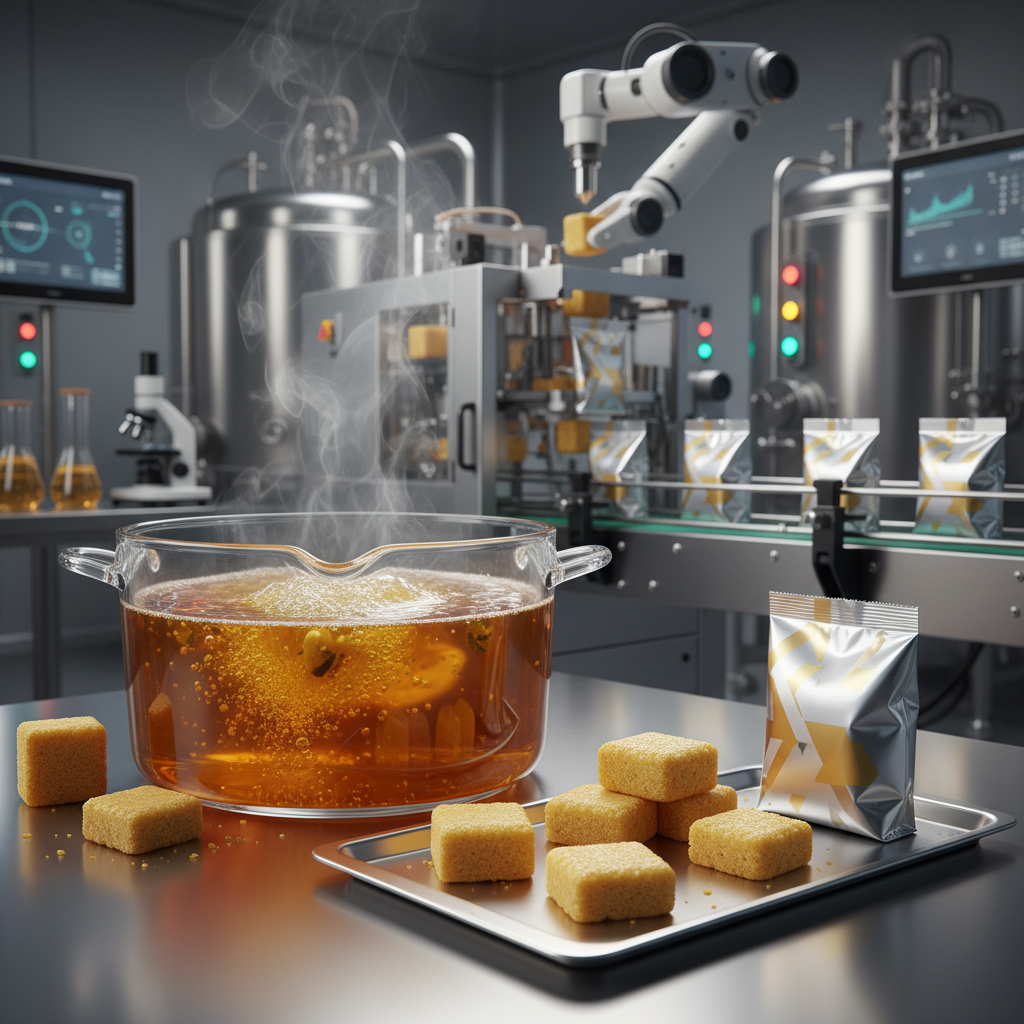
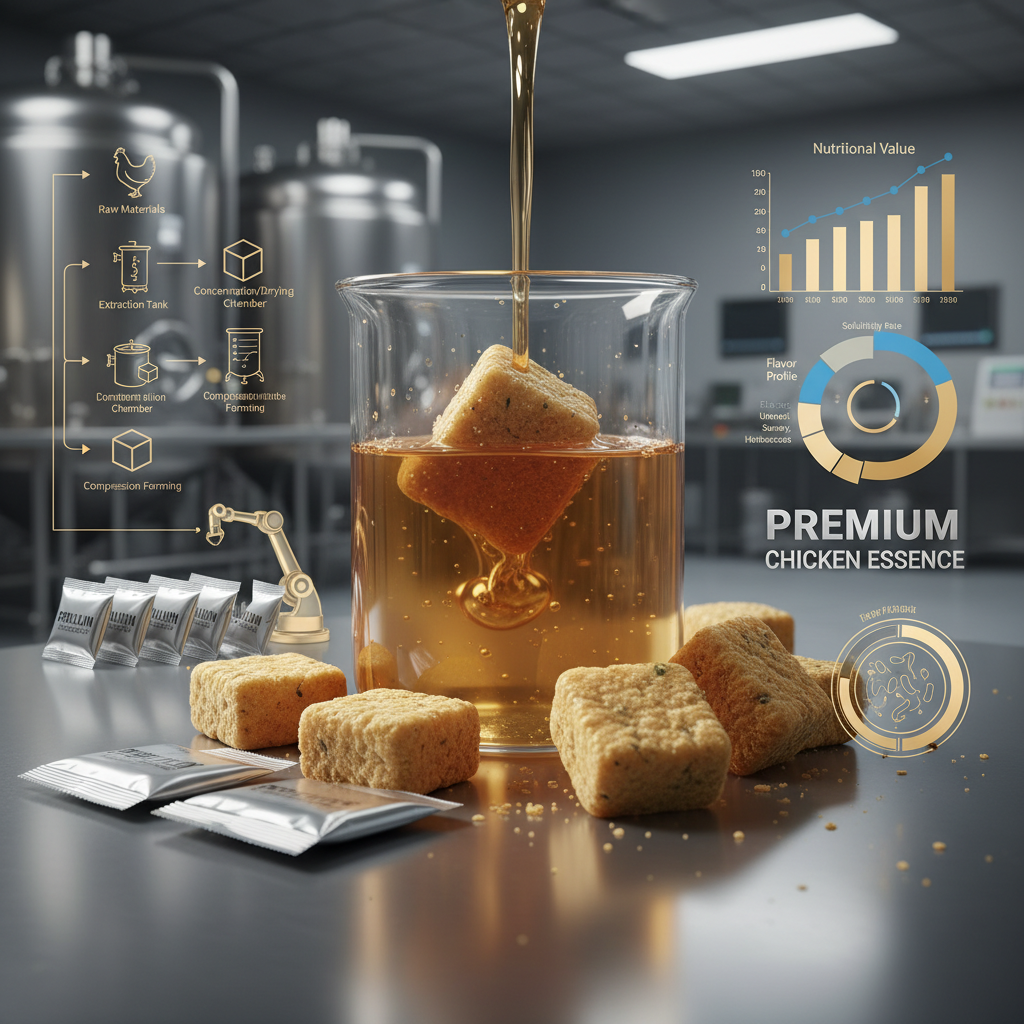
At its core, bouillon cube chicken broth is a dehydrated, concentrated form of chicken stock, enriched with salts, fats, and flavor enhancers. The manufacturing process involves simmering chicken bones and aromatic vegetables, followed by a rigorous evaporation process to concentrate the solutes. This result is then blended with binders and pressed into a precise cubic geometry, ensuring a standardized dosage for the end-user.
From a chemical perspective, the "magic" of the bouillon cube lies in its balance of glutamates and nucleotides, which trigger the umami receptors on the human tongue. The integration of hydrolyzed vegetable proteins (HVP) and maltodextrin helps maintain the structural integrity of the cube while ensuring rapid solubility when introduced to boiling water. This allows for a seamless transition from a solid block to a rich, aromatic liquid.
Beyond mere flavor, these cubes serve a critical humanitarian role in food security. In remote industrial zones or post-disaster relief operations, bouillon cube chicken broth provides a calorie-dense, salt-rich seasoning that makes bland staple grains palatable and nutritious, demonstrating that industrial food additives are not just about luxury, but also about basic survival and dignity.
Core Components for Quality Standardization
The efficacy of bouillon cube chicken broth depends heavily on "Flavor Stability." This ensures that the chicken essence does not degrade during storage or fluctuate between different production batches. Achieving this requires precise control over the water activity (aw) levels, preventing microbial growth without compromising the taste.
"Solubility Speed" is another critical metric for bouillon cube chicken broth. A high-quality cube must dissolve completely within a specific time window without leaving gritty residues. This is managed through the careful selection of anti-caking agents and the optimization of the particle size of the salt and sugar components.
Finally, "Cost Efficiency" drives the industrial appeal of bouillon cube chicken broth. By utilizing spray-drying technology for the chicken extracts, manufacturers can produce thousands of units per hour with minimal waste. This scalability makes it a preferred choice for food additive companies targeting high-volume retail markets.
Industrial Efficiency and Cost-Benefit Analysis
When analyzing the operational impact of implementing bouillon cube chicken broth in commercial kitchens, the primary advantage is the elimination of the "stock-pot" lead time. Traditionally, creating a rich chicken broth takes 8 to 12 hours of simmering; with concentrated cubes, this process is reduced to seconds, drastically lowering labor costs and energy consumption.
Moreover, the storage footprint of bouillon cube chicken broth is negligible compared to liquid concentrates. This allows distributors to maximize shipping container space and reduce refrigeration requirements, directly impacting the bottom line of the supply chain.
Comparative Performance of Chicken Broth Preparation Methods
Diverse Applications Across Global Cuisines
The versatility of bouillon cube chicken broth extends far beyond simple soups. In West African cuisine, for instance, it is a cornerstone for seasoning Jollof rice, where the concentrated salt and umami profile penetrate the grains during the steaming process. In French culinary traditions, a dissolved cube often serves as a quick-start "fond" for deglazing pans and creating pan sauces.
Beyond the kitchen, the food additive industry utilizes bouillon cube chicken broth as a base for creating seasoned salts and dry rubs. By grinding the cubes into a fine powder, manufacturers can incorporate a complex savory profile into snack foods and processed meats, ensuring a consistent "chicken" taste that is recognized globally regardless of the local poultry source.
Long-term Value and Sustainability in Food Tech
The long-term value of bouillon cube chicken broth lies in its ability to democratize flavor. By providing a low-cost entry point to complex savory profiles, it allows small-scale food entrepreneurs in developing regions to produce professional-grade products without investing in expensive industrial simmering equipment.
From a sustainability lens, the shift toward high-concentration cubes reduces the carbon footprint associated with transporting water. Since a single cube replaces a significant volume of liquid broth, the logistics chain becomes leaner, requiring fewer trucks on the road and less packaging material per serving of flavor.
Furthermore, innovation in "clean-label" bouillon cube chicken broth is driving the adoption of sustainable sourcing. Many leading manufacturers are now utilizing upcycled chicken by-products, turning what was once waste into high-value flavor extracts, thus contributing to a circular economy within the meat processing industry.
Future Innovations in Broth Concentration Technology
Looking forward, the production of bouillon cube chicken broth is set to be transformed by freeze-drying and cryo-concentration technologies. Unlike traditional heat-drying, these methods preserve the volatile aromatic compounds of the chicken, resulting in a "near-fresh" taste profile that eliminates the slightly "cooked" note often associated with processed cubes.
Digital transformation is also entering the additive space. AI-driven flavor profiling is being used to analyze regional palate preferences, allowing manufacturers to create localized versions of bouillon cube chicken broth—perhaps with a hint of ginger for Asian markets or smoked paprika for Latin American preferences—all while maintaining the same industrial base.
The ultimate goal is a synergy between automation and health. Future iterations will likely feature "smart-release" coatings that allow the bouillon cube to dissolve at specific temperatures, enabling its use in precision-cooked sous-vide applications or automated vending systems.
Analysis of Production Technologies for Bouillon Cube Chicken Broth
| Technology Type |
Flavor Retention |
Production Cost |
Market Segment |
| Spray Drying |
Medium (6/10) |
Low |
Mass Market Retail |
| Freeze Drying |
Very High (10/10) |
High |
Premium Organic |
| Vacuum Evaporation |
High (8/10) |
Medium |
HORECA/Professional |
| Drum Drying |
Low (4/10) |
Very Low |
Budget/Institutional |
| Cryo-Concentration |
Extreme (9/10) |
Very High |
Specialty Gourmet |
| Hybrid Thermal |
Medium (7/10) |
Medium |
General Commercial |
FAQS
The primary difference is concentration and stability. A bouillon cube chicken broth is a dehydrated product where water has been removed and salts/binders added to ensure a long shelf life without refrigeration. Liquid stock is fresh, contains high water content, and requires cold storage, whereas cubes offer unparalleled convenience and consistency for industrial and home use.
Yes, they are ideal. Because bouillon cube chicken broth is standardized, it eliminates the variance found in natural stock. This allows manufacturers to ensure that every batch of soup or sauce tastes exactly the same, regardless of where in the world it is produced, making it a staple in the food additive sector.
To achieve a clean label, focus on replacing monosodium glutamate (MSG) with natural yeast extracts and using organic sea salt instead of refined table salt. Additionally, avoiding artificial dyes (like Yellow 5) and using turmeric or paprika for color will make your bouillon cube chicken broth more appealing to modern consumers.
Depending on the packaging and moisture control, most commercial bouillon cube chicken broth products have a shelf life of 12 to 24 months. When stored in a cool, dry place and sealed in foil or plastic, the low water activity prevents oxidation and spoilage.
While traditional bouillon contains chicken extract, the technology used to make bouillon cube chicken broth can be adapted. By substituting animal proteins with hydrolyzed soy or pea proteins and adding specific aromatic yeast extracts, manufacturers can create "chicken-style" cubes that are entirely plant-based but maintain the same savory profile.
Optimizing dissolution in colder temperatures requires a finer grind of the crystalline components and the addition of specific emulsifiers. However, for most bouillon cube chicken broth products, the most efficient way to dissolve them is by adding them to simmering water to trigger the rapid breakdown of the fat-and-salt matrix.
Conclusion
The bouillon cube chicken broth represents a masterful intersection of food chemistry and consumer psychology. By condensing the complex, savory essence of chicken into a stable and scalable format, the industry has provided a tool that enhances culinary efficiency, reduces logistical waste, and ensures flavor consistency on a global scale. From the precise balance of umami-triggering glutamates to the industrial advantages of spray-drying and vacuum evaporation, the bouillon cube is more than a simple convenience—it is a sophisticated food additive that supports both luxury dining and humanitarian aid.
Looking ahead, the evolution of this product will be defined by the pursuit of "naturalness" and the adoption of high-precision dehydration technologies. As consumers demand transparency and health, the transition toward clean-label formulations and sustainable, upcycled ingredients will be paramount. For manufacturers and distributors, the opportunity lies in blending these traditional savory foundations with modern nutritional science to create a product that is not only convenient but also contributes to a healthier, more sustainable global food system. Visit our website for more professional insights: www.chinaseasoning.com