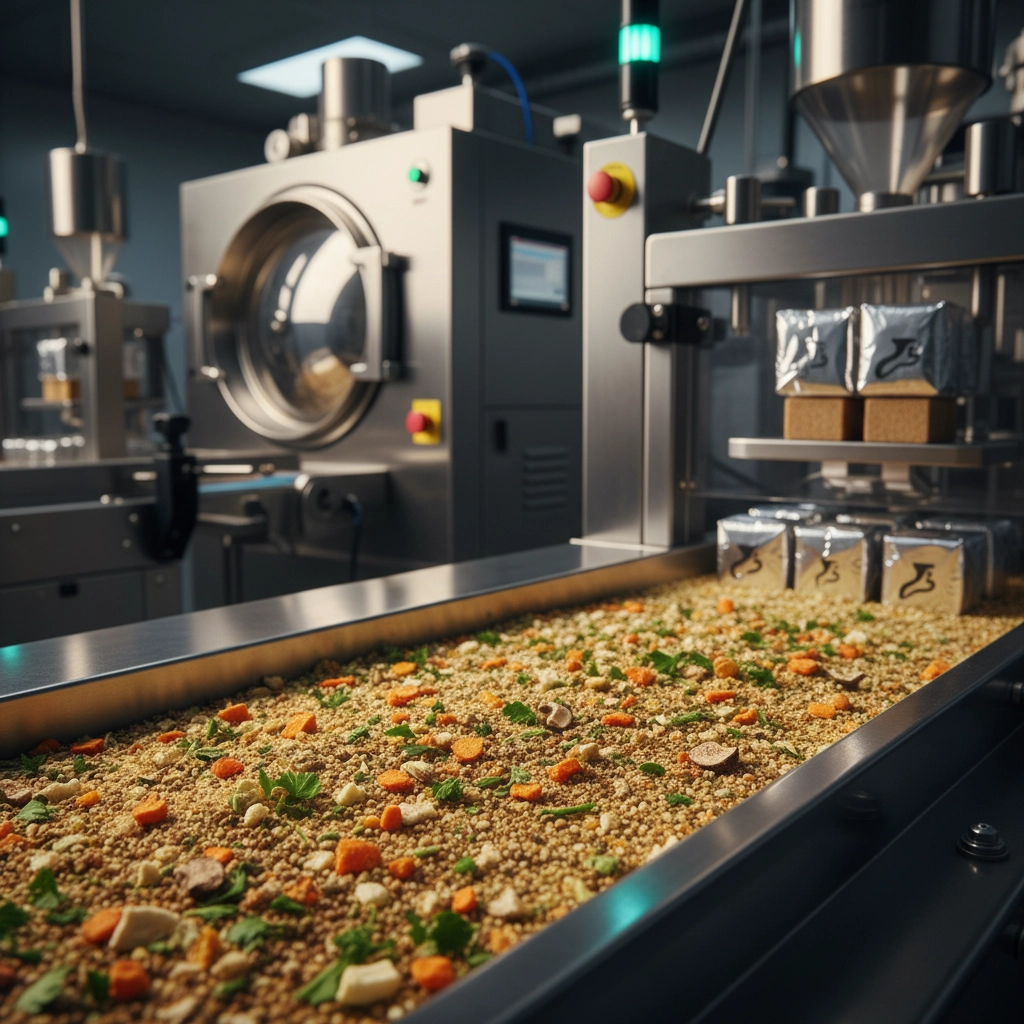
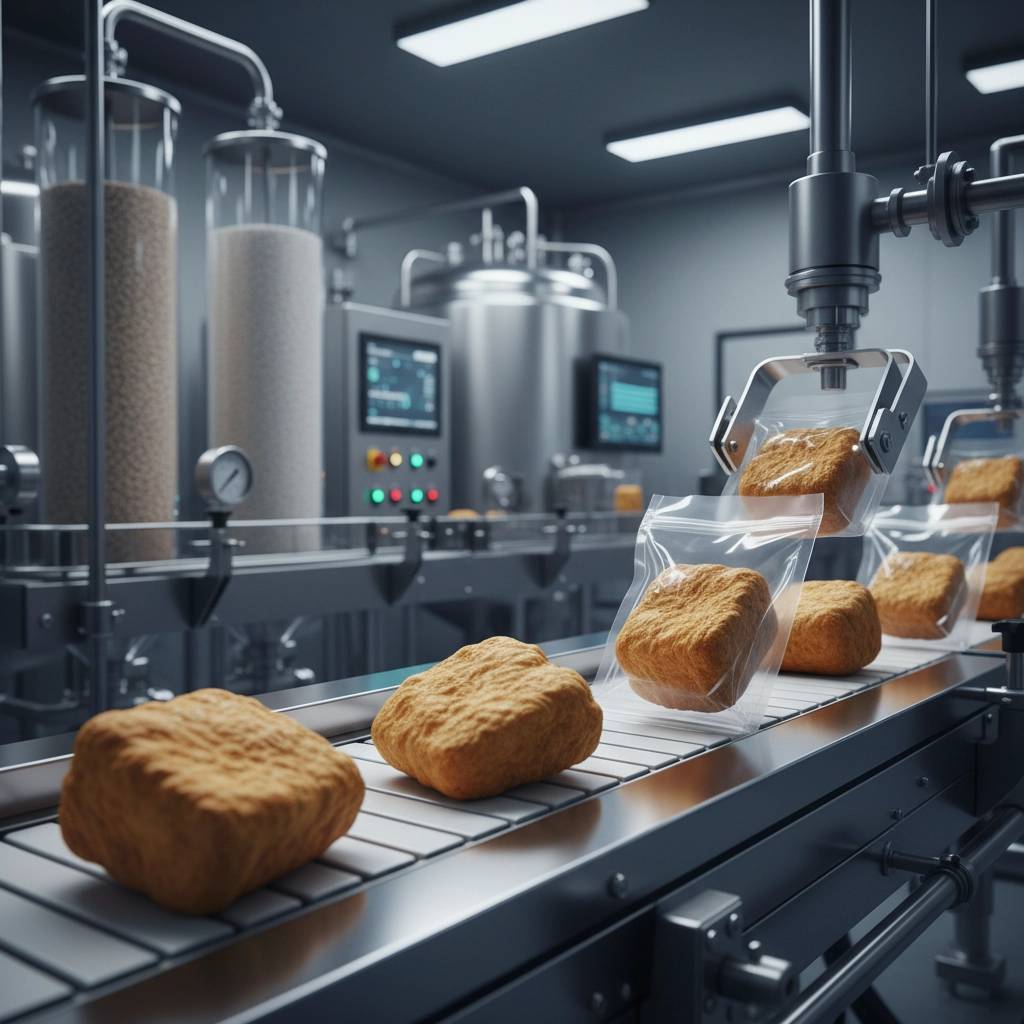
The global food industry relies heavily on flavor enhancement to meet the diverse palates of consumers worldwide. Among the most influential ingredients is glutamic acid msg, a compound that unlocks the savory "umami" profile essential for creating satisfying, deeply flavored products. Understanding its role is crucial for manufacturers seeking to balance taste, cost, and nutritional value in modern food formulation.
Beyond simple seasoning, the application of glutamic acid msg spans multiple sectors, including animal nutrition and pharmaceutical intermediates. Its ability to stimulate appetite and enhance the perceived quality of proteins makes it an indispensable tool for optimizing feed efficiency in livestock and improving the palatability of medical-grade nutritional supplements.
As the industry shifts toward cleaner labels and sustainable sourcing, the production and use of glutamic acid msg have evolved. By utilizing advanced fermentation processes, manufacturers can now provide high-purity additives that adhere to strict international safety standards, ensuring that this powerful flavor enhancer continues to drive innovation in the global food and feed markets.
Global Industry Relevance of Glutamic Acid MSG
On a global scale, glutamic acid msg represents one of the most widely utilized food additives, bridging the gap between industrial food production and authentic taste. Data from global trade organizations suggest a steady increase in demand, particularly in emerging markets where processed foods and convenient meal solutions are becoming the norm. The challenge for the industry has always been to maintain consistency in taste while reducing the reliance on excessive sodium.
By integrating this additive, manufacturers can significantly reduce total salt content without sacrificing the savory profile that consumers crave. This shift is not only a matter of taste but also a response to global health initiatives promoted by organizations like the WHO, which aim to lower sodium intake to combat hypertension and cardiovascular diseases. Consequently, the strategic use of glutamic acid msg has become a tool for healthier food engineering.
Understanding the Definition and Meaning of MSG
In simple technical terms, glutamic acid msg is the sodium salt of glutamic acid, an amino acid found naturally in many foods like tomatoes, aged cheeses, and mushrooms. When dissolved, it releases glutamate, which binds to specific receptors on the tongue to trigger the sensation of "umami"—the fifth basic taste. This biochemical reaction is what provides the depth and richness associated with high-quality broths and savory snacks.
From an industrial perspective, it is far more than a seasoning; it is a precision tool used to standardize flavor profiles across millions of units of production. Whether it is used in a food additive capacity or as a precursor in pharmaceutical intermediates, the purity and crystallization of the compound determine its effectiveness and stability during processing.
The humanitarian and social relevance of glutamic acid msg also extends to food security. By enhancing the palatability of low-cost protein sources—such as soy-based meats or fortified grains—it helps make nutritious food more appealing to populations in food-insecure regions, ensuring that essential calories are consumed and enjoyed.
Core Components for High-Quality Production
To achieve premium grade glutamic acid msg, manufacturers focus on "Purity and Crystallization." The ability to produce a clear, odorless, and highly soluble crystal ensures that the additive integrates seamlessly into liquid and powder bases without altering the texture or appearance of the final product.
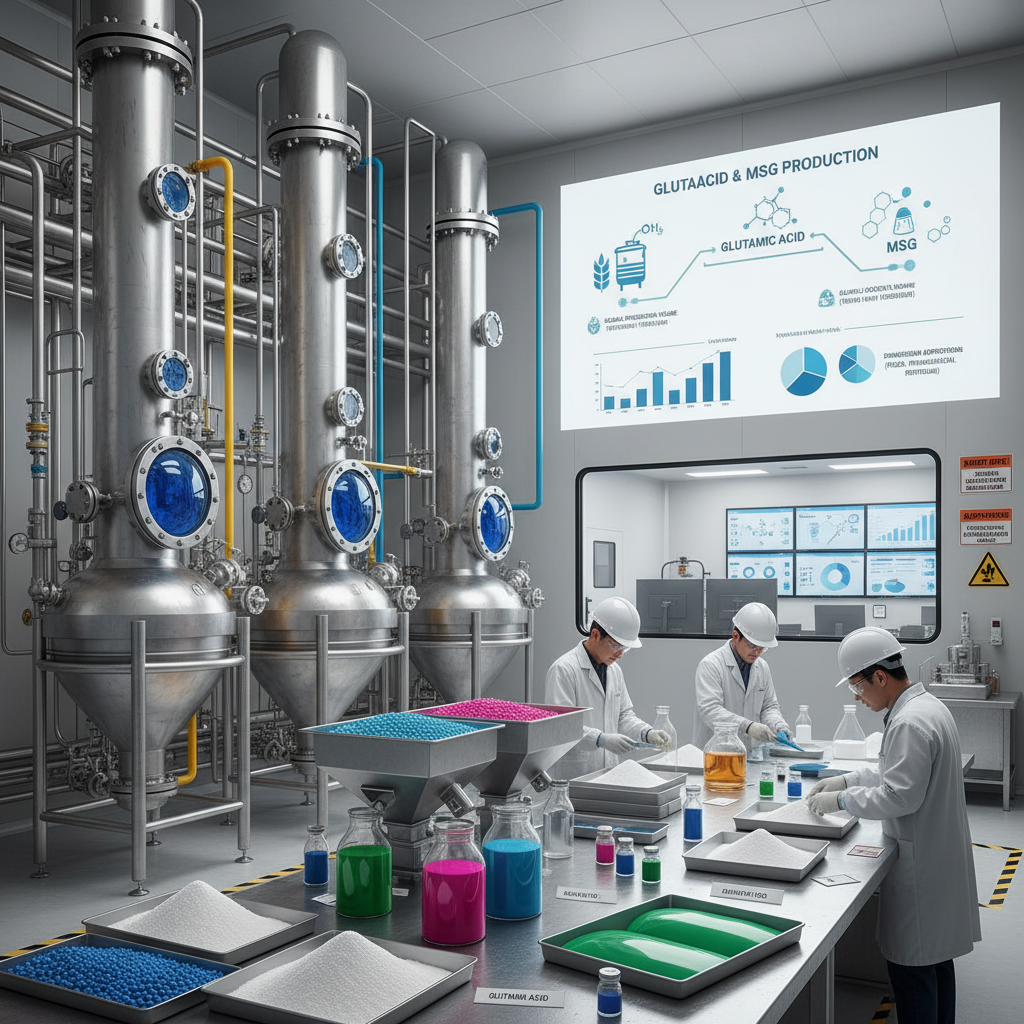
"Fermentation Precision" is another critical factor. Modern production utilizes high-efficiency strains of Corynebacterium glutamicum. By optimizing the carbon source—often using sugarcane or corn syrup—manufacturers can maximize the yield of glutamic acid msg while minimizing waste, aligning industrial output with ecological constraints.
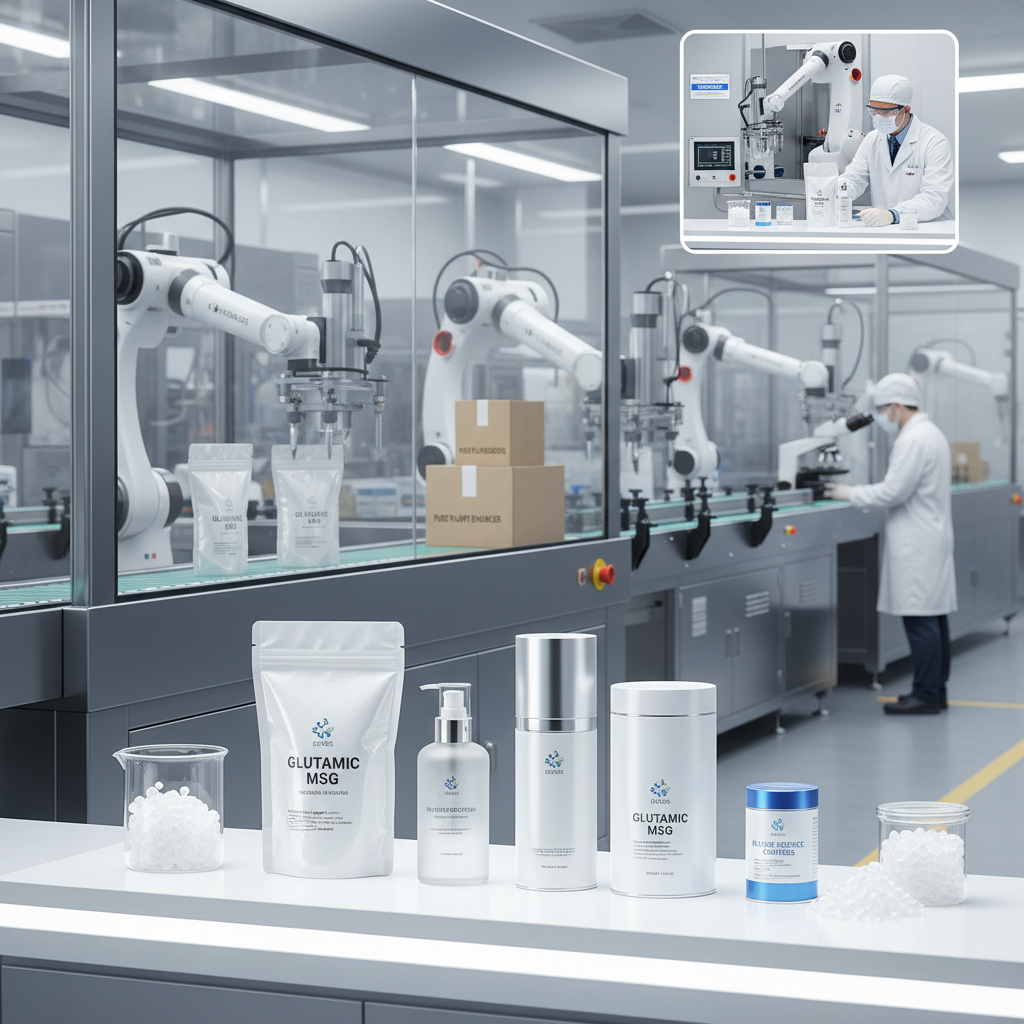
Finally, "Stability and Scalability" ensure that the additive maintains its potency throughout the supply chain. From moisture-resistant packaging to optimized particle size distribution, every detail is designed to prevent caking and ensure that the glutamic acid msg performs consistently whether it is used in a small kitchen or a massive industrial processing plant.
Technical Performance and Efficiency Metrics
Evaluating the effectiveness of glutamic acid msg involves analyzing its synergy with other ingredients. When combined with nucleotides like IMP or GMP, the umami effect is multiplied, allowing for a lower total dosage to achieve the same sensory impact. This synergy is a key focus for R&D teams specializing in food additives and feed supplements.
Furthermore, the cost-efficiency of using glutamic acid msg is unmatched. Compared to extracting natural glutamates from expensive raw materials, the fermentation-based production offers a sustainable and scalable alternative that keeps consumer prices stable while maintaining high gastronomic standards.
Comparative Efficiency of Glutamic Acid MSG Variants
Global Applications and Multi-Sector Use Cases
In the food industry, glutamic acid msg is ubiquitous, appearing in everything from instant noodles and canned soups to savory snacks and condiments. In Asia, it is a cornerstone of culinary tradition, while in Western markets, it is increasingly used in "hidden" applications, such as processed meats and frozen dinners, to enhance flavor profiles without adding bulk.
Beyond the plate, the application extends to animal feed additives. By adding glutamic acid msg to livestock feed, producers can improve the palatability of the feed, encouraging higher intake and better growth rates in piglets and calves. This efficiency reduces the time to market and optimizes the use of other expensive nutrients in the feed mix.
Long-Term Value and Economic Advantages
The long-term value of glutamic acid msg lies in its ability to democratize high-quality taste. By providing a reliable and affordable way to achieve savory depths, it allows smaller food producers to compete with global brands, fostering innovation in local food markets and diverse culinary expressions.
From a business logic perspective, the reliability of the supply chain for glutamic acid msg minimizes risk for manufacturers. Unlike natural extracts, which can vary wildly in quality based on harvest conditions, fermented MSG offers a standardized chemical profile, ensuring that a product tastes the same in New York as it does in Tokyo.
Furthermore, the social impact of utilizing glutamic acid msg is seen in its role in reducing food waste. By making less-desirable but nutritious ingredients more palatable, it helps in the creation of sustainable food products that utilize by-products of other agricultural processes, turning waste into value.
Future Trends and Sustainable Innovations
The future of glutamic acid msg is inextricably linked to green chemistry. We are seeing a move toward "Circular Fermentation," where the waste streams from other food processes are used as the feedstock for MSG production. This not only lowers the carbon footprint but also reduces the pressure on land used for primary crops like corn and sugarcane.
Digital transformation is also playing a role. AI-driven fermentation monitoring allows producers to adjust temperature and nutrient flow in real-time, maximizing the purity of glutamic acid msg and reducing energy consumption. This precision manufacturing is essential for meeting the stringent requirements of the pharmaceutical intermediates market.
Lastly, there is a growing trend toward "Clean Label" versions of glutamic acid msg, where the product is marketed as "yeast extract" or "hydrolyzed vegetable protein." This transition reflects a shift in consumer psychology, where the functional benefits of the additive are maintained while the terminology is adjusted to align with natural-food trends.
Comparative Analysis of Glutamic Acid MSG Production and Application Standards
|
Application Sector
|
Purity Requirement
|
Primary Benefit
|
Sustainability Score (1-10)
|
| Food Additive |
High (Food Grade) |
Umami Enhancement |
8 |
| Animal Feed |
Standard (Feed Grade) |
Appetite Stimulation |
9 |
| Pharmaceuticals |
Ultra-High (Pharma Grade) |
Chemical Intermediate |
7 |
| Condiments |
High (Food Grade) |
Sodium Reduction |
8 |
| Processed Meats |
Medium-High |
Moisture Retention/Taste |
6 |
| Nutritional Supplements |
Ultra-High |
Flavor Masking |
7 |
FAQS
Yes, glutamic acid msg is widely recognized as safe (GRAS) by international health authorities, including the FDA and EFSA. Glutamate is a naturally occurring amino acid in our bodies and in many common foods. When used in moderation as a flavor enhancer, it does not pose a health risk to the general population, and its ability to reduce sodium intake can actually provide cardiovascular benefits.
Chemically, there is no difference. The glutamate released by glutamic acid msg when it dissolves is identical to the glutamate found in a ripe tomato or a piece of parmesan cheese. The only difference is the concentration and the source—industrial MSG is produced via fermentation for consistency, whereas natural glutamates vary based on the biological source.
Absolutely. In the feed industry, glutamic acid msg is used to improve palatability and stimulate appetite, particularly in young animals. It supports the overall nutritional profile by providing an essential amino acid precursor, which can lead to better weight gain and improved feed conversion ratios without adverse health effects.
Because glutamic acid msg is hygroscopic (it absorbs moisture from the air), it should be stored in airtight, moisture-proof containers in a cool, dry environment. Industrial-grade packaging often includes polyethylene liners to ensure the crystals remain free-flowing, which is critical for automated dosing systems in food manufacturing.
Modern fermentation uses renewable agricultural substrates like molasses or corn starch. This is far more sustainable than older chemical synthesis methods. Additionally, the byproduct of MSG fermentation can often be processed into organic fertilizers, creating a closed-loop system that reduces industrial waste and supports regenerative agriculture.
Glutamic acid serves as a versatile chiral building block in organic synthesis. Because pharmaceutical-grade glutamic acid msg is produced with high optical purity, it is used to synthesize various medications, including those targeting the central nervous system and specific cardiovascular treatments, where precise molecular structure is mandatory.
Conclusion
In summary, glutamic acid msg is a powerhouse of the modern food and additive industry, offering an unparalleled combination of flavor enhancement, cost-efficiency, and versatility. From its critical role in reducing sodium levels in processed foods to its application in enhancing livestock growth and serving as a pharmaceutical precursor, it is a compound that balances scientific precision with commercial practicality. By focusing on high purity and sustainable fermentation, the industry ensures that the benefits of umami are accessible and safe for a global population.
Looking ahead, the evolution of glutamic acid msg will be driven by green chemistry and digital precision. As manufacturers transition toward circular economy models and AI-optimized production, the value of this additive will only increase. For businesses looking to optimize their product profiles, investing in high-quality, sustainably sourced additives is no longer just an option—it is a strategic necessity for long-term competitiveness in a health-conscious market. Visit our website for more professional solutions: www.chinaseasoning.com