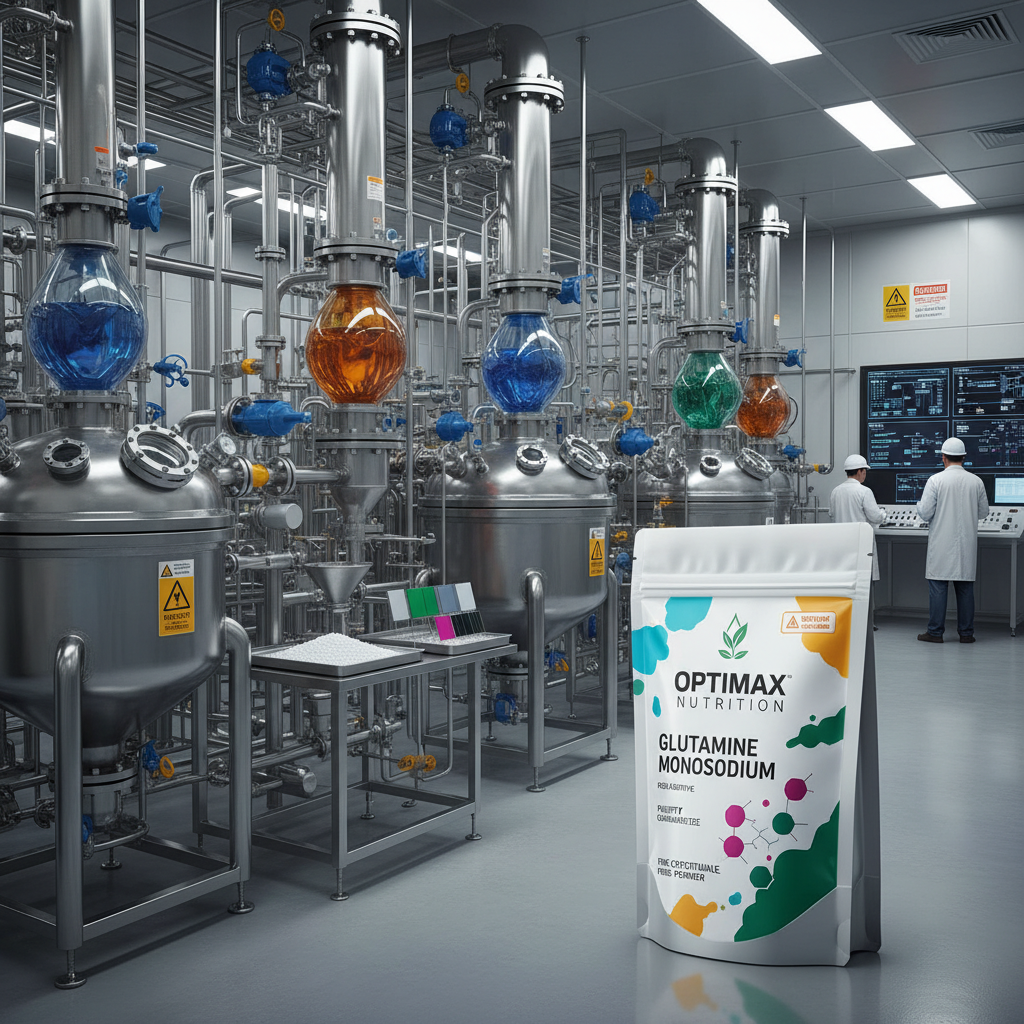
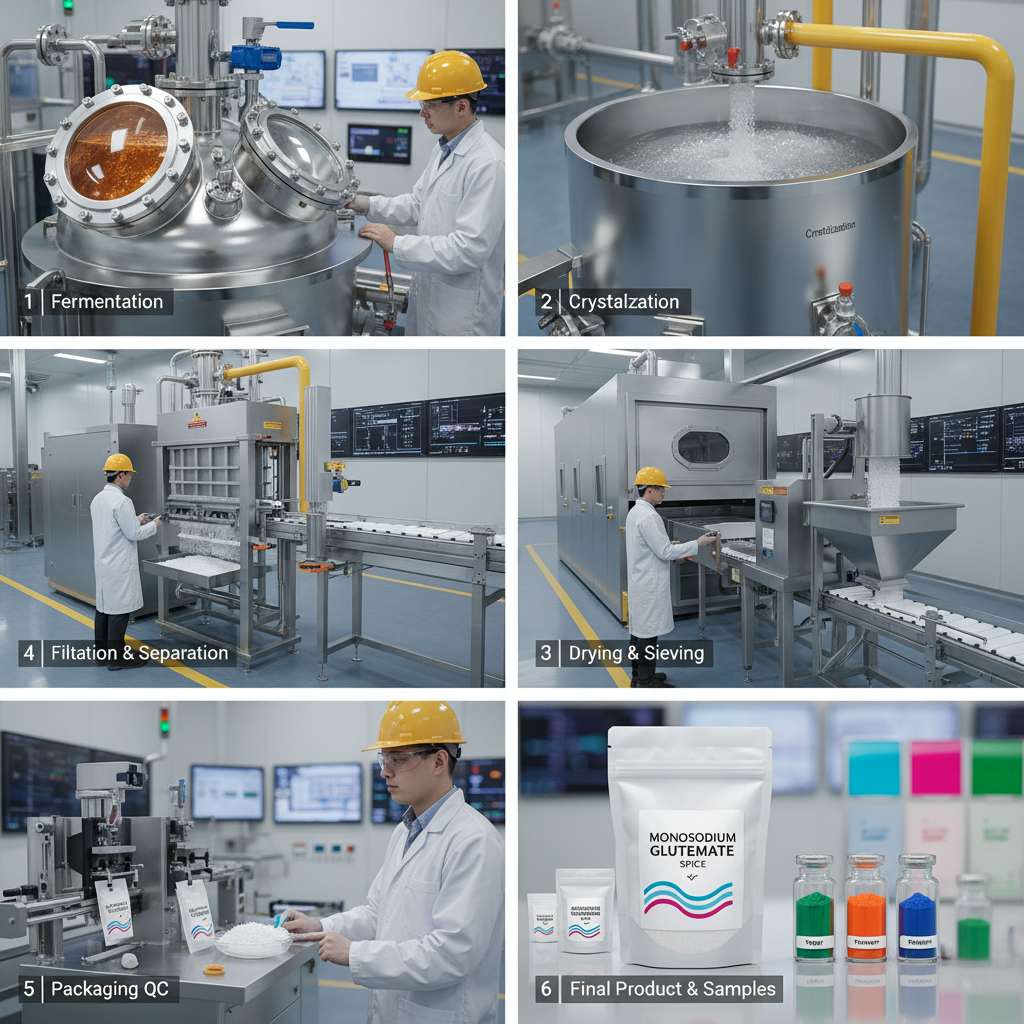
In the complex landscape of modern nutritional science and industrial biochemistry, glutamine monosodium emerges as a pivotal compound. As a stabilized form of L-glutamine, it plays a critical role in enhancing bioavailability and stability across various applications, ranging from advanced pharmaceutical intermediates to specialized food and feed additives. Understanding its chemical properties and functional utility is essential for manufacturers aiming to optimize product efficacy and shelf-life in a competitive global market.
Globally, the demand for high-purity amino acid derivatives has surged as the health and wellness sectors shift toward precision nutrition. The integration of glutamine monosodium into diverse formulations addresses the inherent instability of standard glutamine, which often degrades during processing. This evolution in additive technology allows for more consistent delivery of essential nutrients, supporting metabolic health and cellular recovery on a massive industrial scale.
By exploring the technical nuances and commercial advantages of this compound, stakeholders in the food and pharmaceutical industries can unlock new opportunities for product innovation. Whether it is enhancing the resilience of livestock through high-grade feed additives or developing specialized medical nutrition, the strategic application of glutamine monosodium provides a tangible edge in quality control and biological performance.
Global Industrial Context of Glutamine Monosodium
The global market for amino acid derivatives is currently undergoing a paradigm shift, with glutamine monosodium sitting at the intersection of nutrition and biotechnology. According to industry trends observed in ISO-certified manufacturing hubs, the push for "clean label" additives that maintain high stability under extreme temperature or pH conditions has made this compound indispensable. The challenge has always been the rapid degradation of L-glutamine into pyroglutamate; however, the monosodium salt form effectively mitigates this risk, ensuring the nutrient remains active throughout the supply chain.
From a macroeconomic perspective, the rise of aquaculture and intensive livestock farming in Asia and South America has driven an unprecedented demand for high-efficiency feed additives. By utilizing glutamine monosodium, producers can significantly reduce waste and improve the absorption rates of critical nitrogen sources in animal diets. This not only optimizes growth cycles but also aligns with global sustainability goals by reducing the environmental footprint of nitrogenous waste in industrial farming.
Definition and Chemical Significance of Glutamine Monosodium
In its simplest terms, glutamine monosodium is the sodium salt of L-glutamine, an amino acid that serves as a primary fuel source for cells of the immune system, the intestinal lining, and various organs. While glutamine is naturally occurring, its free-form state is notoriously unstable in aqueous solutions. The addition of a sodium ion creates a salt structure that enhances its solubility and protects the amide group from premature hydrolysis, making it a superior choice for industrial formulation.
The chemical significance of this modification extends beyond mere stability. In the realm of pharmaceutical intermediates, the sodium salt form allows for more precise dosing and easier incorporation into intravenous or oral delivery systems. This is particularly crucial in humanitarian aid and medical contexts, where rapid nutrient replenishment is required for patients suffering from severe gastrointestinal trauma or malnutrition, as the compound can be absorbed more efficiently by the gut mucosa.
Furthermore, the role of glutamine monosodium in the food industry transcends basic nutrition. It acts as a precursor for other essential metabolites and contributes to the overall organoleptic profile of processed foods. By bridging the gap between biological necessity and industrial feasibility, this compound ensures that the functional benefits of glutamine are delivered consistently, regardless of the complexity of the final product's manufacturing process.
Core Components and Stability Factors
The efficacy of glutamine monosodium is primarily determined by its purity levels and the precision of its salt formation. High-grade industrial production focuses on minimizing heavy metal contamination and ensuring a strict molecular weight distribution. When these core components are balanced, the resulting powder exhibits superior flowability, which is a critical factor for automated dosing systems in large-scale feed and food factories.
Stability is the hallmark of glutamine monosodium. Unlike standard glutamine, which is prone to cyclization in humid environments, the monosodium salt exhibits a higher resistance to moisture-induced degradation. This ensures that the active amino acid content remains stable even during transcontinental shipping or long-term storage in non-climate-controlled warehouses, providing a reliable safety margin for global distributors.
Another key factor is the scalability of the synthesis process. Modern manufacturing employs enzymatic catalysis or refined chemical precipitation to ensure that glutamine monosodium can be produced in multi-ton batches without losing batch-to-batch consistency. This scalability allows for cost-efficient integration into mass-market products, from budget-friendly livestock supplements to high-end pharmaceutical-grade nutrition.
Practical Application Metrics and Performance
To evaluate the performance of glutamine monosodium, industry experts typically look at absorption rates, metabolic conversion efficiency, and stability under heat stress. In comparative trials, the sodium salt form consistently outperforms the free amino acid in terms of retention during extrusion processes common in pet food and aquafeed production. This ensures that the end-user—whether a human or an animal—receives the full intended dose of the nutrient.
Moreover, the cost-efficiency of glutamine monosodium is measured by the "effective dose per unit cost." Because of its higher stability and bioavailability, lower quantities are often required to achieve the same biological outcome as larger quantities of unstable alternatives, thereby reducing the overall raw material expenditure for manufacturers.
Comparative Performance Ratings of Glutamine Monosodium Formulations
Global Use Cases in Food and Feed Industries
In the global food industry, glutamine monosodium is frequently utilized in the development of specialized medical foods and sports nutrition supplements. In Europe and North America, it is a staple in "recovery blends" designed for athletes, where it aids in muscle repair and glycogen synthesis. Its high solubility allows it to be seamlessly mixed into clear beverages without altering the taste profile or creating unwanted precipitates.
In the agricultural sector, particularly in Southeast Asia's shrimp and fish farming industries, the compound is used to strengthen the intestinal mucosal barrier of aquatic species. By integrating glutamine monosodium into feed, farmers can reduce the reliance on antibiotics, as the animals' natural immune defenses are bolstered. This application is a prime example of how a chemical additive can drive both economic profit and ecological sustainability.
Long-Term Value and Sustainability Benefits
The long-term value of adopting glutamine monosodium lies in its ability to reduce resource waste. In traditional nutrient supplementation, a significant percentage of the active ingredient is lost during processing or digestion. By using a stabilized salt, manufacturers ensure that a higher percentage of the compound reaches the target biological system, thereby maximizing the ROI on raw material procurement.
From a social impact perspective, the availability of stable, pharmaceutical-grade glutamine monosodium is vital for disaster relief operations. In regions where cold-chain logistics are non-existent, the stability of this compound allows NGOs to deliver life-saving nutritional support in the form of powdered supplements that do not degrade in tropical heat, upholding the dignity and health of vulnerable populations.
Moreover, the move toward enzymatic synthesis of glutamine monosodium aligns with "Green Chemistry" principles. By reducing the use of harsh solvents and lowering energy consumption during production, the industry is transforming a dry chemical process into a sustainable biological cycle. This evolution fosters trust with consumers who are increasingly demanding transparency and eco-friendliness in their food and supplement chains.
Future Innovations and Industry Challenges
Looking ahead, the integration of digital transformation and AI-driven formulation is set to optimize the use of glutamine monosodium. Precision agriculture and personalized nutrition will allow for the dynamic adjustment of glutamine levels based on real-time biological data, ensuring that dosage is perfectly tailored to the needs of the organism. We anticipate a rise in "nano-encapsulated" versions of the salt to further extend its release profile in the digestive tract.
However, the industry still faces challenges, particularly regarding the standardization of purity across different global regulatory frameworks. Discrepancies between FDA, EFSA, and other regional bodies can complicate the international trade of glutamine monosodium. Establishing a unified global standard for "pharmaceutical-grade" versus "feed-grade" will be essential for smoothing the supply chain and ensuring consumer safety.
Despite these hurdles, the trend is leaning toward increased automation in the synthesis process. By implementing continuous flow chemistry and real-time monitoring, manufacturers can produce glutamine monosodium with nearly zero variance. This shift not only lowers costs but also eliminates the risk of human error, paving the way for a new era of high-precision biochemical additives.
Analysis of Glutamine Monosodium Technical Specifications and Application Tiers
| Application Tier |
Purity Requirement |
Primary Function |
Stability Index (1-10) |
| Pharmaceutical Grade |
> 99.5% |
Clinical Recovery/IV |
10 |
| Medical Food Grade |
> 98.0% |
Gut Mucosa Support |
9 |
| Sports Nutrition |
> 95.0% |
Muscle Protein Synthesis |
8 |
| Premium Aquafeed |
> 90.0% |
Immune Response/Growth |
8 |
| Livestock Feed |
> 85.0% |
Nitrogen Balance |
7 |
| Industrial Intermediate |
Variable |
Chemical Synthesis Base |
9 |
FAQS
The primary advantage is stability. Standard L-glutamine is highly susceptible to hydrolysis and cyclization, especially in liquid forms or humid conditions. glutamine monosodium, being a salt, protects the chemical structure, significantly increasing its shelf-life and ensuring that the active nutrient reaches the target organism without degrading into inactive pyroglutamate.
Yes, it is generally recognized as safe (GRAS) when used within recommended dosage levels. In fact, it often improves livestock health by supporting the intestinal barrier, which can reduce the need for medicinal interventions. However, as with any additive, manufacturers should adhere to regional regulatory guidelines regarding maximum inclusion rates to maintain optimal metabolic balance.
glutamine monosodium is designed to be relatively neutral in flavor. Unlike some other salts or amino acids that can introduce bitterness or strong metallic notes, it integrates well into a variety of food matrices. This makes it an ideal choice for clear drinks, supplements, and specialized medical nutrition where taste compliance is critical for patient adherence.
Yes, provided it is manufactured to pharmaceutical purity standards. Its enhanced solubility makes it an excellent candidate for parenteral nutrition. Because it is more stable in solution than free glutamine, it minimizes the risk of degradation during the sterilization and filling processes, ensuring the patient receives a potent and safe dose.
While it is significantly more stable than free glutamine, it is still recommended to store glutamine monosodium in a cool, dry place in airtight containers. This prevents any potential moisture absorption (hygroscopy) and maintains the powder's flowability, ensuring it remains easy to dose in automated industrial environments.
Importing requires a thorough understanding of the destination country's customs and health regulations. Companies should ensure that the supplier provides a complete Certificate of Analysis (CoA), MSDS, and ISO certifications. Working with an experienced distributor who understands the specific classification of amino acid salts can help avoid delays and ensure compliance with food and drug administration laws.
Conclusion
In summary, glutamine monosodium represents a critical advancement in the field of nutrient stability and delivery. By overcoming the inherent fragility of L-glutamine, this compound provides indispensable value across the food, feed, and pharmaceutical sectors. Its ability to maintain high bioavailability, resist degradation during industrial processing, and support critical biological functions makes it a cornerstone of modern biochemical additive strategies.
Looking forward, the continued adoption of sustainable synthesis methods and the integration of precision dosing will further solidify the role of glutamine monosodium in the global supply chain. For manufacturers and distributors, investing in high-purity, stable amino acid derivatives is not just a matter of quality control, but a strategic move toward long-term innovation and market leadership. Visit our website: www.chinaseasoning.com