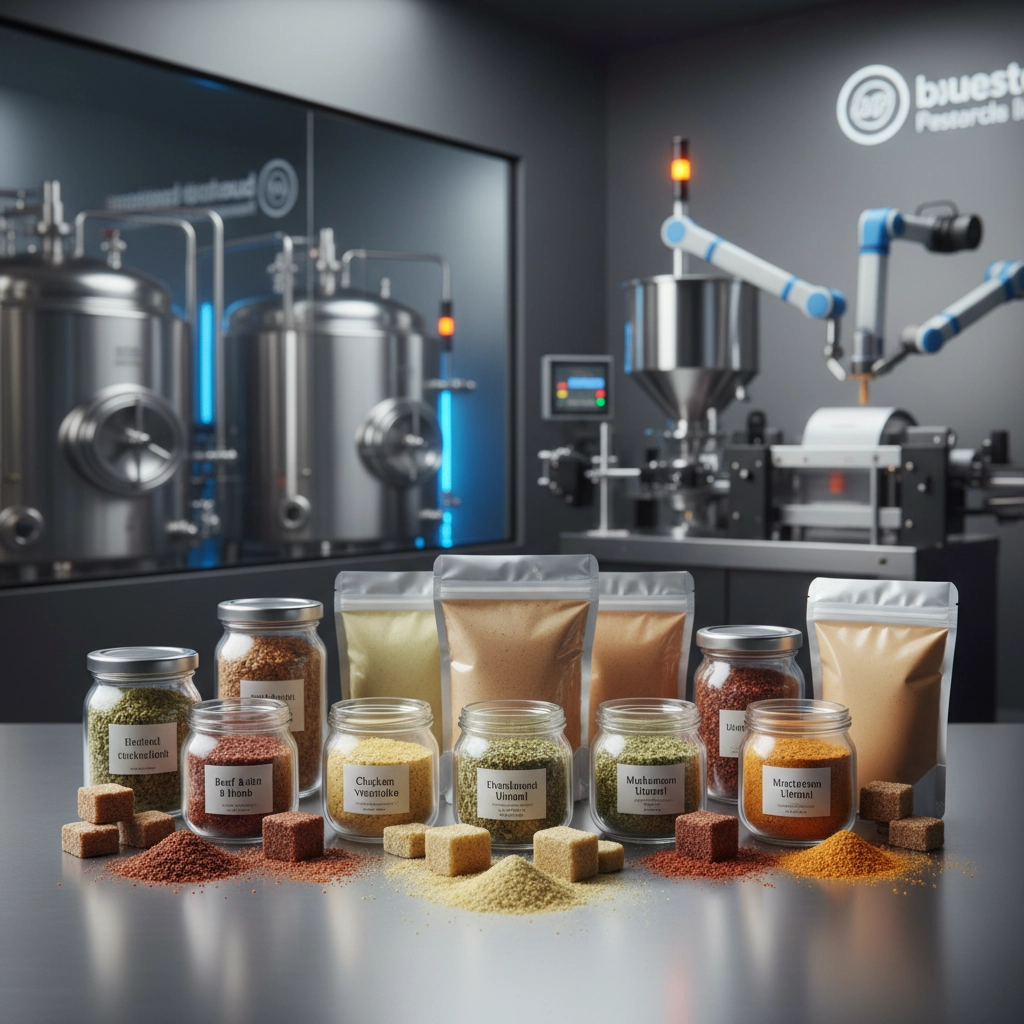
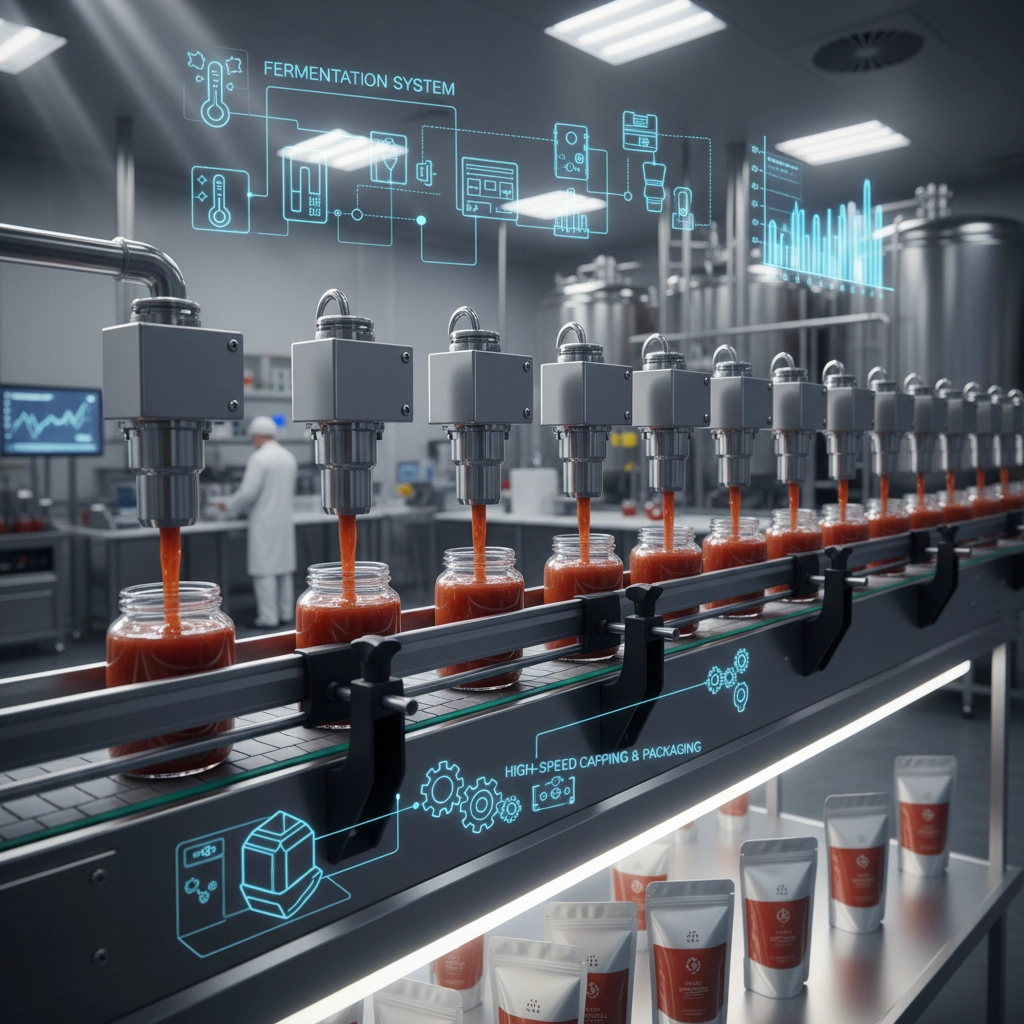
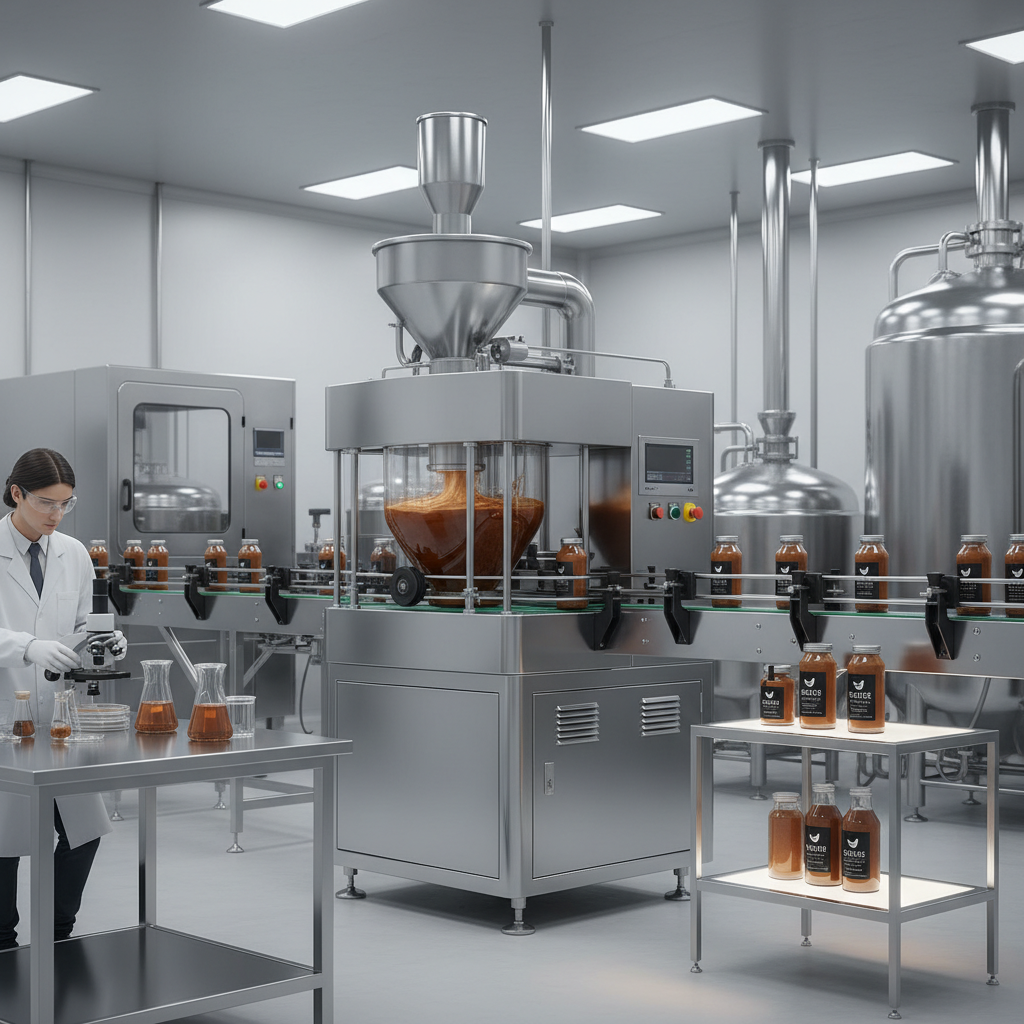
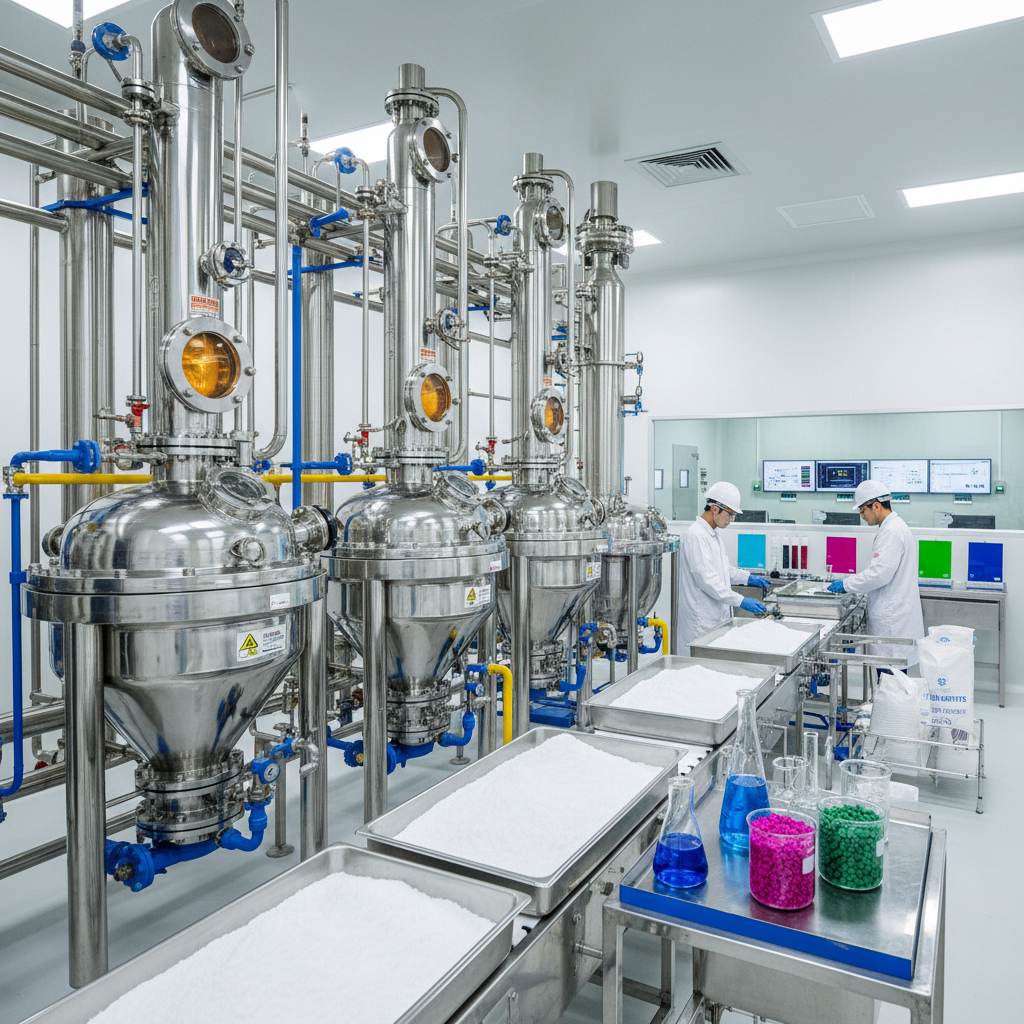
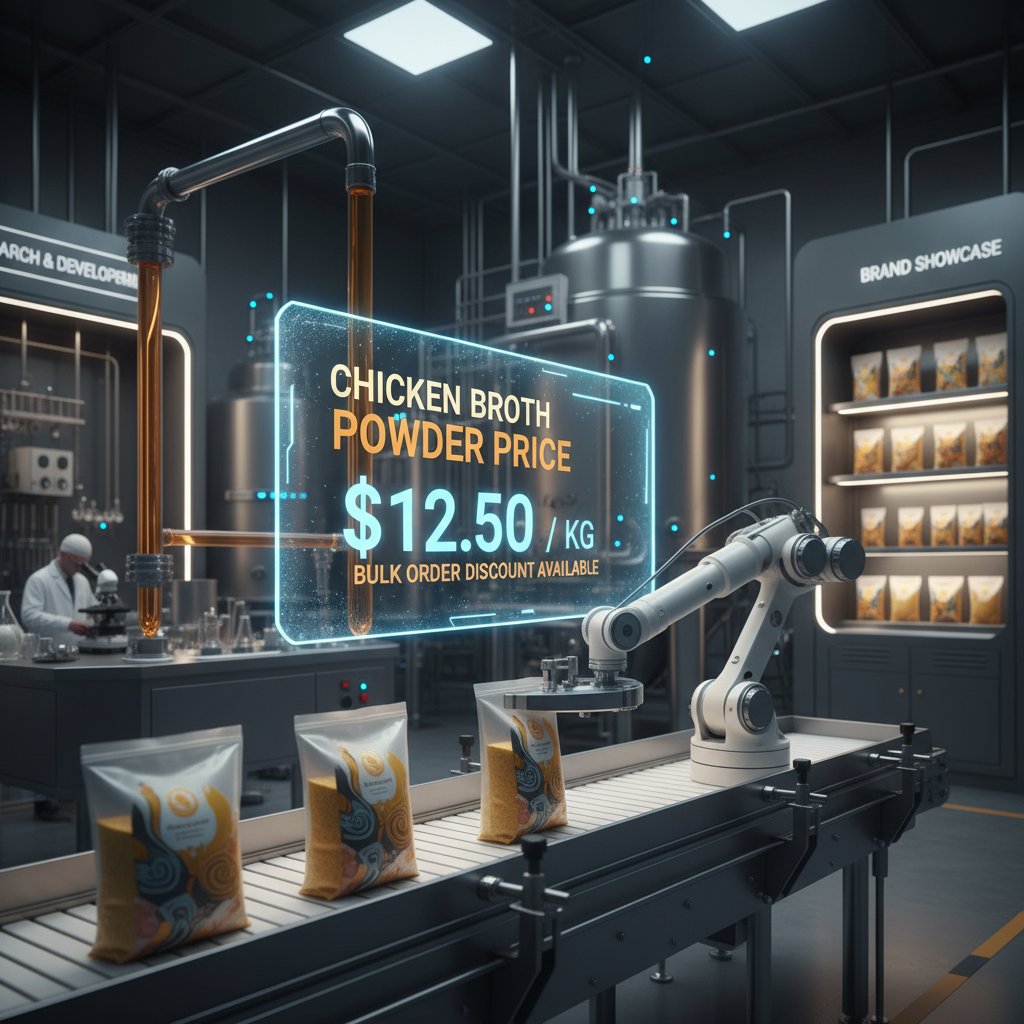
In the modern culinary and industrial landscape, flavored bouillon serves as more than just a kitchen staple; it is a sophisticated blend of science and flavor engineering. By concentrating essential savory notes into a stable, easy-to-use format, it allows food manufacturers and home cooks alike to achieve consistent taste profiles across diverse applications. Understanding the chemistry and production of these concentrates is key to optimizing cost-efficiency in large-scale food production.
The global demand for high-quality flavored bouillon has surged as urbanization and fast-paced lifestyles increase the need for convenient, shelf-stable flavor bases. From the industrial production of ready-to-eat meals to the humanitarian effort of providing nutrient-dense food in crisis zones, the versatility of bouillon cubes and powders makes them indispensable. This growth is supported by advancements in spray-drying and freeze-drying technologies that preserve the volatile aromatic compounds of natural ingredients.
However, the industry faces a critical turning point as consumers shift toward "clean label" products. The challenge lies in maintaining the intense, savory "umami" profile of traditional flavored bouillon while reducing sodium levels and eliminating artificial enhancers. This evolution is driving innovation in the food additive sector, pushing manufacturers to explore yeast extracts and fermentation-derived flavors to meet modern health standards without sacrificing taste.
Global Industry Context of Flavored Bouillon
The global market for flavored bouillon is deeply intertwined with the rise of the processed food industry and the expanding middle class in emerging economies. According to market analysis trends mirroring ISO quality standards, the demand for standardized seasoning bases has grown exponentially. This is largely because bouillon provides a scalable way to ensure that a product tastes the same in Jakarta as it does in New York, mitigating the risks of raw ingredient variability.
In regions such as Sub-Saharan Africa and Southeast Asia, bouillon has become a primary source of flavor and essential minerals, often filling gaps in nutritional intake through fortified versions. The ability to distribute a low-weight, high-impact flavor concentrate reduces logistics costs significantly compared to liquid bases, making it a strategic tool for food security and commercial scalability in remote industrial zones.
Defining Flavored Bouillon in Modern Manufacturing
At its core, flavored bouillon is a dehydrated concentration of meat, vegetable, or fungi extracts combined with salt, flavor enhancers, and stabilizers. Unlike a traditional stock that is simmered for hours in a pot, industrial bouillon utilizes advanced extraction techniques—such as vacuum evaporation—to isolate the most potent savory molecules, which are then converted into a powder or compressed cube.
In the context of the food additive industry, bouillon is categorized as a complex seasoning system. It bridges the gap between raw pharmaceutical-grade intermediates (like specific amino acids) and final consumer goods. Its role is to provide an immediate "umami" hit—the fifth basic taste—which triggers a psychological perception of satiety and richness in the consumer.
Beyond the kitchen, these products serve humanitarian needs. In post-disaster relief operations, where fresh produce is unavailable and water is scarce, bouillon provides a high-density flavor profile that encourages the consumption of plain grains or legumes, ensuring that displaced populations maintain an appetite and receive basic caloric intake.
Core Components for Quality Flavor Profiles
The structural integrity of flavored bouillon depends on a precise balance of taste enhancers. Glutamates, whether naturally derived from tomatoes or produced via fermentation, form the foundation of the savory experience. These are paired with nucleotides to create a synergistic effect that amplifies the perceived intensity of the meat or vegetable base.
Stability is another critical component. To prevent the flavored bouillon from clumping or degrading over time, anti-caking agents and controlled lipid emulsions are used. This ensures that the product remains free-flowing in powder form or maintains its structural shape in cube form, even in high-humidity tropical climates.
Finally, the aromatic profile is achieved through a blend of hydrolyzed vegetable proteins (HVP) and natural extracts. By layering these components, manufacturers can mimic the complex scent of a long-simmered bone broth, providing the consumer with a multi-sensory experience that begins with the aroma and ends with a lingering, savory aftertaste.
Technical Factors Driving Cost Efficiency
From a manufacturing perspective, the efficiency of flavored bouillon production is measured by the "flavor yield per kilogram." By optimizing the extraction process, companies can reduce the amount of raw animal or plant material required to produce a specific taste intensity. This scalability allows for a massive reduction in waste and a streamlined supply chain.
Moreover, the transition from liquid to powder significantly lowers shipping and storage costs. A single pallet of bouillon concentrate can replace thousands of liters of liquid stock, reducing the carbon footprint associated with transport and eliminating the need for expensive cold-chain logistics.
Comparative Efficiency of Flavored Bouillon Production Methods
Global Applications and Industrial Use Cases
The application of flavored bouillon spans across various sectors. In the FMCG (Fast-Moving Consumer Goods) sector, it is the primary base for instant noodle seasonings and dehydrated soup mixes. By using a standardized bouillon base, brands can ensure flavor consistency across millions of units, regardless of the regional variations in the water quality where the end consumer prepares the meal.
In institutional catering, such as in hospitals or military barracks, bouillon is used to fortify bland diets. For patients with low appetites, adding a small amount of bouillon to porridge or steamed vegetables can stimulate the taste buds and increase nutrient intake. This practical application demonstrates how a simple food additive can improve the quality of life and health outcomes in managed care environments.
Long-term Value and Sustainability Benefits
The long-term value of flavored bouillon lies in its ability to reduce food waste. By utilizing "ugly" vegetables or side-streams from meat processing to create extracts, manufacturers can implement a circular economy model. This transforms what would have been organic waste into high-value flavor components, reducing the environmental burden of the food industry.
From a socio-economic perspective, bouillon provides dignity and comfort. The ability to create a warm, savory meal with minimal resources is a psychological win in impoverished areas. It allows families to recreate traditional tastes without the prohibitive cost of buying fresh cuts of meat every day, thereby democratizing flavor and nutrition.
Furthermore, the shift toward plant-based flavored bouillon is aligning the industry with global sustainability goals. By replacing animal-derived fats with yeast extracts and mushroom powders, companies can significantly lower the carbon footprint of their product lines while appealing to the growing vegan and vegetarian demographics worldwide.
Future Trends in Bouillon Innovation
The future of flavored bouillon is being shaped by "Precision Fermentation." This technology allows scientists to produce specific flavor proteins—identical to those found in beef or chicken—using microorganisms. This means the next generation of bouillon will provide the exact taste profile of animal proteins without requiring a single animal, effectively decoupling flavor from livestock farming.
Digital transformation is also hitting the production line. AI-driven flavor mapping is now used to analyze consumer preferences in real-time, allowing manufacturers to tweak the bouillon formula for specific regions. For example, an AI might suggest increasing the acidity in a bouillon blend for the Latin American market while emphasizing sweetness for the East Asian market, all while maintaining the core base.
Finally, the integration of "functional additives" is a rising trend. We are seeing bouillon that is not only a flavor enhancer but also a vehicle for vitamins, probiotics, and minerals. This transforms the product from a simple seasoning into a nutraceutical tool, addressing global malnutrition through the most common of cooking ingredients.
Analysis of Future Innovation Trends in Flavored Bouillon
| Innovation Driver |
Technological Approach |
Impact Score (1-10) |
Market Readiness |
| Clean Label |
Natural Yeast Extracts |
9 |
High |
| Veganization |
Fungi-based Umami |
8 |
High |
| Low Sodium |
Potassium-Salt Blends |
7 |
Medium |
| Lab-Grown Flavor |
Precision Fermentation |
10 |
Low |
| Fortification |
Micro-encapsulation |
6 |
Medium |
| AI Customization |
Consumer Data Mapping |
7 |
Medium |
FAQS
Industrial flavored bouillon is a dehydrated concentrate designed for shelf-stability and consistency. While homemade stock relies on slow simmering and fresh ingredients, industrial versions use vacuum extraction and spray-drying to isolate specific flavor molecules. This allows for a much more intense taste profile that can be stored for years without refrigeration, making it far more practical for commercial use.
Yes, many modern manufacturers are shifting toward "no added MSG" labels. They achieve the same savory umami effect by using natural sources of glutamates, such as hydrolyzed vegetable proteins, yeast extracts, or concentrated mushroom and tomato powders. These alternatives provide the same taste satisfaction while meeting the demands of health-conscious consumers who prefer clean-label ingredients.
Stability is maintained through the use of food-grade anti-caking agents and controlled moisture levels during the drying process. Additionally, the packaging plays a crucial role; using high-barrier foils or vacuum-sealed containers prevents atmospheric moisture from entering, ensuring the flavored bouillon remains free-flowing and prevents the formation of clumps.
Absolutely. By combining yeast extracts, soy proteins, and specific aromatic extracts from root vegetables and smoked paprika, manufacturers can replicate the "meaty" depth of beef. The key is layering different types of umami—glutamates and nucleotides—to trick the palate into perceiving a rich, animal-based flavor without using any animal products.
Importing requires ensuring that the product meets the food safety standards of the destination country (such as FDA in the US or EFSA in Europe). It is essential to request a full Certificate of Analysis (CoA) and ensure that all additives used are approved in the target market. Partnering with a manufacturer that understands global compliance simplifies the customs and certification process.
Depending on the packaging and storage conditions, a high-quality flavored bouillon cube typically has a shelf life of 18 to 24 months. Because of its low water activity (Aw), it is highly resistant to microbial growth. To maximize longevity, it should be stored in a cool, dry place away from direct sunlight.
Conclusion
In summary, flavored bouillon represents a perfect intersection of culinary art and chemical engineering. By transforming complex savory profiles into stable, cost-effective concentrates, the industry has enabled global consistency in food taste and provided a vital tool for both commercial success and humanitarian aid. From the precision of its components to the scalability of its production, bouillon continues to be a cornerstone of the modern food additive sector.
Looking forward, the industry's evolution toward plant-based alternatives and precision fermentation suggests a future where flavor is entirely sustainable and inclusive. For businesses looking to optimize their product lines or enter the seasoning market, investing in high-quality, clean-label concentrates is the most strategic path to growth. We invite you to explore our professional solutions and elevate your flavor profiles. Visit our website: www.chinaseasoning.com