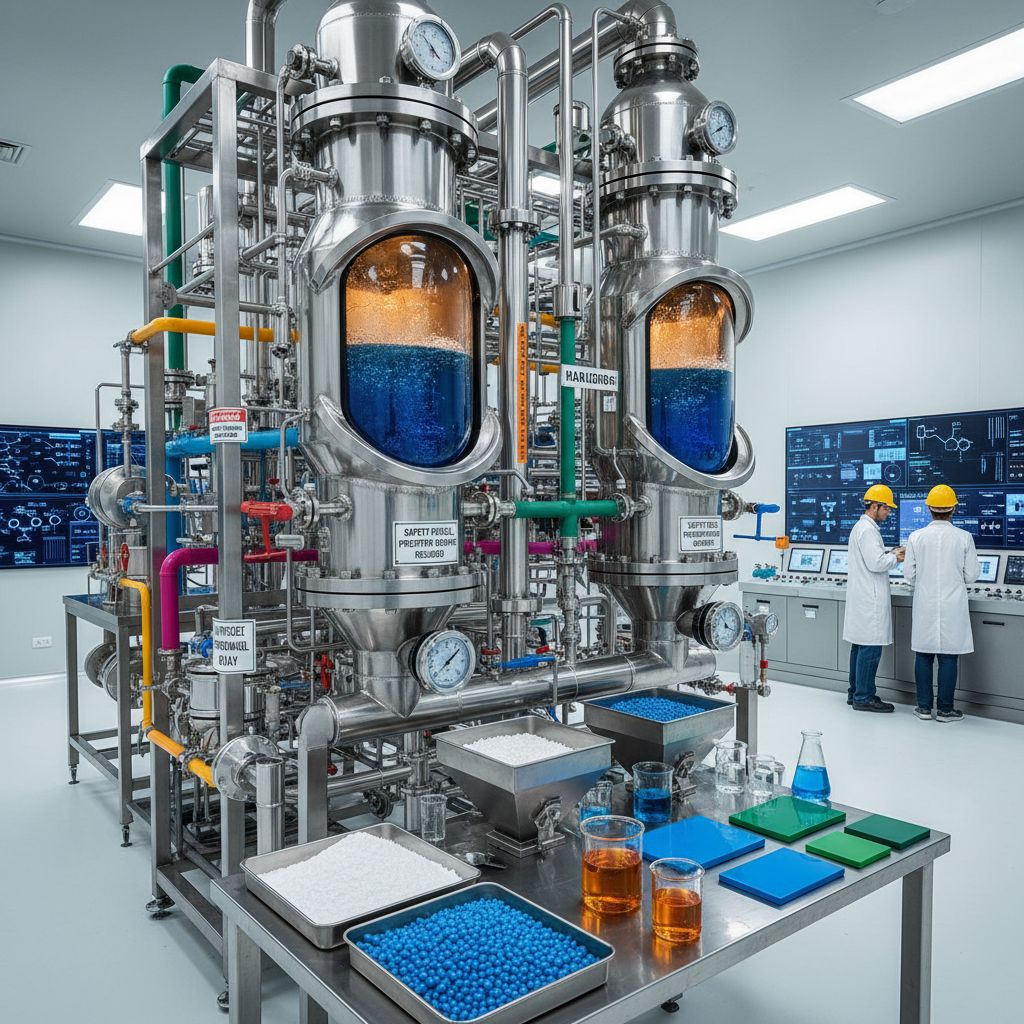
In the modern food landscape, achieving a balanced and savory taste profile is a complex science that often relies on the strategic use of a glutamate flavor enhancer. These compounds are essential for evoking the "umami" or savory fifth taste, which transforms ordinary ingredients into crave-worthy culinary experiences by amplifying the natural flavors already present in food.
Globally, the demand for efficient seasoning solutions has grown as the processed food industry seeks to reduce sodium intake without sacrificing palatability. By utilizing a high-quality glutamate flavor enhancer, manufacturers can create products that satisfy consumer taste preferences while maintaining a consistent flavor profile across different production batches.
Understanding the chemistry and application of these enhancers is crucial for food technologists and pharmaceutical developers alike. From enhancing the depth of savory soups to optimizing the taste of nutritional supplements, the versatility of glutamate-based solutions ensures that food remains appealing and nutritious in a fast-paced global market.
Global Industry Context of Glutamate Enhancers
The global food additives market has seen a significant shift toward "clean label" ingredients, yet the functional necessity of a glutamate flavor enhancer remains undisputed. According to industrial food standards and global trade data, the demand for umami-providing agents has surged in Asia-Pacific and Latin American markets, where savory profiles are central to traditional diets.
However, the industry faces a critical challenge: balancing the desire for intense flavor with the growing health consciousness of consumers. This has led to an evolution in how these enhancers are produced, moving from purely chemical synthesis to bio-fermentation processes that align more closely with natural dietary sources.
Defining Glutamate Flavor Enhancer in Modern Food Science
In simple technical terms, a glutamate flavor enhancer is a compound—often the salt of glutamic acid—that stimulates the taste receptors on the tongue to perceive a savory, meaty, or "umami" taste. Unlike primary flavors like sweet or sour, these enhancers work synergistically with other ingredients to bring out hidden taste notes, making a dish feel "fuller" and more satisfying.
From an industrial perspective, these additives are not merely about adding taste but about managing the sensory experience of the consumer. In the context of food manufacturing, they serve as tools to reduce the reliance on high concentrations of sodium chloride (table salt), which is a key humanitarian goal in reducing global hypertension and cardiovascular diseases.
Modern food science categorizes these enhancers based on their origin—whether they are derived from plant-based fermentation (such as sugarcane or beet molasses) or animal protein hydrolysis. This distinction is vital for meeting diverse dietary requirements, including vegan and Halal certifications, ensuring global accessibility.
Core Components of Effective Flavor Amplification
One of the primary factors in the success of a glutamate flavor enhancer is its solubility. For an additive to work effectively in a liquid base, such as a sauce or a pharmaceutical syrup, it must dissolve rapidly and evenly to avoid "flavor hotspots" and ensure a consistent sensory experience across the entire product.
Synergistic Interaction is another core component. When a glutamate flavor enhancer is combined with ribonucleotides (like IMP or GMP), the perceived intensity of the umami flavor is multiplied rather than just added. This allows manufacturers to use lower overall concentrations of additives while achieving superior taste results.
Finally, thermal stability ensures that the flavor remains intact during high-heat processing, such as pasteurization or extrusion. A high-quality enhancer will not degrade or change its chemical structure when exposed to the temperatures required for industrial food safety, maintaining the intended flavor profile from the factory to the consumer's table.
Performance Metrics of Different Glutamate Variations
When selecting the right glutamate flavor enhancer, industrial chemists evaluate several key performance indicators (KPIs), including purity levels, crystal size for dissolution speed, and the "umami threshold" (the minimum concentration required to be detectable).
Different variations of glutamate enhancers, such as Monosodium Glutamate (MSG), Calcium Glutamate, or Yeast Extract-based alternatives, offer different strengths depending on the application. The following chart illustrates a comparative rating of these variations across key industrial metrics.
Comparative Efficiency of Glutamate Flavor Enhancer Variations
Global Applications and Industrial Use Cases
The application of glutamate flavor enhancer extends far beyond simple table seasonings. In the meat processing industry, it is used to rejuvenate the flavor of lean meat products, making low-fat alternatives taste as rich and satisfying as their high-fat counterparts. This supports global health initiatives by reducing saturated fat intake without compromising consumer enjoyment.
In the pharmaceutical and nutraceutical sectors, these enhancers are employed to mask the bitter taste of active pharmaceutical ingredients (APIs) in liquid medications or protein shakes. For instance, in remote industrial zones where fortified food is distributed to workers, the addition of flavor enhancers ensures high compliance with nutritional programs by making the food palatable.
Long-term Value and Sustainability Benefits
The long-term value of incorporating a high-grade glutamate flavor enhancer lies in its ability to drive cost efficiency. By amplifying existing flavors, manufacturers can reduce the volume of expensive raw ingredients (like natural meat extracts or rare spices) while maintaining the same sensory quality, leading to significant reductions in production costs.
From a sustainability perspective, bio-fermented glutamate enhancers contribute to a circular economy. Many are produced using agricultural by-products as feedstocks, reducing waste and lowering the carbon footprint compared to traditional chemical synthesis. This transition toward "green chemistry" is essential for companies aiming to meet ESG (Environmental, Social, and Governance) targets.
Furthermore, the emotional value of "taste satisfaction" cannot be overlooked. Providing consistent, high-quality flavor creates trust between the brand and the consumer. When a product tastes reliably delicious, it builds brand loyalty and ensures that nutritious, fortified foods are accepted by populations across different cultural backgrounds.
Future Trends in Glutamate Flavor Engineering
The future of glutamate flavor enhancer technology is moving toward precision fermentation and AI-driven flavor profiling. By using CRISPR and other genetic editing tools, scientists are developing microbial strains that can produce more complex glutamate profiles, mimicking the exact umami signature of aged cheeses or cured meats.
Digital transformation is also playing a role, with automated dosing systems in factories ensuring that enhancers are added with micro-gram precision. This reduces waste and ensures that every single unit of product meets the exact flavor specification, eliminating the variability often found in traditional batch processing.
As global regulations tighten around synthetic additives, the trend is shifting toward "natural-equivalent" enhancers. These are molecules identical to those found in nature but produced via sustainable biotechnology, allowing companies to claim "natural flavors" on their labels while retaining the powerful functionality of a professional enhancer.
Comparative Analysis of Glutamate Enhancer Technology Trends
| Technology Type |
Production Method |
Sustainability Score |
Market Adoption |
| Traditional Chemical |
Synthesis |
4/10 |
Declining |
| Bio-Fermentation |
Microbial Cultivation |
8/10 |
High |
| Precision Fermentation |
Engineered Yeast |
9/10 |
Emerging |
| Plant-Protein Hydrolysis |
Enzymatic Breakdown |
7/10 |
Steady |
| Hybrid Blends |
Composite Mixing |
6/10 |
Moderate |
| AI-Optimized Extracts |
Data-Driven Extraction |
8/10 |
Experimental |
FAQS
Yes, glutamate flavor enhancers, including MSG, are generally recognized as safe (GRAS) by global health authorities like the FDA and EFSA. Glutamate is a naturally occurring amino acid found in many foods, such as tomatoes and parmesan cheese. When used in moderation according to industrial guidelines, these enhancers provide a safe way to improve taste and reduce sodium intake.
While salt (sodium chloride) provides a "salty" taste, a glutamate flavor enhancer provides "umami," which is a savory depth. The key difference is that glutamate enhancers amplify the existing flavors of other ingredients. By combining both, you can often achieve a more intense savory taste while actually using less total sodium, which is beneficial for heart health.
Absolutely. Most modern glutamate flavor enhancers are produced via the fermentation of plant-based sugars (like corn or sugarcane). This makes them an ideal choice for vegan and vegetarian products, as they provide the "meaty" richness associated with animal proteins without using any animal-derived ingredients.
For liquid applications, it is recommended to use a highly soluble crystalline form of the enhancer. It should be dissolved in a small portion of the liquid base first to ensure complete homogenization before being integrated into the larger batch. This prevents precipitation and ensures an even distribution of flavor throughout the product.
In most cases, a glutamate flavor enhancer is chemically stable and does not negatively impact shelf life. In some instances, the purity of the enhancer can even help stabilize other flavor components. However, it is always recommended to conduct stability testing in a controlled environment to ensure that the interaction between the enhancer and other ingredients remains consistent over time.
Manufacturers can transition by shifting from chemically synthesized versions to those derived from yeast extract or bio-fermentation. These alternatives are often labeled as "natural flavorings." While the cost may be slightly higher, the consumer perception and the ability to claim a "clean label" usually outweigh the initial investment, leading to higher sales and brand trust.
Conclusion
The strategic implementation of a glutamate flavor enhancer is more than just a culinary shortcut; it is a sophisticated tool of food science that balances sensory appeal, cost-efficiency, and health considerations. From the precision of bio-fermentation to the synergy of umami amplification, these compounds allow the global food industry to meet the diverse tastes of consumers while pushing toward more sustainable and sodium-reduced production methods.
As we look toward the future, the integration of AI and precision biotechnology will only refine the efficacy of these enhancers, making them more tailored and natural. For manufacturers aiming to stay competitive in a global market, investing in high-purity, sustainably sourced flavor solutions is not just an option—it is a necessity for long-term growth and consumer trust. Visit our website for more professional solutions: www.chinaseasoning.com