In the competitive landscape of modern food science, glutamate flavoring stands as a pivotal element in achieving the desired "umami" profile that consumers crave globally. As the food manufacturing industry shifts toward more precise flavor engineering, understanding the chemistry and application of these compounds is essential for creating products that are not only palatable but also commercially viable on a global scale.
The global demand for high-quality flavor enhancers has surged, driven by the diversification of processed foods and the rise of convenient meal solutions. By integrating glutamate flavoring into various product lines, manufacturers can standardize taste across different batches and regions, ensuring a consistent sensory experience that builds brand loyalty and consumer trust.
However, the industry faces the challenge of balancing intense flavor profiles with clean-label trends and nutritional transparency. Mastering the use of glutamate flavoring allows producers to optimize salt reduction strategies without sacrificing the depth of taste, aligning industrial efficiency with the evolving health consciousness of the modern consumer.
Global Relevance of Glutamate Flavoring
On a global scale, glutamate flavoring is more than just a kitchen additive; it is a strategic industrial tool. According to food industry analysis, the umami market has expanded rapidly as Western markets embrace Asian culinary profiles, leading to an increased reliance on standardized glutamate-based solutions to replicate authentic savory tastes in frozen meals and snacks.
The relevance of these flavorings extends to humanitarian efforts as well, where fortifying low-cost protein sources with savory notes improves the acceptability of nutrient-dense emergency food rations. By enhancing the palatability of basic staples, glutamate flavoring plays a silent but critical role in global food security and nutrition.
Defining the Science of Umami Enhancers
At its core, glutamate flavoring refers to substances that stimulate the glutamate receptors on the human tongue, triggering the perception of "umami"—the fifth basic taste characterized by savoriness. Unlike simple salt or sugar, these flavorings interact with the protein structures in food to create a synergistic effect that deepens the overall taste profile.
In the context of modern manufacturing, this involves the precise application of monosodium glutamate (MSG) or naturally derived yeast extracts. The goal is to mimic the savory quality found in aged cheeses, cured meats, or fermented soy, providing a cost-effective way to achieve high-end flavor profiles in mass-produced goods.
This scientific approach to taste allows manufacturers to reduce their reliance on expensive raw ingredients while maintaining the sensory richness consumers expect. By understanding the molecular interaction of glutamate flavoring, chemists can tailor the intensity and longevity of the taste to suit specific product categories.
Core Components of Effective Flavoring
The efficacy of glutamate flavoring is determined by several key factors, the most prominent being purity and solubility. High-purity crystals ensure that the flavoring does not introduce off-notes or unwanted textures into the final food product, allowing for a clean, sharp, and immediate taste impact.
Another critical component is the synergy between glutamates and nucleotides. When glutamate flavoring is combined with inosine monophosphate (IMP) or guanosine monophosphate (GMP), the perceived intensity of the umami taste is amplified exponentially, allowing for lower overall additive concentrations while achieving superior flavor.
Stability under heat and pressure is the final core pillar. For industrial applications such as canning or extrusion, the glutamate flavoring must withstand extreme temperatures without degrading, ensuring that the savory profile remains intact from the production line to the consumer's table.
Industrial Application and Scalability
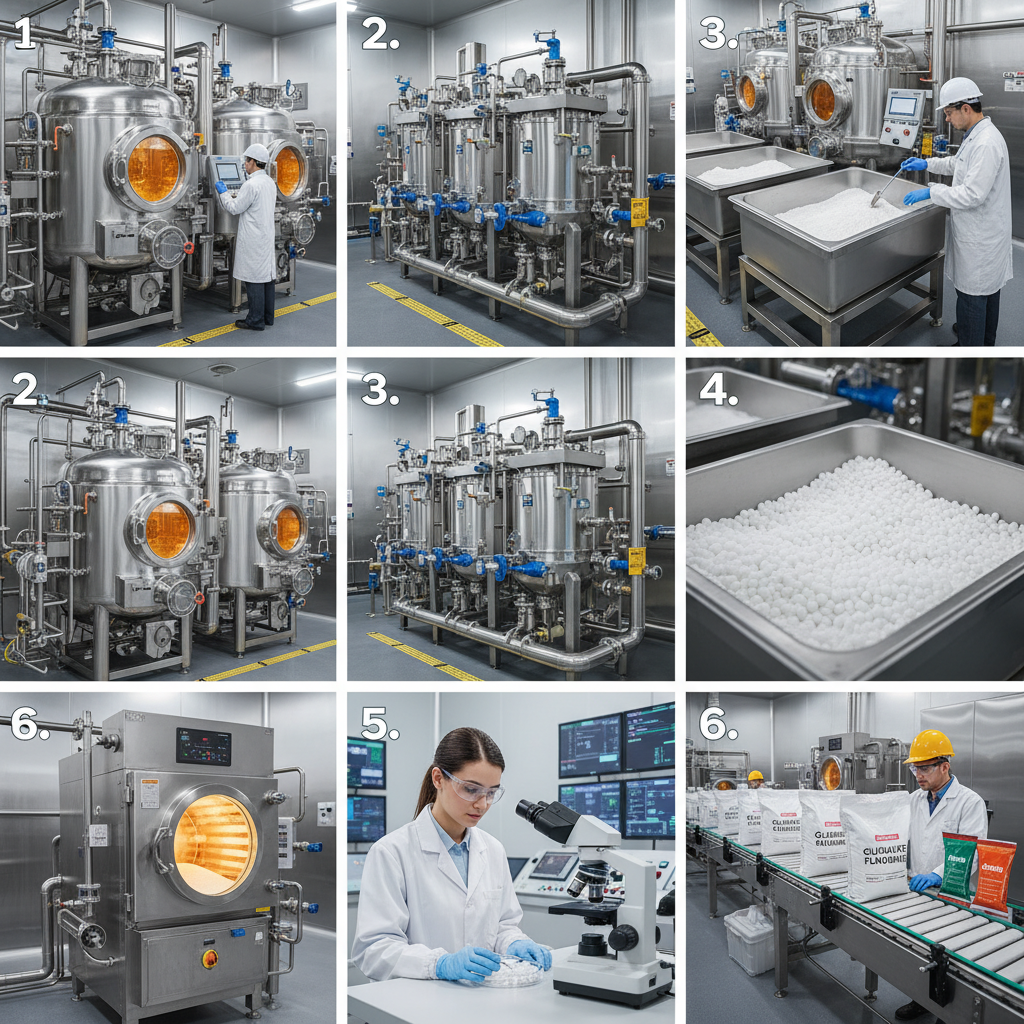
Implementing glutamate flavoring on an industrial scale requires a deep understanding of dosing and distribution. In large-scale batch processing, ensuring the uniform dispersion of the flavoring is vital to avoid "hot spots" of taste, which can lead to product inconsistency and quality control failures.
From a cost-efficiency perspective, the scalability of glutamate flavoring is unmatched. It allows producers to maintain a premium taste profile while scaling production from small pilot batches to millions of units, providing a reliable baseline of flavor that minimizes the need for constant raw material adjustments.
Performance Analysis of Glutamate Flavoring Methods
Global Use Cases across Food Sectors
The versatility of glutamate flavoring is evident in its wide range of applications. In the snack food industry, it is the secret behind the "craveability" of savory chips and extruded puffs, where it balances the saltiness and enhances the richness of artificial cheese or beef flavors.
Beyond snacks, the pharmaceutical and nutraceutical industries utilize specific glutamate derivatives in medicinal syrups or protein supplements to mask bitter medicinal tastes, making patient compliance easier. In remote industrial zones, fortified meal kits rely on these flavorings to provide comfort and psychological satisfaction to workers through familiar, savory tastes.
Long-term Economic and Sensory Value
The long-term value of incorporating glutamate flavoring lies in its ability to decouple flavor quality from ingredient volatility. When the price of premium meats or fermented products spikes, manufacturers can use flavor enhancers to maintain the sensory profile of their products without passing excessive costs to the consumer.
From a sustainability angle, glutamate flavoring facilitates the transition toward plant-based proteins. Meat alternatives often lack the inherent depth of animal proteins; by adding targeted savory agents, companies can create "bleeding" plant-based burgers or vegan sausages that genuinely satisfy the consumer's biological drive for umami.
Ultimately, the trust a consumer has in a brand is often tied to the consistency of taste. By utilizing a standardized glutamate flavoring system, brands ensure that a product purchased in New York tastes exactly the same as one purchased in Tokyo, securing global brand equity.
Future Innovations in Flavor Technology
The future of glutamate flavoring is moving toward "bio-identical" production. Through advanced precision fermentation and synthetic biology, we are seeing the rise of glutamates produced by engineered microbes that mimic the exact molecular fingerprint of naturally aged foods, satisfying both the "natural" label requirement and the industrial need for purity.
Digital transformation is also playing a role, with AI-driven flavor mapping now allowing manufacturers to predict exactly how much glutamate flavoring is needed to offset the bitterness of certain plant-based proteins. This reduces waste and optimizes the formulation process through virtual sensory simulations.
Sustainability remains the primary driver, with new policies pushing for "green" flavorings derived from agricultural waste. Upcycling tomato peels or mushroom stems into high-value glutamate flavoring sources represents the next frontier in circular economy food manufacturing.
Comparison of Glutamate Flavoring Production Technologies
| Technology Type |
Production Cost |
Umami Purity |
Sustainability Score |
| Chemical Synthesis |
Low |
High |
4/10 |
| Bacterial Fermentation |
Medium |
Very High |
7/10 |
| Yeast Autolysis |
Medium |
Medium |
8/10 |
| Plant Extraction |
High |
Medium |
9/10 |
| Precision Bio-Synthesis |
Very High |
Extreme |
9/10 |
| Agri-Waste Upcycling |
Low |
Low-Medium |
10/10 |
FAQS
MSG is a pure crystalline form of sodium glutamate, while natural glutamate flavorings are derived from foods like tomatoes, mushrooms, or yeast extracts. Chemically, the glutamate molecules are identical, but the natural versions often contain other organic compounds that provide a more complex, multi-layered taste profile compared to the singular intensity of pure MSG.
Yes, one of the most significant industrial advantages is that glutamate flavoring can enhance the perception of saltiness. By stimulating umami receptors, it allows manufacturers to reduce the actual sodium chloride (table salt) content in a product by up to 30-40% without the consumer noticing a drop in flavor intensity.
Generally, yes. Most glutamate-based flavorings are thermally stable and can withstand the temperatures used in pasteurization, canning, and baking. However, for extreme extrusion processes, specific encapsulated versions of the flavoring are recommended to prevent degradation and ensure consistent taste after processing.
For plant-based proteins, a combination of yeast extracts and nucleotide-synergized glutamates is ideal. This helps mask the "beany" or bitter off-notes common in pea or soy proteins and provides the savory "meaty" depth that consumers expect from traditional animal-based proteins.
Most global regulatory bodies, including the FDA and EFSA, recognize glutamates as GRAS (Generally Recognized as Safe). However, labeling requirements vary; some regions require the specific mention of "MSG," while others allow "Natural Flavoring" if derived from biological sources. Always check local food laws before exporting.
Glutamate flavoring itself does not significantly alter the chemical shelf life of a product. However, because it enhances the sensory profile, it can mask the subtle flavor degradation that occurs over time, effectively extending the "sensory shelf life" by keeping the product tasting fresh and savory for longer.
Conclusion
The strategic integration of glutamate flavoring represents a sophisticated intersection of chemistry, economics, and sensory science. From its ability to reduce sodium levels to its role in making sustainable plant-based proteins palatable, this flavoring agent is indispensable for any food manufacturer aiming for global scalability and consumer satisfaction. By balancing purity, synergy, and stability, producers can create products that resonate with the biological preferences of consumers worldwide.
As we look toward the future, the shift toward bio-identical and upcycled flavor sources will further align the use of glutamate flavoring with global sustainability goals. We encourage food engineers and procurement specialists to explore advanced umami solutions that not only enhance taste but also improve the nutritional profile of their offerings. To learn more about our professional-grade flavoring solutions, visit our website: www.chinaseasoning.com.