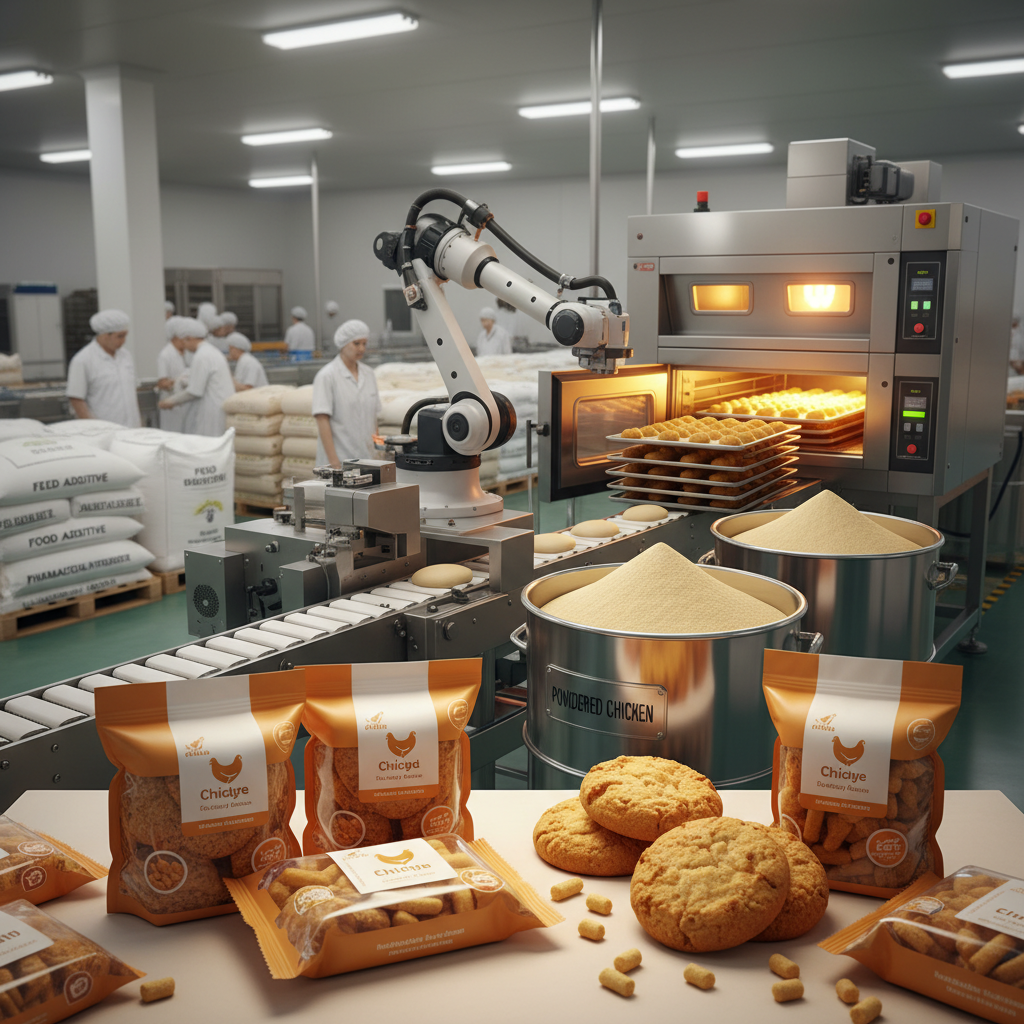
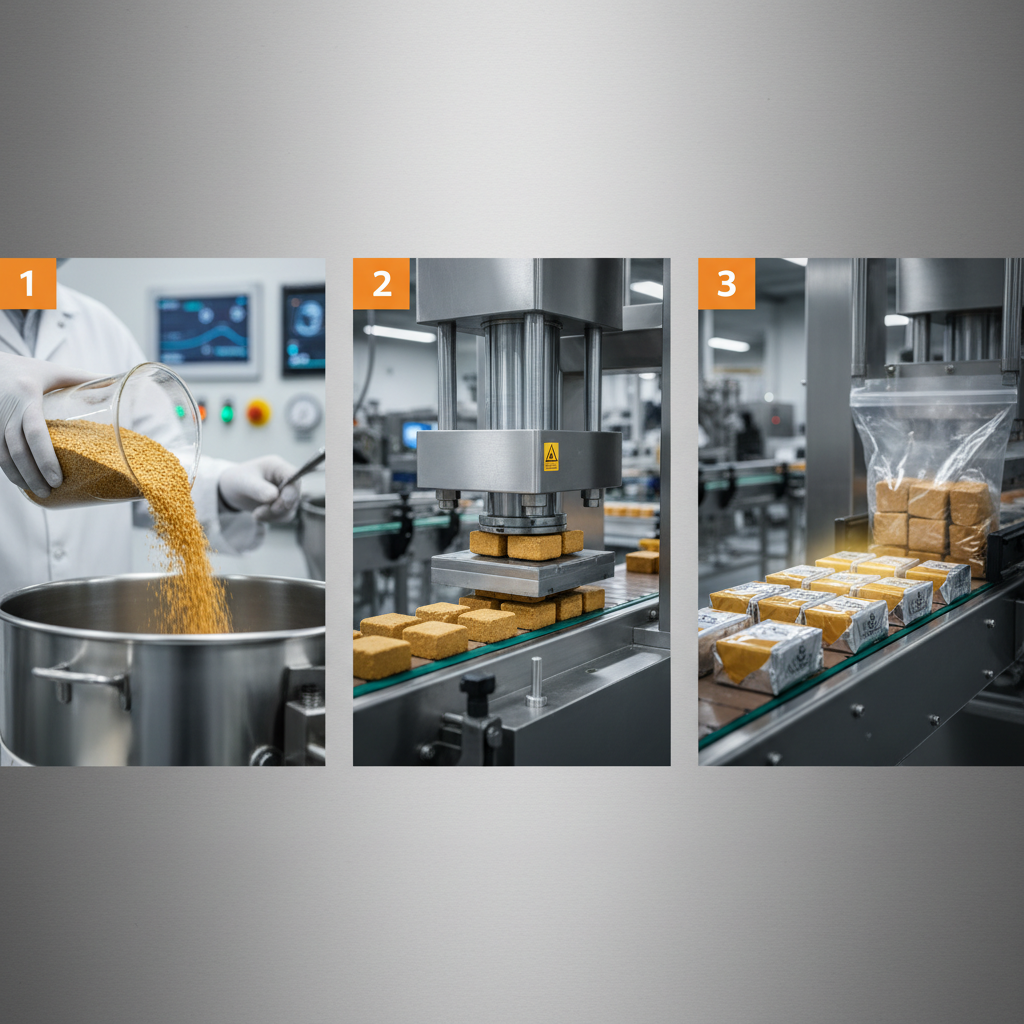
In the rapidly evolving landscape of global food production, powdered chicken has emerged as a pivotal ingredient for manufacturers seeking to balance authentic flavor with operational efficiency. As consumer demand for convenient, ready-to-eat meals surges, the ability to standardize taste profiles across different geographical markets has become a competitive necessity for food additive producers.
The global shift toward sustainable sourcing and reduced food waste has further propelled the adoption of dehydrated solutions. By converting fresh poultry components into a stable, concentrated powder, the industry significantly reduces logistics costs and minimizes the risks associated with cold-chain failures, ensuring that high-quality protein flavors reach the end consumer without degradation.
Understanding the technical nuances of powdered chicken—from its spray-drying parameters to its solubility in industrial applications—allows food scientists to create products that are not only palatable but also nutritionally consistent. This versatility makes it an indispensable tool in the modern pantry of food, feed, and pharmaceutical additive manufacturing.
Global Industry Context of Powdered Chicken
The global market for powdered chicken is deeply intertwined with the rise of urbanization and the subsequent demand for processed foods. According to food industry trends aligned with ISO quality standards, the transition from fresh to dehydrated ingredients has allowed companies to scale production across continents while maintaining a consistent "home-cooked" flavor profile that consumers trust.
However, the industry faces a critical challenge: the balance between flavor intensity and nutritional integrity. As the world population grows, the pressure on the food additive sector to provide cost-effective, shelf-stable protein enhancers has intensified, making the optimization of powdering technologies a priority for global food security and supply chain resilience.
Defining the Technical Essence of Powdered Chicken
At its core, powdered chicken is a dehydrated concentrate derived from chicken meat or extract, processed through advanced techniques such as spray-drying or freeze-drying. This process removes water while preserving the essential amino acids and aromatic compounds that define the savory "umami" profile of poultry, transforming a perishable commodity into a versatile industrial raw material.
In the context of modern food manufacturing, this ingredient serves as more than just a flavorant; it is a functional additive. By integrating it into Feed Additives or Food Additives, manufacturers can precisely control the protein content and taste consistency of their products, ensuring that every batch meets strict regulatory and sensory specifications.
Beyond commercial food use, this powder often plays a role in humanitarian needs. In regions affected by food instability or natural disasters, nutrient-dense, lightweight protein powders are far more efficient to transport and distribute than fresh meat, providing essential nutrition to vulnerable populations with a long shelf life and minimal storage requirements.
Core Components for Quality Control
To ensure the premium quality of powdered chicken, manufacturers must focus on solubility. A high-grade powder must dissolve rapidly and completely in liquids without clumping, which is essential for creating smooth soups, sauces, and pharmaceutical-grade nutrient blends.
The aroma retention of powdered chicken is another critical factor. Through controlled temperature settings during the drying phase, the volatile organic compounds that give chicken its distinct smell are encapsulated, preventing the "burnt" or "flat" taste often associated with low-quality dehydrated products.
Finally, hygienic stability and purity are paramount. The removal of moisture to a specific water activity level (Aw) prevents microbial growth, ensuring that the powdered chicken remains safe for consumption over extended periods without the need for excessive artificial preservatives.
Practical Applications and Use Cases
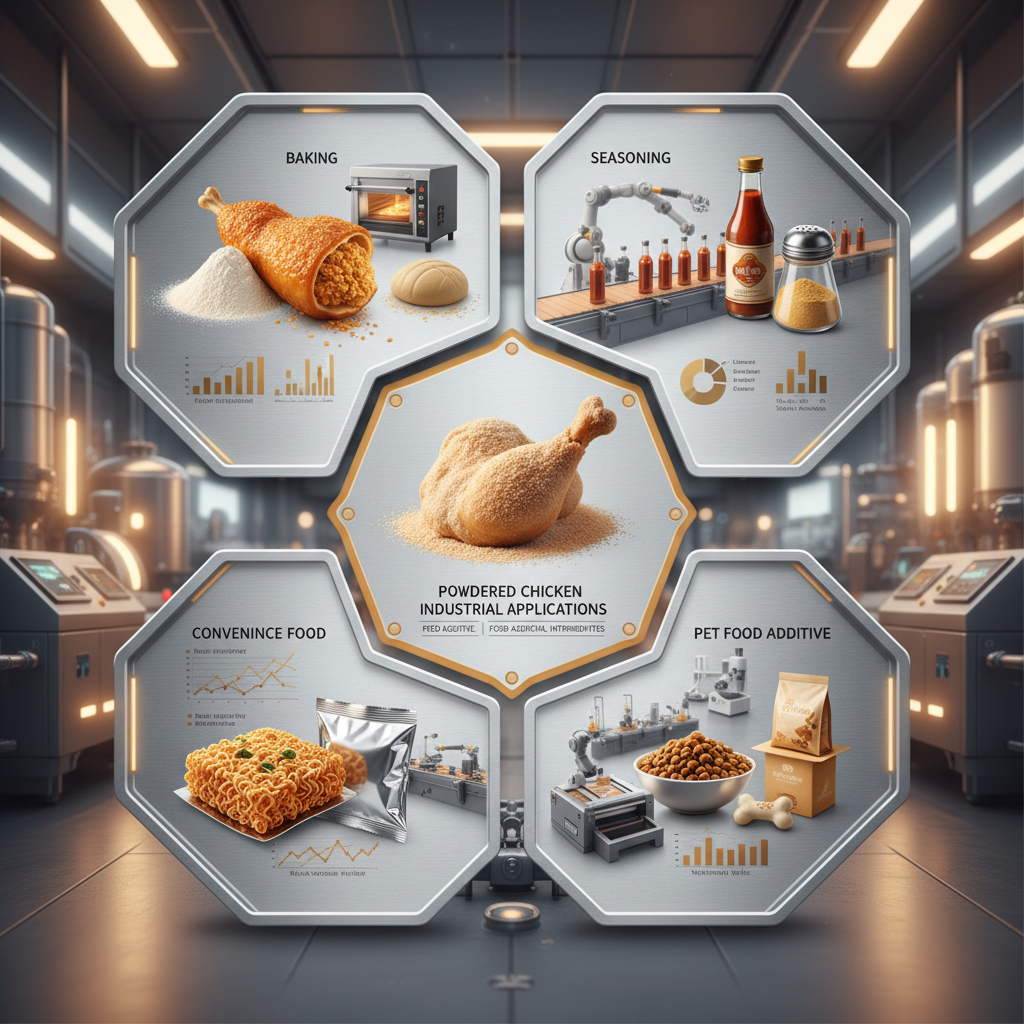
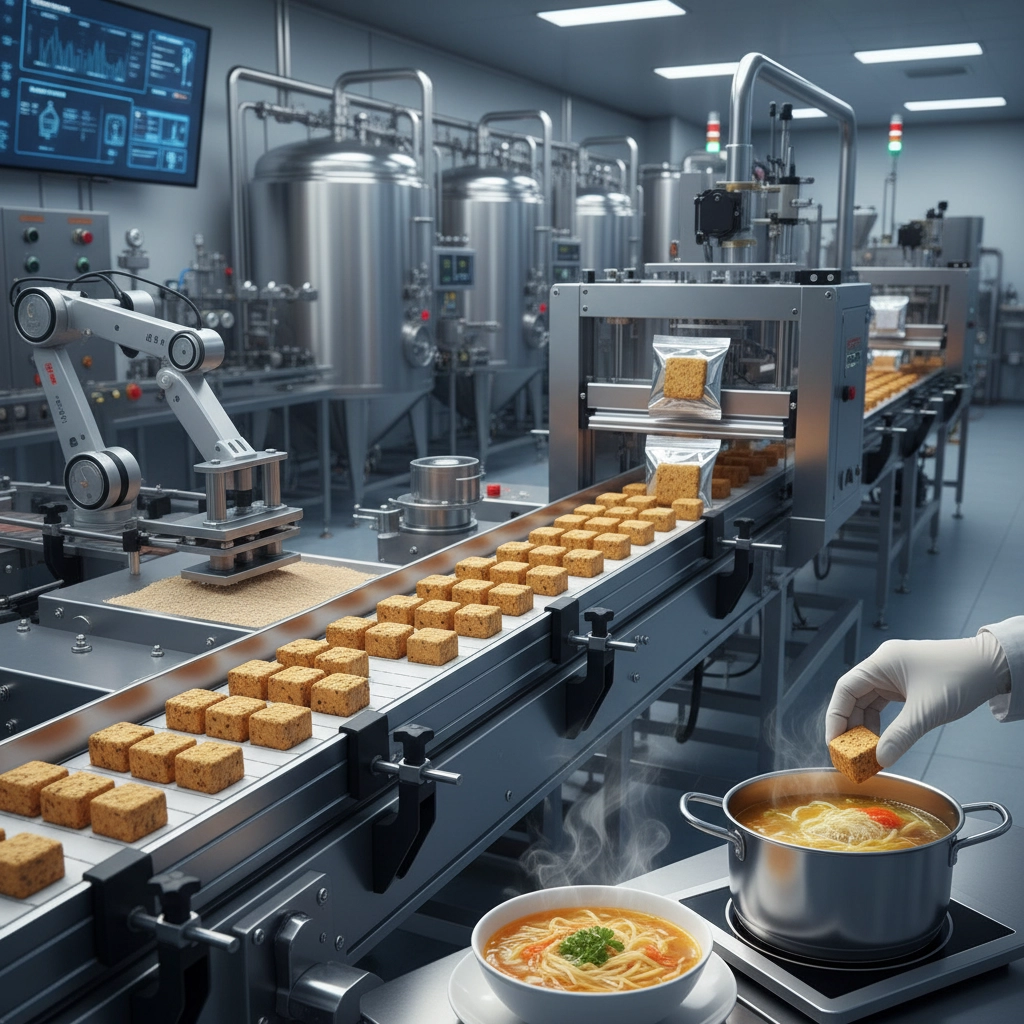
The versatility of powdered chicken allows it to be applied across diverse sectors. In the commercial food industry, it is the backbone of instant noodle seasonings and bouillon cubes. In the agricultural sector, it is utilized as a high-protein feed additive to enhance the growth rates of livestock by providing highly digestible amino acids.
In specialized contexts, such as remote industrial zones or military rations, this product provides a lightweight, high-calorie solution that maintains morale and health. The ability to reconstitute the powder into a savory meal in minutes makes it a cornerstone of survival and convenience food engineering globally.
Efficiency Rating of Different Powdered Chicken Processing Methods
Long-Term Economic and Social Value
From an economic perspective, the adoption of powdered chicken significantly lowers the overhead associated with cold-chain logistics. By eliminating the need for constant refrigeration during transport and storage, manufacturers can penetrate emerging markets where infrastructure is limited, thereby democratizing access to high-protein food enhancers.
Socially, the innovation in powdered proteins contributes to global food sustainability. By utilizing secondary cuts of poultry and processing them into a stable powder, the industry reduces raw material waste. This circular approach not only lowers the environmental footprint of poultry farming but also ensures a more reliable and ethical supply of nutrients to the global population.
Future Innovations in Poultry Dehydration
The future of powdered chicken lies in the integration of "Green Chemistry" and digital transformation. We are seeing a move toward low-temperature vacuum dehydration that further preserves bio-active peptides, making the powder more suitable for pharmaceutical intermediates and medical-grade nutrition.
Automation and AI-driven sensory analysis are also transforming the production line. Real-time monitoring of powder particle size and moisture content ensures a level of consistency that was previously impossible, allowing manufacturers to tailor the "melt-rate" of the powder for specific industrial applications.
Furthermore, the industry is exploring plant-based hybrids, where powdered chicken is blended with pea or soy proteins to create sustainable, hybrid protein powders. This trend aligns with the global shift toward "flexitarian" diets while maintaining the irresistible savory profile of real chicken.
Overcoming Challenges in Powdered Chicken Production
One of the primary challenges in producing powdered chicken is oxidation, which can lead to off-flavors over time. To combat this, expert manufacturers are implementing nitrogen-flushing techniques during the packaging process, effectively removing oxygen to extend shelf life without compromising the "clean label" status of the product.
Another hurdle is the tendency of powders to cake in humid environments. The solution lies in the strategic use of food-grade anti-caking agents or the development of granulated powder formats that maintain flowability. This ensures that industrial dispensers in large-scale factories can operate without interruption.
Finally, meeting the strict diverse regulatory standards of different countries requires a flexible formulation approach. By utilizing modular additive blends, producers can quickly adjust the salt or flavor enhancer levels in their powdered chicken to comply with local health guidelines while maintaining a global taste standard.
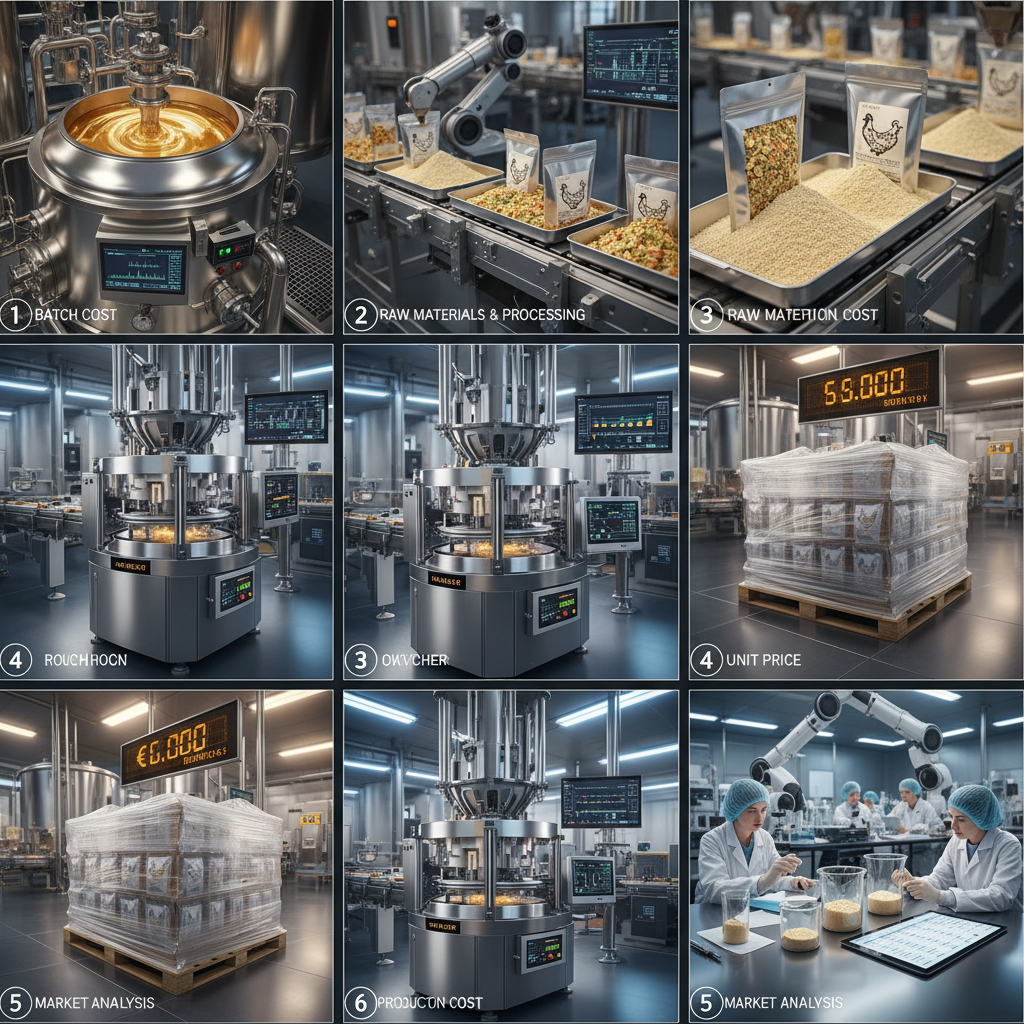
Analysis of Powdered Chicken Production Optimization Dimensions
| Processing Method |
Flavor Retention |
Solubility Score |
Production Cost |
| Spray Drying |
Moderate |
9/10 |
Low |
| Freeze Drying |
Excellent |
8/10 |
Very High |
| Drum Drying |
Low |
6/10 |
Medium |
| Vacuum Drying |
High |
7/10 |
Medium |
| Air Drying |
Low |
5/10 |
Very Low |
| Hybrid Method |
High |
9/10 |
Medium |
FAQS
Powdered chicken offers unmatched standardization and stability. Unlike fresh meat, which varies in moisture and fat content, the powder provides a consistent flavor and nutritional profile. Additionally, it eliminates the need for expensive cold-chain logistics, drastically reducing spoilage and storage costs while extending the product's shelf life for global export.
When stored in airtight, moisture-proof packaging and kept in a cool, dry place, high-quality powdered chicken can typically maintain its sensory properties for 12 to 24 months. Using nitrogen flushing during packaging can further prevent oxidation, ensuring the umami profile remains intact throughout its shelf life.
Yes, it is highly effective. In the feed industry, it is used to provide a concentrated source of protein and essential amino acids. Because it is dehydrated, it is easy to mix uniformly into feed pellets, ensuring that livestock receive consistent nutrition, which improves growth rates and overall animal health.
Absolutely. By using freeze-drying or low-temperature vacuum dehydration, manufacturers can produce pharmaceutical-grade powders that retain bio-active peptides. These are often integrated into medical-grade meal replacements or nutrient supplements for patients who require high-protein intake but have difficulty digesting fresh meats.
Caking is usually caused by moisture absorption. To prevent this, we recommend utilizing food-grade anti-caking agents like silicon dioxide or switching to a granulated powder format. Additionally, ensuring the humidity of the production and packaging environment is strictly controlled (below 40% RH) will maintain flowability.
The best approach is to work with suppliers who provide comprehensive COA (Certificate of Analysis) and MSDS documentation. Because it is a dry powder, it falls under simpler customs categories than fresh meat, making the import process faster. We recommend shipping in vacuum-sealed bulk bags with moisture-barrier linings.
Conclusion
In summary, powdered chicken represents a perfect synergy between traditional flavor and modern industrial efficiency. By addressing the critical needs of solubility, aroma retention, and logistical stability, it enables food and feed manufacturers to scale their operations while maintaining high standards of quality. From its role in enhancing instant foods to its application in high-protein animal feed and medical nutrition, this versatile ingredient is a cornerstone of the global food additive industry.
Looking forward, the integration of sustainable production methods and AI-driven quality control will only enhance the value proposition of poultry dehydration. As the world moves toward more efficient and less wasteful food systems, the strategic use of high-performance powders will be essential for companies aiming to lead in the competitive landscape of food science. We invite you to explore the possibilities of incorporating these advanced solutions into your product line. Visit our website: www.chinaseasoning.com