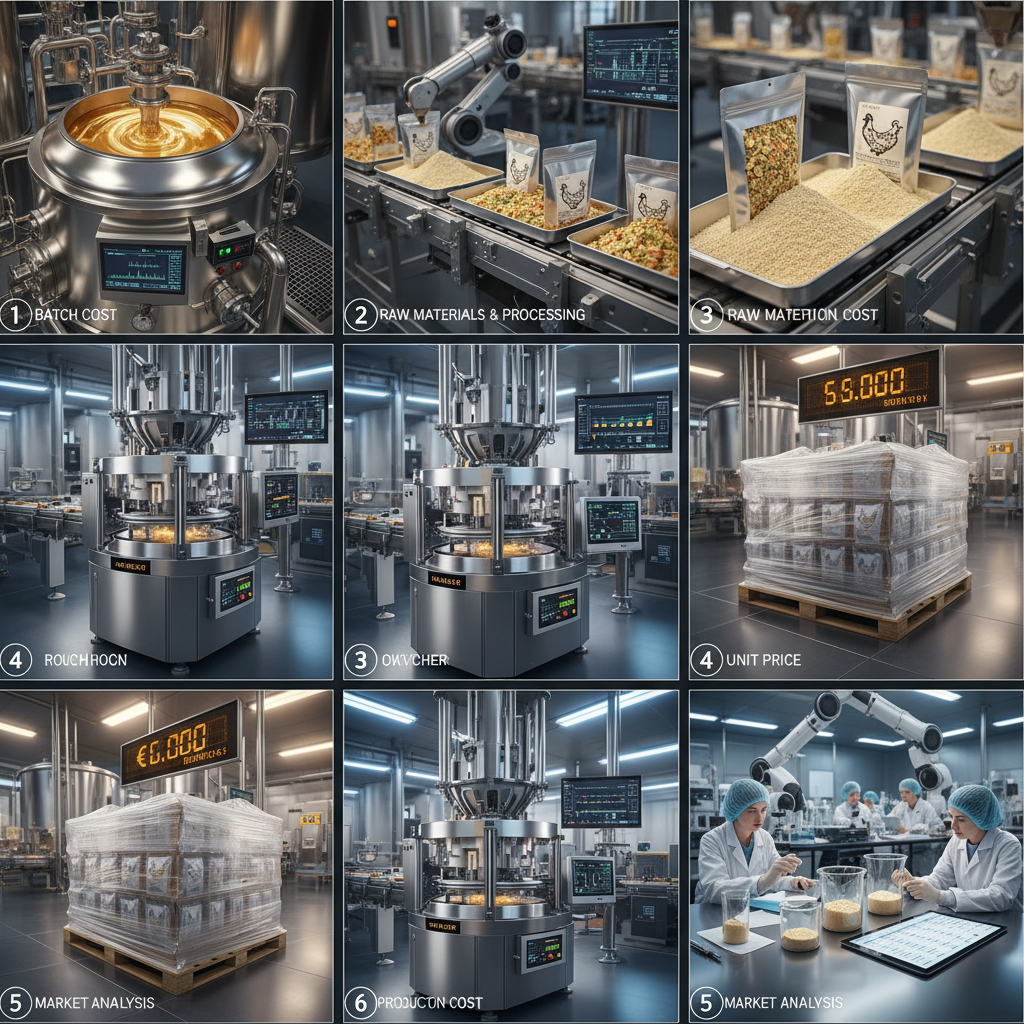
Navigating the volatility of the global spice and seasoning market requires a deep understanding of how the chicken stock powder price fluctuates based on raw material availability and logistical efficiency. For food manufacturers and industrial kitchens, these cost shifts directly impact the bottom line, making it essential to source from reliable suppliers who can balance purity with competitive pricing.
Understanding the drivers behind the chicken stock powder price allows procurement managers to implement strategic hedging and bulk-buying cycles, ensuring production continuity without compromising on the savory profile of their final products. As consumer demand for convenience foods rises, the demand for high-quality bouillon powders continues to scale globally.
By analyzing the intersection of additive chemistry and market economics, businesses can optimize their ingredient spend. This guide explores the intricacies of the chicken stock powder price, providing a comprehensive look at cost drivers, application values, and future market trends in the food additive sector.
Global Market Dynamics of Chicken Stock Powder Price
The global landscape for seasoning additives is characterized by extreme sensitivity to agricultural yields. The chicken stock powder price is not merely a reflection of manufacturing costs but is heavily tied to the global price of salt, sugar, and chicken extract. According to industry trends, fluctuations in poultry feed costs often ripple through the supply chain, eventually impacting the wholesale price of dehydrated stock.
Furthermore, international trade policies and ISO certification requirements add layers of cost. When manufacturers adhere to strict E-E-A-T principles in their sourcing—ensuring Expertise, Authoritativeness, and Trustworthiness—the resulting higher quality often justifies a premium in the market. This creates a bifurcated pricing model where "economy grade" and "premium gourmet" powders exist side-by-side.
Defining the Components of Pricing in Bouillon Powders
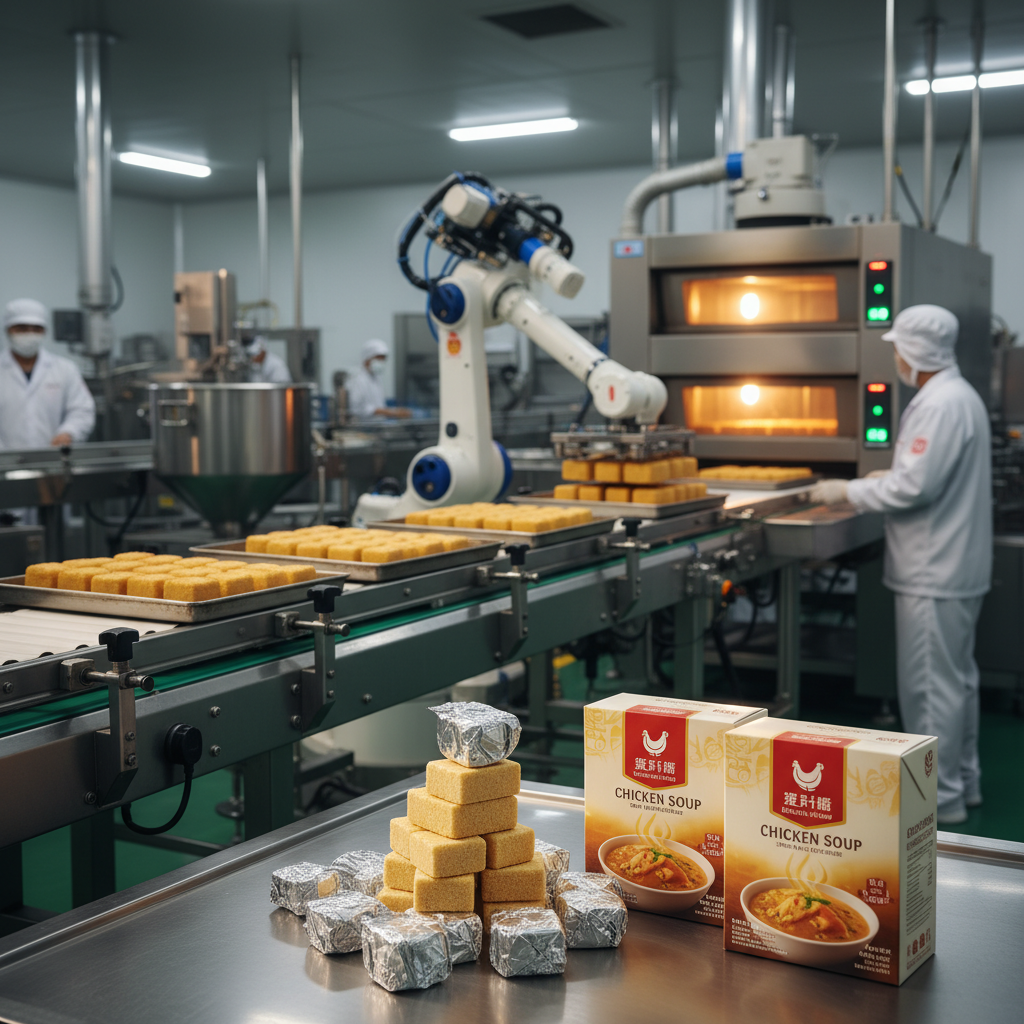
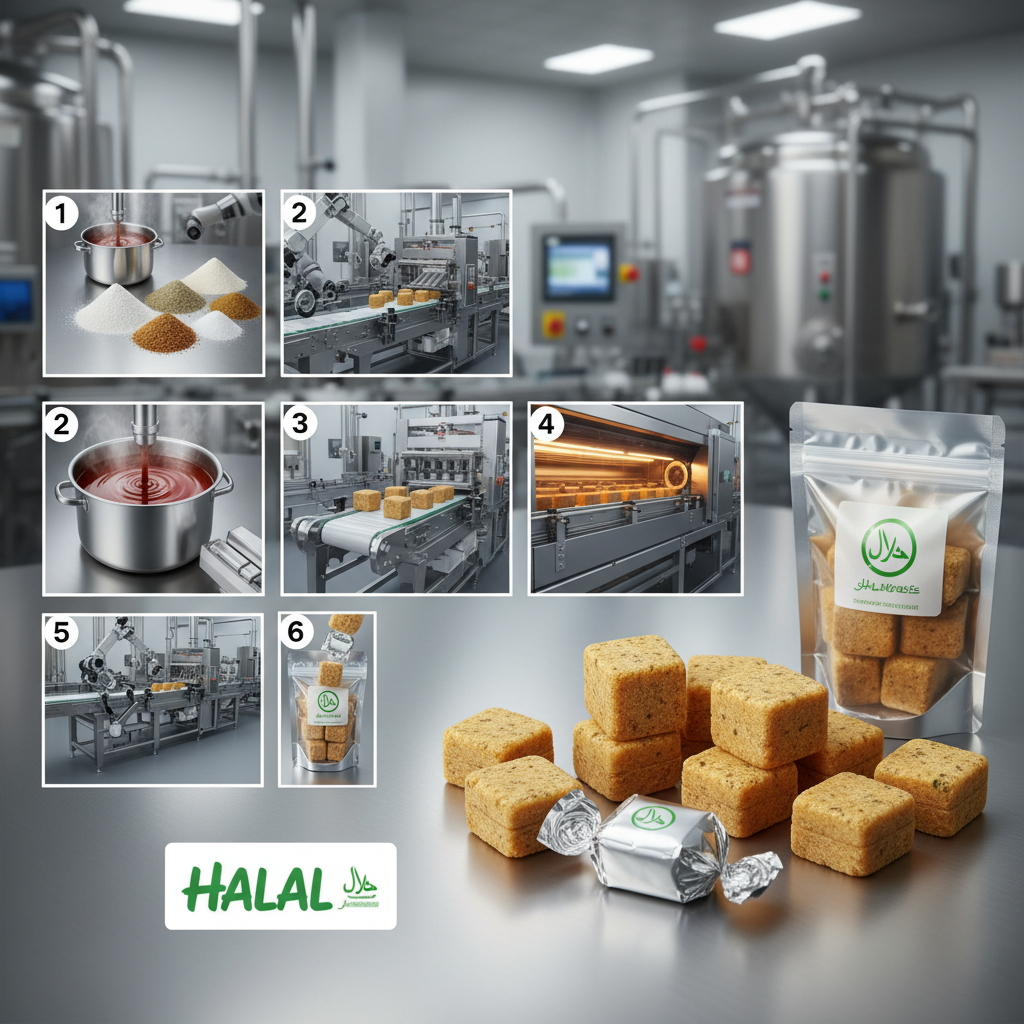
At its core, the chicken stock powder price represents the cumulative cost of raw material procurement, spray-drying technology, and stabilizing agents. Unlike fresh stock, the powder version requires an intensive dehydration process that preserves the umami profile while ensuring a shelf life of several years. This energy-intensive process is a primary driver of the final commercial cost.
From a technical standpoint, the pricing is also influenced by the concentration of MSG or natural yeast extracts used to mimic the deep savory taste of slow-simmered chicken. Higher concentrations of organic extracts typically drive the chicken stock powder price upward, as these ingredients are more expensive to synthesize and refine than synthetic alternatives.
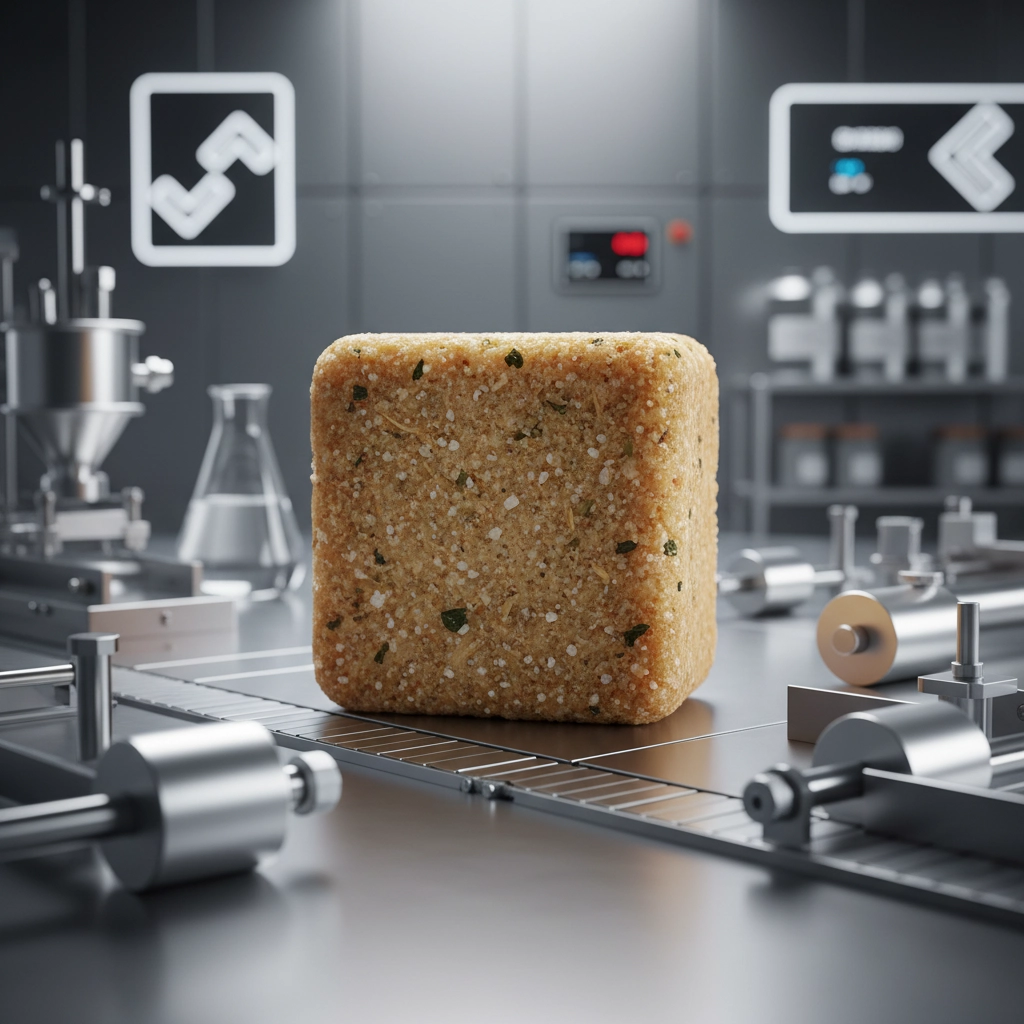
In the context of modern food manufacturing, these powders serve as a critical "cost-bridge." By providing a consistent flavor profile at a predictable price point, they allow brands to maintain taste consistency across different geographic regions, regardless of the local availability of fresh poultry.
Core Factors Influencing the Chicken Stock Powder Price
The purity level of the chicken extract is perhaps the most significant variable. A product containing 10% real chicken meat extract will naturally command a higher chicken stock powder price than one relying primarily on hydrolyzed vegetable proteins and artificial flavorings.
Logistical overheads, including cold-chain transport for raw materials and the energy costs of vacuum drying, create a baseline price floor. As energy prices fluctuate globally, manufacturers often adjust the wholesale chicken stock powder price to maintain margins, making energy efficiency a competitive advantage.
Packaging and certification also play a pivotal role. Food-grade aluminum foil packaging, required to prevent clumping and oxidation, adds to the per-unit cost. Additionally, obtaining Halal or Kosher certifications involves auditing processes that are reflected in the premium pricing of compliant stock powders.
Cost Efficiency and Scalability in Industrial Use
For large-scale food processors, the focus shifts from the unit price to the "cost-per-serving." When calculating the chicken stock powder price in an industrial context, the dilution ratio becomes the most critical metric. A highly concentrated powder may have a higher upfront cost but results in a lower overall expenditure per liter of prepared broth.
Scalability is further enhanced by the powder's stability. The reduction in waste compared to liquid stocks—which are prone to spoilage and require expensive refrigerated shipping—offsets the initial purchase price of the powder, providing a superior long-term ROI for pharmaceutical intermediates and food additive users.
Comparison of Cost-Efficiency by Ingredient Grade
Global Applications and Sector Use Cases
In the realm of instant noodle manufacturing and ready-to-eat (RTE) meals, the chicken stock powder price is a key variable in SKU pricing. Manufacturers in Southeast Asia and Africa rely heavily on these powders to provide protein-like flavors in affordable meal kits, ensuring nutritional appeal without the cost of fresh meat.
Beyond commercial food, these additives are utilized in emergency relief operations. In post-disaster zones, the lightweight nature and long shelf life of stock powder make it an ideal nutrient-dense flavor enhancer for humanitarian food aid, where the logistical cost of transporting liquids would be prohibitive.
Long-Term Value and Sustainability Benefits
The transition from liquid to powder significantly reduces the carbon footprint associated with transportation. Since the chicken stock powder price includes the cost of removing water weight, the subsequent reduction in shipping fuel and emissions provides an intangible but vital sustainability value for ESG-conscious companies.
Furthermore, the precision of powder dosing eliminates the "over-pouring" waste common with liquid concentrates. This operational efficiency ensures that the investment in the product is fully utilized, maximizing the value derived from every kilogram of purchased seasoning.
Trust and safety are also intrinsic to the value proposition. High-quality powders produced under GMP (Good Manufacturing Practices) reduce the risk of microbial contamination, providing a level of safety and reliability that fresh stocks cannot guarantee in high-volume industrial settings.
Future Innovations and Price Projections
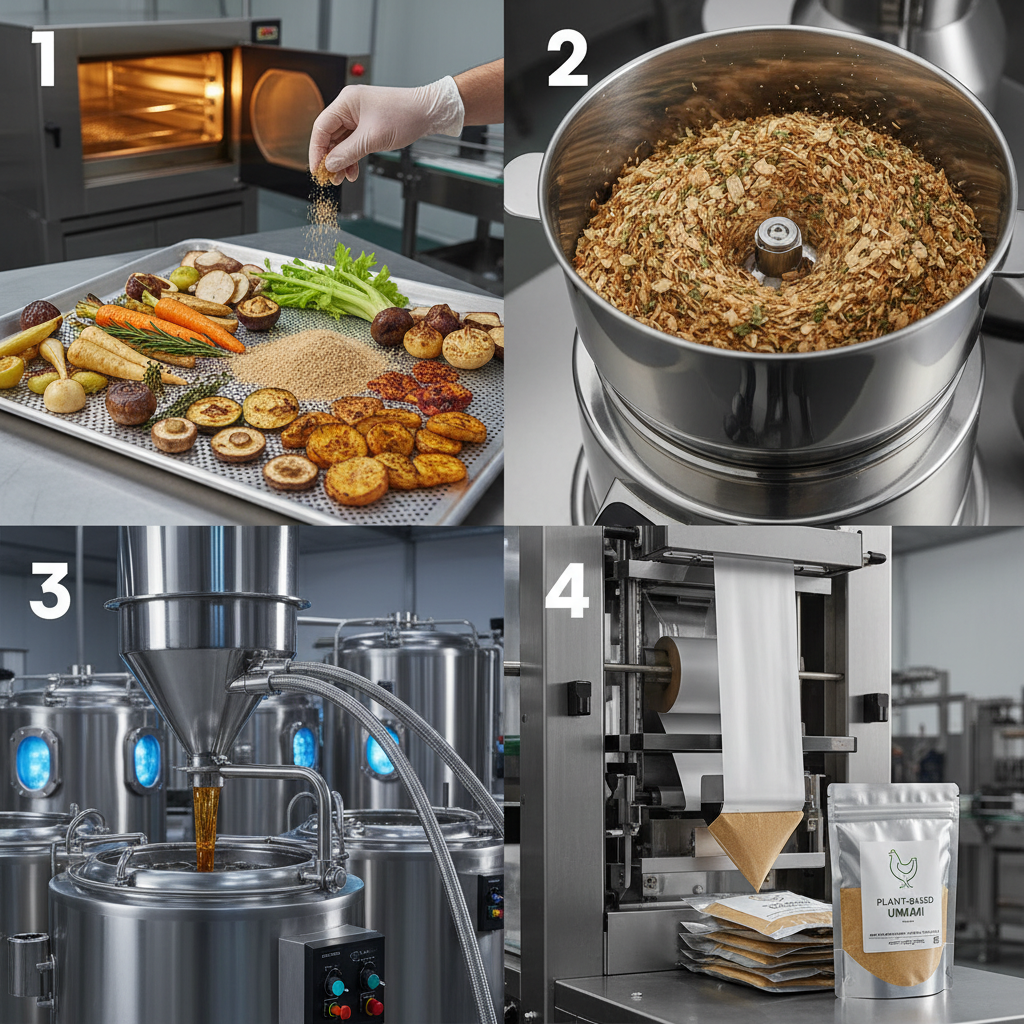
The future of the chicken stock powder price will likely be influenced by the rise of plant-based "chicken" alternatives. As fermentation-derived proteins and mycelium-based extracts become more viable, we expect to see a new pricing tier for "vegan chicken stock" that competes directly with traditional animal-based powders.
Digital transformation in the supply chain, including blockchain tracking for raw material sourcing, will introduce more transparency into how the price is calculated. This will allow buyers to see exactly how much of the cost is attributed to the raw poultry versus processing and logistics.
Automation in spray-drying technology is also expected to lower production costs. As AI-driven climate controls optimize the drying process, the energy overhead per batch will decrease, potentially stabilizing the wholesale chicken stock powder price despite rising global inflation.
Comparative Analysis of Chicken Stock Powder Pricing Tiers
| Product Grade |
Protein Content |
Price Volatility |
Recommended Use |
| Economy Grade |
2% - 5% |
Low |
Mass Market Snacks |
| Standard Grade |
6% - 12% |
Medium |
Commercial Catering |
| Premium Grade |
15% - 25% |
High |
Gourmet Food Production |
| Organic Grade |
10% - 20% |
Very High |
Health-Conscious Brands |
| Industrial Bulk |
5% - 10% |
Low |
Instant Soup Factories |
| Custom Blend |
Variable |
Medium |
Specialized Pharma/Food |
FAQS
The variation is primarily due to the concentration of actual chicken extract versus fillers like maltodextrin and salt. Premium suppliers use higher percentages of real meat solids and a more refined spray-drying process, which increases the cost but provides a superior umami profile and cleaner label.
Since poultry is a primary ingredient, any increase in corn or soy feed prices raises the cost of chicken production. Additionally, the cost of salt and sugar—key stabilizers in the powder—can fluctuate based on global harvest yields, directly impacting the final chicken stock powder price.
While bulk purchasing reduces the cost per kilogram, you can also lower expenses by choosing a grade that matches your specific application. For example, using a high-concentration powder requires less product per liter, which can be more cost-effective than buying a cheaper, low-concentration powder in bulk.
Yes, certifications typically add a modest premium. This is due to the stringent sourcing requirements for raw materials and the cost of third-party audits to ensure that no prohibited substances are used during the manufacturing process of the stock powder.
Typically, there is a lag of 2-4 weeks. Manufacturers often hold safety stocks of raw materials, but once those reserves are depleted, changes in the poultry or energy markets are quickly passed through to the wholesale chicken stock powder price.
Currently, high-quality plant-based alternatives are often more expensive due to the specialized fermentation and yeast-extraction processes required to mimic meat flavors. However, as production scales, the price gap is expected to close.
Conclusion
In summary, the chicken stock powder price is a complex metric influenced by raw material quality, energy costs, and logistical efficiency. By understanding the balance between protein concentration and dilution ratios, food manufacturers can optimize their procurement strategies to ensure both taste consistency and financial sustainability.
Looking forward, the industry will likely see a shift toward more transparent pricing and the integration of sustainable, plant-based alternatives. We recommend that businesses establish long-term partnerships with certified suppliers to hedge against market volatility and ensure a steady supply of high-quality seasoning. For premium sourcing and competitive pricing, visit our website: www.chinaseasoning.com.