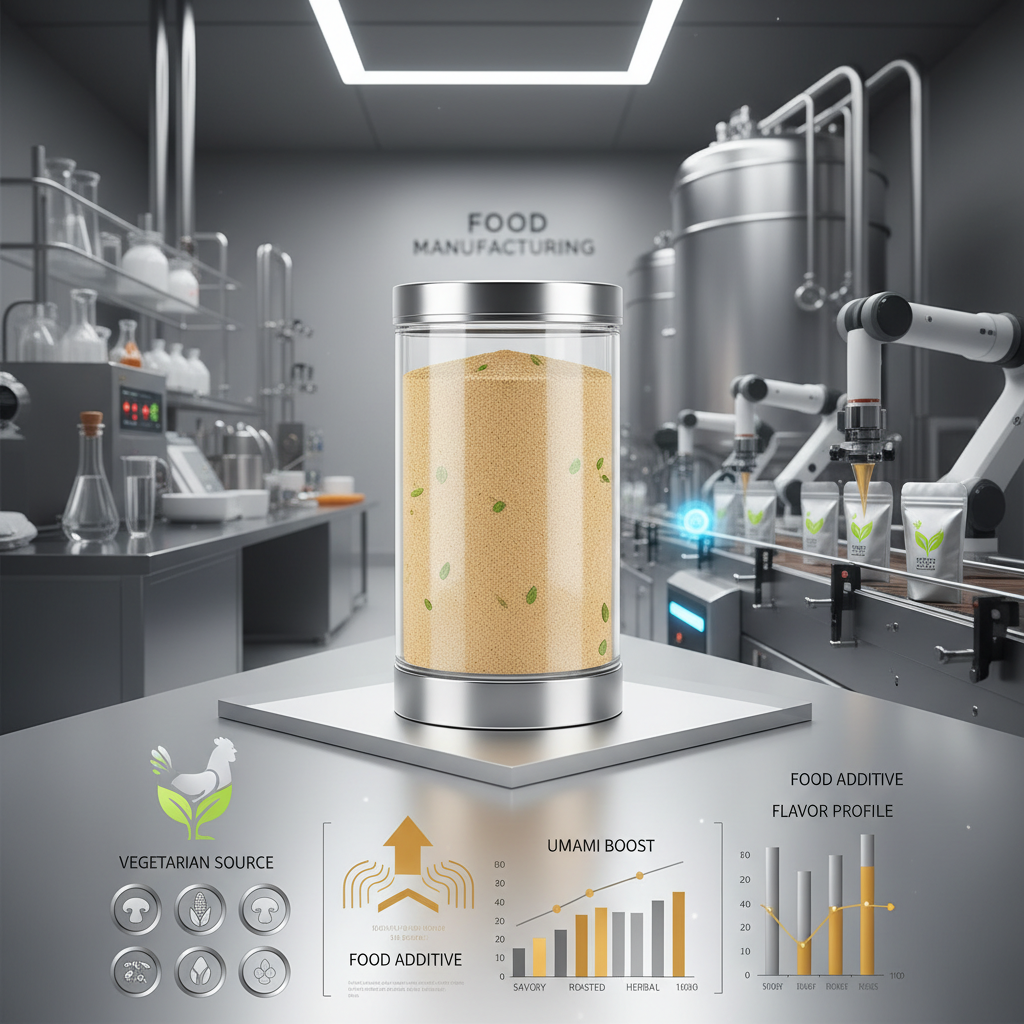
The global shift toward plant-based diets has catalyzed a significant demand for high-quality meat alternatives that do not compromise on taste. Among these, chicken flavor powder vegetarian has emerged as a pivotal ingredient, enabling food manufacturers to replicate the savory, umami-rich profile of traditional poultry without using animal derivatives. This innovation is not merely about catering to vegetarians, but about expanding the accessibility of sustainable protein options across the global food supply chain.
From a technical perspective, achieving a realistic "chicken" taste through plant-based chemistry involves a complex interplay of yeast extracts, hydrolyzed vegetable proteins, and precise aromatic compounds. The goal is to satisfy the sensory expectations of consumers who crave the familiarity of chicken while adhering to strict dietary restrictions or ethical standards. As a result, the development of chicken flavor powder vegetarian represents a intersection of food science and humanitarian effort to reduce the environmental footprint of industrial farming.
Understanding the nuances of this additive is essential for businesses operating in the food additive, feed additive, and pharmaceutical intermediate sectors. By optimizing the stability, solubility, and flavor release of these powders, brands can create products that range from instant soups and vegan snacks to high-protein meat substitutes. This comprehensive guide explores the industrial relevance, technical composition, and future trajectories of vegetarian chicken flavoring in the modern market.
Global Relevance of Chicken Flavor Powder Vegetarian
The global appetite for meat alternatives is no longer a niche trend; it is a systemic shift in consumption patterns. According to data aligned with UN sustainability goals, reducing reliance on animal agriculture is critical to mitigating greenhouse gas emissions and preserving biodiversity. In this context, chicken flavor powder vegetarian serves as a primary tool for food technologists to bridge the "taste gap," making the transition to plant-based diets seamless for the average consumer.
The challenge lies in the complex chemical composition of actual chicken, which involves specific lipids and amino acids that create a distinct savory profile. By utilizing advanced fermentation and synthesis techniques, the industry has developed vegetarian alternatives that mimic these profiles accurately. This allows manufacturers to produce "clean label" products that satisfy both the palate and the ethical requirements of a growing global population.
Defining the Chemistry of Plant-Based Chicken Flavor
At its core, chicken flavor powder vegetarian is a sophisticated blend of organic compounds designed to simulate the taste and aroma of cooked poultry. Unlike traditional bouillon, which relies on animal extracts, this powder utilizes Maillard reaction products—the result of heating amino acids and reducing sugars—to create the characteristic "roasted" or "savory" notes associated with chicken.
From a technical standpoint, the "vegetarian" designation ensures the absence of any animal-derived ingredients, often adhering to strict Halal, Kosher, or Vegan certifications. This makes the product an essential component for global trade, as it bypasses the religious and ethical restrictions associated with porcine or avian proteins, allowing for a unified product formulation that can be sold in diverse international markets.
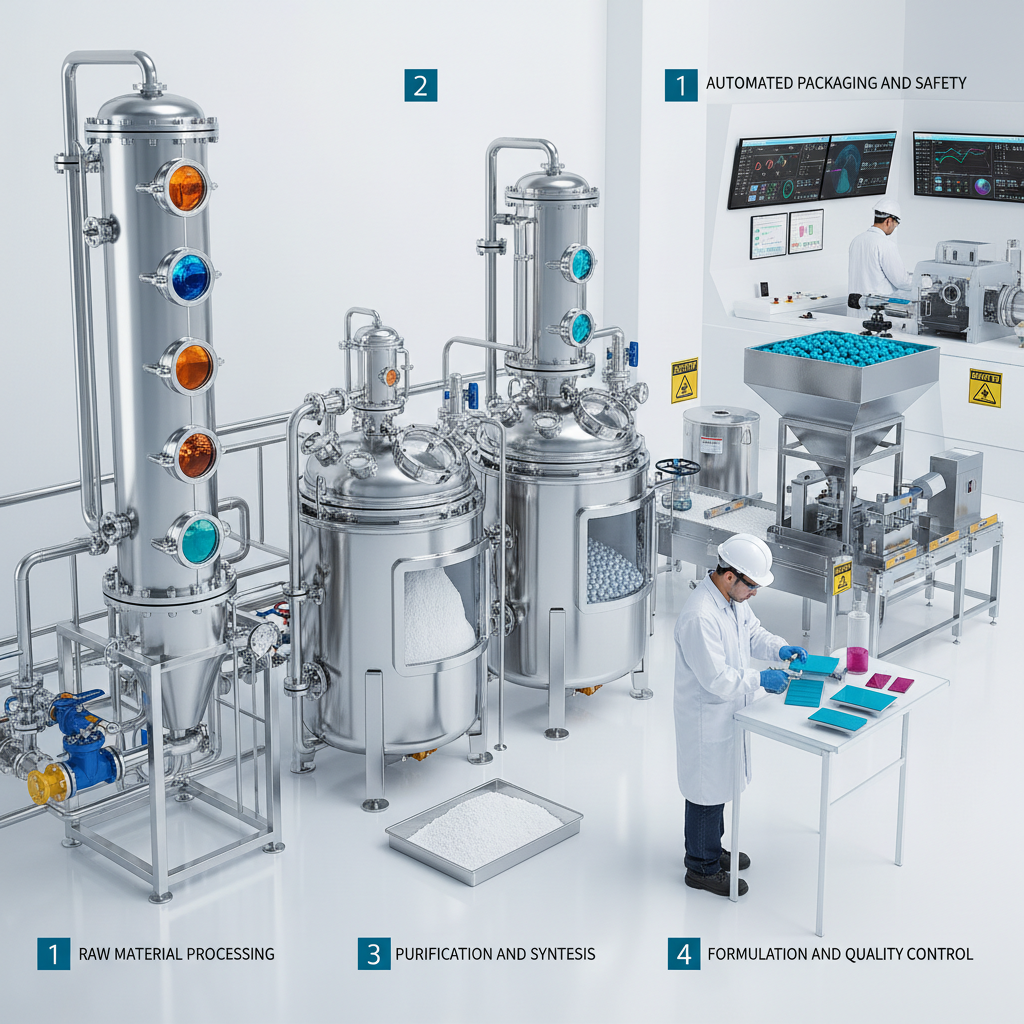
Furthermore, the powder form is chosen for its stability and ease of integration. By transforming liquid flavors into a concentrated powder through spray-drying or freeze-drying, manufacturers ensure a longer shelf life and a more consistent dosage in large-scale industrial mixing, which is critical for maintaining quality control in food and feed additive production.
Core Components for Flavor Authenticity
To achieve a high-fidelity taste, chicken flavor powder vegetarian relies on a foundation of Yeast Extracts. These extracts provide the essential glutamates and nucleotides that trigger the umami receptors on the human tongue, simulating the depth of flavor usually provided by animal proteins.
Another critical element is the use of Hydrolyzed Vegetable Proteins (HVP). By breaking down soy or corn proteins into smaller peptides, the chicken flavor powder vegetarian gains a salty, meaty complexity that anchors the more volatile aromatic notes, ensuring the flavor persists through the cooking process.
Finally, a precise blend of natural aromatics—such as onion, garlic, and celery powders—is added to provide the "top notes." These ingredients work synergistically with the umami base to create a complete sensory experience that the brain recognizes as "chicken," despite the entirely plant-based origin of the materials.
Industrial Performance and Scalability Metrics
When integrating chicken flavor powder vegetarian into industrial production, several performance metrics are evaluated: solubility, thermal stability, and cost-per-serving. A high-quality powder must dissolve rapidly in aqueous solutions without clumping, ensuring a uniform distribution of flavor across millions of units of a product, whether it be a snack food or a meat substitute.
Scalability is equally important. The ability to produce tons of consistent flavor powder without batch-to-batch variation allows food brands to maintain their flavor profile globally. The following data illustrates how different formulation methods of vegetarian chicken flavor are rated across key industrial performance indicators.
Performance Comparison of Chicken Flavor Powder Vegetarian Formulations
Global Applications and Market Use Cases
The application of chicken flavor powder vegetarian extends far beyond simple vegan cooking. In the ready-to-eat (RTE) meal sector, it is used to create savory bases for plant-based stews and instant noodles, providing a familiar taste profile that encourages consumers to switch from animal-based versions. This is particularly evident in Asian markets, where chicken-flavored products are staples of the convenience food industry.
Beyond consumer foods, these powders are increasingly utilized in the Feed Additive sector to improve the palatability of specialized livestock diets or pet foods that require specific nutritional profiles without animal-derived proteins. In some pharmaceutical intermediate applications, similar flavor-masking technologies are used to make nutritional supplements more palatable for patients with restricted diets, demonstrating the versatility of this food science innovation.
Long-Term Value and Sustainability Impact
The adoption of chicken flavor powder vegetarian offers profound long-term economic and environmental value. By replacing animal-derived flavorings, companies can drastically reduce their water footprint and carbon emissions associated with livestock farming. This aligns with the ESG (Environmental, Social, and Governance) goals that are now mandatory for many large-scale food corporations.
Logistically, the use of a plant-based powder reduces the risks associated with animal-based supply chains, such as disease outbreaks (e.g., avian flu) which can cause sudden price spikes and shortages in traditional chicken extracts. This ensures a stable price point and a reliable supply for manufacturers, leading to better long-term financial planning and market stability.
Moreover, there is a social dimension of dignity and inclusivity. By providing high-quality, tasty alternatives, the food industry respects the diverse dietary needs of billions of people globally, whether for religious, health, or ethical reasons. This fosters brand trust and loyalty among a conscious consumer base that values innovation and ethics over tradition.
Future Trends in Meat-Free Flavoring Technology
The future of chicken flavor powder vegetarian is being shaped by precision fermentation and biotechnology. We are moving away from general "meaty" flavors toward "species-specific" profiles. Using AI-driven molecular analysis, scientists can now identify the exact volatile compounds that make a specific breed of chicken taste unique and recreate them using genetically optimized yeast strains.
Digital transformation is also impacting how these flavors are developed. "Electronic noses" and AI sensory panels are replacing traditional human tasting in the early stages of R&D, allowing for faster iteration and more precise adjustments to the flavor profile. This automation reduces waste and accelerates the time-to-market for new product launches.
Sustainability will remain the primary driver, with a push toward "upcycled" ingredients. Future versions of this flavor powder may utilize side-streams from other food processes (like spent brewery grains) as the substrate for fermentation, creating a circular economy within the food additive industry.
Comparative Analysis of Vegetarian Chicken Flavoring Technologies
| Technology Type |
Flavor Fidelity |
Production Cost |
Eco-Sustainability |
| Yeast Extract Blends |
High |
Medium |
Very High |
| Hydrolyzed Proteins |
Medium |
Low |
High |
| Precision Fermentation |
Ultra-High |
High |
Extreme |
| Natural Aromatics |
Low |
Low |
High |
| Enzymatic Hydrolysis |
High |
Medium |
High |
| Synthetic Mimics |
Medium |
Very Low |
Medium |
FAQS
The primary difference is the source of the savory compounds. Regular bouillon uses animal-derived extracts, fats, and proteins. chicken flavor powder vegetarian achieves the same taste through plant-based alternatives like yeast extracts, hydrolyzed vegetable proteins, and natural aromatics, making it suitable for vegans and those with dietary restrictions.
Yes, most professional-grade chicken flavor powder vegetarian products are designed for thermal stability. Because they rely on Maillard reaction products and stable vegetable proteins, they maintain their flavor profile even during high-heat processes like baking or frying, unlike some liquid flavors that evaporate.
It depends on the base protein used. Some versions use wheat-based proteins, while others use soy, corn, or pea protein. Most premium manufacturers now offer non-GMO and gluten-free certifications to meet global health standards. Always check the specific technical data sheet (TDS) for allergen information.
Vegetarian powders often have a superior or equal shelf life because they lack the unstable animal fats that can oxidize and go rancid over time. When stored in a cool, dry place in airtight packaging, chicken flavor powder vegetarian can remain stable for 12 to 24 months.
The primary beneficiaries are the plant-based meat industry, the instant noodle and soup market, and the snack food sector. Additionally, the feed additive industry uses it to enhance palatability in specialized diets, and pharmaceutical companies use it for nutritional medical foods.
Importing requires compliance with the target country's food safety laws (such as FDA in the US or EFSA in the EU). We provide all necessary documentation, including Certificates of Analysis (CoA), MSDS, and Halal/Kosher certifications, to ensure a smooth customs clearance process for our global clients.
Conclusion
In summary, chicken flavor powder vegetarian is more than just a substitute; it is a high-performance industrial tool that enables the transition toward a more sustainable and inclusive global food system. By combining the science of umami with advanced manufacturing techniques, it provides the necessary sensory experience to drive the adoption of plant-based proteins without sacrificing the flavors that consumers love.
Looking forward, the integration of precision fermentation and AI-driven flavor design will only enhance the authenticity and sustainability of these products. For manufacturers aiming to capture the growing market of conscious consumers, investing in high-quality, stable, and ethical flavor solutions is no longer optional—it is a strategic necessity. Visit our website: www.chinaseasoning.com to explore our professional range of food additives.