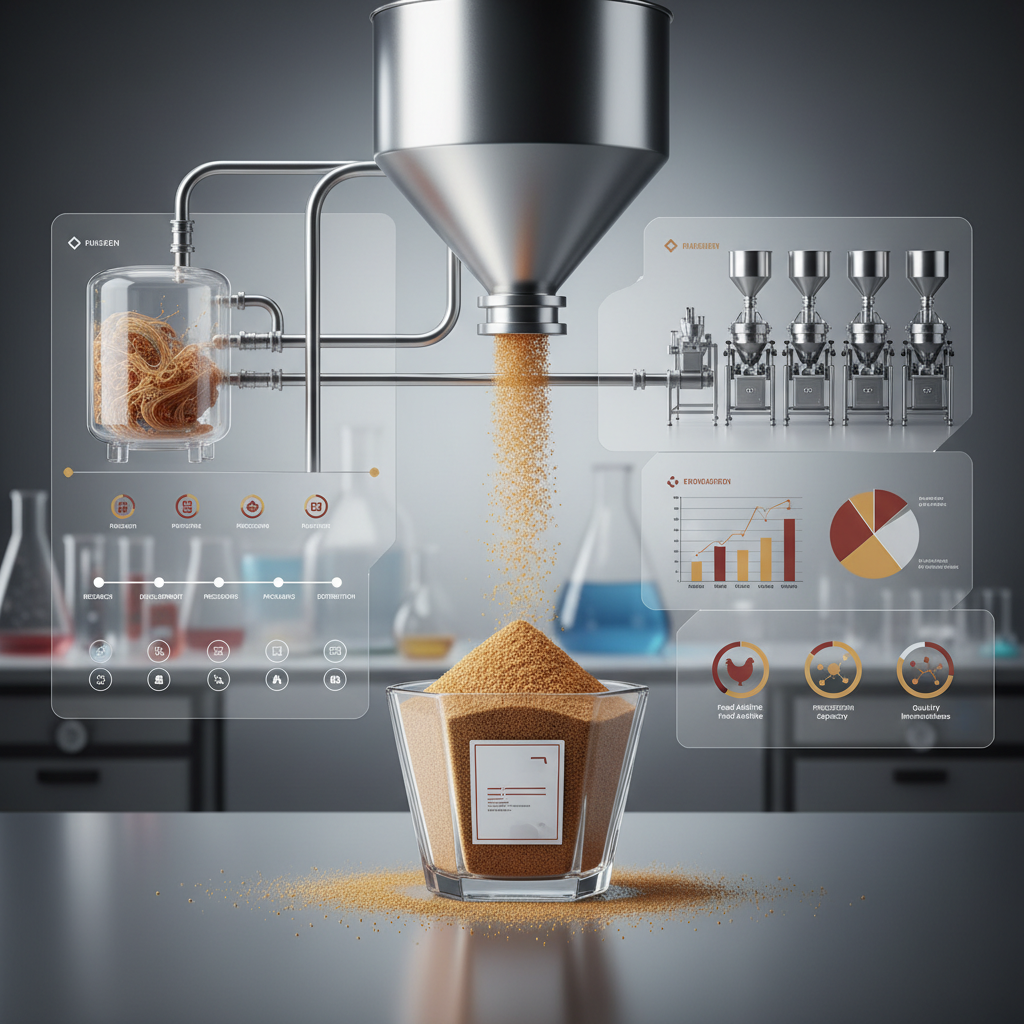
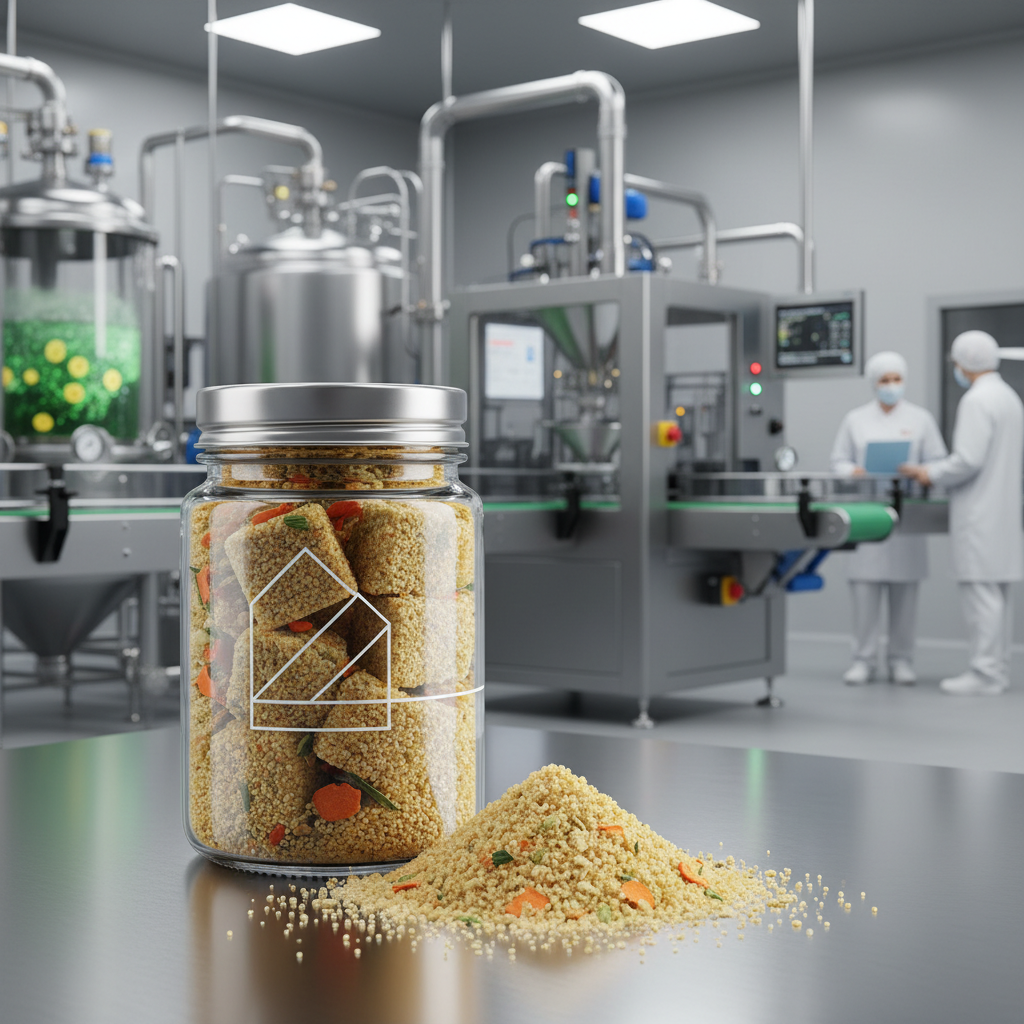
In the competitive landscape of the global food industry, the demand for consistent, high-quality flavor profiles has led to the widespread adoption of chicken flavor seasoning powder. This versatile additive allows food manufacturers to replicate the savory, comforting taste of roasted or boiled chicken across a vast array of product lines, from instant noodles to processed snacks, ensuring taste uniformity regardless of the raw material source.
Understanding the technical composition and application of this seasoning is crucial for brands aiming to optimize their production costs without sacrificing sensory quality. By leveraging advanced food chemistry, manufacturers can now achieve a "umami" depth that satisfies diverse consumer palates globally, making it an indispensable tool in the modern food additive sector.
Beyond simple taste enhancement, the integration of a premium chicken flavor seasoning powder addresses the logistical challenges of using fresh poultry in large-scale industrial processing. It provides a stable, long-shelf-life alternative that simplifies supply chain management while maintaining the nutritional and organoleptic standards expected by today's health-conscious and gourmet consumers.
Global Market Context of Chicken Flavor Seasoning Powder
The global appetite for savory flavors has seen a meteoric rise, with the savory seasoning market expanding as urbanization increases the demand for convenience foods. According to industry trends aligned with ISO food safety standards, chicken flavor seasoning powder has become a cornerstone for the "Ready-to-Eat" (RTE) sector, particularly in Asia-Pacific and Latin American markets where chicken is a primary protein source.
However, the industry faces a significant challenge: the volatility of raw poultry prices and the risk of biological contamination in fresh meat. This has shifted the focus toward high-purity additive solutions that provide a standardized taste profile, reducing waste and ensuring that food manufacturers can maintain a consistent flavor identity across different geographic regions.
Defining the Composition and Role of Chicken Seasoning
In technical terms, chicken flavor seasoning powder is a complex blend of hydrolyzed vegetable proteins, yeast extracts, salt, sugar, and specific aromatic compounds that mimic the Maillard reaction—the chemical process that occurs when meat is browned. This synthesis creates a potent, concentrated powder that can be easily integrated into liquid bases or dry mixes.
Beyond its chemical definition, this powder serves as a critical bridge in modern humanitarian and industrial needs. In regions facing food insecurity or in the production of fortified emergency rations, these seasonings provide essential sensory stimulation that encourages the consumption of nutrient-dense but bland food bases, effectively improving the palatability of survival meals.
From a manufacturing perspective, it acts as a "flavor anchor." Whether it is used in a pharmaceutical-grade nutritional supplement or a mass-market snack, the seasoning ensures that the end product delivers a familiar, comforting taste that triggers a positive psychological response in the consumer, thereby driving brand loyalty and repeat purchases.
Core Technical Components for Flavor Stability
The efficacy of chicken flavor seasoning powder depends heavily on its Umami Balance. By combining Glutamates with Inosinates and Guanylates, manufacturers create a synergistic effect that amplifies the perception of "meatiness," allowing for a reduction in overall sodium content while maintaining a rich, full-bodied taste.
Another critical factor is Hygroscopic Control. Because these powders are often used in dry mixes, preventing clumping is essential. High-grade chicken flavor seasoning powder incorporates food-grade anti-caking agents that ensure a free-flowing consistency, which is vital for automated dosing systems in large-scale food factories.
Finally, Thermal Stability ensures that the flavor does not degrade during high-heat processes such as extrusion or baking. Advanced encapsulation techniques protect the volatile aromatic molecules within a matrix, allowing the chicken essence to be released only upon consumption or rehydration, preserving the "fresh-cooked" aroma.
Performance Analysis of Different Production Methods
Depending on the target application, different production methodologies are employed to create chicken flavor seasoning powder. Spray drying is the most common for mass-market products due to its efficiency, while freeze-drying is reserved for premium, organic-grade seasonings where the preservation of delicate heat-sensitive compounds is paramount.
The choice of method directly impacts the solubility and the "attack" of the flavor on the palate. For instance, a chemically synthesized profile offers maximum consistency and cost-efficiency, whereas a natural-extract base provides a more nuanced and authentic taste profile that appeals to the "clean label" consumer segment.
Comparative Efficacy of Chicken Flavor Seasoning Powder Methods
Real-World Industrial Applications and Use Cases
The versatility of chicken flavor seasoning powder allows it to transcend simple food preparation. In the snack industry, it is the primary component for "savory" chips and puffed corn snacks, where it must adhere evenly to a lipid-coated surface without clumping, providing an immediate burst of flavor upon ingestion.
In more specialized contexts, such as the production of meal replacements for remote industrial zones or aerospace nutrition, this seasoning is used to combat "sensory fatigue." By providing a high-impact, familiar taste, it helps workers and astronauts maintain their appetite and psychological well-being during long-term isolation, proving that flavor is not just about taste, but about emotional comfort.
Economic Advantages and Long-Term Value
From a financial perspective, implementing a standardized chicken flavor seasoning powder drastically reduces the overhead costs associated with fresh meat procurement, storage, and waste management. For a large-scale manufacturer, the shift from liquid extracts to a concentrated powder can reduce shipping weights by up to 70%, significantly lowering the carbon footprint and logistics expenses.
Moreover, the reliability of a powdered additive ensures "batch-to-batch" consistency. In the food industry, a slight deviation in taste can lead to massive product recalls or loss of consumer trust. By using a chemically stabilized powder, brands can guarantee that a product purchased in New York tastes identical to one purchased in Tokyo, which is the bedrock of global brand equity.
Beyond the balance sheet, there is an ethical and sustainable angle. By reducing the reliance on actual poultry for flavoring, companies can lower their environmental impact, reducing the land and water usage associated with industrial livestock farming, thus aligning their business goals with global sustainability targets.
Future Innovations in Flavor Technology
The future of chicken flavor seasoning powder is being shaped by the rise of "Clean Label" movements and biotechnology. We are seeing a shift toward fermentation-based flavor production, where precision fermentation uses yeast to create identical-to-nature chicken proteins and fats without the need for animal slaughter, merging ethics with taste.
Digital transformation is also playing a role, with AI-driven flavor mapping allowing chemists to analyze consumer taste preferences in real-time and adjust the powder's composition. This means seasonings can now be "localized" automatically—adjusting the salt or spice levels based on regional data—while keeping the core chicken profile intact.
Furthermore, the integration of "smart" encapsulation is on the horizon. Future iterations of these seasonings may feature timed-release particles that deliver different flavor notes at different stages of the eating experience (e.g., an initial salty hit followed by a lingering roasted aroma), creating a more dynamic and sophisticated sensory experience.
Technical Specification and Performance Matrix of Chicken Flavor Seasoning Powder
| Grade Level |
Purity/Concentration |
Solubility Rate |
Shelf Life (Months) |
| Industrial Standard |
Medium (45-55%) |
High |
12 |
| Premium Gourmet |
High (65-80%) |
Very High |
18 |
| Organic/Natural |
Medium (50-60%) |
Moderate |
9 |
| Low-Sodium Grade |
Medium (40-50%) |
High |
12 |
| Fortified Grade |
High (60-75%) |
Moderate |
15 |
| Eco-Friendly Base |
Medium (45-55%) |
High |
12 |
FAQS
Natural powders are derived from actual chicken extracts and plant-based proteins through physical extraction, while artificial versions use chemically synthesized flavor molecules. Natural options offer a more complex, authentic taste, but artificial versions provide superior stability, consistency, and a lower cost point for mass production.
To avoid clumping, ensure the chicken flavor seasoning powder is stored in an airtight, moisture-proof container in a cool, dry environment. Using powders that contain high-quality food-grade anti-caking agents like silicon dioxide can also significantly improve flowability in humid climates.
Yes, provided you select a "vegan chicken flavor" variant. These are engineered using hydrolyzed soy or pea proteins and specific yeast extracts to mimic the savory profile of chicken without using any animal-derived ingredients, making them ideal for the growing plant-based market.
Most industrial-grade powders are designed to withstand moderate heat. However, for high-temperature baking or extrusion, we recommend using an encapsulated version. This ensures the aromatic compounds are protected and only released upon consumption, preventing the flavor from "burning off" during processing.
While salt is a common carrier, the use of umami enhancers (like I+G) allows manufacturers to achieve a strong savory taste with less total sodium. We offer low-sodium versions of chicken flavor seasoning powder specifically for health-conscious product lines.
For international trade, ensure the supplier provides ISO 22000, HACCP, and Halal or Kosher certifications depending on your target market. These certifications guarantee that the production process meets global food safety and dietary standards, facilitating smoother customs clearance.
Conclusion
In summary, chicken flavor seasoning powder is far more than a simple additive; it is a sophisticated tool of food engineering that enables consistency, cost-efficiency, and sensory satisfaction on a global scale. From its complex umami chemistry to its role in reducing the environmental impact of livestock farming, it provides a strategic advantage to manufacturers across the food, pharmaceutical, and nutritional sectors.
As the industry moves toward a future of precision fermentation and AI-driven flavor customization, the importance of high-quality, stable seasoning will only grow. We encourage food innovators to embrace these technological advancements to create products that are not only delicious but also sustainable and inclusive. To explore our range of premium seasoning solutions, visit our website: www.chinaseasoning.com