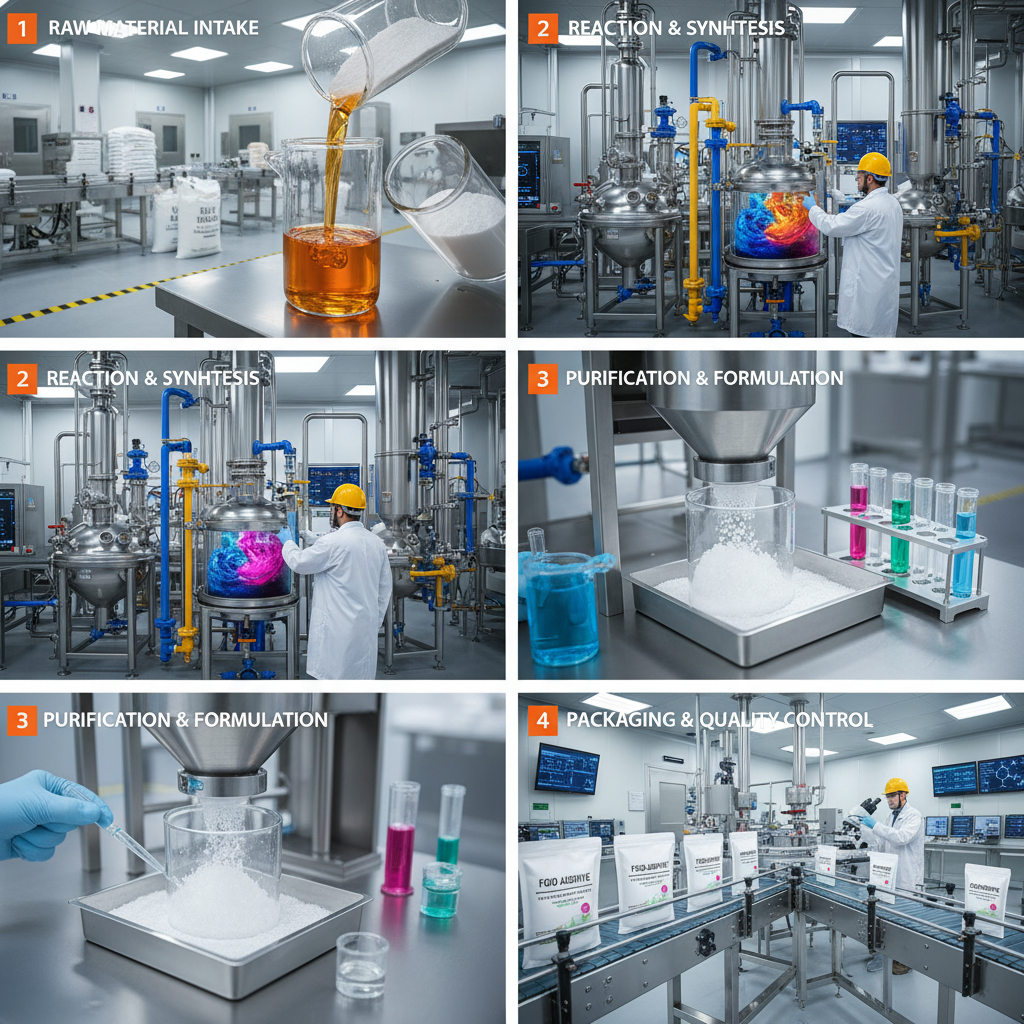
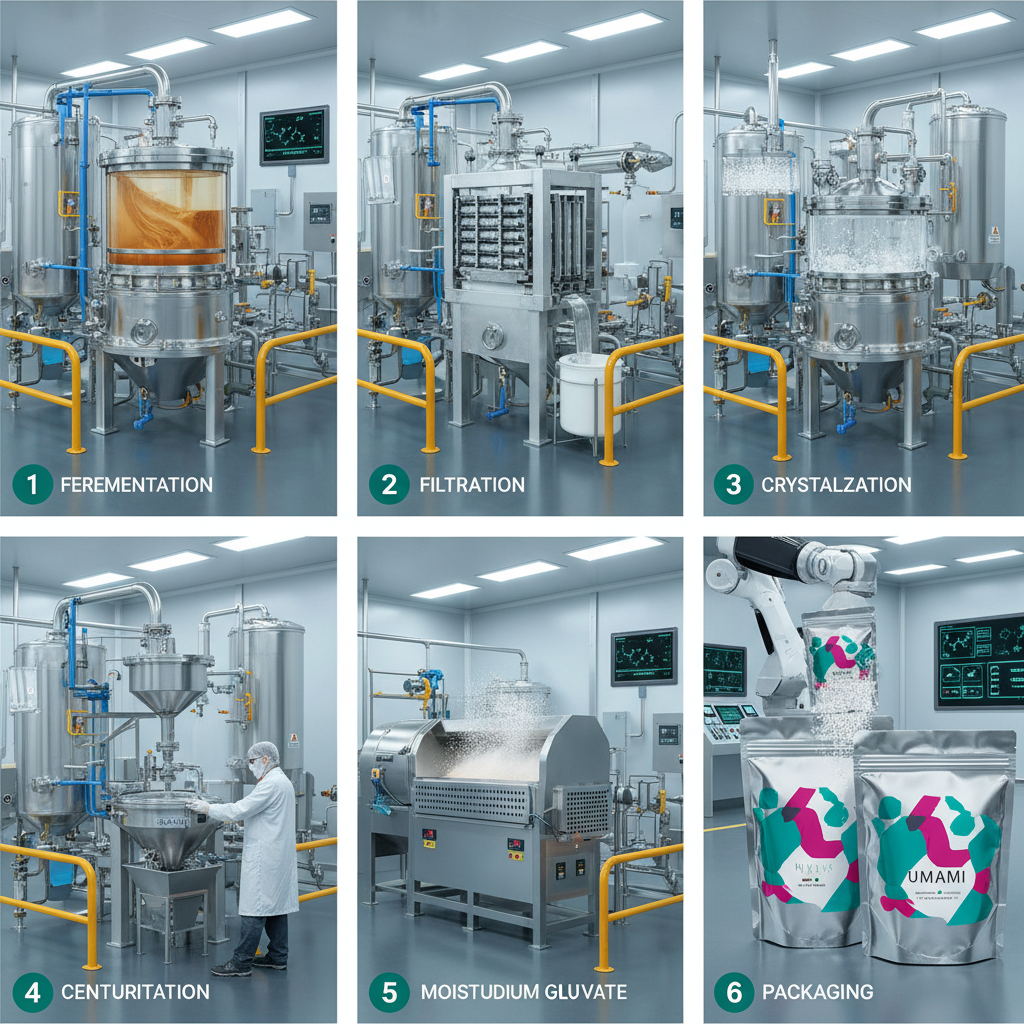
In the competitive landscape of the modern food industry, the demand for consistent, high-quality flavor profiles has led to the widespread adoption of chicken flavour seasoning powder. This versatile additive allows manufacturers to replicate the savory, comforting taste of roasted chicken across a vast array of product lines, from instant noodles to gourmet snacks, ensuring a standardized sensory experience for consumers worldwide.
The global shift toward convenience foods and the expansion of the processed meat alternatives market have placed a premium on precise flavor engineering. By utilizing advanced food science, chicken flavour seasoning powder solves the inherent instability of fresh ingredients, providing a shelf-stable, easy-to-dose solution that maintains aromatic integrity even under high-temperature processing conditions.
Understanding the technical composition and application of these seasonings is crucial for brands aiming to balance cost-efficiency with nutritional transparency. As consumer preferences lean toward "clean label" ingredients, the evolution of chicken flavour seasoning powder reflects a broader industry movement toward sustainable sourcing and the reduction of artificial additives without compromising on the mouthfeel and taste.
Global Market Dynamics of Chicken Flavour Seasoning Powder
The global appetite for savory seasonings is growing at a steady CAGR, driven largely by the urbanization of Asia-Pacific and Latin American markets. According to industry trends aligned with ISO food safety standards, chicken flavour seasoning powder has become a cornerstone ingredient for the fast-moving consumer goods (FMCG) sector, as it bridges the gap between affordability and gourmet taste.
However, the industry faces a significant challenge: the volatile cost of raw animal proteins and the rising demand for vegan-friendly alternatives. This has pushed manufacturers to innovate within the realm of hydrolysis and fermentation to create a seasoning powder that mimics the "umami" depth of real chicken while remaining cost-effective and scalable for mass production.
Technical Definition and Composition
At its core, chicken flavour seasoning powder is a complex blend of flavor enhancers, salt, maltodextrin, and specific aromatic compounds designed to replicate the chemical profile of cooked poultry. It is not merely a "taste" but a carefully engineered matrix of nucleotides and amino acids—most notably glutamates—that trigger the savory receptors on the human tongue.
In the context of modern industrial needs, this powder serves as a critical tool for consistency. Unlike fresh chicken broth, which varies by batch and region, the powdered form allows food engineers to maintain an exact flavor profile across millions of units, regardless of where the final product is packaged or consumed.
Furthermore, the integration of this powder into the pharmaceutical intermediate or food additive chain highlights its versatility. By controlling the particle size and solubility of the powder, manufacturers can ensure it dissolves instantly in soups or adheres perfectly to extruded snacks, meeting the rigorous demands of automated production lines.
Core Components Driving Flavor Stability
The efficacy of chicken flavour seasoning powder depends heavily on its aromatic stability. This is achieved through the use of carriers like maltodextrin, which encapsulate volatile flavor molecules, preventing them from evaporating during storage or being destroyed by the heat of a microwaveable meal.
Another critical factor is the synergistic effect of flavor enhancers. By combining Monosodium Glutamate (MSG) with disodium inosinate and guanylate, the "chicken" sensation of the chicken flavour seasoning powder is amplified exponentially, allowing brands to use less total sodium while achieving a more intense taste profile.
Lastly, hydrophobicity and flowability are essential for industrial scalability. A high-quality powder must not clump in humid environments; therefore, the addition of anti-caking agents ensures that the seasoning flows smoothly through dosing machines, reducing downtime and waste in the manufacturing plant.
Industrial Application and Performance Metrics
The application of chicken flavour seasoning powder spans various food categories, from the instant noodle packets of Southeast Asia to the seasoned chips of North America. The primary metric for success in these applications is the "Flavor Retention Rate" after processing, ensuring that the end consumer experiences the same richness as the initial sample.
Beyond taste, the cost-to-performance ratio is a key driver. Manufacturers evaluate different formulations based on how much powder is required to achieve a specific sensory threshold, aiming for maximum impact with minimum ingredient volume to keep the final retail price competitive.
Performance Rating of Various Chicken Flavour Seasoning Powder Formulations
Strategic Use Cases Across Global Regions
In the Asia-Pacific region, chicken flavour seasoning powder is indispensable for the massive instant noodle and snack markets. Here, the focus is often on high-intensity salt and umami profiles that complement spicy and sour regional tastes, providing a savory base that anchors complex flavor combinations.
Conversely, in the European and North American markets, there is a strategic pivot toward "Reduced Sodium" and "Organic" versions. In these regions, the powder is often used in ready-to-eat (RTE) meals where the emphasis is on a "homemade" chicken taste, requiring a more subtle, nuanced aromatic profile that avoids the "artificial" aftertaste common in low-grade additives.
Long-term Economic and Social Value
The economic value of chicken flavour seasoning powder lies in its ability to democratize high-quality taste. By reducing the reliance on expensive, perishable fresh chicken, it allows food producers in developing nations to provide nutrient-fortified, palatable food at a fraction of the cost, enhancing food security and accessibility.
From a sustainability perspective, the move toward plant-based "chicken" powders significantly lowers the carbon footprint associated with industrial livestock farming. This innovation allows consumers to maintain their dietary habits and emotional connection to familiar tastes while aligning with global environmental goals.
Moreover, the reliability of standardized powders builds trust between the B2B supplier and the food brand. When a manufacturer knows that their chicken flavour seasoning powder will behave identically in a factory in Brazil as it does in China, it reduces the risk of product recalls and quality failures, fostering global trade stability.
Future Innovations in Seasoning Technology
The future of chicken flavour seasoning powder is being shaped by biotechnology, specifically precision fermentation. By using yeast or fungi to produce specific chicken-like proteins and lipids, scientists can create a "bio-identical" flavor that is indistinguishable from animal sources but is entirely cruelty-free and sustainable.
Digital transformation is also playing a role, with AI-driven flavor mapping allowing companies to analyze consumer biometric responses to different seasoning blends in real-time. This allows for the hyper-customization of chicken flavour seasoning powder for specific demographics or health needs, such as low-glycemic or potassium-free versions.
Finally, the industry is moving toward "Green Chemistry" to replace synthetic carriers with biodegradable, plant-derived alternatives. This ensures that the entire lifecycle of the seasoning—from production to consumption—meets the strictest ESG (Environmental, Social, and Governance) criteria.
Comparative Analysis of Seasoning Production Technologies
| Production Method |
Flavor Fidelity |
Cost Efficiency |
Sustainability Score |
| Spray Drying (Standard) |
Medium |
High |
6/10 |
| Freeze Drying (Premium) |
Very High |
Low |
7/10 |
| Precision Fermentation |
High |
Medium |
10/10 |
| Chemical Synthesis |
Medium |
Very High |
4/10 |
| Enzymatic Hydrolysis |
High |
Medium |
8/10 |
| Plant-Based Extraction |
Medium |
Medium |
9/10 |
FAQS
While both provide a similar taste, seasoning powder is a more concentrated, finely milled additive designed for seamless integration into dry mixes (like snack coatings) or instant liquids. Bouillon cubes are compressed blocks intended primarily for dissolving in boiling water. The powder offers better dispersion and is more suitable for industrial-scale automated dosing systems.
Yes, many versions of chicken flavour seasoning powder are synthesized using yeast extracts, hydrolyzed vegetable proteins, and natural aromas, making them 100% plant-based. It is essential to check the specific ingredient list for "animal-derived" components, as we offer both traditional and vegan-certified formulations.
When stored in a cool, dry place and sealed in moisture-proof packaging, high-quality chicken flavour seasoning powder typically maintains its aromatic potency for 12 to 24 months. The use of anti-caking agents and encapsulation technology helps prevent degradation and clumping over time.
Absolutely. We provide bespoke formulation services where the sodium content can be adjusted to meet specific regional dietary guidelines or "low-salt" marketing claims. We can replace a portion of the sodium chloride with potassium salts or increase the concentration of umami nucleotides to maintain taste impact with less salt.
Clumping is usually caused by hygroscopic ingredients. We solve this by integrating food-grade silica or calcium phosphate as anti-caking agents. Additionally, we recommend using multi-layer aluminum foil packaging with vacuum sealing to isolate the powder from atmospheric moisture during transport and storage.
For international trade, look for ISO 22000 (Food Safety Management), HACCP, and Halal or Kosher certifications depending on your target market. These ensure that the chicken flavour seasoning powder is produced under strict hygienic conditions and meets global regulatory standards for food additives.
Conclusion
In summary, chicken flavour seasoning powder is far more than a simple food additive; it is a sophisticated tool of modern food engineering that ensures taste consistency, reduces production costs, and enables the creation of diverse, palatable food products on a global scale. From its technical composition and aromatic stability to its application in varying cultural contexts, this seasoning is central to the efficiency of the processed food industry.
Looking forward, the integration of precision fermentation and AI-driven flavor design will continue to elevate the quality and sustainability of these products. For manufacturers seeking to balance authentic taste with clean-label requirements and cost-efficiency, investing in high-grade, scientifically formulated seasonings is the key to long-term market success. Visit our website for more information: www.chinaseasoning.com