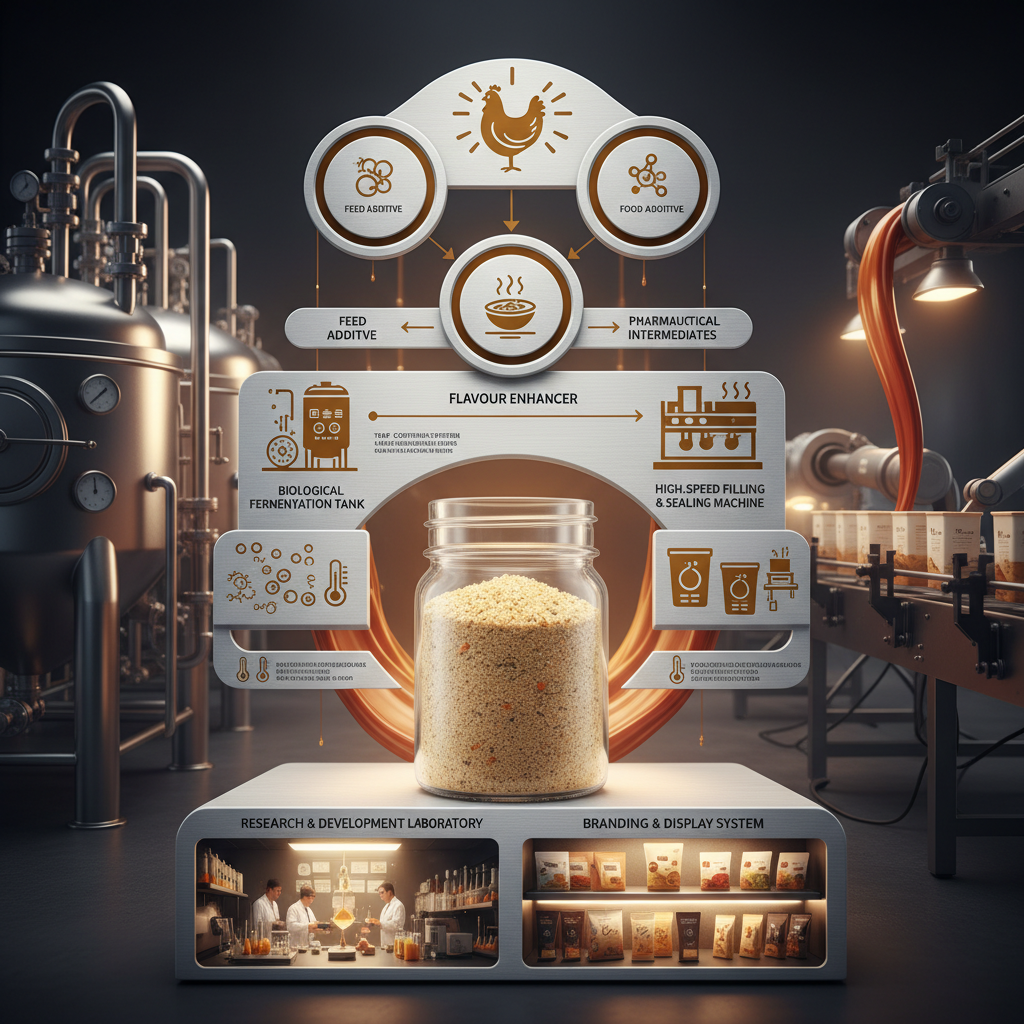
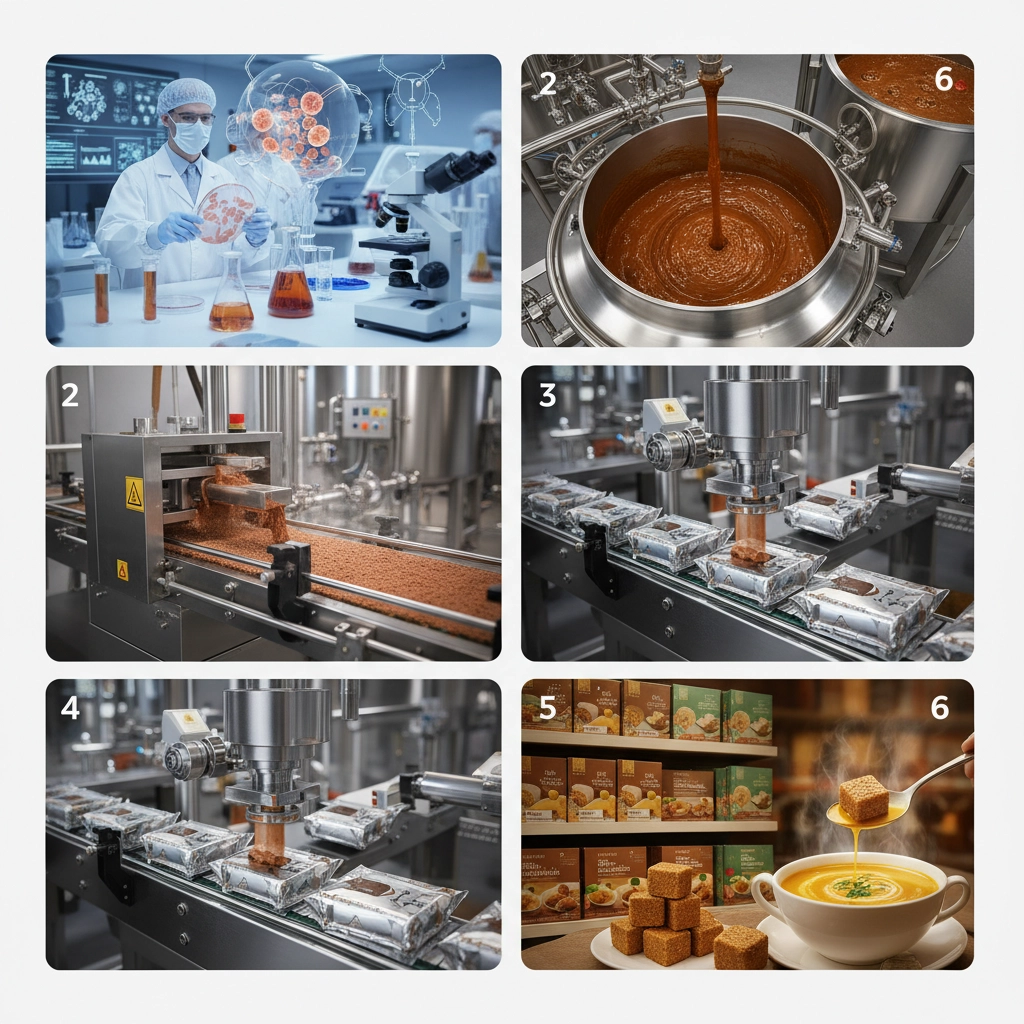
In the competitive landscape of the global food industry, the demand for consistent, high-quality taste profiles has led to the widespread adoption of chicken flavour stock powder. This versatile additive serves as a cornerstone for food manufacturers, enabling the creation of savory bases that mirror the complexity of slow-simmered poultry broth without the exhaustive labor and time traditionally required.
Beyond mere convenience, the integration of professional-grade stock powders allows for precise control over sodium levels, nutritional fortification, and flavor stability across different climatic conditions. As consumer preferences shift toward "umami-rich" experiences and convenient meal solutions, the strategic use of these powders ensures that brands can maintain taste consistency regardless of where their products are manufactured or consumed.
Understanding the technical composition and application of chicken flavour stock powder is essential for optimizing production costs while enhancing the sensory appeal of final products. Whether used in instant noodles, canned soups, or as a base for gourmet sauces, this additive bridges the gap between industrial efficiency and authentic culinary enjoyment.
Global Market Relevance of Chicken Flavour Stock Powder
The global appetite for savory convenience has pushed chicken flavour stock powder into a critical position within the food additives market. According to market trends aligning with ISO quality standards, the shift toward processed "ready-to-eat" meals in emerging economies has spiked the demand for stable, powdered bases that can be transported without refrigeration.
However, manufacturers face a significant challenge: balancing the "natural" taste expected by modern consumers with the scalability required for mass production. This tension has driven a wave of innovation in spray-drying and fermentation technologies to ensure that the powder retains a fresh, meaty profile without relying solely on artificial enhancers.
Defining the Composition of Modern Stock Powders
At its core, chicken flavour stock powder is a dehydrated blend of savory components designed to reconstitute into a rich broth. It typically combines chicken extracts, maltodextrin for bulk and stability, salt for preservation, and a curated mix of aromatics like onion and garlic powders to create a multi-dimensional taste profile.
In the context of modern industrial food manufacturing, these powders are more than just seasonings; they are engineered solutions. By manipulating the ratio of ribonucleotides and glutamates, chemists can evoke the specific "umami" sensation that triggers satiety and pleasure in the consumer, making the product indispensable for snack foods and instant soups.
Furthermore, the humanitarian relevance of these powders is often overlooked. In disaster relief operations or regions with limited infrastructure, concentrated stock powders provide a calorie-efficient way to add essential nutrients and palatable flavor to basic grains, transforming bland emergency rations into comforting meals.
Key Technical Factors for Quality Assurance
One of the most critical factors in producing chicken flavour stock powder is solubility. A high-quality powder must dissolve instantly in hot or cold water without clumping, ensuring that the final product has a uniform taste and texture throughout the batch.
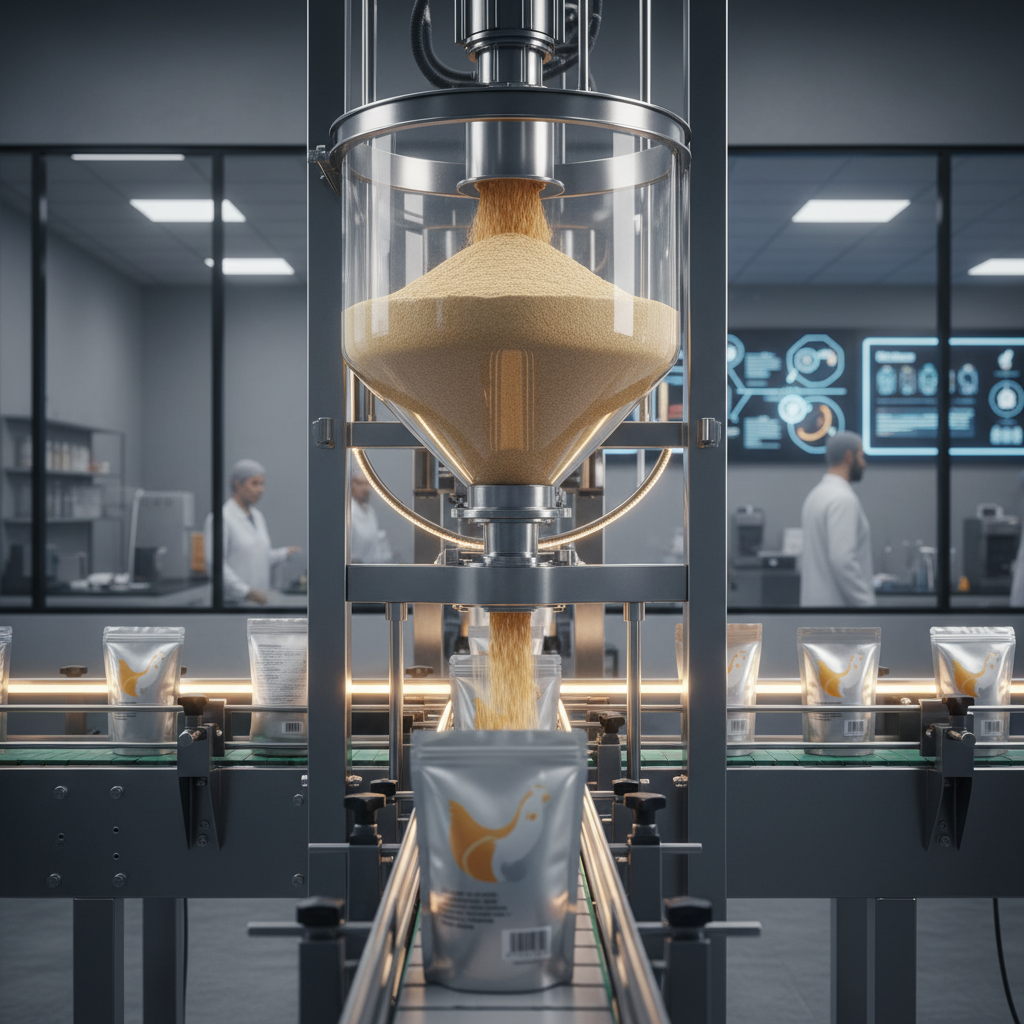
Stability and shelf-life are equally paramount. Because chicken flavour stock powder often contains fats and proteins, preventing oxidation is key. Advanced anti-caking agents and vacuum-sealed packaging are employed to prevent the powder from hardening, ensuring it remains free-flowing for industrial dosing systems.
Finally, flavor authenticity depends on the precision of the aromatic profile. Top-tier manufacturers utilize GC-MS (Gas Chromatography-Mass Spectrometry) to analyze the volatile compounds of real chicken stock, recreating those exact notes in the powder to avoid a "chemical" aftertaste.
Industrial Applications and Use Cases
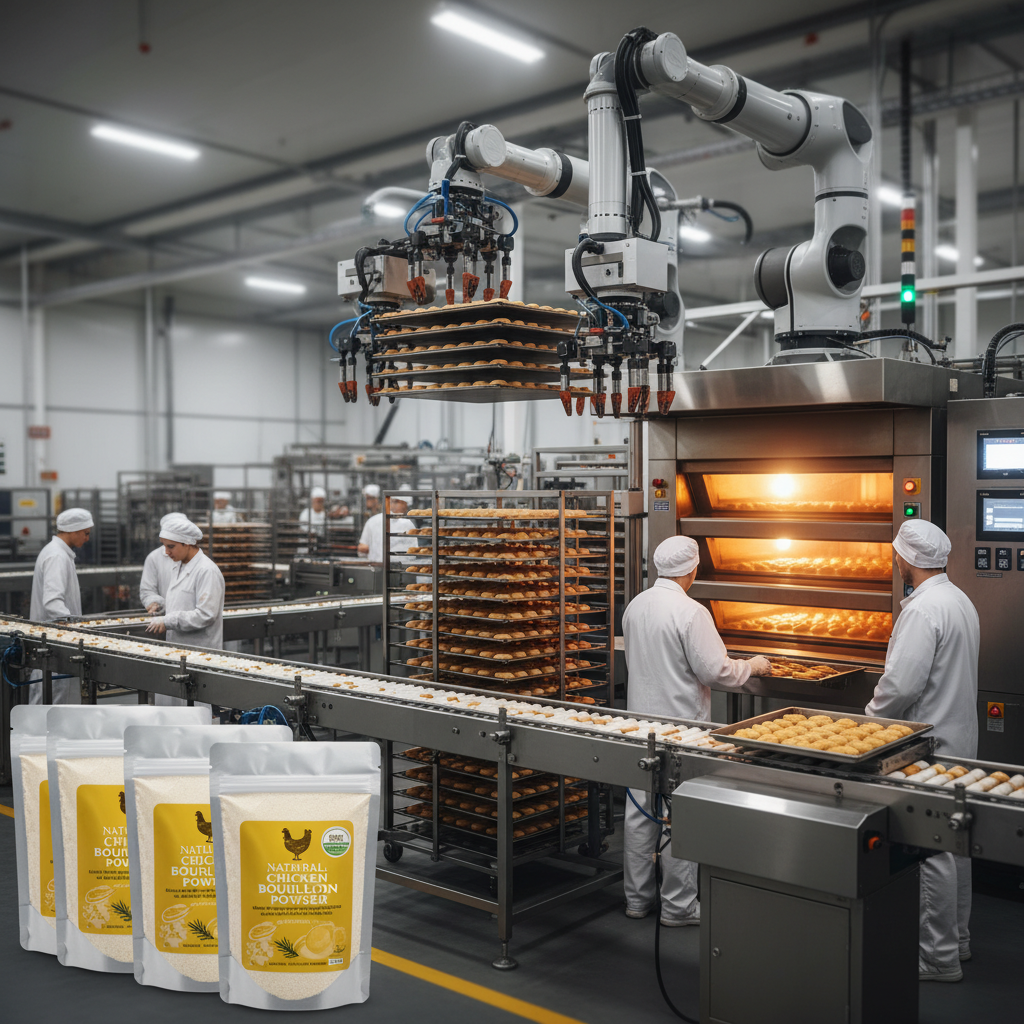
The application of chicken flavour stock powder spans across diverse sectors. In the FMCG (Fast-Moving Consumer Goods) sector, it is the primary seasoning for instant noodle packets and dehydrated soup mixes. Its ability to withstand high-temperature processing makes it ideal for retorted foods and canned stews.
Beyond the supermarket shelf, these powders are utilized in large-scale catering and remote industrial zones, such as mining camps or offshore rigs. In these environments, the ability to produce a consistent, high-quality chicken base without needing fresh carcasses or hours of simmering reduces waste and optimizes kitchen logistics.
Performance Metrics of Chicken Flavour Stock Powder Variants
Economic and Operational Advantages
Implementing chicken flavour stock powder provides an immediate boost to cost-efficiency. By replacing fresh ingredients with a concentrated powder, companies drastically reduce raw material procurement costs and eliminate the expensive cold-chain logistics associated with fresh poultry extracts.
From an operational standpoint, the reliability of powdered additives ensures that production lines run smoothly. There is no variance in batch quality, which means less downtime for adjustments and a significant reduction in product waste. This predictability builds trust with downstream distributors and end-consumers.
Future Innovations in Flavor Technology
The future of chicken flavour stock powder is leaning heavily toward "clean label" initiatives. Research is currently focused on using precision fermentation to create proteins and flavor molecules that are identical to chicken but are entirely plant-based or lab-grown, catering to the growing vegan and flexitarian markets.
Digital transformation is also playing a role through AI-driven flavor mapping. By analyzing consumer data in real-time, manufacturers can tweak the aromatic composition of their stock powders to match regional taste preferences—such as increasing ginger notes for East Asian markets or enhancing herbal notes for European markets—with surgical precision.
Sustainability is the final frontier. New encapsulation technologies are being developed to protect flavor molecules using biodegradable polymers, reducing the need for synthetic stabilizers and ensuring that the entire production cycle of the stock powder is eco-friendly.
Overcoming Common Formulation Challenges
One of the most common hurdles is the "metallic" or "overly salty" taste that can occur in lower-grade chicken flavour stock powder. This is often caused by an imbalance in the mineral content or the use of low-quality salt. The solution lies in utilizing potassium-based salt substitutes and natural yeast extracts to provide depth without the harshness of sodium.
Another challenge is hygroscopicity—the tendency of the powder to absorb moisture from the air. This can lead to "caking," which ruins the flow in automated packaging machines. Experts recommend the use of food-grade silicon dioxide or modified starches to create a protective barrier around the particles.
Lastly, maintaining a consistent color is difficult when using natural extracts. To solve this, manufacturers are moving away from synthetic dyes and toward standardized carotenoids and yeast-derived colors that provide a golden, appetizing hue that remains stable throughout the product's shelf life.
Technical Analysis of Chicken Flavour Stock Powder Optimization
| Challenge Dimension |
Common Symptom |
Innovative Solution |
Impact Score (1-10) |
| Solubility |
Clumping in water |
Agglomeration processing |
9 |
| Taste Profile |
Artificial aftertaste |
Yeast extract blending |
10 |
| Storage |
Powder caking |
Moisture-barrier foil |
8 |
| Nutrition |
High sodium levels |
Potassium salt substitution |
7 |
| Appearance |
Pale or inconsistent color |
Standardized Riboflavin |
8 |
| Cost |
High raw material cost |
Optimized carrier ratios |
9 |
FAQS
While both serve a similar purpose, chicken flavour stock powder offers superior solubility and precision in dosing. Powders dissolve faster and more evenly, making them ideal for industrial applications and instant products, whereas cubes often contain higher binders and take longer to break down.
To prevent caking, it is essential to store the powder in a cool, dry environment using airtight, moisture-proof packaging. Industrially, incorporating food-grade anti-caking agents like silicon dioxide during the formulation phase ensures the powder remains fluid during automated dispensing.
Standard stock powders contain animal extracts. However, there are specific "chicken-style" flavour powders created using hydrolyzed vegetable proteins and yeast extracts that mimic the taste of chicken perfectly while remaining 100% vegan and plant-based.
Because salt is used as both a flavor enhancer and a preservative, stock powders can contribute significantly to sodium levels. We recommend using low-sodium variants or balancing the formulation with potassium salts to meet health regulations without sacrificing the savory profile.
When stored in original, sealed packaging under optimal conditions (low humidity, room temperature), professional chicken flavour stock powder typically remains stable for 12 to 24 months. Using nitrogen-flushed packaging can further extend this duration.
Yes, provided you use a highly soluble, agglomerated version of the powder. These variants are engineered to disperse in cold liquids without leaving granules, making them perfect for savory mayonnaise, salad dressings, or cold dips.
Conclusion
In summary, chicken flavour stock powder represents the perfect intersection of culinary art and chemical engineering. By providing a stable, cost-effective, and highly consistent flavor base, it enables food manufacturers to scale their operations without compromising the sensory experience that consumers crave. From solving solubility issues to embracing the "clean label" trend, the evolution of this additive continues to drive efficiency across the global food supply chain.
As we look forward, the integration of sustainable sourcing and AI-driven flavor customization will likely redefine the standards of the industry. For brands seeking to optimize their product profiles and reduce operational overhead, investing in high-quality, technically sound flavor solutions is no longer optional—it is a strategic imperative. Explore our professional range of solutions and elevate your product quality today. Visit our website: www.chinaseasoning.com