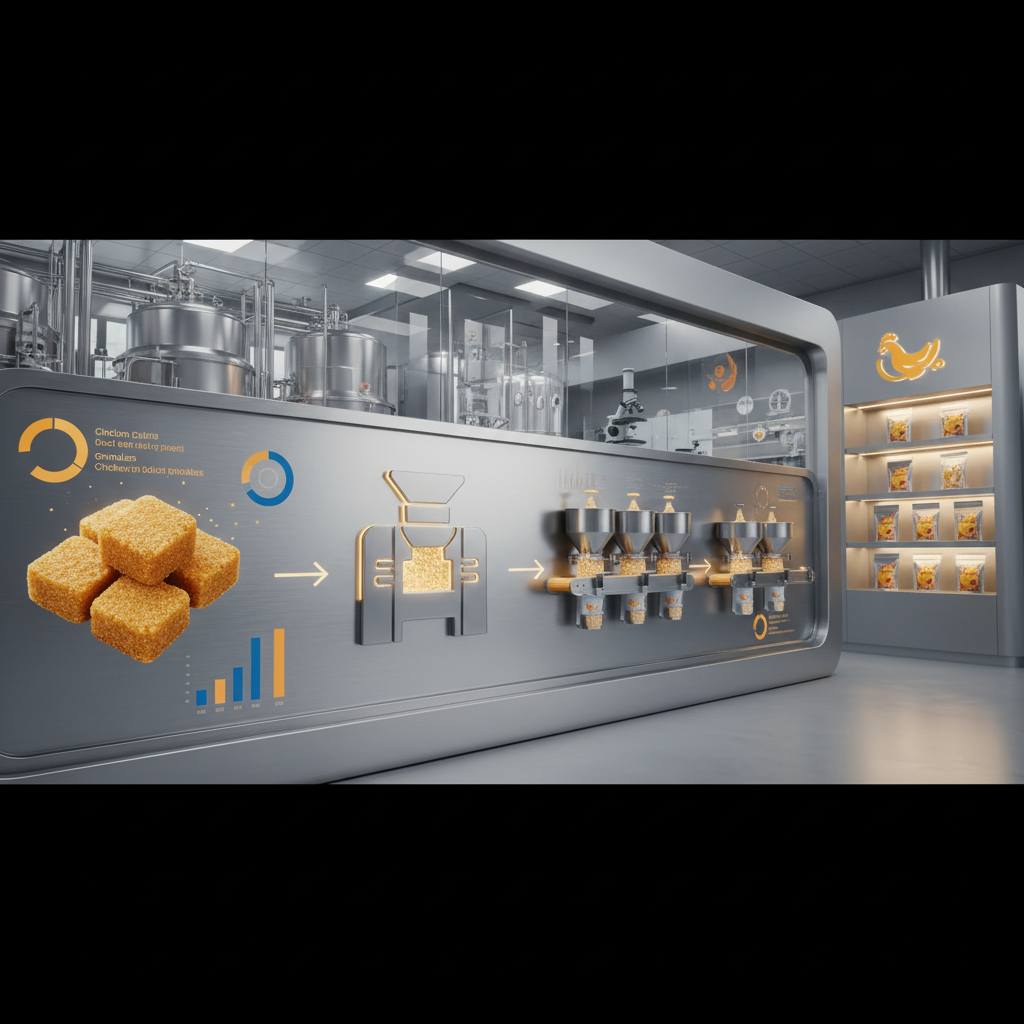
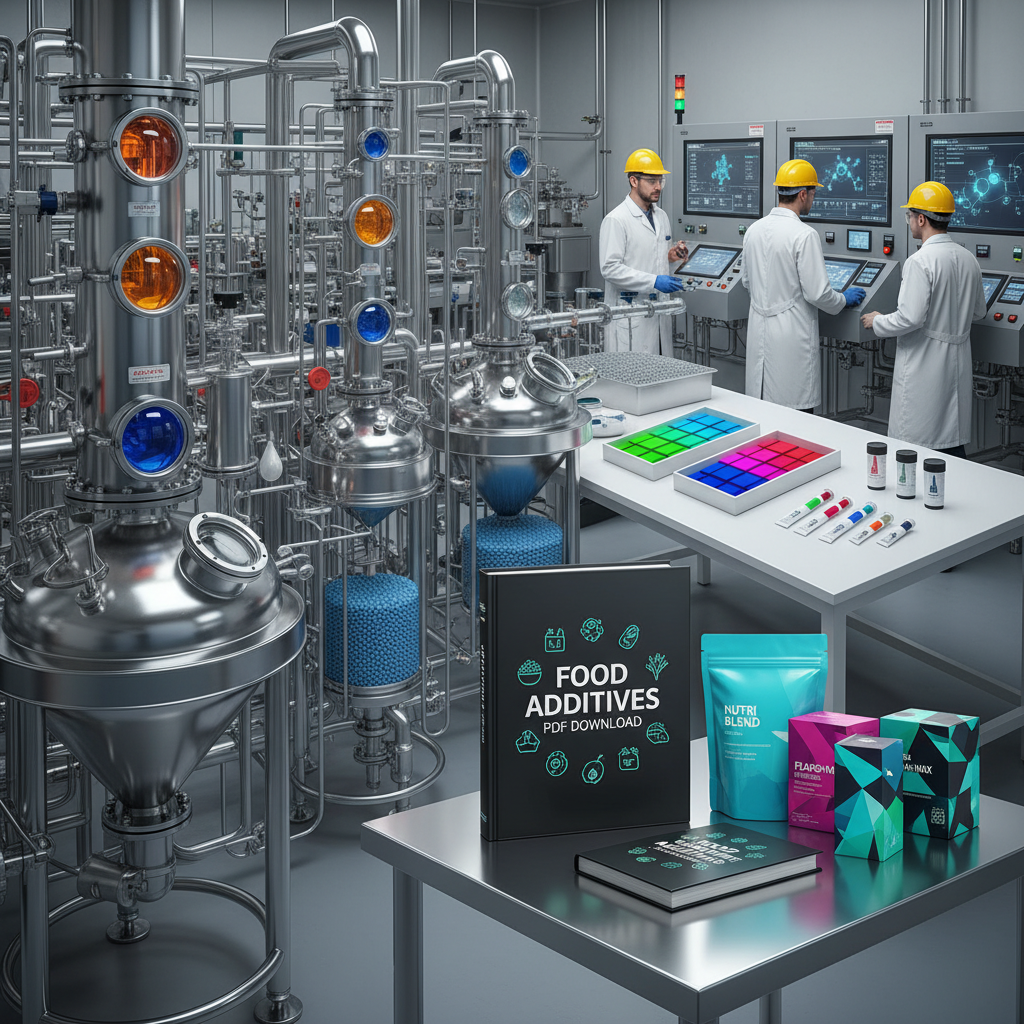
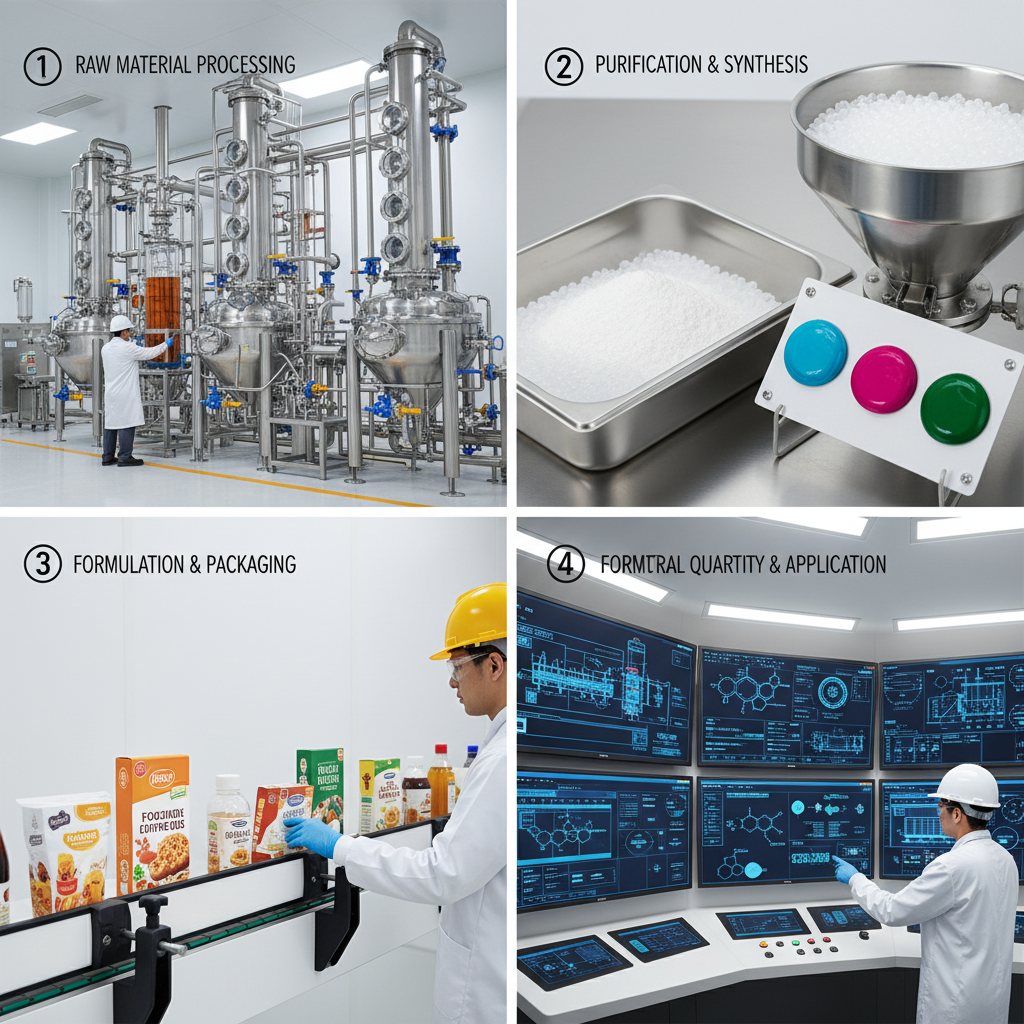
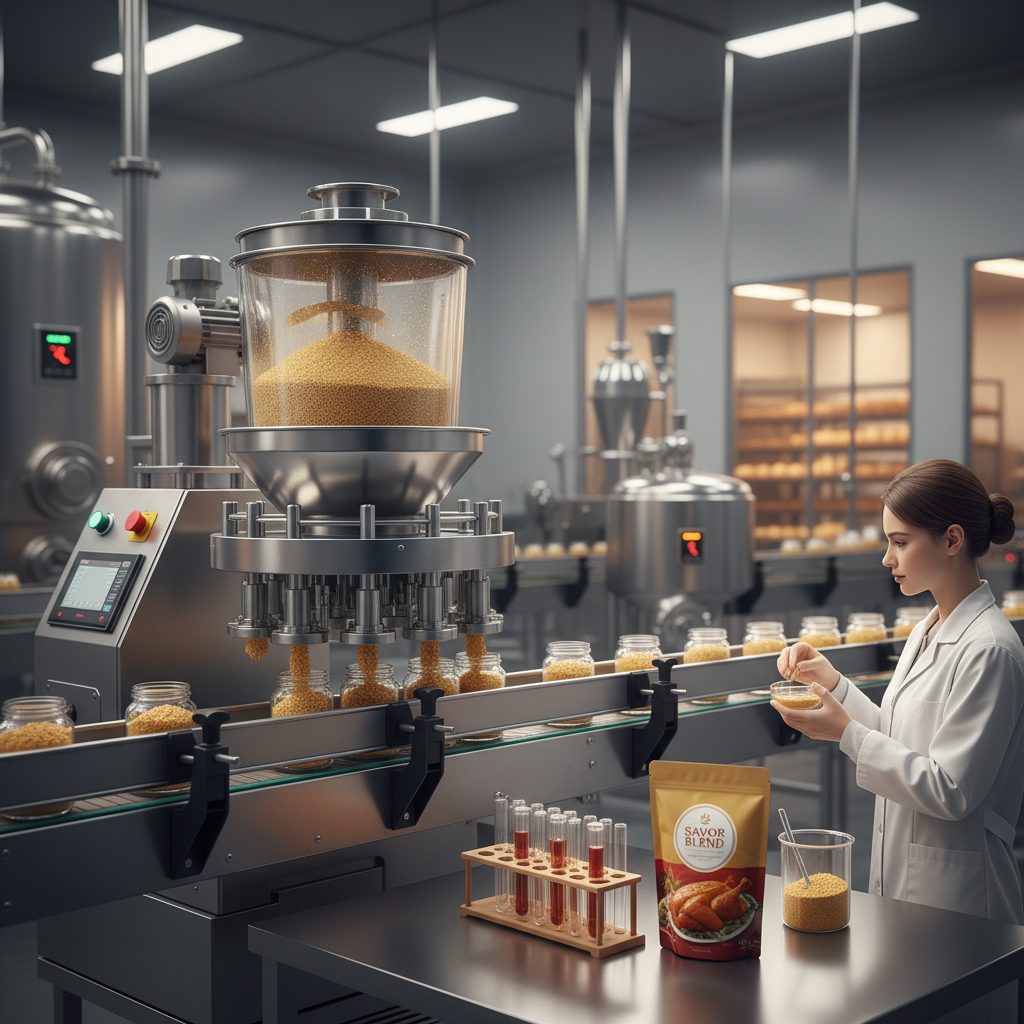
The transition from chicken bouillon cubes to granules represents a significant evolution in the food additive industry, focusing on solubility, precision, and consumer convenience. As global culinary demands shift toward faster preparation and consistent flavor profiles, the shift toward granulated forms allows for more flexible dosing and seamless integration into diverse food systems.
Understanding the technical nuances of converting chicken bouillon cubes to granules is essential for manufacturers aiming to optimize their production lines and for chefs seeking a more versatile seasoning agent. This shift is not merely about shape; it involves a sophisticated re-engineering of salt, flavor enhancers, and fats to ensure that the aromatic properties of chicken are preserved while enhancing the product's physical handling characteristics.
By exploring the mechanical and chemical processes involved in this transition, food producers can significantly reduce waste and improve the end-user experience. Whether used in large-scale industrial catering or domestic kitchens, the move from chicken bouillon cubes to granules ensures a more efficient distribution of flavor, reflecting a broader industry trend toward high-performance food ingredients.
The Technical Shift from Chicken Bouillon Cubes to Granules
The movement from chicken bouillon cubes to granules is primarily driven by the need for instant solubility. Traditional cubes often require boiling water and significant stirring time to dissolve completely, which can lead to inconsistent flavor pockets in a dish. In contrast, granules are engineered with a higher surface-area-to-volume ratio, allowing them to disperse almost instantly in both hot and lukewarm liquids.
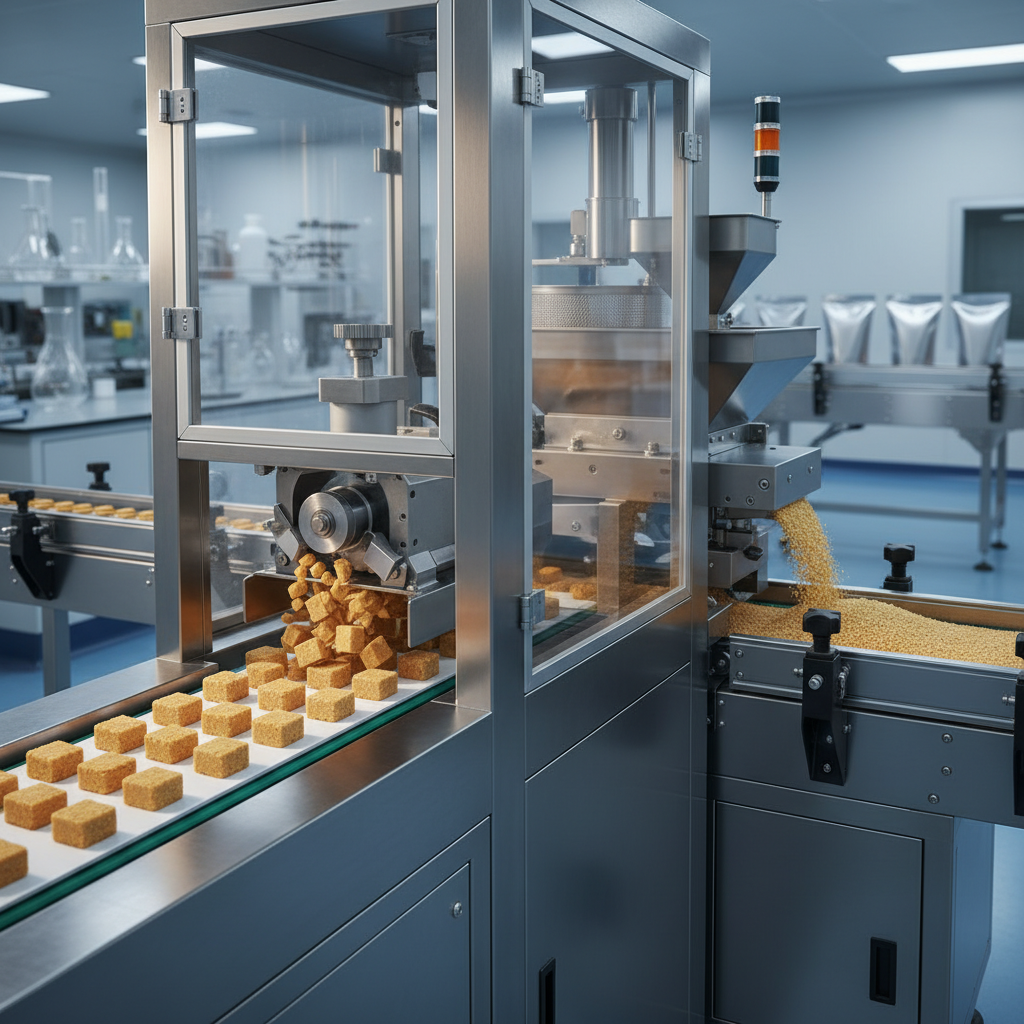
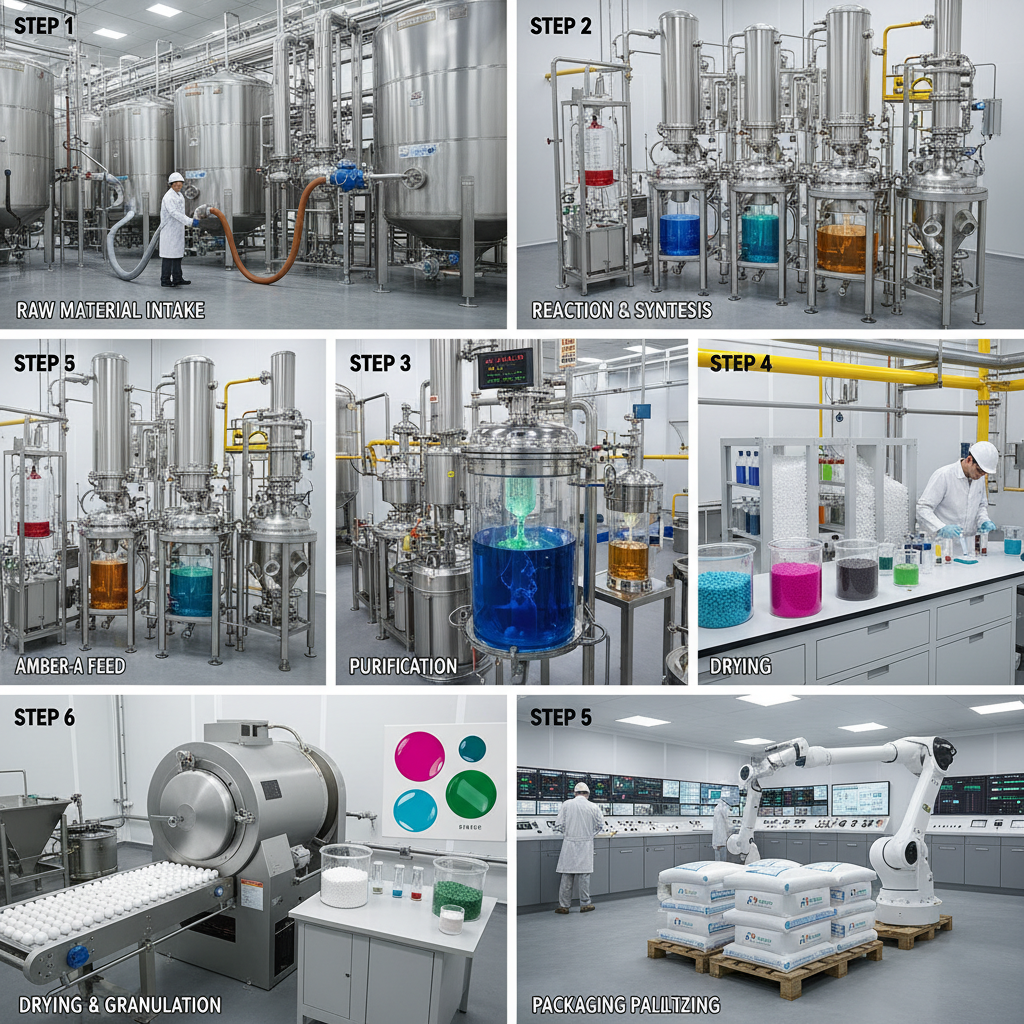
From a manufacturing perspective, this transition involves moving from high-pressure compression molding—used for cubes—to advanced agglomeration or spray-drying techniques. These processes ensure that each granule maintains a precise ratio of salt, MSG, chicken extract, and anti-caking agents, resulting in a product that is easier to dispense and more predictable in its chemical behavior during cooking.
Global Market Drivers for Granulated Chicken Seasoning
The global demand for chicken bouillon cubes to granules has surged as the "convenience food" sector expands across Asia and Africa. According to food industry trends, the shift toward granular formats is linked to the rise of semi-prepared meal kits and industrial food service, where precision in seasoning is critical for maintaining brand consistency across thousands of outlets.
One of the primary challenges addressed by this transition is the "dosage dilemma." Cubes are rigid units; if a recipe requires 1.5 cubes, the user must manually break the cube, leading to inaccuracy. Granules solve this by allowing for exact weight-based measurements, which is essential for professional kitchens and food manufacturers who operate on strict cost-per-portion metrics.
Furthermore, ISO standards for food additives have pushed manufacturers to refine the stability of these products. By optimizing the transition from chicken bouillon cubes to granules, companies have reduced the occurrence of "clumping" in humid environments, extending the shelf life and usability of the product in tropical regions where traditional cubes often degrade or harden.
Core Components of High-Quality Chicken Granules
The efficacy of the transition from chicken bouillon cubes to granules depends heavily on the synergy between the flavor base and the carrier agents. High-quality granules utilize a concentrated chicken extract that provides the "umami" backbone, balanced with precise levels of sodium chloride to act as both a preservative and a flavor enhancer.
Crucial to the chicken bouillon cubes to granules process is the inclusion of anti-caking agents and fats. While cubes rely on high pressure to hold their shape, granules require a surface coating of lipids or specialized minerals to prevent moisture absorption, ensuring the product remains free-flowing and easy to pour from a container.
Finally, the integration of aromatic herbs and spices must be carefully managed during the granulation process. To prevent the volatile oils in these spices from evaporating, manufacturers use low-temperature drying methods, ensuring that the transition from chicken bouillon cubes to granules does not compromise the sensory quality of the final bouillon.
Efficiency Metrics in Production Processes
When comparing the production efficiency of chicken bouillon cubes to granules, several key performance indicators (KPIs) emerge. The most notable is the throughput rate; granulation systems can often process larger volumes of material per hour compared to the slower, cyclical nature of cube pressing and wrapping.
Another critical metric is the reduction in packaging waste. While cubes require individual foil wrapping to prevent moisture ingress, granules can be packed in bulk moisture-barrier pouches or jars, significantly lowering the environmental footprint and the cost of secondary packaging materials.
Performance Comparison: Chicken Bouillon Formats
Global Applications and Industrial Use Cases
The application of chicken bouillon cubes to granules extends far beyond the home kitchen. In the industrial food sector, granulated bouillon is used as a primary seasoning base for instant noodle manufacturers and canned soup producers. The ability to automate the addition of granules via screw feeders allows for a level of precision that is impossible with traditional cubes.
In humanitarian aid and disaster relief, the shift to granules has proven invaluable. In remote industrial zones or post-disaster camps, the ease of dissolving granules in varied water temperatures ensures that nutrient-dense, flavorful meals can be prepared quickly, providing not only sustenance but a sense of dignity and comfort to affected populations.
Long-Term Economic and Sustainability Value
Investing in the transition from chicken bouillon cubes to granules offers substantial long-term economic advantages. By reducing the labor costs associated with individual cube wrapping and decreasing the frequency of product waste due to "hardened" cubes, manufacturers can improve their bottom line while offering a more competitive price point to the consumer.
From a sustainability angle, the reduction in single-use aluminum and plastic foils used for cube wrapping is a major victory for green manufacturing. Bulk granulated packaging is easier to recycle and requires less energy to transport, as the density of the product is optimized for shipping containers.
Furthermore, the precision offered by granules reduces "over-seasoning" in industrial applications. This leads to a more efficient use of raw materials—such as expensive chicken extracts and organic flavorings—reducing the overall chemical load and resource consumption in the food supply chain.
Future Innovations in Bouillon Granulation Technology
The future of chicken bouillon cubes to granules is being shaped by the integration of "clean label" technologies. We are seeing a move toward natural agglomeration agents, replacing synthetic anti-caking minerals with plant-based alternatives to meet the growing consumer demand for organic and non-GMO food additives.
Digital transformation is also playing a role, with AI-driven sensors now monitoring the particle size distribution in real-time during the granulation process. This ensures that every batch of granules has a uniform dissolution rate, eliminating the variability that previously plagued the transition from chicken bouillon cubes to granules.
Additionally, the industry is exploring "micro-encapsulation," where specific flavor notes (such as the buttery aroma of roasted chicken) are encapsulated within the granule. These flavors are only released at specific temperatures, ensuring a "fresh-cooked" taste even in highly processed convenience foods.
Comparative Analysis of Granulation Technologies for Chicken Bouillon
| Technology Type |
Solubility Rate |
Production Cost |
Flavor Retention |
| Traditional Compression |
Low |
Medium |
High |
| Fluidized Bed Agglomeration |
High |
High |
Medium |
| Spray Drying |
Very High |
Medium |
Low |
| Cold Extrusion Granulation |
Medium |
Low |
High |
| Vacuum Drying |
High |
Very High |
Very High |
| Hybrid Agglomeration |
Very High |
Medium |
High |
FAQS
The primary reason is dosage precision and automation. Granules can be measured by weight and delivered via automated machinery, ensuring every batch of food has the exact same flavor profile. Additionally, granules dissolve faster, reducing the processing time required to integrate the seasoning into large-scale vats of liquid.
Yes, provided they are packaged in moisture-proof containers. While cubes are individually sealed, granules rely on the overall package integrity. With the addition of modern anti-caking agents, granulated bouillon remains stable and free-flowing for the same duration as cubes, often 12-24 months.
If processed correctly using low-temperature granulation, the flavor remains identical. However, high-heat spray drying can sometimes diminish volatile aromatics. Most premium manufacturers use hybrid agglomeration to ensure that the rich, savory taste of the original chicken extract is fully preserved.
In the long run, yes. The elimination of individual foil wrapping for every single unit significantly reduces material costs and packaging labor. Furthermore, the increased production speed of granulation lines allows manufacturers to achieve higher economies of scale.
Clumping is usually caused by moisture absorption. To prevent this, ensure the product contains food-grade anti-caking agents like silicon dioxide and is stored in airtight containers. Using desiccant packs in bulk shipping containers is also a recommended industrial practice.
Switching requires a change in the final forming stage. While the mixing and flavor-base preparation remain the same, you will need to replace the compression press with an agglomerator or a granulator. Many modern facilities use modular systems that allow for this transition with minimal downtime.
Conclusion
The strategic shift from chicken bouillon cubes to granules is a response to the global demand for efficiency, precision, and sustainability. By optimizing the physical form of this essential food additive, manufacturers have succeeded in improving solubility, reducing packaging waste, and enabling the automation of industrial food production. The technical journey from a compressed cube to a free-flowing granule highlights the importance of material science in enhancing the everyday culinary experience.
Looking forward, the continued innovation in "clean label" granulation and micro-encapsulation will further elevate the quality of bouillon products. For businesses in the food additive sector, embracing these advancements is not just a matter of convenience but a necessity for staying competitive in a health-conscious and eco-aware market. To learn more about high-performance seasoning solutions and professional granulation, visit our website: www.chinaseasoning.com.