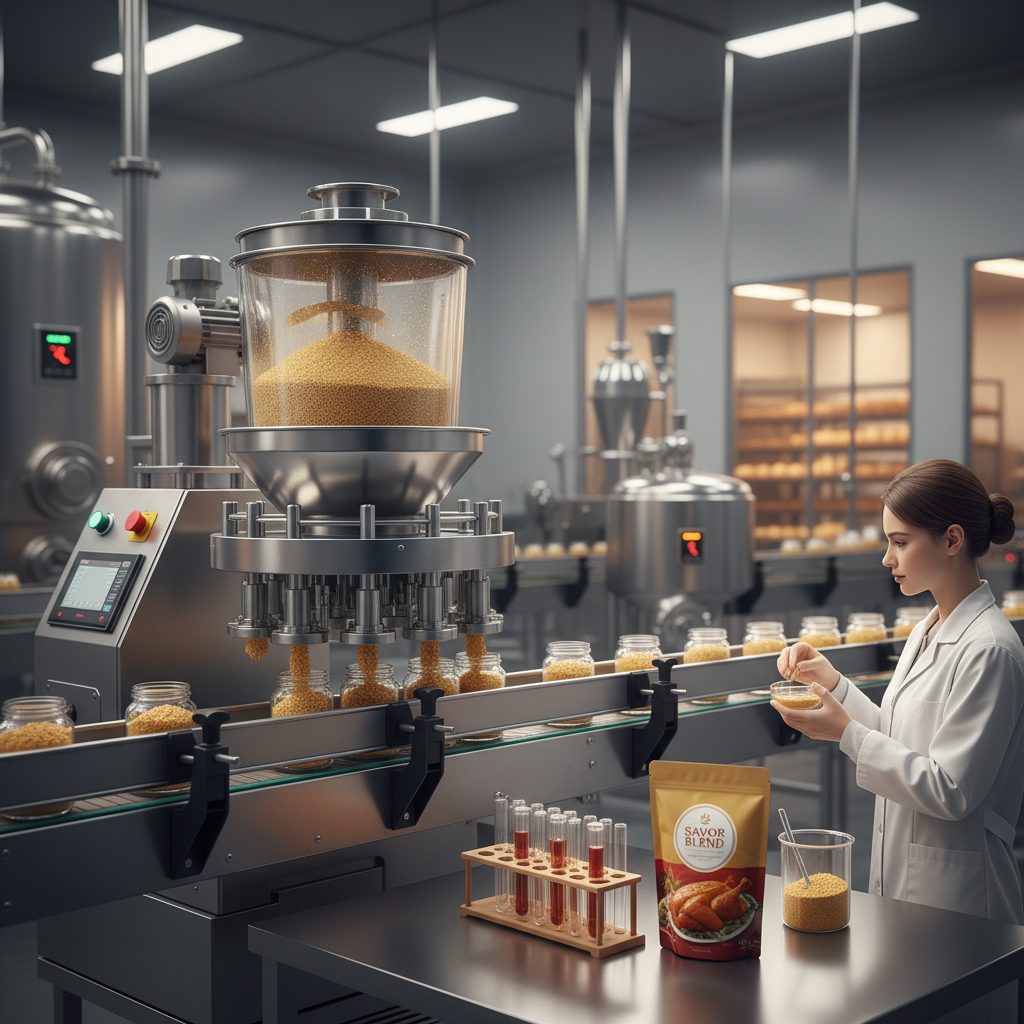
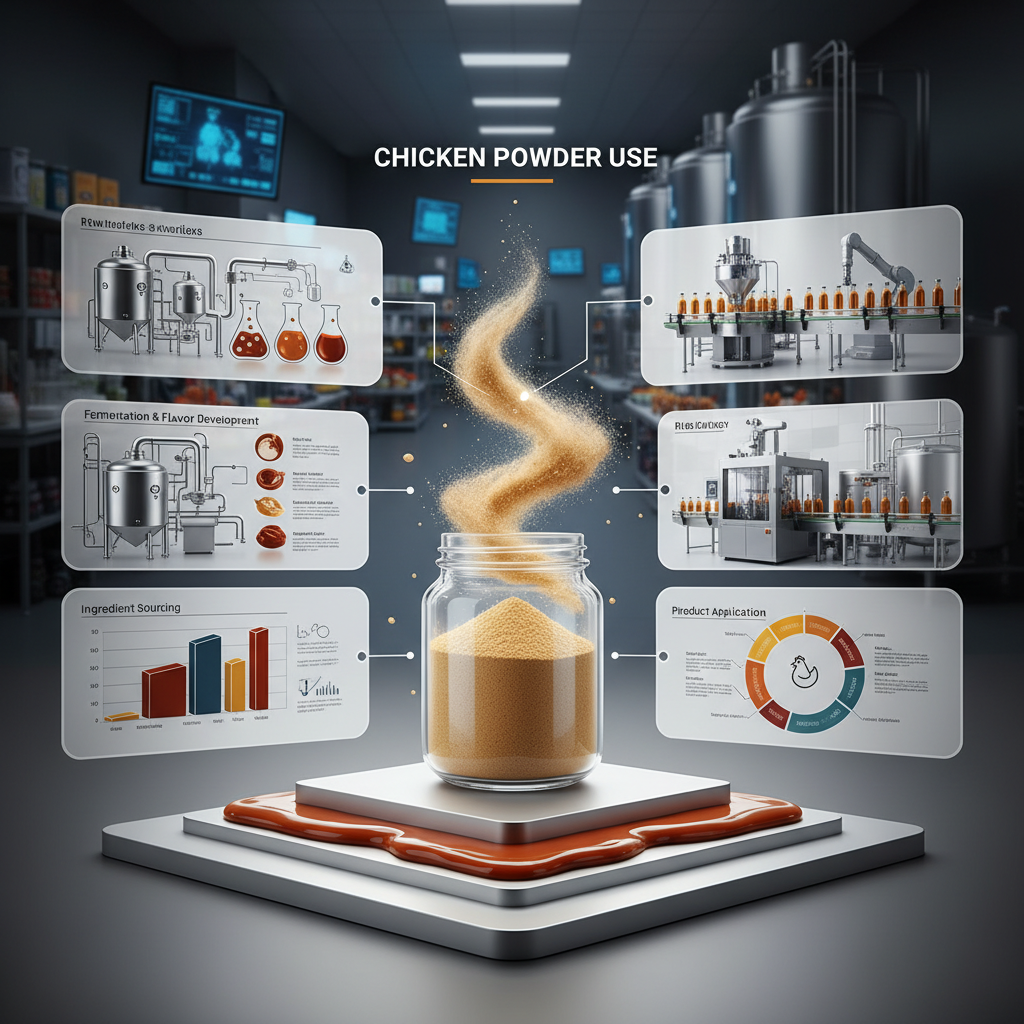
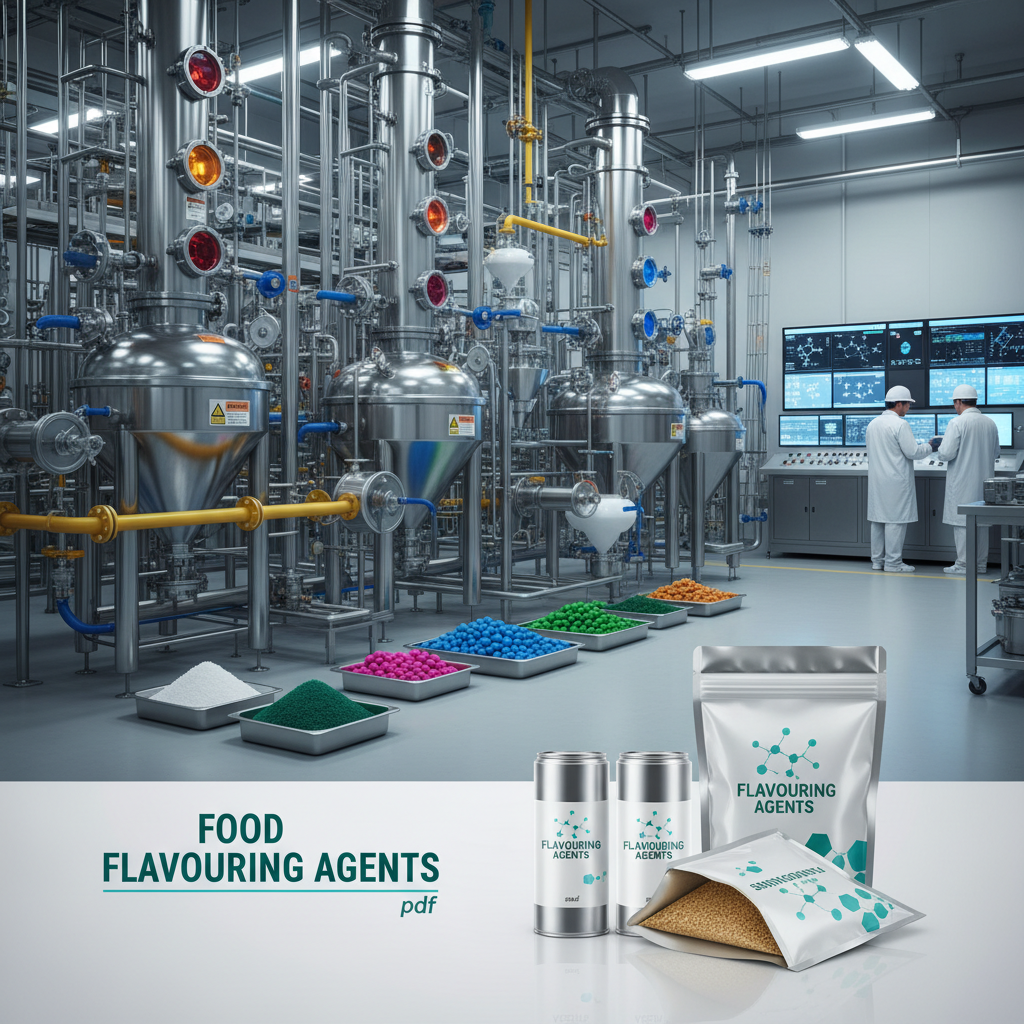
Understanding the optimal chicken powder use is essential for modern food manufacturers and culinary professionals seeking to achieve consistent, high-quality savory profiles. As a versatile flavor enhancer, chicken powder bridges the gap between time-consuming traditional stock reduction and the need for rapid, scalable production in the fast-paced food industry.
Globally, the demand for standardized seasoning solutions has surged as consumers seek convenient yet gourmet-tasting meals. Proper chicken powder use allows brands to maintain flavor stability across different geographical markets, ensuring that a soup or snack tastes the same in New York as it does in Tokyo.
Beyond simple taste, the strategic integration of this additive impacts cost efficiency and shelf-life stability. By mastering the technical application of chicken powder, manufacturers can reduce waste, optimize ingredient costs, and deliver a satisfying "umami" experience that drives consumer loyalty and repeat purchases.
Global Industry Context of Chicken Powder Use
The global food additives market has seen a significant shift toward dehydrated flavor bases. In the context of industrial food production, chicken powder use has become a cornerstone for achieving the "umami" taste profile efficiently. With the rise of ready-to-eat (RTE) meals, the reliance on standardized powders ensures that manufacturers can bypass the volatility of fresh poultry prices and the logistical nightmare of transporting liquid broths.
Data from international trade monitors suggest that the seasoning industry is growing at a steady CAGR, driven largely by the expansion of processed foods in emerging economies. The challenge remains in balancing high-intensity flavor with "clean label" requirements, forcing a transition from simple MSG-based powders to complex, extract-based solutions that satisfy both the palate and health regulations.
Defining Professional Chicken Powder Use
At its core, chicken powder use refers to the systematic application of dehydrated chicken essence and seasoning blends to enhance the taste, aroma, and consistency of food products. Unlike home cooking, where a pinch of powder might be added haphazardly, industrial use involves precise dosing, solubility testing, and interaction analysis with other ingredients to ensure a seamless flavor profile.
In the modern manufacturing landscape, this process is tied to the need for "flavor standardization." By utilizing high-grade food additives, companies can eliminate the variability inherent in natural ingredients. This allows for the creation of consistent batches of instant noodles, canned soups, and snack seasonings that meet strict quality control standards across global supply chains.
Furthermore, professional application extends beyond simple taste. It involves understanding the chemistry of salt, proteins, and flavor enhancers. The goal is to create a synergistic effect where the chicken powder acts as a catalyst, elevating the natural flavors of the vegetables and grains in a recipe while providing a deep, savory foundation.
Core Components for Effective Flavor Integration
The first critical factor in chicken powder use is Solubility. A high-quality powder must dissolve rapidly without clumping, especially in cold-fill applications or high-speed mixing environments. This ensures a uniform distribution of flavor throughout the product, preventing "hot spots" of intense saltiness or bland patches.
Secondly, Flavor Stability is paramount. Professional-grade chicken powders are engineered to withstand various processing temperatures, including the high heat of extrusion or the extreme cold of flash-freezing. This stability ensures that the delicate aromatic compounds of the chicken essence do not degrade during the manufacturing process.
Finally, Cost-to-Intensity Ratio dictates the commercial viability. Manufacturers evaluate how much powder is required to achieve the desired sensory impact. By optimizing the chicken powder use ratio, companies can maintain premium taste profiles while keeping the Cost of Goods Sold (COGS) within competitive limits.
Practical Application Metrics and Efficiency
Measuring the efficiency of chicken powder use requires a data-driven approach. In a laboratory setting, food scientists use sensory panels and electronic noses to quantify the impact of different dosage levels. The goal is to find the "sweet spot" where flavor perception is maximized without introducing an artificial aftertaste.
From an operational standpoint, the transition from liquid stocks to powder reduces storage requirements by up to 80% and significantly lowers transportation costs. This logistical efficiency allows manufacturers to pivot their production schedules more flexibly, responding to market trends without the burden of perishable inventory.
Comparison of Chicken Powder Use Efficiency by Method
Global Use Cases Across Food Sectors
In the snack food industry, chicken powder use is pivotal for creating "savory" coatings for extruded corn puffs and potato chips. By combining the powder with oil-based carriers, manufacturers can create an adhesive seasoning that clings to the product, providing an immediate burst of flavor upon consumption.
Beyond snacks, the pharmaceutical and nutraceutical industries sometimes utilize specialized protein-based powders in meal replacement shakes or medical-grade nutritional supplements. In these cases, the powder is refined to remove excess sodium while retaining the comforting taste of chicken, making high-calorie clinical diets more palatable for patients.
Long-term Economic and Sensory Advantages
The adoption of standardized chicken powder use provides a significant hedge against the volatility of the raw poultry market. By sourcing high-quality concentrates, companies can lock in pricing contracts, ensuring that their margins remain stable regardless of avian flu outbreaks or seasonal price spikes in fresh chicken.
From a sensory perspective, the long-term value lies in the ability to innovate. With a consistent base powder, R&D teams can experiment with "fusion" flavors—such as Spicy Szechuan Chicken or Garlic Herb Chicken—without having to rebuild the foundational savory profile from scratch every time.
Moreover, the reliability of these powders fosters trust with the end consumer. When a customer buys a specific brand of instant soup, they expect a precise taste profile. The precision of industrial powder application ensures this expectation is met every single time, building powerful brand equity and consumer trust.
Future Innovations in Seasoning Technology
The future of chicken powder use is moving toward "clean label" technology. We are seeing a transition from hydrolyzed vegetable proteins (HVP) and MSG toward natural yeast extracts and mushroom-based umami boosters. These innovations allow manufacturers to claim "no added MSG" while maintaining the same deep, savory impact.
Digital transformation is also hitting the seasoning plant. Automated dosing systems, powered by AI and real-time sensory feedback loops, can now adjust the powder concentration mid-production to compensate for variations in other raw ingredients, ensuring an absolute flavor constant.
Sustainability is the final frontier. New spray-drying techniques and the use of upcycled poultry by-products are reducing the carbon footprint of production. The goal is to create a circular economy where the production of chicken powder contributes to zero-waste manufacturing.
Comparison of Chicken Powder Technical Specifications by Grade
| Product Grade |
Solubility Rate |
Umami Intensity |
Cost Index |
| Industrial Basic |
Moderate |
6/10 |
Low |
| Premium Food Grade |
High |
8/10 |
Medium |
| Organic Extract |
Very High |
9/10 |
High |
| Low Sodium Grade |
High |
7/10 |
Medium |
| Concentrated Essence |
Moderate |
10/10 |
Very High |
| Custom Blend |
Tailored |
Variable |
Variable |
FAQS
Correct use involves choosing a powder with low water activity (aw). Because high-quality chicken powders are dehydrated, they do not introduce moisture into the final product, which helps inhibit microbial growth and extends the overall shelf life compared to liquid bases.
Traditional chicken powder contains poultry extracts. However, for vegan alternatives, manufacturers use "chicken-style" seasoning powders made from yeast extract, hydrolyzed soy protein, and specific aroma chemicals to mimic the taste without using animal products.
While ratios vary by product, a common industry benchmark is between 0.5% to 2.0% of the total weight. The exact amount depends on the desired intensity and the presence of other salts or flavor enhancers in the recipe.
To prevent clumping, it is recommended to use a "pre-slurry" method where the powder is mixed with a small amount of warm liquid or oil before being introduced to the main batch. Additionally, using high-shear mixers ensures a homogeneous distribution.
Yes. Chicken powder is typically a fine, concentrated seasoning used for broad application. Bouillon is often a compressed cube or granulated form intended specifically for dissolving in water to create a broth, often containing higher salt concentrations.
Check for ISO and HACCP certifications. Request a Certificate of Analysis (CoA) for each batch to verify the protein content, sodium levels, and the absence of contaminants. Sample testing for solubility and aroma stability is also essential.
Conclusion
Mastering chicken powder use is more than just a culinary shortcut; it is a strategic operational advantage. By integrating high-solubility, stable flavor bases, manufacturers can ensure consistent quality, reduce logistical costs, and respond rapidly to changing consumer preferences. From the initial dosing in the lab to the final taste test on the production line, the precision of this additive determines the commercial success of countless savory products globally.
As the industry pivots toward cleaner labels and sustainable production, the role of chicken powder will evolve, but its importance as a foundational flavor carrier will remain. We suggest that food producers regularly audit their seasoning ratios and explore natural-extract alternatives to stay ahead of regulatory trends. To source professional-grade additives and optimize your production, visit our website: www.chinaseasoning.com.