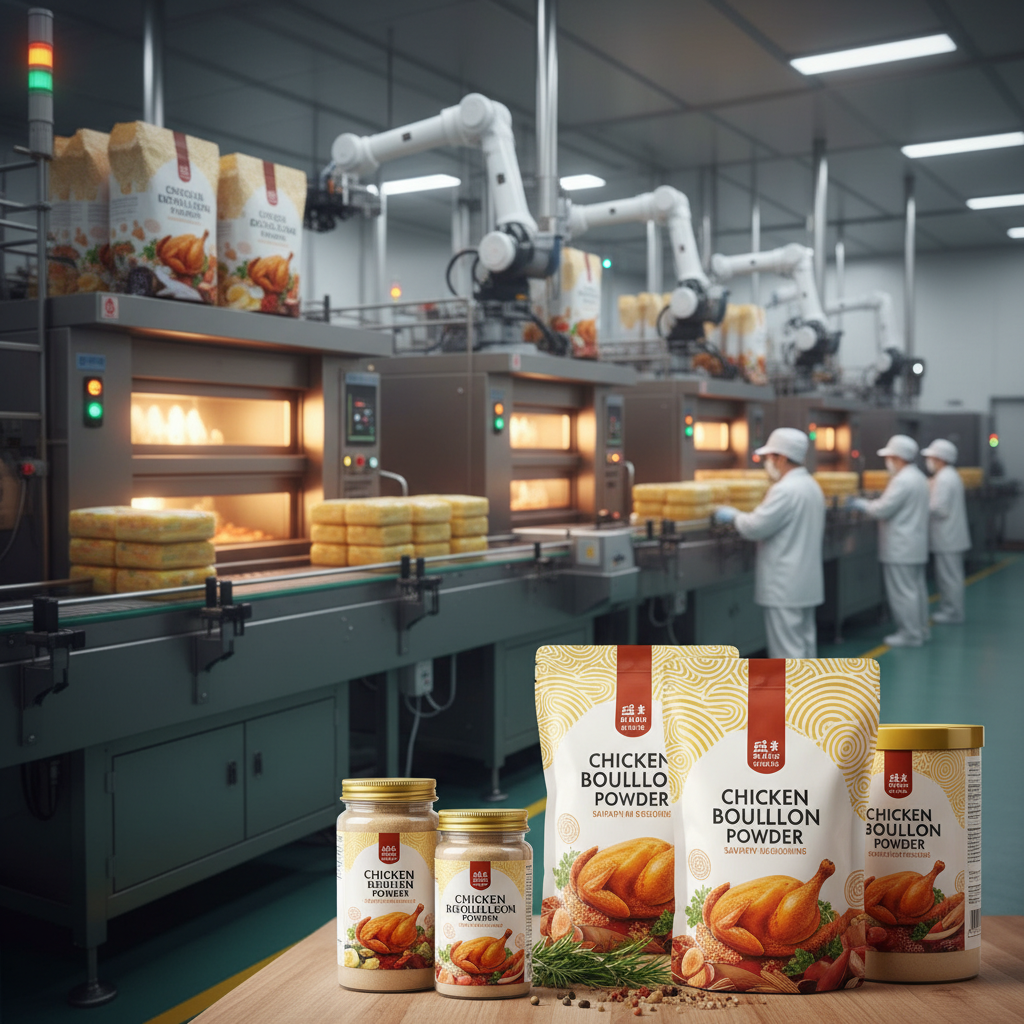
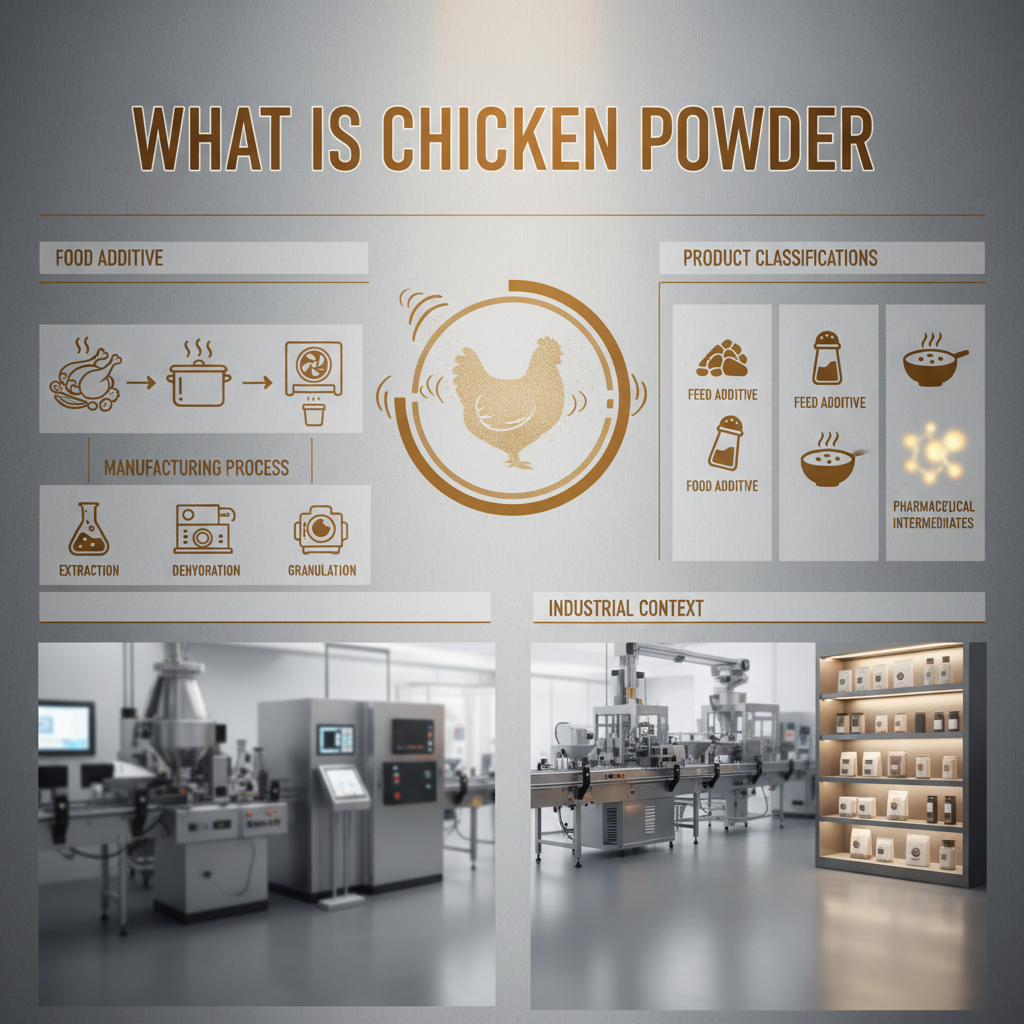
When exploring the culinary and industrial landscape of flavor enhancers, a common question arises: what is chicken powder? In essence, chicken powder is a concentrated, dehydrated seasoning agent designed to replicate the rich, savory profile of slow-cooked chicken broth. It serves as a critical tool for chefs and food manufacturers who require consistent taste profiles without the labor-intensive process of simmering bones for hours.
Globally, the demand for this versatile ingredient has surged due to the acceleration of the convenience food market and the expansion of industrial food processing. Understanding the composition and application of chicken powder allows businesses to optimize their production costs while maintaining a high standard of sensory quality that satisfies the modern consumer's palate.
Beyond simple taste, the science behind chicken powder involves a complex blend of amino acids, salts, and aromatic extracts. By mastering the use of these additives, food producers can ensure that their products—ranging from instant noodles to gourmet sauces—possess a deep, "umami" characteristic that is essential for market competitiveness in the global food additive sector.
Global Industry Context of Chicken Powder
The global food additive market has witnessed a significant shift toward standardized taste profiles, where the role of chicken powder has become indispensable. According to market trends aligned with ISO quality standards, the drive for "clean label" ingredients and efficiency in the food manufacturing chain has pushed companies to seek highly soluble and stable seasoning powders. In many developing economies, the adoption of these concentrates has allowed local food industries to scale rapidly, providing affordable, flavor-rich options to millions.
However, the industry faces the constant challenge of balancing intense flavor with nutritional transparency. As global health organizations emphasize the reduction of sodium intake, the manufacturing of chicken powder is evolving. The shift is moving away from simple salt-based enhancers toward more complex, natural extracts that maintain the savory essence while meeting stricter international food safety and health regulations.
Defining the Composition of Chicken Powder
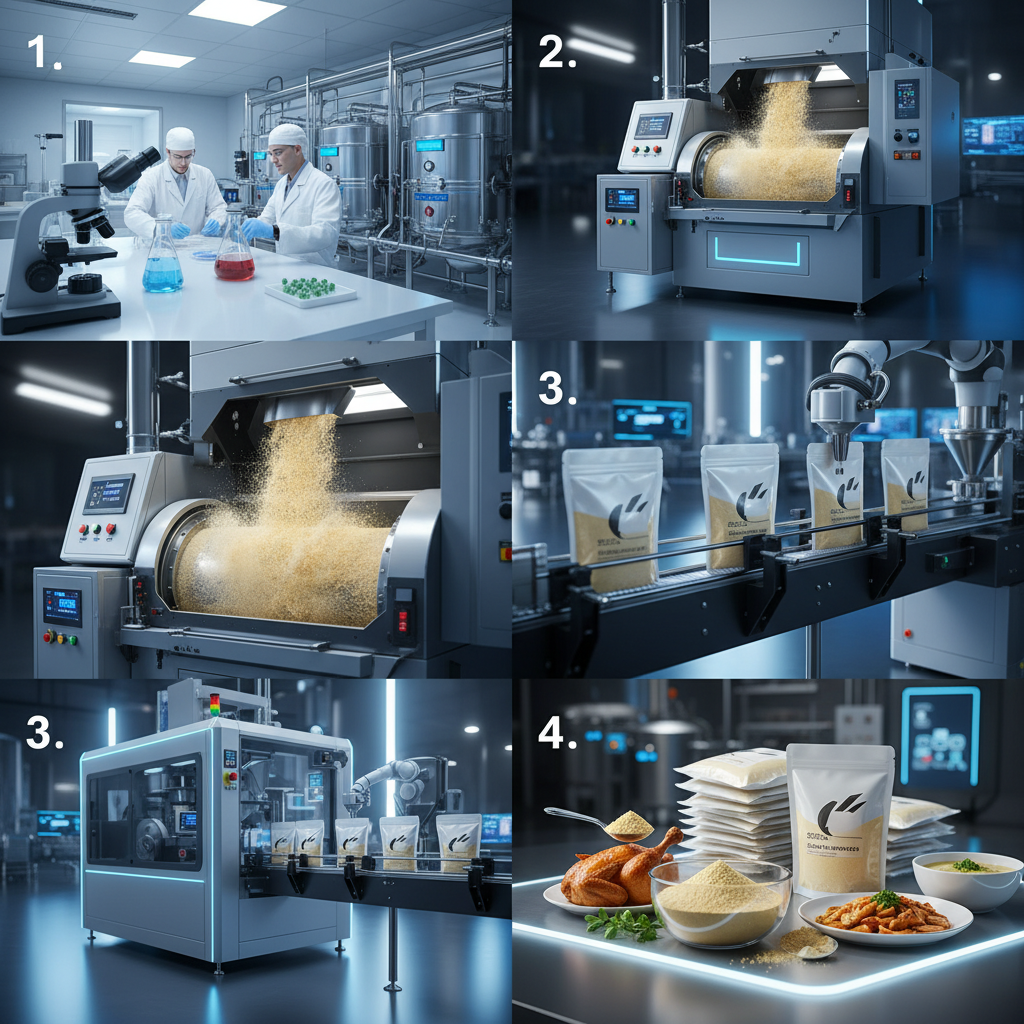
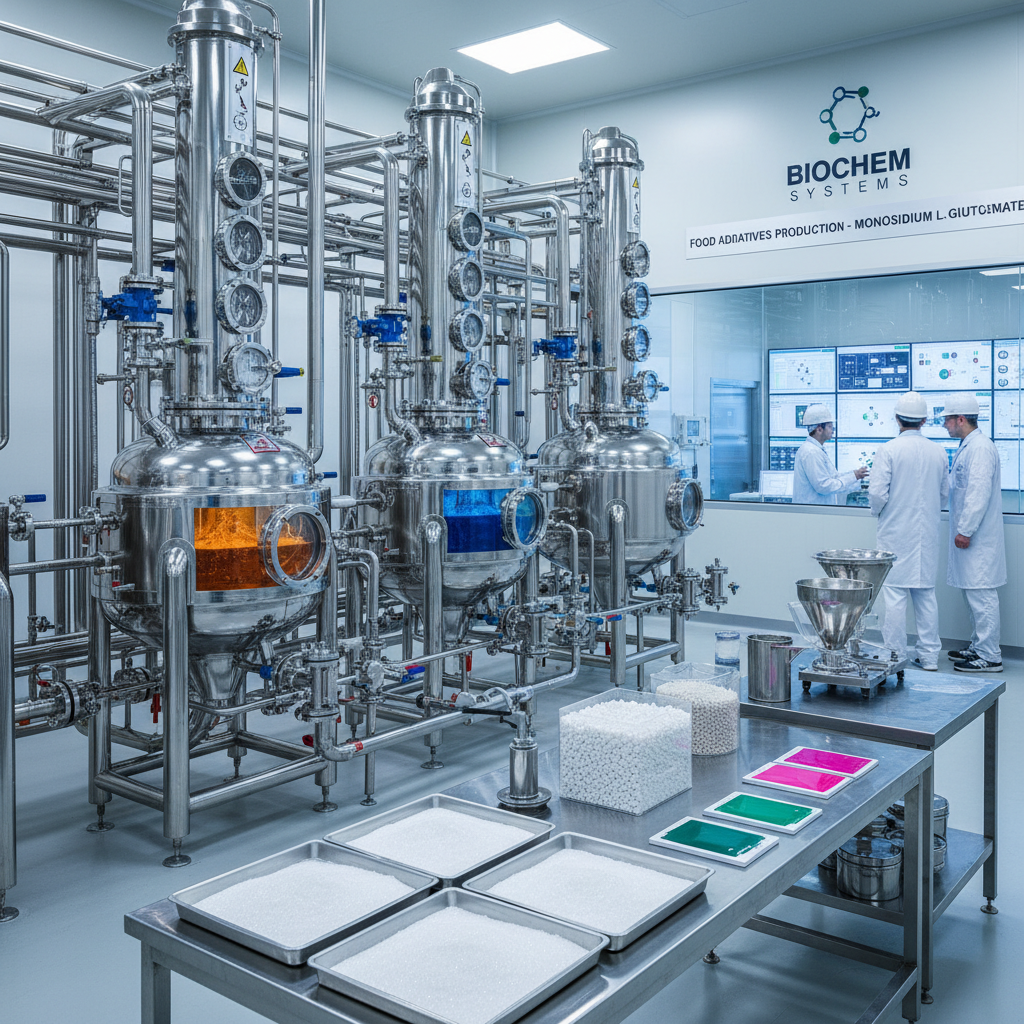
To answer the question of what is chicken powder from a technical perspective, it is a dehydrated seasoning blend. While some premium versions use actual chicken meat extracts and fats, many industrial-grade powders are a sophisticated mixture of maltodextrin, salt, sugar, and flavor enhancers like Monosodium Glutamate (MSG) or yeast extracts. These ingredients are combined through spray-drying or granulation to create a free-flowing powder that dissolves instantly in hot water.
This product is not merely a "substitute" but a functional food additive. It bridges the gap between raw ingredients and the final sensory experience. In the context of modern food production, chicken powder allows for the precise control of "Umami"—the fifth basic taste—ensuring that every batch of soup, snack, or sauce tastes identical regardless of the geographic location of the production facility.
Furthermore, the connection to humanitarian needs is evident in the production of Fortified Foods. In disaster-relief operations or regions facing food insecurity, chicken powder is often integrated into nutrient-dense porridge or meal replacements. It provides the necessary palatability and salt content to encourage consumption while acting as a carrier for essential vitamins and minerals, making it a vital tool for global nutritional support.
Core Components and Quality Factors
When evaluating what is chicken powder in terms of quality, the first factor is Solubility. High-quality powder must dissolve without clumping to ensure a uniform distribution of flavor in large-scale industrial vats. This is achieved through precise particle size control during the drying process.
The second core component is Flavor Stability. A professional-grade chicken powder must resist oxidation and flavor degradation over long shelf lives. This requires the use of high-quality carriers and sometimes natural antioxidants, ensuring that the "chicken" aroma remains potent from the factory to the end consumer's table.
Finally, Cost Efficiency and Purity are paramount. By optimizing the ratio of meat extracts to flavor enhancers, manufacturers can provide a product that delivers a premium taste at a sustainable price point. This scalability is what makes the powder a preferred choice over fresh stocks in the pharmaceutical intermediates and food additive sectors.
Industrial Applications and Use Cases
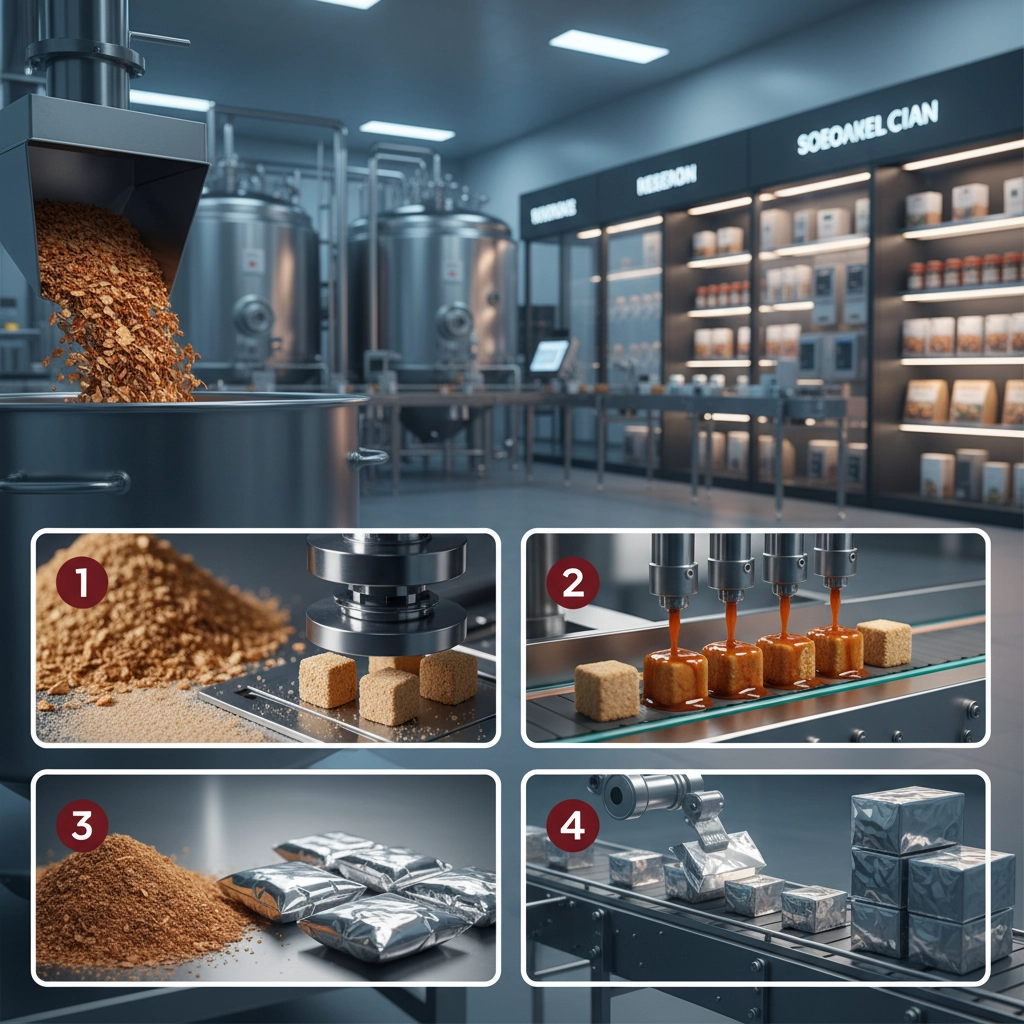
The practical application of chicken powder extends far beyond the home kitchen. In the commercial food industry, it is used as a base for instant noodle seasonings, dehydrated soup mixes, and as a savory topping for extruded snacks. In regions like Southeast Asia and East Asia, it is a foundational ingredient in the "ready-to-eat" (RTE) meal sector, where speed of preparation is the primary consumer driver.
Moreover, in remote industrial zones or military catering, where fresh poultry may be unavailable due to cold-chain logistics failures, chicken powder provides a reliable way to maintain morale through familiar, comforting flavors. It ensures that nutritional requirements are met without compromising the sensory experience of the meal.
Comparative Efficiency of Flavoring Methods
Economic Advantages and Long-term Value
The transition to using chicken powder offers tangible economic benefits, primarily through the reduction of waste and storage costs. Unlike fresh poultry, which requires expensive refrigeration and has a short expiration date, chicken powder is shelf-stable and compact. This drastically reduces the carbon footprint associated with transportation and minimizes the loss of raw materials due to spoilage.
From a logical and emotional angle, the reliability of these powders builds trust between the manufacturer and the consumer. When a customer buys a product, they expect a consistent taste. By utilizing standardized additives, brands can guarantee that "innovation" does not come at the cost of "familiarity," creating a long-term value proposition based on quality assurance and sensory satisfaction.
Future Trends in Flavor Enhancement
The future of what is chicken powder is being shaped by the digital transformation of food science. AI-driven flavor profiling is now allowing chemists to create "hyper-realistic" chicken powders that mimic specific breeds or cooking styles (such as roasted vs. poached) by analyzing the molecular structure of the aroma.
Sustainability is another driving force. We are seeing a rise in "hybrid" powders that blend traditional chicken extracts with mushroom or yeast-based umami boosters. This not only reduces the reliance on animal proteins but also appeals to the growing segment of flexitarian consumers who seek reduced-meat alternatives without sacrificing the savory depth of a classic chicken stock.
Furthermore, automation in the manufacturing process—such as precision spray-drying and automated blending—is reducing human error and increasing the purity of the final product. These innovations ensure that the next generation of chicken powder is cleaner, more sustainable, and more precise in its flavor delivery.
Challenges and Technical Solutions
One of the primary challenges in the production of chicken powder is the tendency for the powder to "cake" or clump in humid environments. This is a significant hurdle for manufacturers in tropical regions. The expert solution involves the application of advanced anti-caking agents like silicon dioxide or the use of specialized moisture-barrier packaging to maintain the product's free-flowing nature.
Another limitation is the perception of "artificiality." To overcome this, industry leaders are moving toward "Cold-Press Extraction" and "Freeze-Drying" technologies. While more expensive than traditional spray-drying, these methods preserve more of the volatile organic compounds found in fresh chicken, resulting in a more authentic and natural taste profile.
Lastly, managing sodium levels remains a critical point of contention. Innovative approaches include the use of potassium salts as partial replacements for sodium chloride and the integration of natural flavor enhancers that trick the taste buds into perceiving saltiness without the actual sodium load, thus aligning the product with global health initiatives.
Technical Analysis of Chicken Powder Quality Dimensions
| Quality Dimension |
Standard Grade |
Premium Grade |
Impact on Final Product |
| Solubility Speed |
Moderate (30s) |
Instant (
|
Uniform taste distribution |
| Umami Intensity |
Score: 6/10 |
Score: 9/10 |
Depth of flavor profile |
| Shelf Stability |
12 Months |
24 Months |
Reduction in inventory waste |
| Aroma Retention |
Low-Mid |
High (Encapsulated) |
Sensory appeal to consumer |
| Sodium Content |
High |
Controlled/Low |
Compliance with health laws |
| Particle Size |
Irregular |
Uniform Micronized |
Ease of automated dosing |
FAQS
Yes, for industrial applications, chicken powder is superior due to its stability, cost-effectiveness, and consistency. It eliminates the risks of spoilage associated with fresh stock and allows for precise dosing in automated production lines, ensuring that every unit of product has the exact same flavor profile.
High-quality powder is characterized by instant solubility, a natural aroma that doesn't smell overly "chemical," and a balanced saltiness. Low-quality versions often clump easily and rely too heavily on salt and MSG rather than real chicken extracts, leading to a one-dimensional taste.
Yes, provided it meets the purity standards and is free from contaminants. In pharmaceutical intermediates or medical nutrition, chicken powder is used to improve the palatability of nutrient-dense supplements, making them easier for patients to consume while providing essential sodium and flavor.
It should be stored in a cool, dry place in airtight containers. Because it is hygroscopic (absorbs moisture from the air), using vacuum-sealed packaging or adding food-grade desiccant packets is highly recommended to maintain its free-flowing properties.
Yes, "vegetable chicken powder" is a growing trend. These use a combination of yeast extract, mushroom powder, and specific amino acids to replicate the savory "umami" profile of chicken without using any animal products, catering to the plant-based market.
Importing requires a Certificate of Analysis (COA), an MSDS (Material Safety Data Sheet), and compliance with the destination country's food safety regulations (such as FDA or EFSA). Working with a verified supplier like chinaseasoning.com ensures all documentation is handled correctly for smooth customs clearance.
Conclusion
In summary, understanding what is chicken powder reveals its role as more than just a seasoning; it is a sophisticated industrial tool that optimizes cost, ensures consistency, and enhances the sensory appeal of food products globally. From its core components of umami-rich extracts to its application in high-efficiency manufacturing, chicken powder provides the stability and scalability that modern food industries demand.
Looking forward, the integration of sustainable sourcing and AI-driven flavor precision will continue to elevate this ingredient. For businesses seeking to enhance their product lines with reliable, high-quality flavor enhancers, investing in premium, standardized powder solutions is the most effective path toward market growth and consumer loyalty. Visit our website: www.chinaseasoning.com