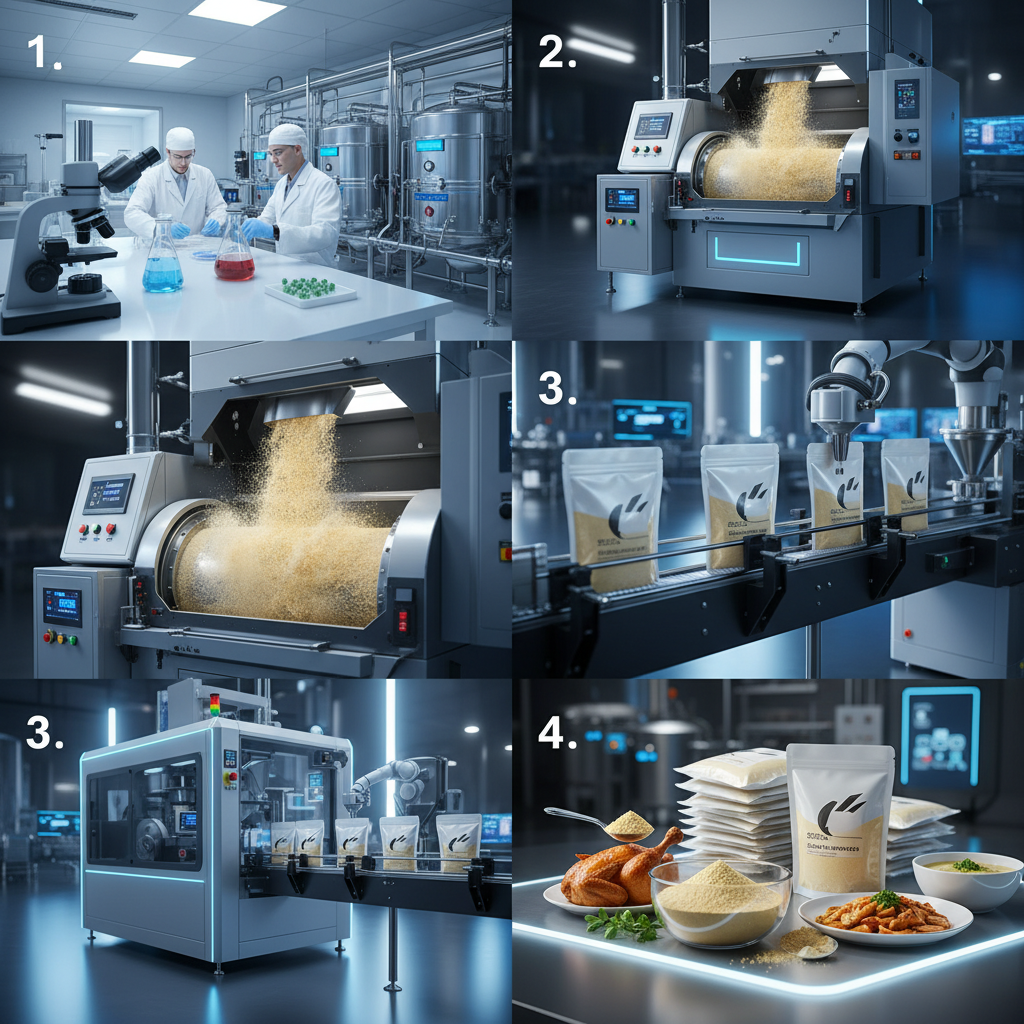
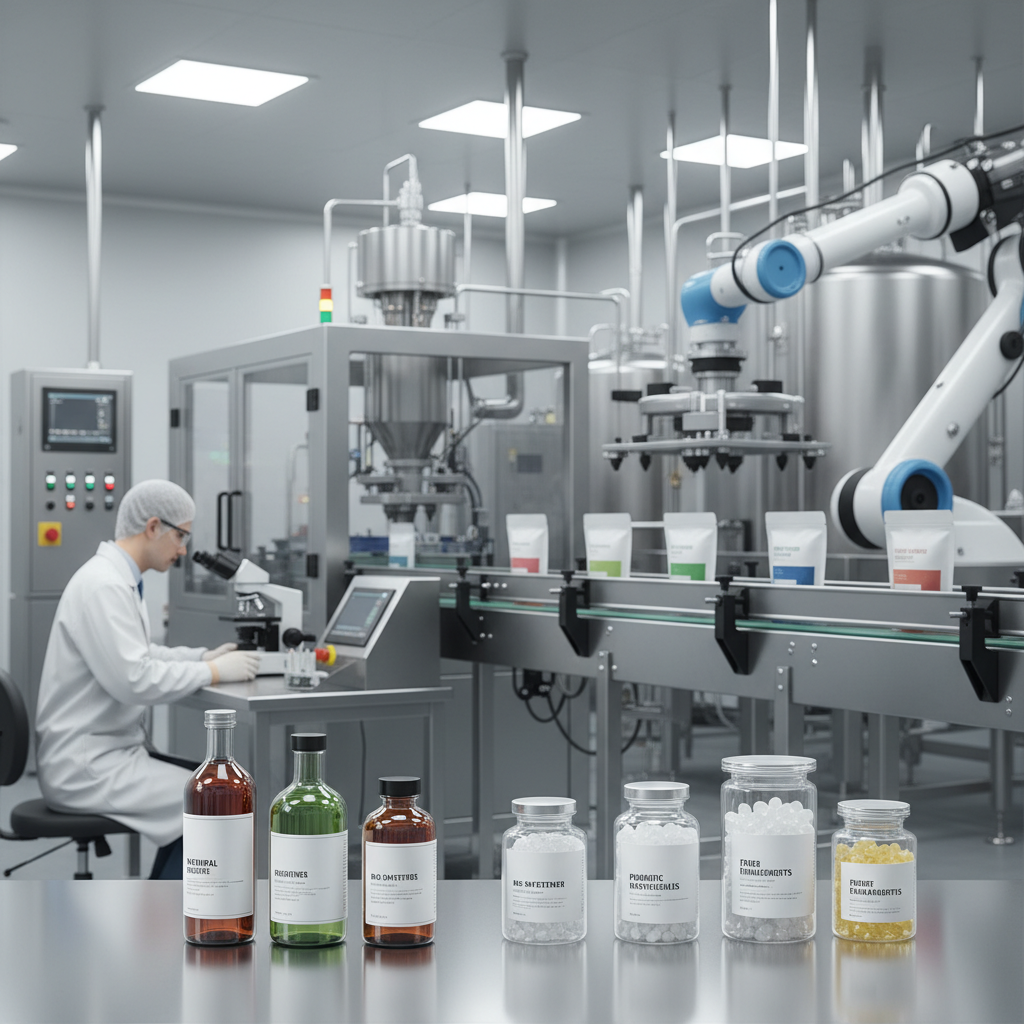
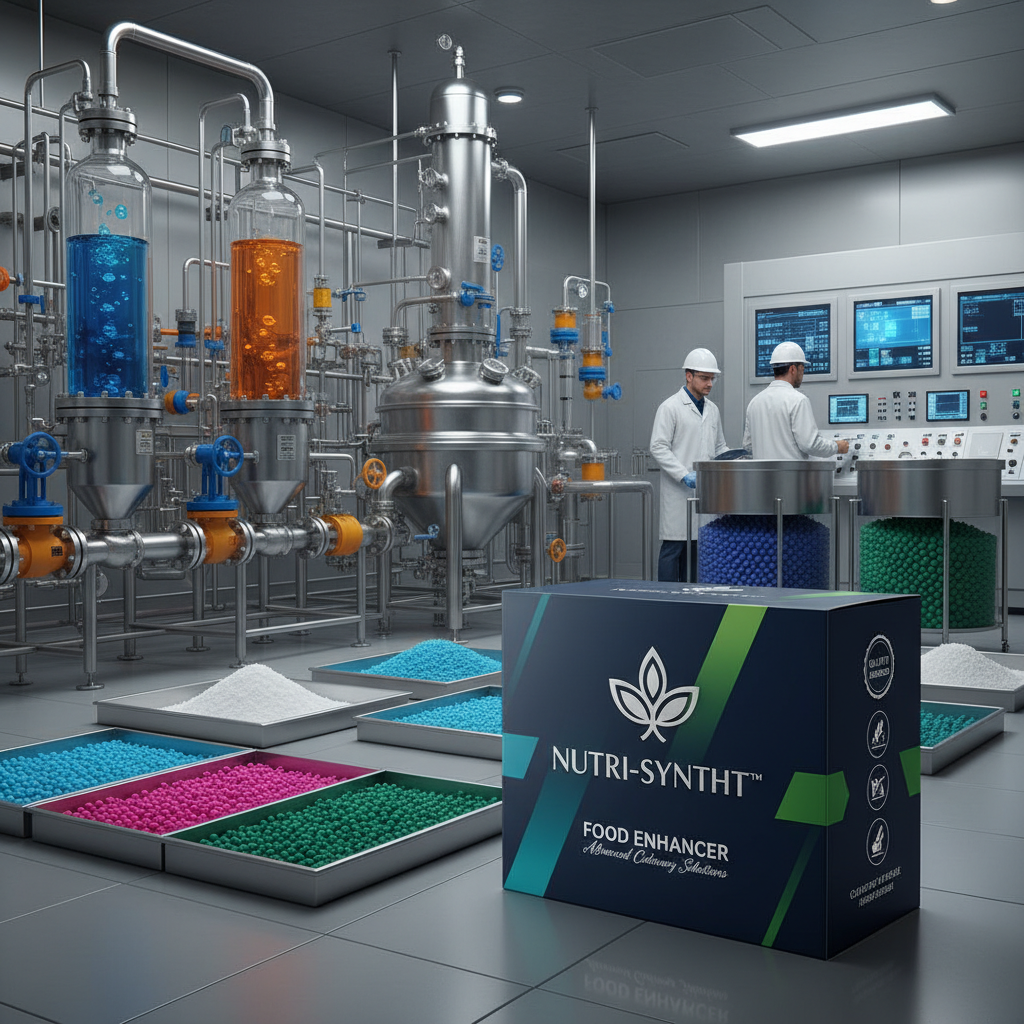
In the competitive landscape of the global food additive industry, chicken powder msg has emerged as a pivotal ingredient for flavor enhancement. By combining the savory depth of poultry extracts with the potency of monosodium glutamate, this compound provides a consistent, high-impact umami profile that is essential for industrial-scale food production. Understanding its chemical synergy is key to creating products that resonate with consumer taste preferences across different cultures.
The global demand for processed seasonings has surged as urbanization and the fast-paced lifestyle increase the reliance on ready-to-eat meals. Consequently, chicken powder msg serves as a cost-effective solution for manufacturers to achieve "restaurant-quality" depth in dehydrated soups, snack seasonings, and sauces. Its ability to stabilize flavor profiles during high-temperature processing makes it an indispensable tool in modern food science.
Beyond simple taste, the strategic integration of chicken powder msg allows brands to maintain strict quality control while reducing the volume of raw meat required in formulations. This not only optimizes production costs but also aligns with global efforts to streamline food supply chains. By mastering the application of this additive, food technologists can balance nutritional requirements with the irresistible sensory appeal that drives consumer loyalty.
Global Industry Context of Chicken Powder MSG
The global seasoning market is undergoing a massive transformation, with the Asia-Pacific region leading the consumption of savory enhancers. According to recent industry data, the integration of chicken powder msg has become standard in the production of instant noodles and bouillon cubes, which are staples in emerging economies. This growth is driven by the need for affordable, shelf-stable flavorings that can mimic complex slow-cooked broths.
However, the industry faces the challenge of balancing high-intensity flavor with the growing consumer demand for "clean label" ingredients. This tension has pushed manufacturers to refine the purity of their chicken powder msg formulations, ensuring that the MSG component is balanced with natural chicken extracts to provide a more rounded, less artificial taste profile that meets international ISO safety standards.
Defining Chicken Powder MSG and its Role
At its core, chicken powder msg is a sophisticated blend of dehydrated chicken meat or extract, salt, and monosodium glutamate (MSG). The primary function of this additive is to stimulate the umami taste receptors on the human tongue, creating a perception of richness and "meatiness" that is far more intense than what could be achieved using chicken powder alone.
In the context of modern food manufacturing, this ingredient acts as a bridge between raw agricultural output and consumer-ready convenience foods. It solves the problem of flavor volatility; while fresh chicken broth loses its aromatic profile during dehydration or sterilization, the MSG component in chicken powder msg ensures that the savory impact remains constant throughout the product's shelf life.
From a humanitarian and industrial perspective, the efficiency of chicken powder msg allows for the fortification of bland, nutrient-dense emergency food rations. By making basic grains or legumes more palatable, it helps in improving the caloric intake and psychological satisfaction of populations in food-insecure regions, proving that flavor science has a role beyond mere commercial profit.
Core Components and Quality Factors
The efficacy of chicken powder msg depends heavily on the ratio of its core components. The purity of the glutamate ensures a clean taste without bitter aftertastes, while the quality of the chicken base—whether derived from spray-dried extracts or hydrolyzed proteins—determines the authenticity of the poultry aroma.
Scalability and solubility are critical quality factors. A high-grade chicken powder msg must dissolve rapidly in hot water without clumping, ensuring a homogenous distribution of flavor in large-scale industrial vats. This requires precise particle size control and the use of anti-caking agents that do not interfere with the final flavor profile.
Cost efficiency is the final pillar of its industrial appeal. By utilizing chicken powder msg, manufacturers can reduce their reliance on expensive fresh meat extracts while maintaining a flavor intensity that satisfies the consumer. This balance of potency and price makes it a cornerstone of the food additive sector.
Practical Applications and Global Use Cases
The application of chicken powder msg spans across diverse culinary landscapes. In East Asia, it is the "secret ingredient" in commercial kitchens for stir-fries and dim sum, providing a baseline of savory depth. In Western markets, it is more commonly found in the hidden ingredients list of snack foods, such as potato chips and extruded corn puffs, where it enhances the perceived saltiness and richness.
Real-world use cases extend to the pharmaceutical and nutrition sectors, where chicken powder msg is used to mask the metallic or bitter tastes of certain medicinal supplements in powder form. In remote industrial zones or military field rations, these powders are vital for providing comfort and appetite stimulation in high-stress environments where fresh ingredients are unavailable.
Comparative Performance of Chicken Powder MSG Formulations
Economic Advantages and Long-term Value
The adoption of chicken powder msg provides a tangible economic edge by drastically reducing waste. Unlike fresh poultry, which requires cold-chain logistics and has a short expiration date, the powder form is stable at room temperature and easy to transport. This reduces overhead costs associated with storage and logistics, allowing manufacturers to scale their operations globally with minimal risk of spoilage.
Beyond the balance sheet, there is a long-term value in brand reliability. By using a standardized chicken powder msg, a company ensures that a soup produced in a factory in Asia tastes identical to one sold in Europe. This consistency builds consumer trust and brand equity, transforming a simple additive into a strategic tool for global market penetration.
Future Trends in Flavor Innovation
The future of chicken powder msg is leaning toward "Smart Seasoning." This involves the use of encapsulation technology, where the MSG and chicken flavors are released only upon hitting a specific temperature or pH level. This ensures that the flavor remains potent throughout the shelf life and is delivered in a concentrated burst when the consumer prepares the food.
Sustainability is another driving force. We are seeing a shift toward bio-fermentation processes to produce the glutamate in chicken powder msg, reducing the reliance on traditional chemical synthesis. Additionally, the integration of plant-based "chicken" proteins with MSG is creating a hybrid category that appeals to flexitarian consumers without sacrificing the traditional savory experience.
Digital transformation is also hitting the food additive industry. AI-driven flavor profiling is now used to determine the exact milligram of chicken powder msg needed to complement specific ingredients, reducing over-usage and optimizing the nutritional profile of the final product. This precision engineering marks the transition from bulk seasoning to targeted flavor design.
Technical Challenges and Optimized Solutions
One of the primary challenges in using chicken powder msg is the "clumping" effect caused by hygroscopic properties. In humid environments, the powder tends to absorb moisture, leading to uneven dosing in automated filling machines. To solve this, industry experts recommend the use of high-grade silicon dioxide or modified starches as flow agents.
Another hurdle is the regulatory scrutiny regarding MSG in certain markets. To overcome this, manufacturers are developing "MSG-enhanced" blends that utilize yeast extracts or hydrolyzed vegetable proteins alongside a smaller amount of chicken powder msg. This allows the product to be marketed as having "natural flavor enhancers" while still delivering the desired umami punch.
Finally, achieving the perfect balance between saltiness and savoriness can be difficult. Over-reliance on chicken powder msg can lead to a "flat" flavor profile. The solution lies in the addition of organic acids (like citric or lactic acid) and a variety of aromatic spices, which cut through the richness of the glutamate and create a multi-dimensional taste experience.
Analysis of Chicken Powder MSG Optimization Strategies
|
Challenge Category
|
Technical Limitation
|
Optimized Solution
|
Impact Score (1-10)
|
| Physical Stability |
Moisture absorption/clumping |
Anti-caking agent integration |
9 |
| Regulatory Compliance |
MSG label restrictions |
Yeast extract substitution |
8 |
| Flavor Profile |
One-dimensional taste |
Organic acid blending |
7 |
| Solubility |
Slow dissolution in cold water |
Micronized particle milling |
9 |
| Production Cost |
High cost of natural extracts |
Optimized MSG-to-extract ratio |
10 |
| Aroma Retention |
Volatile scent loss |
Encapsulated flavor beads |
8 |
FAQS
While ratios vary by application, a common industrial standard is 30% to 50% MSG, with the remainder comprising chicken extract, salt, and sugar. This balance ensures that the umami punch is present without overpowering the natural poultry notes, providing a savory depth that feels authentic rather than synthetic.
Yes, due to its low water activity and the presence of salt, chicken powder msg is highly shelf-stable. When stored in airtight, moisture-proof packaging in a cool, dry place, it typically maintains its flavor and chemical potency for 12 to 24 months without requiring refrigeration.
Standard chicken powder msg contains animal derivatives. However, manufacturers now produce "vegan-style" versions using mushroom extracts or hydrolyzed soy protein combined with MSG to replicate the same "chicken-like" savory profile, allowing brands to target the plant-based market while keeping the umami intensity.
Clumping is prevented by adding food-grade anti-caking agents like silicon dioxide (E551) or sodium aluminosilicate. Additionally, utilizing vacuum-sealed packaging and controlling the humidity of the mixing and packaging environment is essential to maintain a free-flowing powder.
Depending on the extraction method, chicken powder msg can range from off-white to light yellow. In most applications, it does not significantly alter the color, but in light-colored sauces, manufacturers may use a "white" grade version to ensure the visual appeal of the product remains clean.
Importing requires ensuring the supplier meets the destination country's food safety standards (such as FDA or EFSA). It is recommended to request COA (Certificate of Analysis) and MSDS (Material Safety Data Sheet) documents to verify purity and compliance with additive regulations.
Conclusion
In summary, chicken powder msg represents a perfect marriage of chemistry and culinary art. By optimizing the synergy between poultry extracts and glutamates, it provides food manufacturers with an unparalleled tool for consistency, cost-reduction, and flavor intensification. From its role in global supply chains to its application in emergency nutrition, its value extends far beyond the kitchen, impacting how the world experiences savory taste.
As we look toward a future of sustainable and precision-driven food science, the evolution of chicken powder msg will likely involve cleaner labels and bio-fermented ingredients. For businesses seeking to elevate their product profiles while maintaining industrial efficiency, investing in high-purity flavor enhancers is no longer optional—it is a competitive necessity. Visit our website for more professional insights: www.chinaseasoning.com