In the complex world of flavor enhancement, monosodium l glutamate stands as one of the most widely utilized and misunderstood ingredients in the global food industry. As a sodium salt of glutamic acid, it targets the "umami" taste receptors on the human tongue, creating a savory depth that mimics the natural richness found in aged cheeses, cured meats, and ripe tomatoes. Understanding its chemical behavior and application is essential for food scientists and manufacturers aiming to optimize palatability while maintaining cost-efficiency.
Globally, the demand for high-purity monosodium l glutamate has surged as emerging markets seek sustainable ways to enhance food security and taste consistency. From industrial-scale food processing to specialized pharmaceutical intermediates, this compound provides a reliable mechanism for flavor standardization. By bridging the gap between nutrition and sensory satisfaction, it plays a pivotal role in the modernization of convenient, ready-to-eat meal solutions across diverse cultures.
However, the journey of integrating this additive into a product line requires a deep understanding of E-E-A-T principles—Expertise, Experience, Authoritativeness, and Trustworthiness. For manufacturers in the food additive sector, the challenge lies in balancing the potency of the savory profile with consumer health perceptions. This guide explores the technical specifications, global applications, and future innovations of this essential compound to provide a comprehensive resource for industry professionals.
Global Relevance and Industry Context of Monosodium L Glutamate
The global market for monosodium l glutamate is intrinsically linked to the growth of the processed food sector. According to data aligned with ISO standards for food additives, the utilization of MSG has expanded beyond traditional Asian cuisines to become a staple in Western snack foods, frozen meals, and condiments. The primary driver is the need for "taste consistency," where manufacturers must ensure that every batch of product tastes identical regardless of the raw ingredient variance.
In the context of global food security, this additive addresses a critical challenge: making nutrient-dense but bland foods (such as fortified soy proteins or fortified grains) more palatable to the general population. By enhancing the savory profile, it encourages the consumption of essential nutrients in regions facing malnutrition, effectively turning a simple chemical additive into a tool for humanitarian nutritional improvement.
Technical Definition and Chemical Significance
At its core, monosodium l glutamate is the sodium salt of glutamic acid, one of the most abundant naturally occurring amino acids. In simple terms, it is a flavor enhancer that stimulates the umami receptors—the "fifth taste"—which signals the presence of proteins to the brain. This biological trigger creates a sensation of fullness and satisfaction, which is why it is so effective in a wide range of culinary applications.
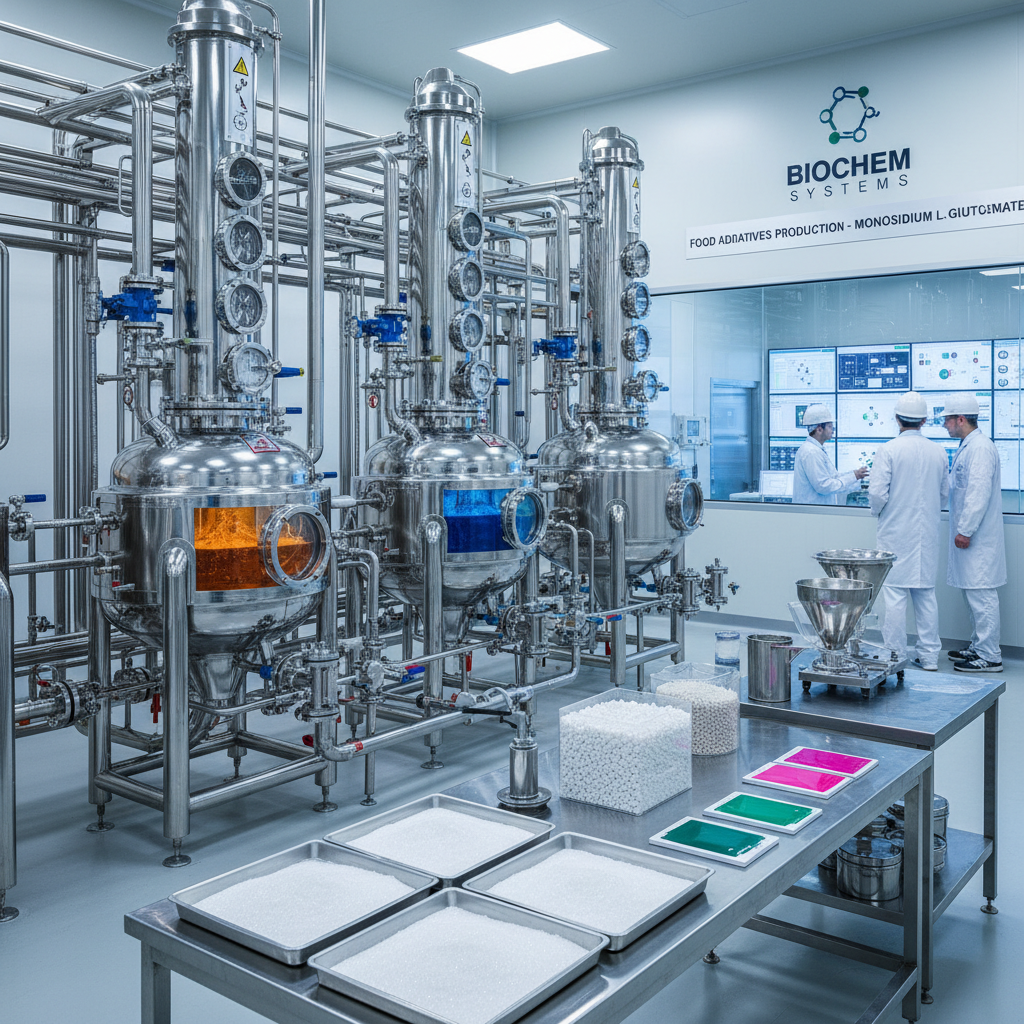
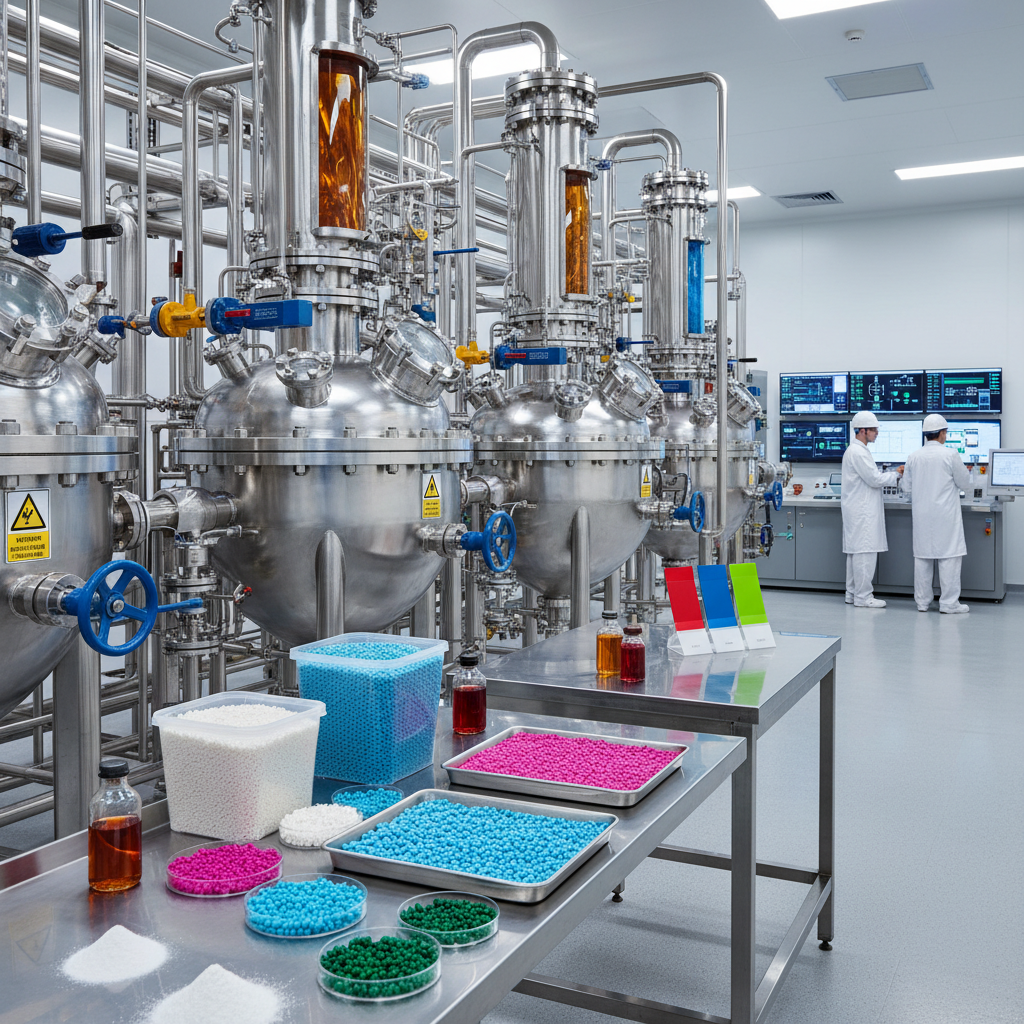
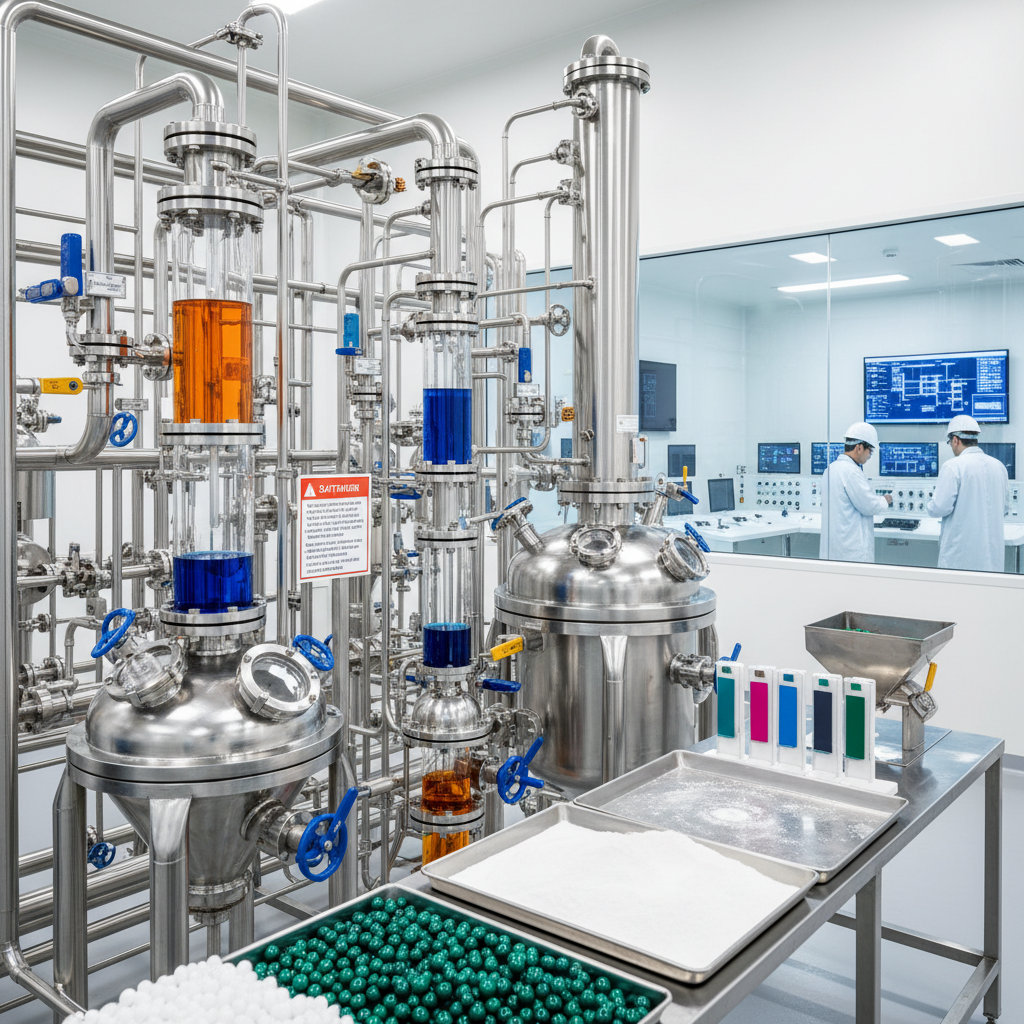
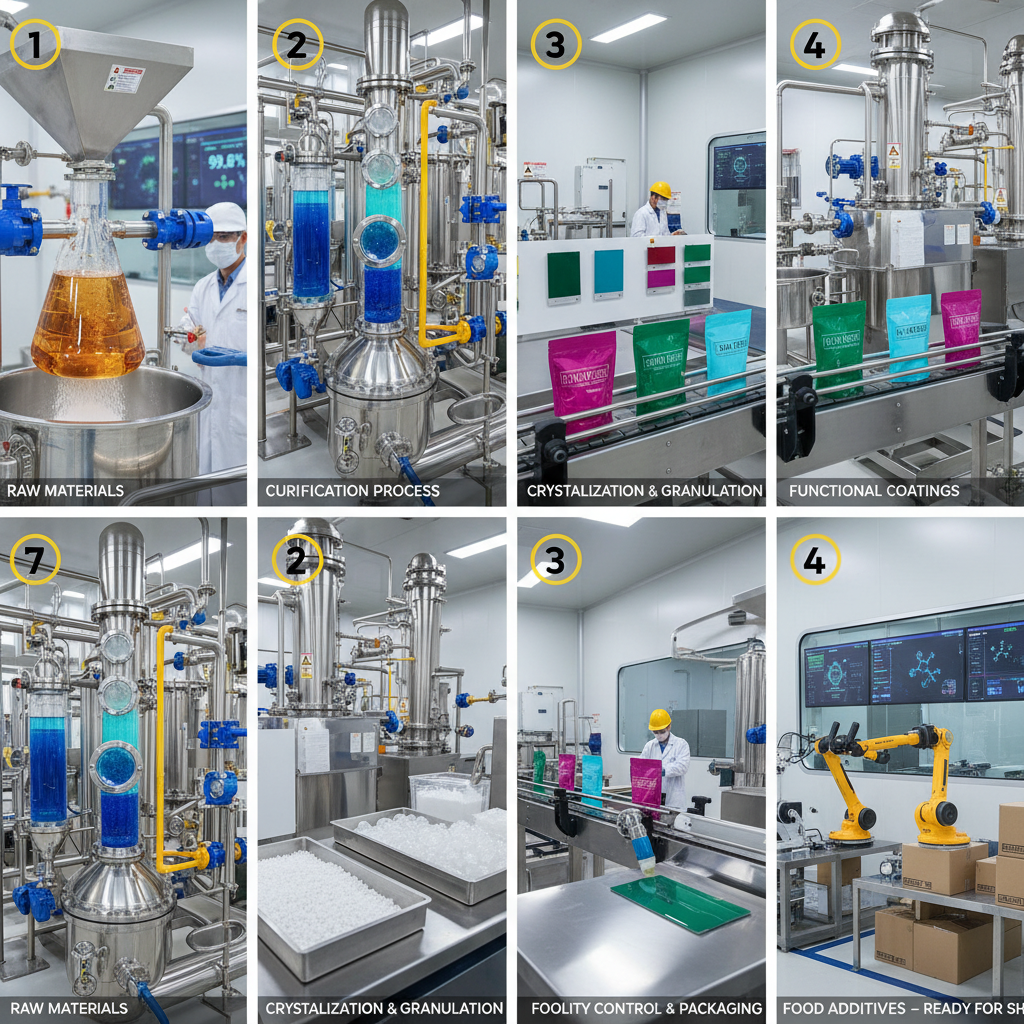
From an industrial perspective, the production of high-grade MSG typically involves the fermentation of starches or sugars using specific strains of bacteria, such as Corynebacterium glutamicum. This biotechnical approach ensures that the final product is chemically identical to the glutamate found in natural foods like Parmesan cheese or tomatoes, making it a seamless fit for modern food manufacturing and pharmaceutical intermediate synthesis.
The connection to modern industry extends beyond the kitchen; it is a benchmark for how biotechnology can be scaled to meet mass-market needs. The purity of the crystalline structure and the control of the L-isomer are critical, as only the L-form of the glutamate provides the desired sensory effect, highlighting the precision required in the chemical manufacturing process.
Core Components of Quality and Purity
When evaluating monosodium l glutamate, "Solubility" is the first key factor. High-quality crystals must dissolve rapidly and completely in aqueous solutions without leaving residue or causing turbidity. This ensure that the flavor is distributed evenly across the product, preventing "hot spots" of intense saltiness and ensuring a smooth sensory experience for the end consumer.
"Purity Levels" are the second critical component. In the pharmaceutical and food-grade sectors, the absence of heavy metals and organic impurities is non-negotiable. Advanced filtration and crystallization techniques are employed to ensure that the monosodium l glutamate meets strict FCC (Food Chemicals Codex) or USP (United States Pharmacopeia) standards, which is vital for maintaining consumer trust and regulatory compliance.
Finally, "Stability and Shelf-life" define the commercial viability of the additive. Because it is hygroscopic, the packaging and the physical form of the granules must be optimized to prevent clumping. This stability ensures that the product remains active and effective throughout the supply chain, from the factory in China to the food processor in Europe or the Americas.
Industrial Applications and Use Case Efficiency
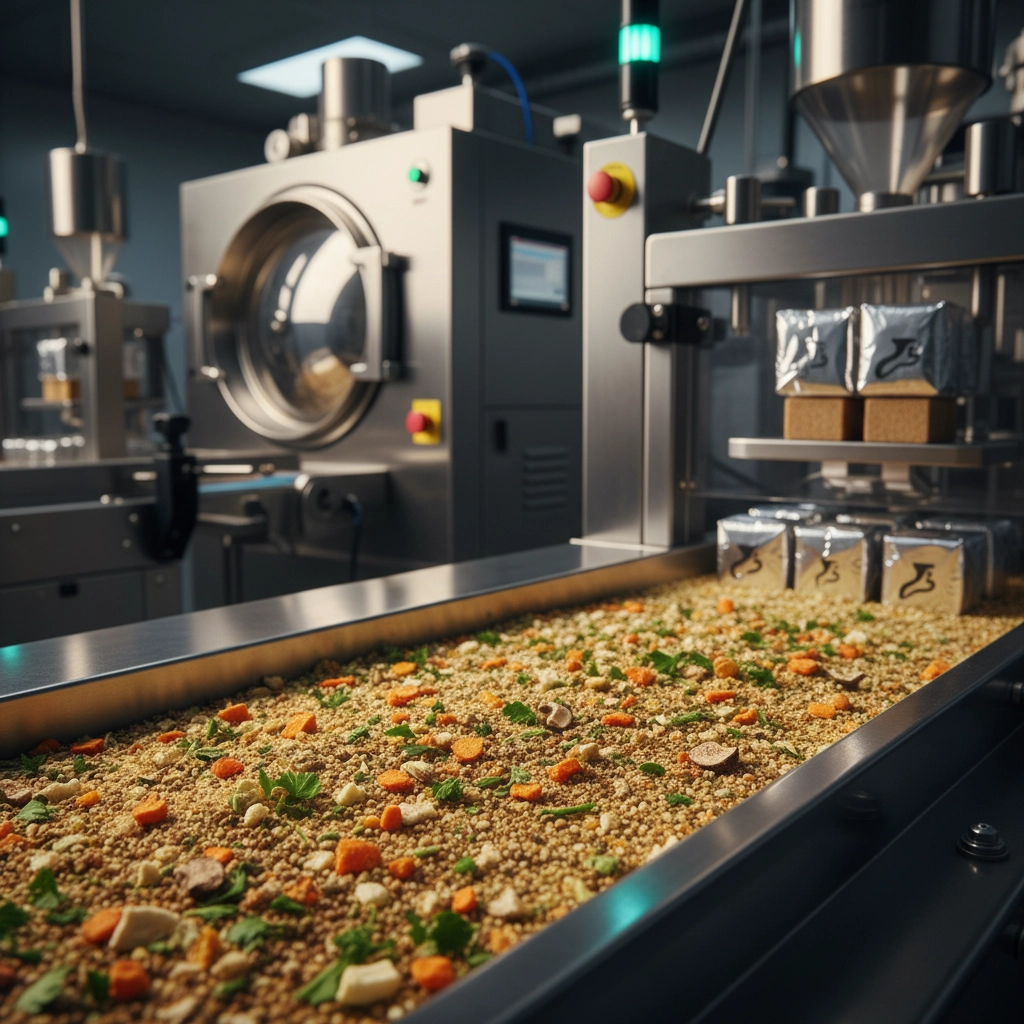
The application of monosodium l glutamate spans multiple high-growth industries. In the food sector, it is used in everything from bouillon cubes to savory snacks, allowing companies to reduce overall sodium chloride (table salt) intake while maintaining a high perceived saltiness. This "salt-reduction" strategy is increasingly important as global health organizations push for lower sodium diets to combat hypertension.
Beyond food, it serves as a critical precursor in the synthesis of pharmaceutical intermediates and as a nutrient in certain cell culture media for biotech research. In remote industrial zones or disaster-relief food kits, the inclusion of MSG-enhanced seasonings helps maintain morale and appetite in stressed populations, demonstrating its value as more than just a culinary tool.
Performance Analysis of Monosodium L Glutamate Variants
Long-Term Value and Economic Advantages
The economic value of monosodium l glutamate lies in its unmatched cost-to-performance ratio. Compared to using expensive natural extracts to achieve a savory profile, MSG provides a potent, consistent, and affordable alternative. This allows manufacturers to lower their Cost of Goods Sold (COGS) while potentially increasing the market appeal of their products through enhanced taste.
From a sustainability angle, the shift toward fermentation-based production has reduced the environmental footprint of the industry. By using renewable agricultural feedstocks (like corn or sugarcane) instead of petroleum-based precursors, the production of monosodium l glutamate aligns with global green chemistry goals, providing a reliable and ethical supply chain for the food additive market.
Future Trends and Sustainable Innovations
The future of monosodium l glutamate is being shaped by the digital transformation of the chemical industry. Precision fermentation and CRISPR technology are being explored to create "super-strains" of bacteria that can produce glutamate with higher yields and lower energy consumption. This automation not only reduces waste but also ensures a more stable global price point for the additive.
Furthermore, there is a growing trend toward "clean label" formulations. Innovations are focusing on integrating monosodium l glutamate into synergistic blends with yeast extracts and mushroom powders. This allows manufacturers to provide the powerful umami experience while meeting the consumer demand for ingredients that sound more "natural" on the packaging.
As we move toward a circular economy, the by-products of MSG production—such as nutrient-rich fermentation broth—are being repurposed as high-quality organic fertilizers. This zero-waste approach transforms a food additive factory into a bio-refinery, enhancing the overall environmental and social impact of the manufacturing process.
Challenges and Expert Solutions in Production
Despite its utility, the industry faces challenges regarding consumer perception and "MSG Syndrome" myths. The expert solution here is a combination of transparent labeling and educational marketing. By highlighting the scientific consensus from organizations like the FDA and WHO, companies can rebuild trust in monosodium l glutamate, positioning it as a safe and effective tool for flavor management.
Another technical hurdle is the management of moisture absorption during international shipping. To solve this, industry leaders are adopting advanced vacuum-sealed, multi-layer polymer packaging that prevents moisture ingress. This ensures that the product arrives in a free-flowing crystalline form, reducing waste and handling time at the destination factory.
Finally, the volatility of raw material costs (like corn and sugar) can impact pricing. Expert manufacturers are diversifying their feedstock sources and implementing hedging strategies to ensure a stable supply of monosodium l glutamate. By optimizing the fermentation cycle through AI-driven monitoring, they can maximize output even during raw material fluctuations.
Analysis of Monosodium L Glutamate Production and Quality Metrics
| Production Method |
Purity Level (%) |
Cost Efficiency |
Market Application |
| Traditional Fermentation |
98.5% |
High |
General Food Grade |
| Precision Bioreactor |
99.9% |
Medium |
Pharmaceutical Grade |
| Organic Extraction |
97.0% |
Low |
Premium Clean Label |
| Hybrid Synthetic |
99.2% |
Medium |
Industrial Intermediates |
| Low-Energy Fermentation |
98.0% |
Very High |
Budget-friendly Seasoning |
| Enzymatic Conversion |
99.5% |
Medium |
Specialized Nutrients |
FAQS
Yes, monosodium l glutamate is recognized as safe (GRAS) by the FDA and other global health authorities. It is a salt of an amino acid naturally present in many foods. When used within recommended industrial dosages, it does not pose a health risk to the general population and is an effective tool for flavor standardization.
Because monosodium l glutamate contains significantly less sodium than table salt (sodium chloride), it can be used to enhance the perceived saltiness of a product. This allows manufacturers to reduce the amount of table salt required without sacrificing the savory taste, effectively lowering the total sodium content per serving.
The primary difference lies in the purity threshold and the strictness of the filtration process. Pharmaceutical-grade monosodium l glutamate undergoes more rigorous testing for trace impurities and heavy metals, meeting USP or EP standards, making it suitable for use in medical applications or as a high-precision chemical intermediate.
Since it is hygroscopic, it should be stored in a cool, dry environment in airtight containers. For industrial quantities, using moisture-proof liners and pallet covers is recommended. Ensuring the storage area is well-ventilated and away from direct sunlight helps maintain the crystalline structure of the monosodium l glutamate.
Yes, many manufacturers now offer monosodium l glutamate derived from non-GMO corn or sugarcane. This is achieved by selecting specific non-modified strains of fermentation bacteria and certifying the raw material supply chain, catering to the growing demand for non-GMO and organic-compliant ingredients.
The most reliable way is to request a Certificate of Analysis (COA) and a third-party inspection report (such as SGS). You should check the assay percentage, the moisture content, and the levels of arsenic and lead to ensure the monosodium l glutamate meets your specific regional regulatory standards.
Conclusion
In summary, monosodium l glutamate remains an indispensable component of the global food and chemical industry. From its biological role in triggering umami receptors to its industrial application in reducing sodium and enhancing flavor consistency, it provides an unmatched balance of efficiency and efficacy. By focusing on high purity, sustainable fermentation, and transparent communication, manufacturers can leverage this additive to create products that are both delicious and compliant with global health standards.
Looking forward, the integration of AI-driven biotechnology and green chemistry will likely refine the production of monosodium l glutamate, making it even more sustainable and accessible. For businesses looking to optimize their additive supply chain or improve their product profiles, investing in high-grade, certified materials is the key to long-term success. To explore professional-grade solutions and sourcing, visit our website: www.chinaseasoning.com.