In the complex world of food science, few ingredients have sparked as much global discussion and culinary transformation as aji msg. As a cornerstone of the flavor enhancement industry, this crystalline seasoning has redefined how we perceive the "umami" or savory taste, bridging the gap between traditional cooking and modern industrial food production. Understanding the chemistry and application of this additive is essential for manufacturers aiming to achieve consistent, high-quality taste profiles across diverse product lines.
Globally, the demand for efficiency in food processing has pushed the adoption of aji msg to unprecedented levels, particularly in the Asia-Pacific and Latin American markets. By providing a concentrated source of glutamate, it allows food producers to reduce reliance on expensive natural proteins while maintaining a rich, satisfying flavor. This balance of cost-effectiveness and sensory appeal makes it an indispensable tool in the production of everything from processed snacks to complex pharmaceutical-grade nutritional supplements.
However, the journey of incorporating such a powerful additive involves navigating a landscape of regulatory standards, consumer perceptions, and technical precision. For professionals in the food additive sector, mastering the deployment of aji msg is not just about taste—it is about optimizing the synergy between ingredients to create a product that is both commercially viable and consumer-approved. This guide explores the technical nuances, global applications, and future trajectories of this pivotal food component.
Global Market Dynamics of aji msg
The global trajectory of aji msg is deeply intertwined with the rise of urbanization and the increasing consumption of convenient, ready-to-eat meals. According to industry data, the shift toward processed foods in emerging economies has led to a surge in the utilization of flavor enhancers to ensure flavor stability during long-term storage and transport. This systemic demand has transformed the additive from a niche culinary tool into a strategic industrial asset.
Despite its popularity, the market faces a dual challenge: maintaining rigorous ISO-certified purity levels while addressing the evolving dietary preferences of health-conscious consumers. The industry is currently witnessing a transition where manufacturers are integrating aji msg with organic extracts to create "hybrid" flavor profiles that satisfy both the need for intense savoriness and the demand for "clean label" ingredients.
Defining the Chemistry and Role of aji msg
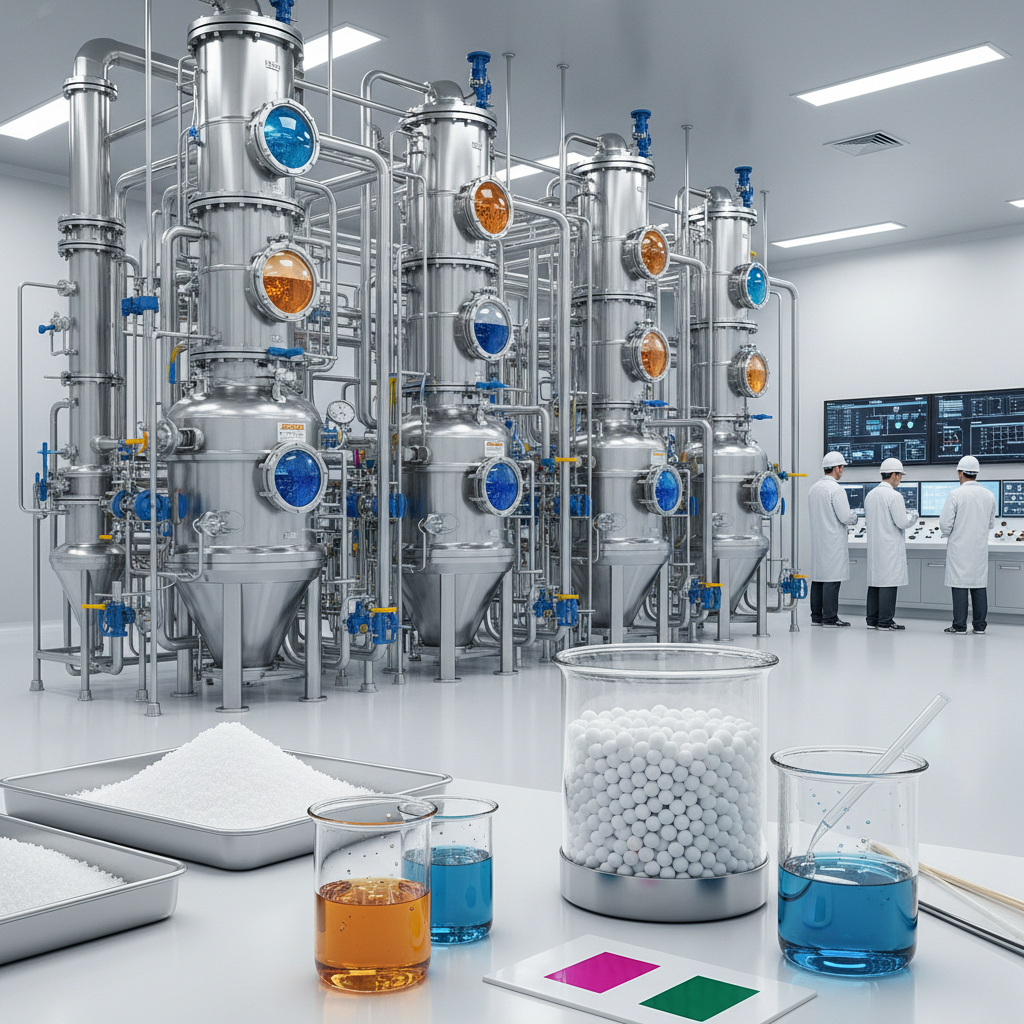
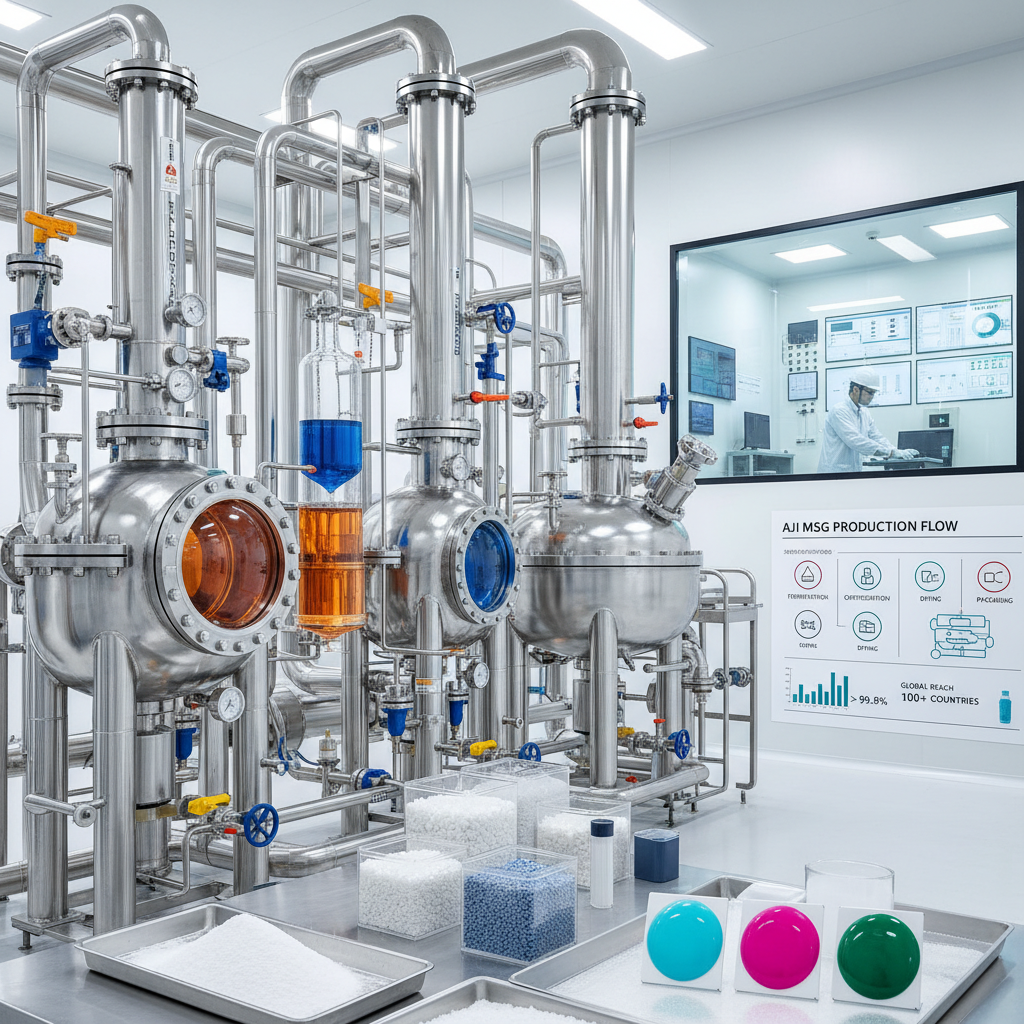
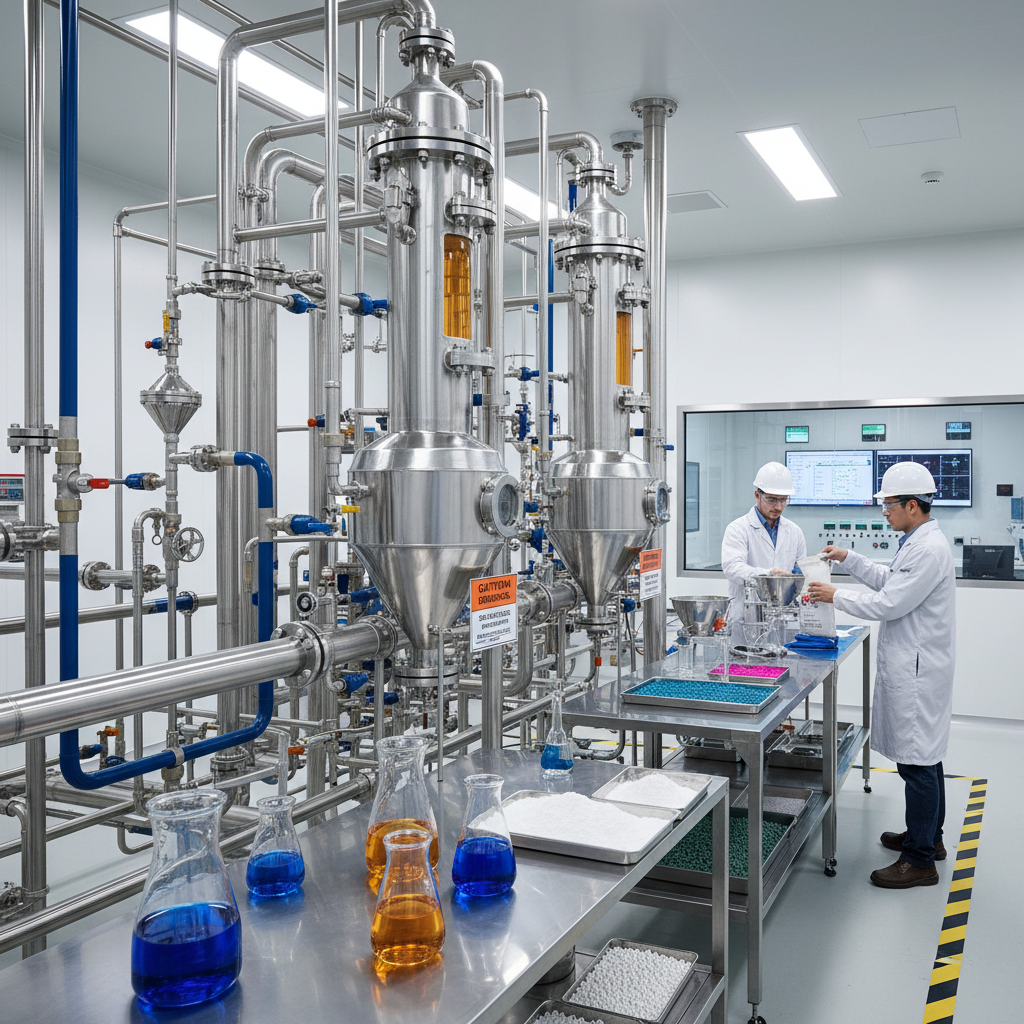
At its core, aji msg is the sodium salt of glutamic acid, an amino acid naturally found in many proteins. In the context of food additive manufacturing, it is produced through the fermentation of carbohydrates—such as sugarcane or corn starch—using specific bacterial strains. This biological process ensures that the resulting crystals are highly pure and biologically compatible with human taste receptors.
The primary role of this substance is to trigger the umami receptors on the tongue, which signals the presence of amino acids and proteins to the brain. By isolating this specific taste, aji msg allows food scientists to amplify the existing savory notes of a dish without adding excessive amounts of salt or fat, thereby optimizing the nutritional profile of the final product.
Beyond simple seasoning, it acts as a critical stabilizer in complex food matrices. In pharmaceutical intermediates and specialized feed additives, the glutamate structure is often utilized for its ability to influence metabolic pathways or enhance the palatability of nutrient-dense but tasteless supplements, ensuring higher compliance in animal feed and human medicinal diets.
Core Technical Factors for Quality Control
The efficacy of aji msg depends heavily on its purity and crystalline structure. Manufacturers must prioritize the removal of impurities during the fermentation and crystallization phases to prevent off-flavors or discoloration in the final food product. High-grade additives are characterized by their brilliant white color and rapid solubility.
Scalability is another vital factor; the ability to produce aji msg in metric-ton quantities while maintaining a consistent molecular weight is what separates industry leaders from small-scale producers. This requires advanced bioreactor technology and precise temperature control to ensure the fermentation kinetics remain optimal across all batches.
Finally, cost efficiency is achieved through the optimization of raw material sourcing. By utilizing locally available agricultural by-products for the fermentation feedstock, producers can lower the overhead of aji msg production, making it an accessible solution for food manufacturers globally without compromising on the E-E-A-T (Experience, Expertise, Authoritativeness, and Trustworthiness) standards of the industry.
Industrial Application and Performance Metrics
In practical industrial settings, the application of aji msg is rarely a standalone process. It is typically integrated into a "flavor system" where it works synergistically with nucleotides like IMP and GMP to multiply the perceived intensity of umami. This synergy allows for a reduction in the total quantity of additives used while achieving a superior sensory impact.
Performance metrics for these applications are usually measured through sensory panels and chemical analysis. The goal is to reach a "bliss point" where the savory intensity is maximized without becoming overwhelming, ensuring that the aji msg enhances the primary ingredients rather than masking them.
Performance Analysis of aji msg Application Methods
Diversified Use Cases Across Global Sectors
The versatility of aji msg extends far beyond the kitchen. In the livestock industry, it is incorporated into feed additives to improve the palatability of nutrient-dense pellets, which encourages higher feed intake and faster growth rates in poultry and swine. This application is particularly crucial in remote industrial zones where high-quality natural proteins are scarce or prohibitively expensive.
In the pharmaceutical sector, glutamate derivatives are used as intermediates for the synthesis of various medications and specialized nutritional fluids. For instance, in post-disaster relief operations, fortified food packs often utilize these additives to ensure that emergency rations provide a satisfying taste, which can be psychologically vital for displaced populations facing extreme stress and malnutrition.
Long-term Economic and Sensory Advantages
From an economic perspective, the integration of aji msg offers a tangible reduction in production costs. By replacing a portion of expensive ingredients like beef extract or aged cheeses with a precisely measured amount of glutamate, manufacturers can stabilize their margins without sacrificing the sensory quality that consumers expect from premium products.
Beyond the balance sheet, the long-term value lies in reliability. Standardized aji msg ensures that a product tastes exactly the same whether it is produced in a factory in Shanghai or distributed in a supermarket in New York. This consistency builds brand trust and consumer loyalty, as it removes the volatility associated with natural raw materials.
Furthermore, there is a social impact regarding food security. By making savory, palatable food more affordable and easier to produce on a mass scale, these additives contribute to the accessibility of nutrient-fortified foods in developing regions, combining innovation with a commitment to global nutritional dignity.
Future Innovations in Glutamate Production
The future of aji msg is being shaped by the digital transformation of biotechnology. Precision fermentation, powered by AI-driven genetic engineering, is allowing producers to create more sustainable strains of bacteria that can convert waste biomass into high-purity glutamate. This shift toward a circular economy reduces the carbon footprint of additive manufacturing.
Sustainability is also driving the development of "Green aji msg," where the process eliminates harsh chemical catalysts in favor of enzymatic pathways. These innovations not only align with global green energy policies but also appeal to the growing segment of eco-conscious consumers who demand transparency in the additive supply chain.
As automation increases in food processing plants, we expect to see the rise of "smart dosing" systems. These systems will use real-time sensory sensors to adjust the levels of aji msg during production, ensuring an optimal flavor profile regardless of variations in the primary raw ingredients.
Comparative Analysis of aji msg Production and Application Trends
| Production Method |
Sustainability Score (1-10) |
Cost Efficiency |
Purity Level |
| Traditional Fermentation |
6 |
High |
98% |
| Precision Bio-engineering |
9 |
Medium |
99.9% |
| Waste-to-Value Process |
10 |
Very High |
97% |
| Enzymatic Synthesis |
8 |
Medium |
99.5% |
| Hybrid Bio-Chemical |
7 |
High |
98.5% |
| Closed-loop Circular |
10 |
Medium |
99% |
FAQS
Yes, aji msg is recognized as generally safe (GRAS) by global health organizations, including the FDA and EFSA. When used within recommended industrial dosage levels, it provides a safe way to enhance flavor without introducing harmful chemicals. The key is adherence to purity standards and precise measurement to ensure consumer safety.
Chemically, there is no difference. The glutamate in aji msg is identical to the one found in naturally glutamate-rich foods like tomatoes or parmesan cheese. The only difference is the concentration; the additive provides a pure, isolated form that allows for precise control over the savory intensity in a product.
Absolutely. High-purity aji msg serves as a vital precursor in the synthesis of several pharmaceutical compounds and is frequently used in medical-grade nutritional supplements to improve the palatability of amino acid infusions, ensuring better patient adherence to critical dietary regimens.
To maintain the free-flowing crystalline nature of aji msg, it should be stored in a cool, dry environment in airtight containers. Because it is hygroscopic (absorbs moisture from the air), maintaining low humidity in the warehouse is essential to prevent caking and ensure accurate dosing during the manufacturing process.
Importing aji msg requires proper documentation, including a Certificate of Analysis (COA) and Material Safety Data Sheets (MSDS). It is recommended to work with a supplier that provides full traceability and complies with the import regulations of the destination country, such as REACH in Europe or FDA guidelines in the USA.
While its primary function is flavor, aji msg can indirectly support shelf-life stability by allowing producers to reduce the amount of other volatile flavorings that might degrade over time. It remains stable under most processing temperatures, ensuring the savory profile persists from the factory to the consumer's table.
Conclusion
In summary, aji msg remains one of the most powerful and versatile tools in the food additive industry. From its foundational chemistry and its ability to trigger the umami response, to its strategic application in pharmaceutical intermediates and animal feed, it provides an unparalleled combination of cost-efficiency and sensory quality. By adhering to rigorous quality control and embracing the shift toward sustainable, precision-fermented production, manufacturers can leverage this ingredient to create products that are globally competitive and consistently delicious.
Looking forward, the evolution of flavor science will likely see a deeper integration of aji msg with AI-driven formulation and green chemistry. For businesses seeking to optimize their product profiles, the recommendation is to move toward high-purity, sustainably sourced glutamate to align with modern consumer values. Embracing these innovations will not only safeguard the commercial viability of food products but also contribute to a more sustainable and flavor-rich global food system. Visit our website for more professional insights: www.chinaseasoning.com