0%

Table of Contents

Feed additive suppliers play a crucial role in modern agriculture and animal husbandry, contributing significantly to the efficiency, health, and sustainability of livestock production. These suppliers provide essential ingredients that enhance feed quality, optimize animal nutrition, and improve overall animal performance. The global demand for animal protein continues to rise, making the services of reliable and innovative feed additive suppliers more important than ever. Understanding their function and impact is vital for industry professionals, researchers, and policymakers alike.

The importance of feed additives stems from their ability to address specific nutritional deficiencies, enhance digestive processes, and boost immune systems in livestock. This, in turn, leads to improved growth rates, better feed conversion ratios, and enhanced product quality – ultimately benefitting both producers and consumers. A thriving livestock sector depends heavily on a robust supply chain facilitated by specialized feed additive suppliers, ensuring consistent access to quality ingredients.

Globally, the feed additive market is experiencing substantial growth, fueled by increasing awareness of animal health and the need for sustainable farming practices. The United Nations Food and Agriculture Organization (FAO) estimates that global meat consumption will continue to increase by 70% by 2050, further emphasizing the critical role of feed additive suppliers in meeting this demand responsibly and efficiently. This growth also brings challenges related to quality control, regulatory compliance, and the development of innovative, environmentally friendly solutions.

The Vital Role of Feed Additive Suppliers in Modern Agriculture

The Global Significance of Feed Additive Suppliers

The Vital Role of Feed Additive Suppliers in Modern Agriculture

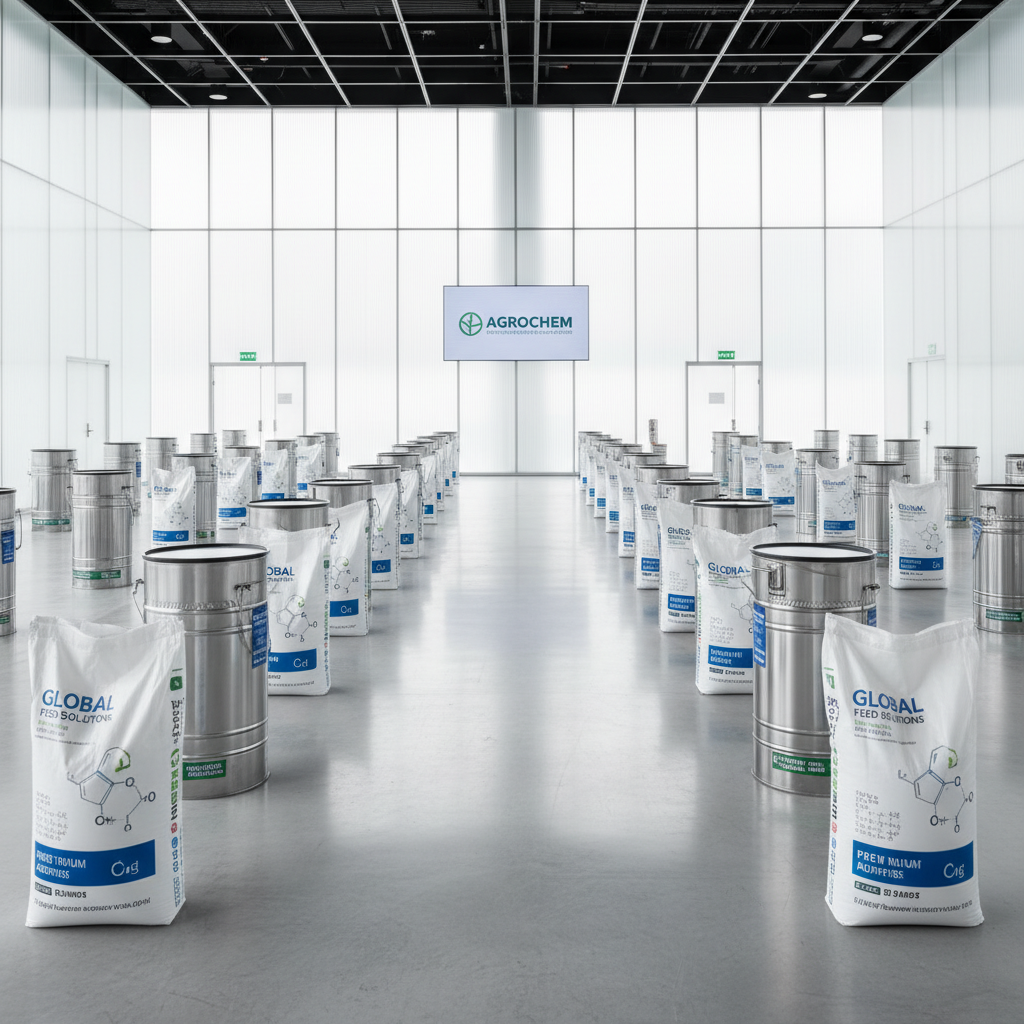
The global landscape of livestock production is inextricably linked to the performance of feed additive suppliers. These suppliers don't simply provide ingredients; they deliver solutions that address the evolving challenges of a growing population and changing dietary habits. They operate within a complex network encompassing research and development, manufacturing, quality control, and logistics, all aimed at ensuring the availability of safe, effective, and affordable feed additives. Reliable feed additive suppliers are integral to ensuring food security and the efficient use of agricultural resources.

The scale of this industry is substantial. The global feed additives market is valued in the billions of dollars, with consistent growth projected for the coming decades. This growth is particularly prominent in developing nations, where the demand for animal protein is escalating rapidly. Suppliers are adapting to this dynamic market by investing in advanced technologies and expanding their global reach. Successfully navigating the complexities of international trade regulations and maintaining consistent product quality are key factors for success in this competitive environment.

Defining Feed Additive Suppliers

Feed additive suppliers are companies specializing in the production, sourcing, and distribution of substances added to animal feed to improve animal health, growth, and productivity. These substances can range from vitamins and minerals to enzymes, probiotics, amino acids, and specialized compounds designed to address specific nutritional needs or health concerns. They differ from standard feed manufacturers in that they focus specifically on enhancing feed, rather than producing the base feed itself.

Their role is pivotal in modern animal agriculture. Without these specialized ingredients, it would be significantly more challenging—and costly—to meet the global demand for meat, poultry, dairy, and eggs. Feed additive suppliers are often at the forefront of nutritional innovation, constantly researching and developing new products to optimize animal performance and address emerging health challenges. They work closely with nutritionists, veterinarians, and feed manufacturers to formulate effective feeding strategies.

Connecting this to broader humanitarian needs, quality feed additives contribute to efficient food production which, in turn, helps address food security concerns, particularly in regions facing malnutrition or resource scarcity. Effective animal husbandry, supported by quality additives, enables more sustainable and resilient food systems, ensuring access to essential nutrients for growing populations.

Core Components of Reliable Feed Additive Supply

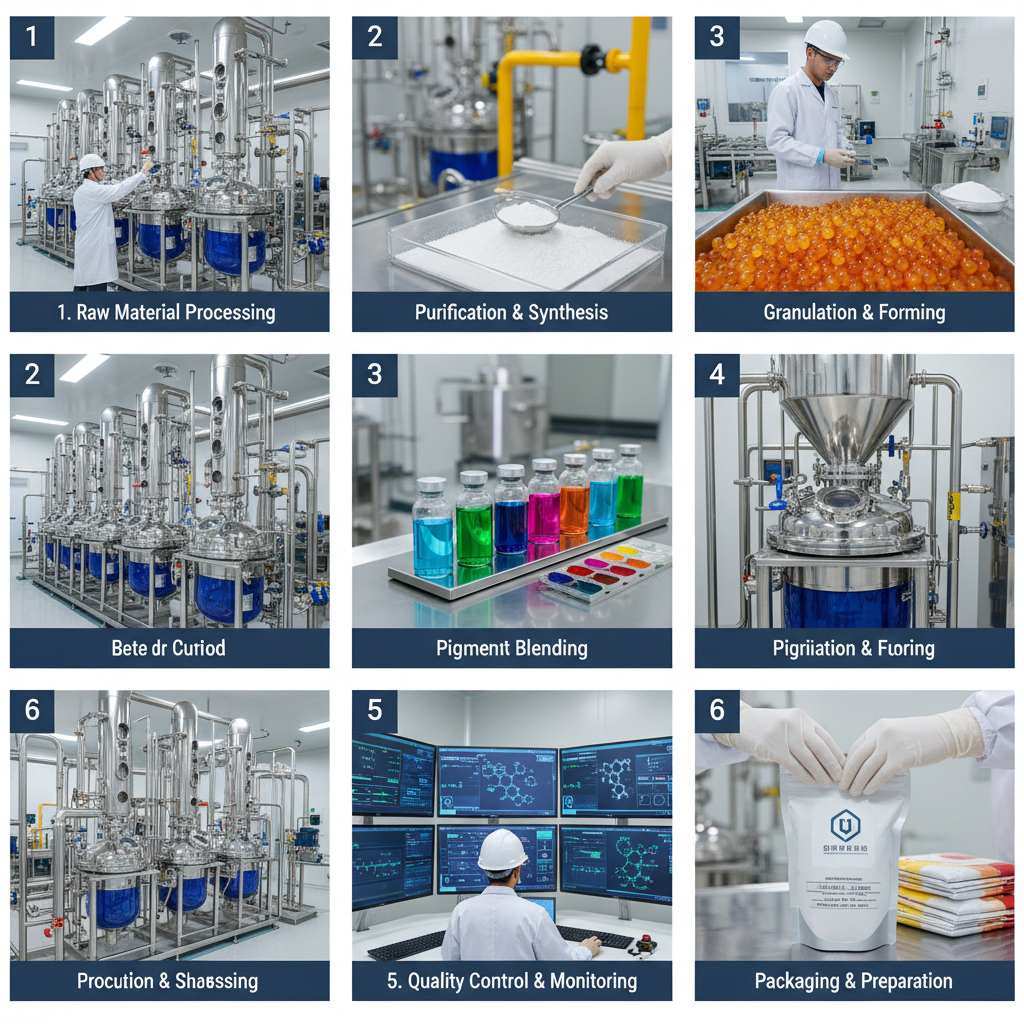
A reliable supply chain is at the heart of any successful feed additive supplier. This encompasses efficient sourcing of raw materials, robust manufacturing processes, stringent quality control measures, and a dependable logistics network. Suppliers must navigate complex regulations and maintain consistent product quality to meet the demands of a discerning customer base. A crucial component is traceability – the ability to track the origin and processing of each ingredient throughout the entire supply chain.

Beyond the logistical aspects, a strong emphasis on research and development is paramount. Innovative suppliers invest in exploring new additive compounds, optimizing existing formulations, and developing solutions tailored to specific animal species and production systems. This commitment to innovation ensures they remain competitive and can address the evolving needs of the industry. Furthermore, a responsive technical support team capable of providing guidance on product application and troubleshooting is a critical differentiator.

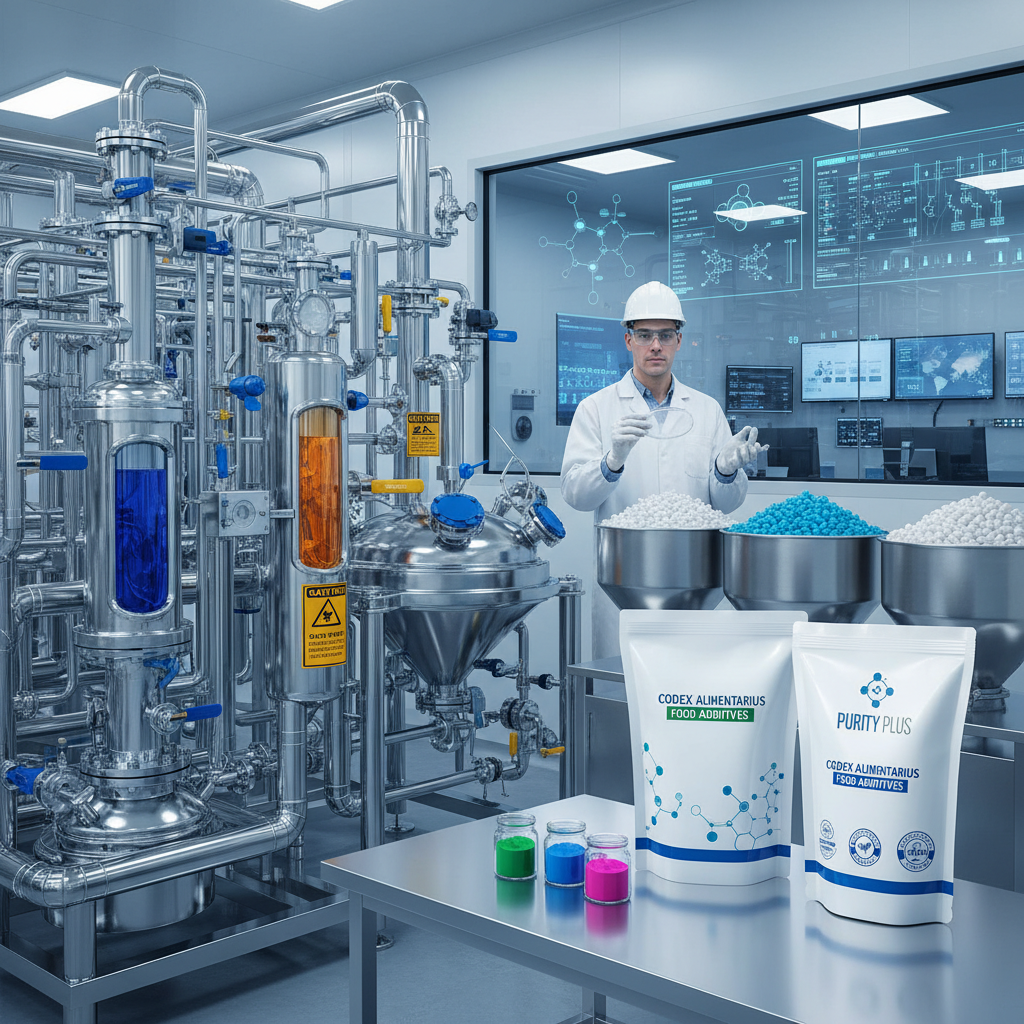
Finally, adherence to strict regulatory standards, such as those set by the FDA, EFSA, and local authorities, is non-negotiable. This ensures product safety, efficacy, and compliance with international trade requirements. Regular audits, comprehensive documentation, and a proactive approach to regulatory changes are essential for maintaining a trusted reputation and market access.

Key Factors Influencing Feed Additive Supplier Selection

When selecting a feed additive supplier, several key factors come into play. Product quality and consistency are paramount. Buyers need assurance that the additives meet stringent specifications and deliver consistent performance. Price is obviously a consideration, but it should be balanced against quality and reliability. A low price point may be appealing, but it’s often a false economy if it compromises product efficacy or supply chain stability.

Supplier Selection Criteria – Importance Rating


Global Applications and Use Cases of Feed Additives

Feed additives find application across a wide range of livestock species, including poultry, swine, ruminants (cattle, sheep, goats), and aquaculture. In poultry production, additives such as enzymes and probiotics are used to improve feed digestibility and enhance gut health, leading to faster growth rates and reduced mortality. In swine farming, they help optimize protein utilization and control disease outbreaks.

Ruminant livestock benefit from additives that enhance fiber digestion and reduce methane emissions, contributing to improved feed efficiency and environmental sustainability. Aquaculture relies heavily on additives to support immune function, enhance coloration, and improve overall fish health. Geographic variations in application are also notable, with certain additives being more prevalent in specific regions due to local farming practices and regulatory requirements.

Advantages and Long-Term Value Proposition

The advantages of utilizing quality feed additives are multi-faceted. Improved animal health leads to reduced veterinary costs and increased productivity. Enhanced feed efficiency translates into lower feed costs per unit of output, boosting profitability for producers. Furthermore, additives can contribute to a reduction in environmental impact by optimizing nutrient utilization and minimizing waste.

The long-term value extends beyond mere cost savings. Sustainable livestock production, supported by responsible additive use, fosters greater food security, enhances animal welfare, and builds consumer trust. Investing in high-quality feed additives is an investment in the future of a resilient and sustainable agricultural system.

Future Trends and Innovations in Feed Additive Supply

The future of feed additive supply is poised for significant innovation. A key trend is the growing focus on precision nutrition, tailoring additive formulations to the specific needs of individual animals based on factors like age, breed, and production stage. This requires sophisticated analytical tools and a deeper understanding of animal physiology. Another emerging area is the development of novel additives derived from natural sources, such as algae, microbial fermentation products, and plant extracts.

Digital technologies, including blockchain and data analytics, are also playing an increasingly important role, enhancing traceability, improving supply chain transparency, and optimizing additive delivery. Sustainability considerations will continue to drive innovation, with a focus on reducing the environmental footprint of both additive production and livestock farming.

FAQS

What are the key certifications I should look for in a feed additive supplier?

When selecting a supplier, prioritize certifications like ISO 9001 (quality management), FAMI-QS (feed additive and premix quality system), and GMP+ (Good Manufacturing Practice). These certifications demonstrate a commitment to quality control, safety, and traceability. Verify the supplier’s adherence to relevant regional regulations (FDA in the US, EFSA in Europe) to ensure compliance and product safety. A robust certification program provides confidence in the supplier’s capabilities and product integrity.

How can I ensure the consistency of feed additives from a supplier?

Consistency is critical for optimal animal performance. Request detailed specifications for each additive, including assay results and quality control parameters. Establish a regular testing program to verify that delivered batches meet agreed-upon standards. A reliable supplier should provide Certificates of Analysis (COAs) for each lot and be transparent about their manufacturing processes. Regular audits of the supplier’s facilities can further assess their quality control measures.

What is the typical lead time for ordering feed additives?

Lead times can vary significantly based on the additive, quantity ordered, and the supplier’s location. Standard additives are generally available with shorter lead times (1-2 weeks), while specialized or custom-formulated additives may require 4-8 weeks or longer. Discuss lead times with the supplier during the quoting process and factor them into your production planning. Maintaining safety stock levels is also advisable to mitigate potential supply disruptions.

How important is traceability in the feed additive supply chain?

Traceability is paramount for ensuring food safety and building consumer trust. A robust traceability system allows you to track the origin of each ingredient, its manufacturing process, and its distribution path. This is crucial for identifying and addressing potential contamination issues and demonstrating compliance with regulatory requirements. Suppliers utilizing blockchain technology or other advanced tracking systems offer enhanced transparency and accountability.

What kind of technical support should I expect from a feed additive supplier?

A good supplier offers comprehensive technical support, including assistance with product selection, formulation optimization, and troubleshooting. They should have qualified nutritionists or veterinarians available to answer your questions and provide guidance on additive application. Access to technical data sheets, research reports, and application guides is also essential. A responsive and knowledgeable support team can significantly improve the value of your investment.

Are there any emerging technologies impacting the feed additive industry?

Yes, several emerging technologies are transforming the industry. Precision fermentation is enabling the production of novel additives with improved functionality. Data analytics and AI are being used to optimize additive formulations and predict animal responses. Blockchain technology is enhancing traceability and supply chain transparency. Furthermore, advancements in encapsulation technology are improving additive stability and targeted delivery within the animal’s digestive system.

Conclusion

In conclusion, reliable feed additive suppliers are fundamental to the success of modern livestock production. They provide the essential ingredients that enhance animal health, improve productivity, and ensure food security. Selecting a supplier based on factors like quality, reliability, technical support, and regulatory compliance is crucial for maximizing value and mitigating risk. A robust and transparent supply chain, coupled with continuous innovation, is paramount to addressing the evolving challenges of a growing global population.

Looking ahead, embracing emerging technologies, prioritizing sustainability, and fostering close collaboration between suppliers, producers, and researchers will be key to unlocking the full potential of feed additives. By investing in high-quality additives and fostering a responsible approach to animal nutrition, we can build a more resilient, efficient, and sustainable food system for future generations. Visit our website: www.chinaseasoning.com to learn more about our comprehensive range of feed additive solutions.
Kevin Wilson

Kevin Wilson

Kevin Wilson is our Quality Control Manager, responsible for upholding the stringent quality standards across all our product lines. He boasts 10 years of experience in food safety and chemical analysis. Kevin oversees rigorous testing protocols throughout the production process, from raw material inspection to final product release. He ensures
Previous Optimizing Animal Nutrition Through a Reliable Feed Additive Factory
Next Navigating Construction Material Trends and Challenges with Animal Feed Additives Manufacturers