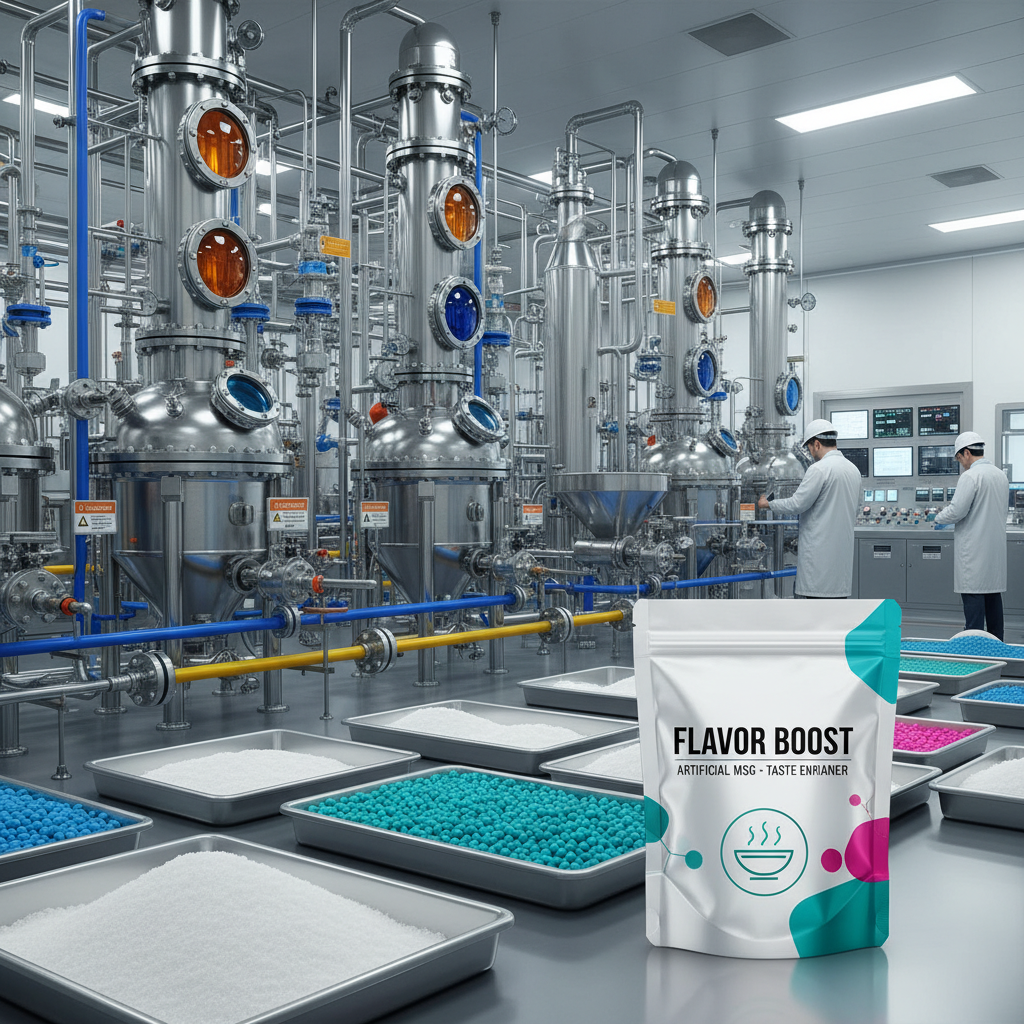
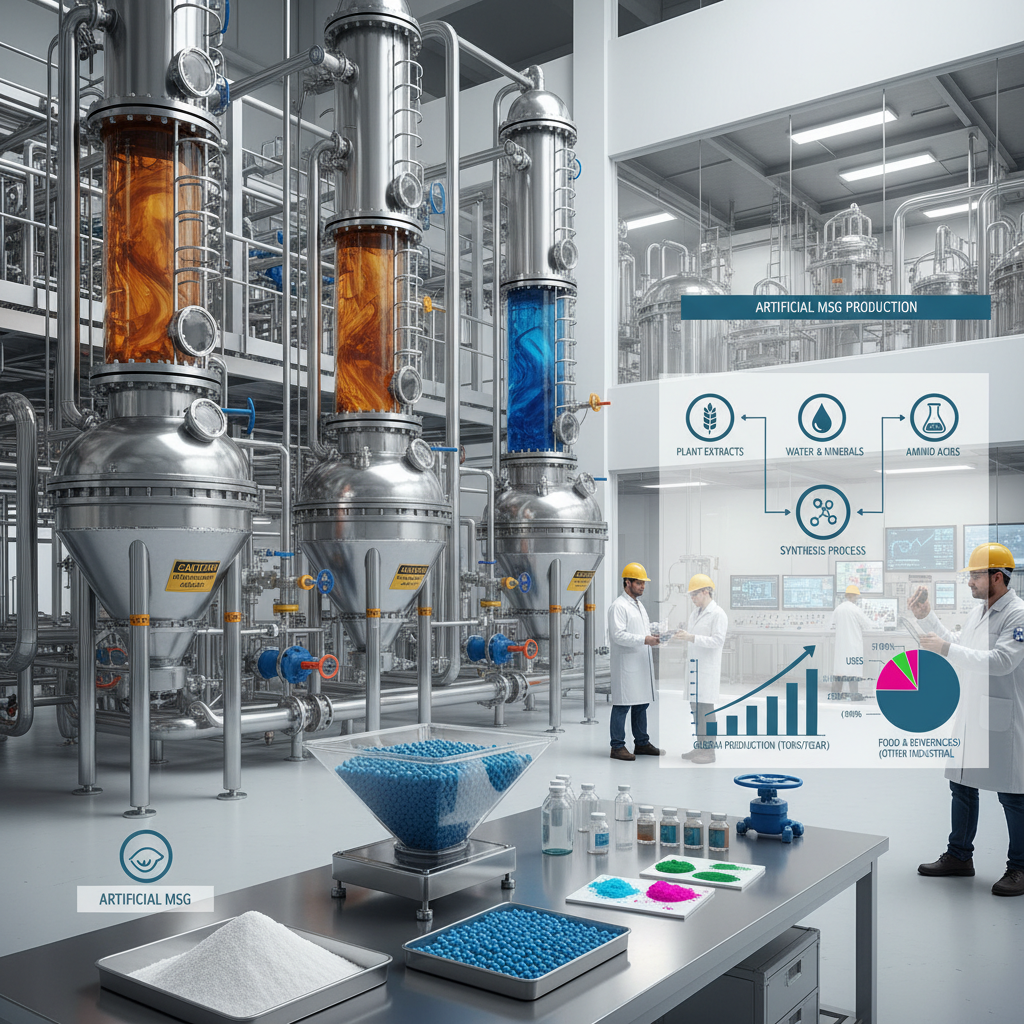
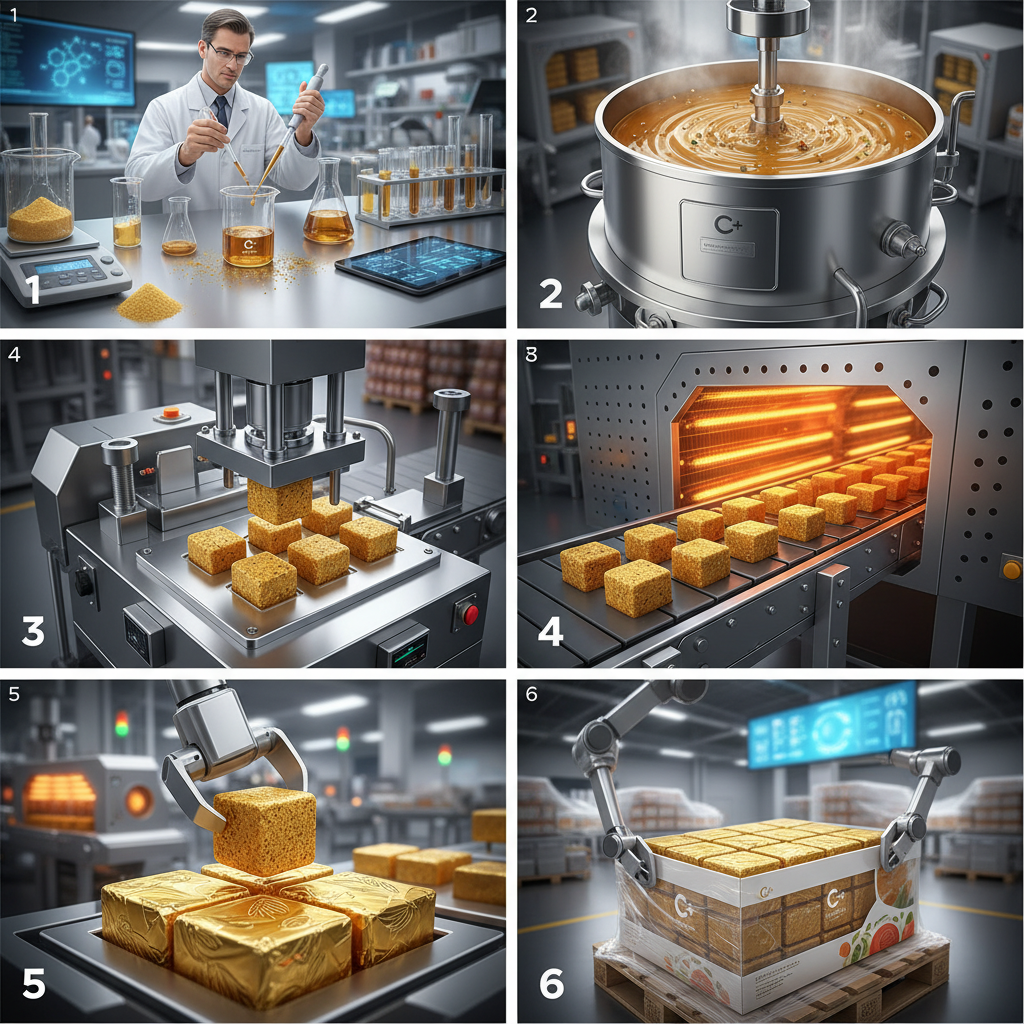
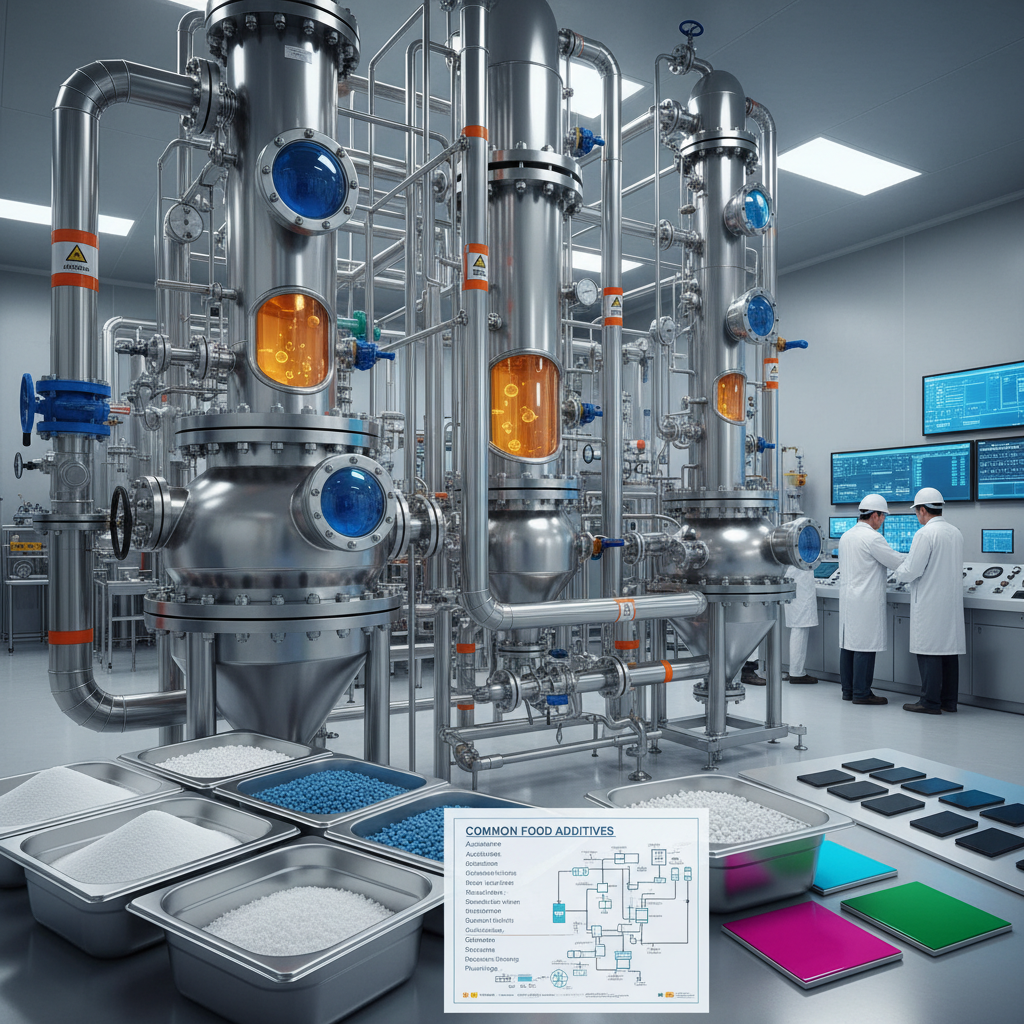
In the modern culinary and industrial landscape, the demand for consistent flavor enhancement has led to the widespread adoption of artificial msg. As a cornerstone of the food additive industry, this compound allows manufacturers to replicate the savory "umami" taste precisely, ensuring that products maintain a uniform taste profile regardless of raw material variations.
Understanding the role of artificial msg is crucial for stakeholders in food manufacturing, pharmaceutical intermediates, and feed additives. By optimizing the balance of glutamates, companies can reduce dependence on expensive natural flavor extracts while simultaneously enhancing the palatability of their end products for a global consumer base.
Globally, the shift toward synthetic flavor enhancers is driven by the need for scalability and cost-efficiency. Whether it is used in processed snacks, livestock feed to improve nutrient intake, or as a chemical precursor in pharma, the strategic application of these additives represents a marriage of biotechnology and commercial necessity.
Global Industry Context of Artificial MSG
The global market for flavor enhancers has seen an unprecedented surge, with artificial msg playing a pivotal role in meeting the demands of a growing population. According to industry trends aligned with ISO quality standards, the standardization of taste is no longer a luxury but a requirement for multinational food brands. This consistency ensures that a product tasted in New York is identical to one tasted in Tokyo.
However, the industry faces the persistent challenge of balancing cost-effective production with clean-label consumer trends. While the efficiency of synthetic enhancers is unmatched, manufacturers must navigate complex regulatory frameworks and consumer perceptions to maintain market trust and operational scalability.
Defining Artificial MSG in Modern Manufacturing
In simple technical terms, artificial msg refers to the synthetically produced salt of glutamic acid, typically created through the fermentation of starches or sugar beets. Unlike naturally occurring glutamates found in tomatoes or parmesan cheese, the artificial version is refined to a high purity level, allowing for precise dosage in industrial formulations.
This compound is essential to modern industry because it addresses the "flavor gap" often created during high-heat processing or freeze-drying of foods. When natural proteins break down during industrial cooking, the resulting flavor can be flat; the addition of a controlled amount of synthetic MSG restores the desired depth and richness.
Beyond the food sector, this chemistry extends into pharmaceutical intermediates and animal feed. In the latter, it serves as a critical attractant that encourages livestock to consume nutrient-dense feed, thereby improving growth rates and overall health in commercial farming environments.
Core Components and Quality Factors
The efficacy of artificial msg is determined by several critical factors, foremost among them being chemical purity. High-grade additives must be free from impurities that could alter the scent or color of the final product, ensuring a neutral base that enhances other flavors without overpowering them.
Scalability and solubility are also paramount. For a manufacturer producing thousands of tons of seasoning, the artificial msg must dissolve rapidly and uniformly. This prevents "hot spots" of flavor in the product, which is a common failure in lower-quality additive batches.
Finally, stability under various pH levels and temperature extremes ensures that the umami effect persists through the shelf life of the product. Whether in a canned soup or a dry powder mix, the molecular integrity of the additive must remain intact to provide consistent sensory satisfaction.
Practical Applications and Use Cases
The application of artificial msg spans across diverse sectors. In the snack food industry, it is used to create the "craveable" quality of extruded corn puffs and potato chips. In the realm of pharmaceutical intermediates, the precursors used to synthesize these flavorants often serve as building blocks for other organic compounds used in medicine.
A poignant example of its utility can be seen in remote industrial zones or humanitarian food aid. In regions where fresh, flavor-rich ingredients are unavailable, fortified foods enriched with artificial msg make high-protein, bland supplements more palatable, increasing the likelihood of consumption in malnutrition-stricken areas.
Efficiency Comparison of Flavor Enhancement Methods
Economic Advantages and Long-Term Value
The primary driver for using artificial msg is its extraordinary cost-to-performance ratio. Compared to extracting glutamates from natural sources—which requires massive amounts of raw biomass—the synthetic process is streamlined and high-yield. This allows producers to lower the cost of goods sold (COGS) while maintaining a premium taste profile.
Beyond the balance sheet, there is a value in reliability. Natural harvests fluctuate based on climate and crop yield, which can lead to flavor instability. Synthetic additives provide a "golden standard" that removes this volatility, fostering long-term trust between the manufacturer and the end consumer through unwavering product quality.
Future Trends in Flavor Biotechnology
The future of artificial msg is leaning heavily toward "green chemistry." We are seeing a transition from traditional chemical synthesis to precision fermentation using genetically optimized microorganisms. This not only reduces the carbon footprint of production but also allows manufacturers to market the product as "bio-identical," bridging the gap between synthetic and natural.
Digital transformation is also playing a role. AI-driven flavor profiling is now being used to determine the exact micro-dosage of artificial msg needed to complement specific ingredient lists. This precision prevents over-saturation and aligns with the global health trend of reducing unnecessary sodium intake.
Furthermore, the integration of automation in additive blending plants ensures that these compounds are mixed with zero human error. This shift toward Industry 4.0 ensures that the application of flavor enhancers is more sustainable, safer, and more efficient than ever before.
Overcoming Industry Challenges and Limitations
Despite its utility, the use of artificial msg is often hindered by historical misconceptions and "chemophobia." The challenge for the industry is not technical, but educational. By providing transparent data on safety and the biochemical identity of synthetic glutamates, companies can dismantle these myths.
Another limitation is the strict regulatory environment in certain regions. To overcome this, manufacturers are investing in "masked" additives or synergistic blends where artificial msg is paired with yeast extracts or mushroom powders. This creates a hybrid label that satisfies both regulatory requirements and consumer preferences for "natural" ingredients.
Ultimately, the solution lies in innovation. By focusing on purity, sustainability, and transparency, the industry is transforming the perception of synthetic enhancers from "artificial fillers" to "essential tools for food security and flavor science."
Strategic Analysis of Artificial MSG Implementation
| Application Sector |
Primary Benefit |
Cost Efficiency |
Stability Score (1-10) |
| Processed Snacks |
Umami Intensity |
Very High |
9 |
| Livestock Feed |
Palatability/Intake |
High |
8 |
| Pharma Intermediates |
Chemical Precursor |
Medium |
10 |
| Ready-to-Eat Meals |
Taste Consistency |
High |
7 |
| Condiment Production |
Salt Reduction |
Very High |
9 |
| Emergency Rations |
Flavor Restoration |
High |
10 |
FAQS
Yes, artificial MSG is recognized as safe (GRAS) by major global health authorities, including the FDA and EFSA. From a manufacturing perspective, when used in accordance with recommended dosage levels, it provides a stable and safe way to enhance flavor without altering the nutritional integrity of the food product.
Chemically, they are identical. The "artificial" label refers to the production method (fermentation or synthesis) rather than the molecular structure. The advantage of the artificial version is its purity and concentrated strength, which allows for much more precise control in industrial formulations compared to variable natural extracts.
Absolutely. One of the most significant benefits of artificial MSG is its ability to enhance the perception of saltiness. By using a small amount of MSG, manufacturers can often reduce the total sodium chloride (table salt) content of a product while maintaining the same level of taste satisfaction for the consumer.
To maintain peak stability and prevent caking, industrial-grade artificial MSG should be stored in a cool, dry environment, away from direct sunlight and moisture. Utilizing moisture-proof packaging is essential for large-scale warehouses to ensure the powder remains free-flowing for automated dosing systems.
Integration typically involves adding the compound during the mixing phase of feed production. We recommend a pilot study to determine the optimal concentration that maximizes animal palatability without affecting the nutritional balance. Our technical team can provide specific blending ratios based on your livestock species.
High-purity artificial MSG is designed to be neutral. When used as an intermediate, its high refinement level ensures that it does not introduce unwanted discoloration or textural irregularities, making it an ideal choice for sensitive chemical synthesis processes.
Conclusion
In summary, artificial msg stands as an indispensable tool in the modern food and chemical industry. By providing a cost-effective, scalable, and chemically stable means of flavor enhancement, it enables manufacturers to achieve a level of product consistency that is impossible with natural ingredients alone. From improving the palatability of animal feed to reducing sodium in human diets, its versatility is unmatched.
Looking forward, the industry must continue to embrace green chemistry and transparent communication to align with evolving consumer values. As we move toward a more sustainable future, the synergy between biotechnology and flavor science will only grow. For those seeking to optimize their product profiles with high-purity additives, exploring professional-grade solutions is the key to long-term commercial success. Visit our website: www.chinaseasoning.com