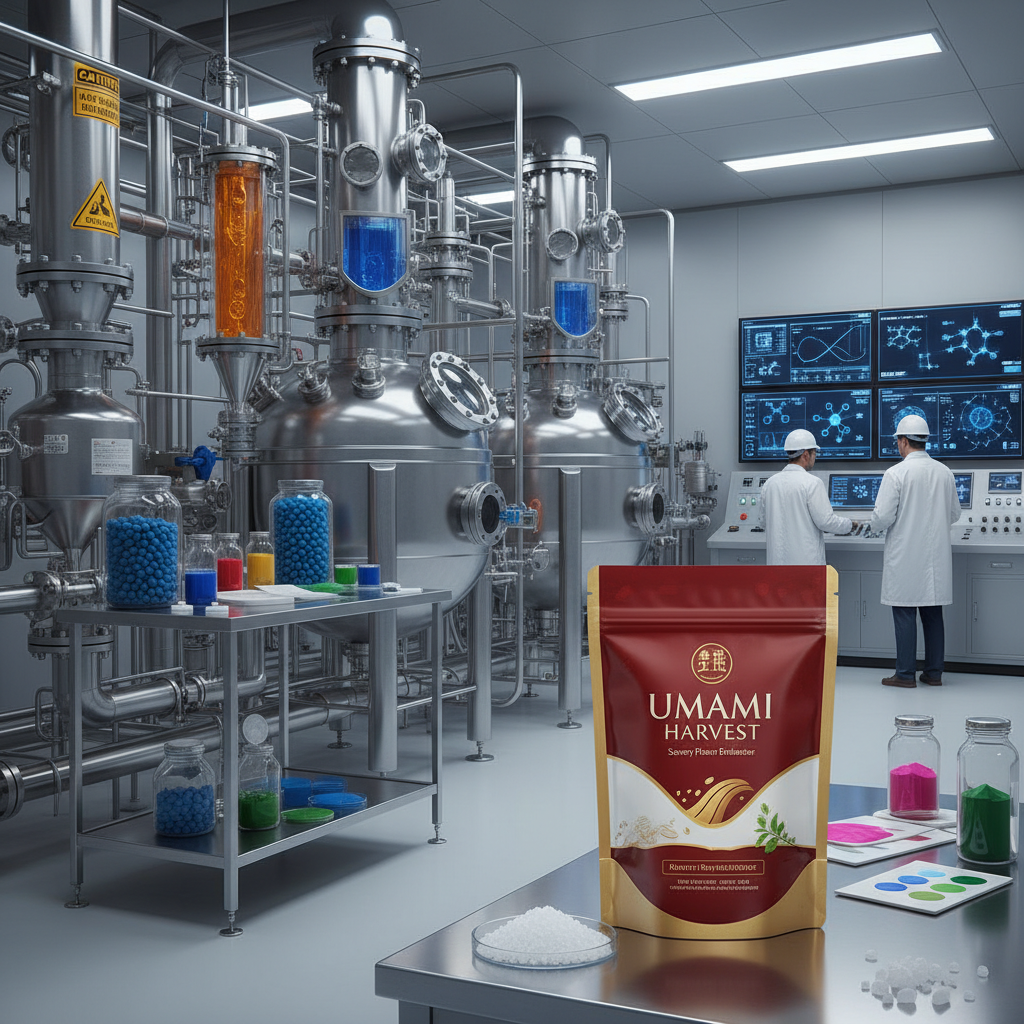
The global culinary landscape has been profoundly influenced by the pursuit of "umami," the savory fifth taste that defines many of the world's most beloved dishes. At the heart of this flavor revolution is asian food msg, a seasoning agent that has transitioned from a regional secret to a global industrial standard. By amplifying the naturally occurring glutamates in ingredients, it allows food manufacturers and chefs to achieve a depth of flavor that is both consistent and satisfying.
Understanding the role of asian food msg requires looking beyond the misconceptions and examining the science of taste. In the context of modern food manufacturing, this additive serves as a critical tool for sodium reduction; because it provides an intense savory profile, less salt is often required to achieve the same palatability. This intersection of flavor enhancement and health optimization makes it a cornerstone of the functional food additives industry.
From high-volume snack production to the delicate balance of authentic sauces, the application of asian food msg ensures that products maintain their sensory appeal across different batches and geographic markets. As consumer demand for authentic Asian flavor profiles grows worldwide, the industrial production of high-purity MSG has become vital for maintaining the integrity of global food supply chains and the satisfaction of the modern palate.
The Science and Origin of asian food msg
The development of asian food msg (Monosodium Glutamate) began with the discovery that the savory taste of kombu seaweed was caused by the amino acid glutamic acid. By isolating this compound and stabilizing it as a sodium salt, scientists created a versatile crystalline powder that could be added to any dish to instantly elevate its savory profile without altering other flavor notes.
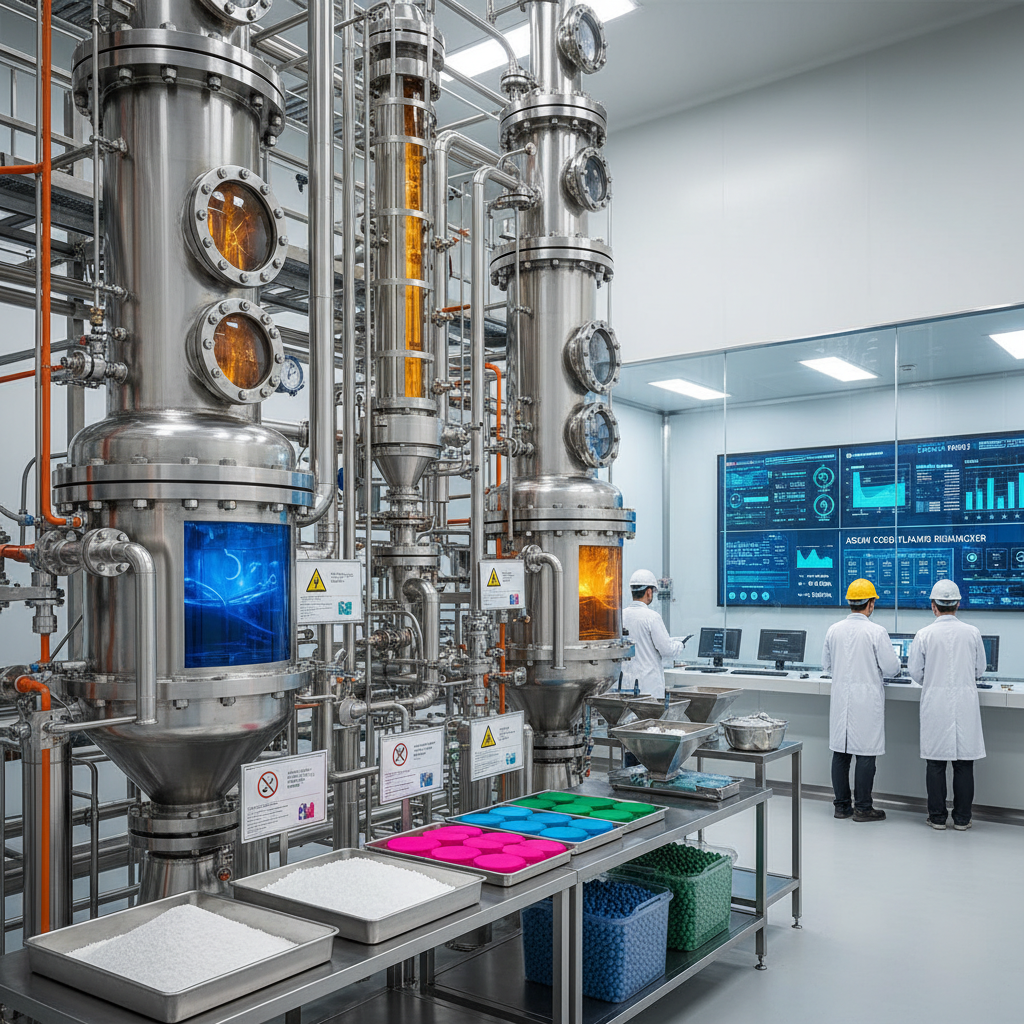
In the modern manufacturing sector, this additive is produced through the fermentation of starches or sugars, mimicking the natural process found in aged cheeses and ripened tomatoes. This bio-fermentation process ensures that the final product is a clean, high-purity additive that integrates seamlessly into various food matrices, providing the essential "base note" that defines high-quality Asian cuisine.
Industrial Production Standards and Purity
The industrialization of asian food msg involves rigorous quality control measures to ensure compliance with international food safety standards. Leading manufacturers utilize advanced crystallization and purification techniques to remove impurities, resulting in a product that is free from odors and off-tastes, which is critical for pharmaceutical-grade intermediates and high-end food additives.
Adherence to ISO and HACCP certifications allows producers to guarantee the stability of the chemical structure. This stability is vital for long-term storage and transportation, ensuring that the additive does not clump or degrade when shipped to diverse climatic regions, from the humid environments of Southeast Asia to the dry climates of North America.
Furthermore, the shift toward sustainable fermentation substrates, such as corn steep liquor or cassava starch, has reduced the environmental footprint of production. By optimizing microbial strains, factories can now maximize the yield of L-glutamate while minimizing waste, aligning the production of asian food msg with global green chemistry initiatives.
Core Functional Components of Flavor Enhancement
One of the primary drivers behind the use of asian food msg is its ability to trigger the T1R1 and T1R3 taste receptors on the human tongue. This biological interaction creates the sensation of fullness and satisfaction, which is why the additive is indispensable in savory snacks, soups, and processed meats.
Synergistic effects are a key component of professional formulation. When asian food msg is combined with ribonucleotides (such as IMP or GMP), the perceived intensity of the umami flavor is multiplied exponentially rather than linearly. This allows manufacturers to achieve a powerful taste profile using significantly lower concentrations of the additive.
Beyond taste, the additive plays a role in the mouthfeel and perception of texture. By enhancing the savory depth, asian food msg helps mask the bitterness sometimes found in plant-based protein substitutes, making it an essential tool for the growing vegan and meat-alternative industry.
Practical Applications in Global Food Systems
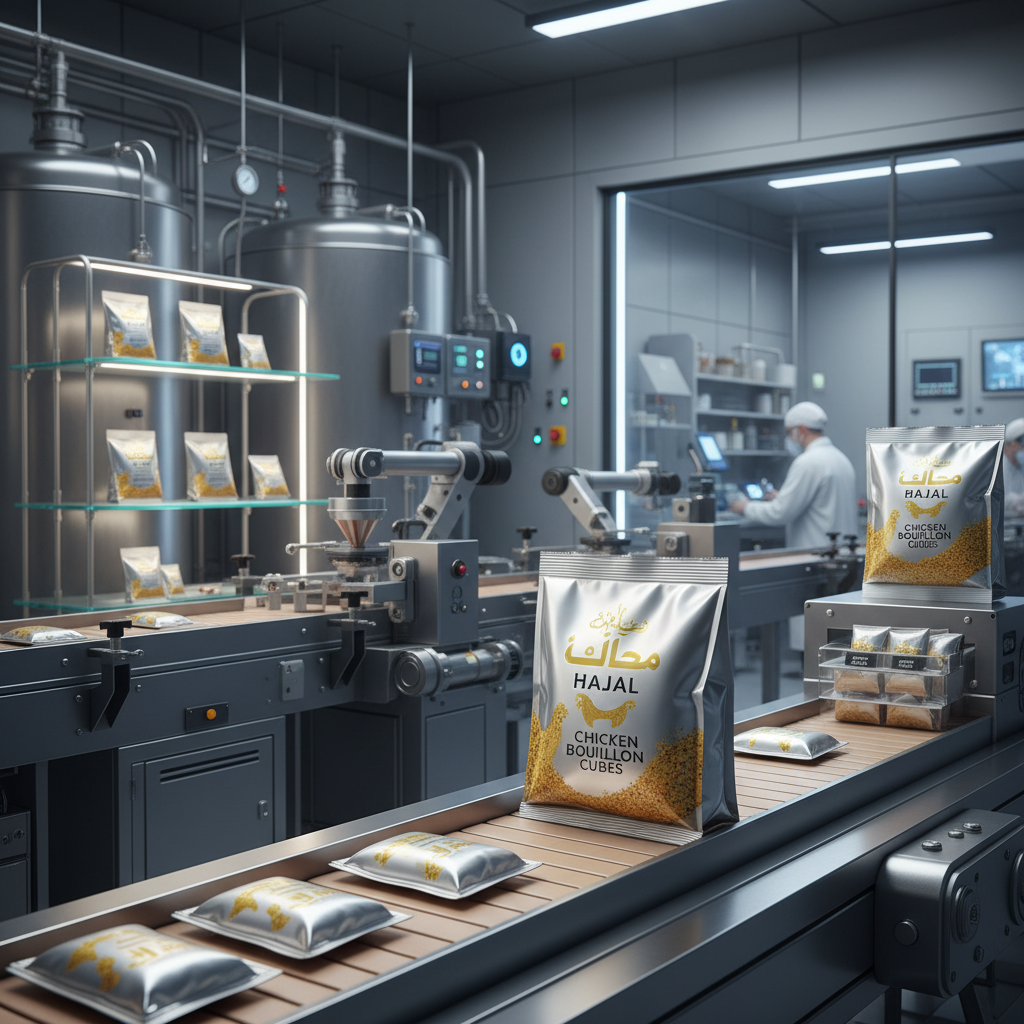
The application of asian food msg extends far beyond traditional seasoning. In the commercial food sector, it is integrated into bouillon cubes, instant noodle packets, and frozen ready-meals to ensure that flavor remains intact despite the high-heat processing and freezing cycles these products undergo.
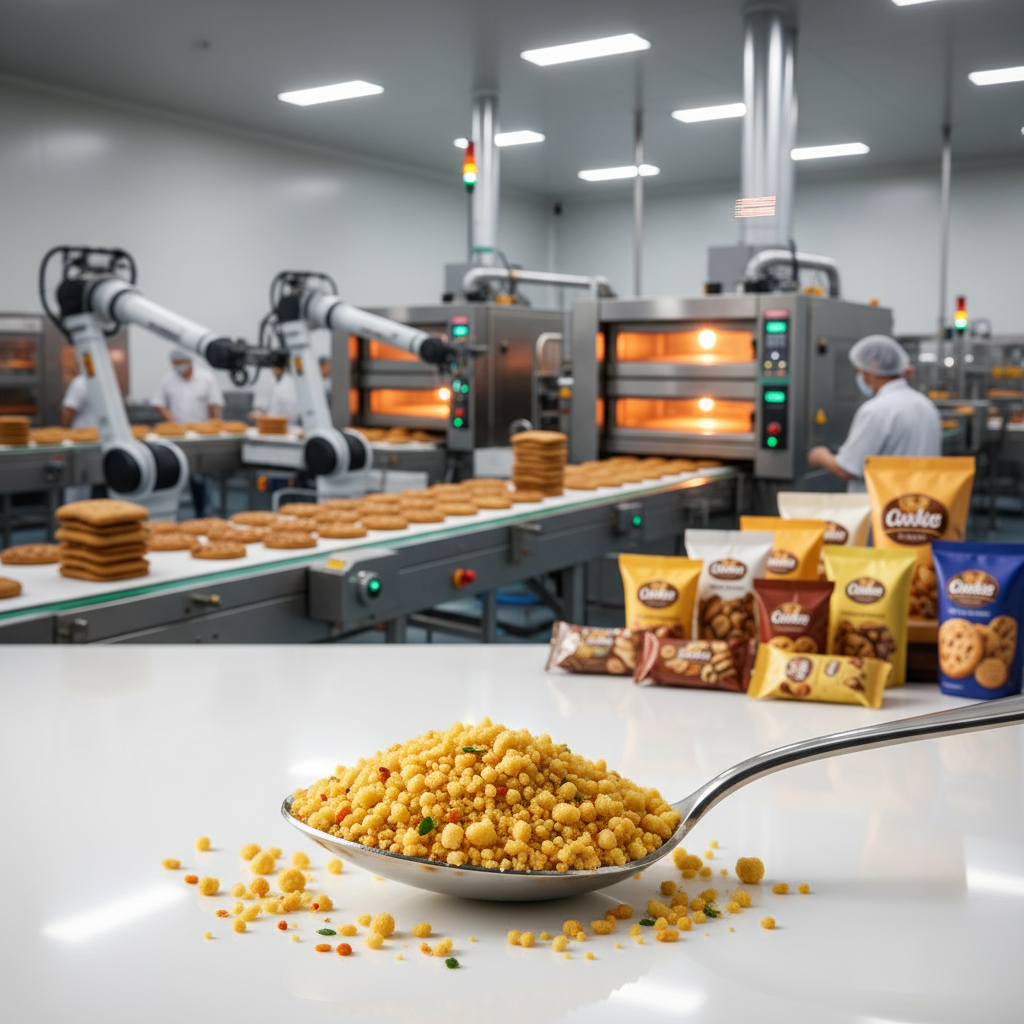
In large-scale industrial zones, where consistency is the primary KPI, the precise dosing of this additive allows brands to standardize their taste across thousands of tons of product. Whether it is a savory glaze for frozen appetizers or a base for industrial-scale sauces, the reliability of the compound ensures consumer loyalty through flavor predictability.
Effectiveness of asian food msg across different food categories
Economic Advantages and Scalability
From a cost-efficiency perspective, asian food msg offers an unparalleled return on investment. Because it is highly potent, only small quantities are needed to transform the sensory profile of a product, significantly reducing the need for more expensive natural extracts or excessive amounts of salt and sugar.
Furthermore, the scalability of its production allows for seamless integration into global supply chains. As a stable, dry powder, it minimizes shipping costs and storage requirements, enabling manufacturers in remote regions to produce world-class savory products without needing access to fresh, umami-rich raw materials.
Overcoming Common Industry Challenges
One of the primary challenges facing the use of asian food msg has been the historical lack of consumer education. Misunderstandings regarding its safety have occasionally led to market volatility. However, the industry has responded by increasing transparency, providing detailed scientific data that aligns with FDA and EFSA guidelines.
Another technical hurdle is the risk of "over-seasoning," where an excessive amount of the additive can lead to a flat or metallic taste. Expert formulators overcome this by using a "layered" approach, combining the additive with organic acids and natural yeast extracts to create a complex, rounded flavor profile that feels natural and balanced.
Finally, the drive toward "clean label" products has pushed the industry to innovate. Manufacturers are now developing "natural-source" versions of asian food msg derived from hydrolyzed vegetable proteins, allowing brands to maintain the same flavor performance while appealing to the health-conscious consumer.
Future Innovations in Umami Technology
The future of asian food msg lies in the integration of biotechnology and personalized nutrition. We are seeing a shift toward precision fermentation, where genetically optimized microbes can produce highly specific glutamate profiles that cater to different ethnic palates or specific dietary requirements.
Digital transformation is also playing a role. AI-driven flavor mapping is now used to determine the exact milligram dosage of additives required to reach a "flavor peak," reducing waste and ensuring that every product batch is identical. This automation allows for a more sustainable approach to additive usage.
As we move toward a more sustainable food system, the role of these additives in reducing the reliance on animal-based proteins will be crucial. By replicating the savory depth of meat using asian food msg, the industry can accelerate the transition to plant-based diets without sacrificing the joy of eating.
Comparative Analysis of Umami Enhancer Performance
| Additive Type |
Flavor Potency |
Cost Efficiency |
Application Ease |
| Pure asian food msg |
High (10/10) |
Excellent |
Instant Mix |
| Yeast Extract |
Medium (6/10) |
Moderate |
Requires Blending |
| Hydrolyzed Protein |
Medium (7/10) |
Good |
Standard Mix |
| Natural Kombu Powder |
Low (4/10) |
Low |
High Volume Needed |
| I+G Ribonucleotides |
Very High (9/10) |
Expensive |
Synergistic Use |
| Fermented Soy Base |
Medium (5/10) |
Moderate |
Liquid Integration |
FAQS
Yes, asian food msg is widely recognized as safe (GRAS) by global health authorities including the FDA and WHO. When used within recommended dosage levels, it is processed by the body in the same way as naturally occurring glutamates found in tomatoes or parmesan cheese, making it safe for mass consumption across all food categories.
Because MSG contains only about one-third of the sodium compared to table salt, it can be used as a partial replacement. By enhancing the savory perception, it allows manufacturers to reduce total sodium chloride levels while maintaining or even improving the perceived taste of the food, supporting heart-health initiatives.
Food grade asian food msg undergoes more rigorous purification and filtration to ensure the absence of any fermentation by-products or odors. Industrial grade may be used for technical applications or pharmaceutical intermediates, whereas food grade is specifically refined to ensure it does not interfere with the delicate flavor profiles of consumer products.
Absolutely. One of the biggest challenges in vegan meat is replicating the "bloody" and savory depth of beef or pork. asian food msg provides the necessary umami base that mimics animal proteins, making plant-based options more appealing to traditional meat-eaters and improving overall consumer acceptance.
To maintain the free-flowing nature of the crystals, it should be stored in a cool, dry environment away from direct sunlight. Using moisture-proof packaging (such as multi-wall kraft bags with PE liners) is essential to prevent hygroscopic absorption, which causes clumping in humid industrial warehouses.
Yeast extract is naturally rich in glutamates. Some brands use it to achieve a "clean label" image. However, the functional effect is the same as using asian food msg. Using pure MSG is often more cost-effective and provides a more precise, consistent flavor control for the manufacturer.
Conclusion
The strategic integration of asian food msg into the global food supply chain has proven to be more than just a matter of taste; it is a triumph of food science and industrial efficiency. By providing a reliable, scalable, and cost-effective method to enhance umami, this additive has enabled food manufacturers to standardize quality, reduce sodium levels, and innovate within the plant-based sector. From its origins in seaweed to the precision fermentation of today, it remains an essential tool for creating satisfying and consistent flavor profiles.
As we look toward a future of sustainable eating and personalized nutrition, the role of high-purity flavor enhancers will only grow. We encourage food technologists and procurement specialists to embrace the science of umami to elevate their product lines and meet the evolving demands of the global consumer. For high-quality, industrial-grade seasoning solutions, visit our website: www.chinaseasoning.com