Understanding the nuances of culinary bases is essential for both home cooks and industrial food manufacturers. Many people often find themselves questioning, is chicken bouillon same as chicken stock, as both are used to add depth and savory flavor to a wide array of dishes. While they share a common goal, the difference lies in their concentration, form, and chemical composition.
In the global food additive industry, the distinction between these two is not just a matter of taste but of scalability and shelf-life. While a traditional stock is a fresh, liquid extraction, bouillon represents a highly processed, condensed version designed for convenience and long-term storage. This evolution reflects a broader industrial shift toward efficiency in the food manufacturing sector.
Whether you are developing a new line of instant soups or perfecting a gourmet sauce, knowing exactly how these ingredients differ allows for better cost control and flavor consistency. By exploring the technical aspects of is chicken bouillon same as chicken stock, we can appreciate the science behind flavor enhancement and the role of modern food additives.
Defining the Core Difference: Bouillon vs Stock
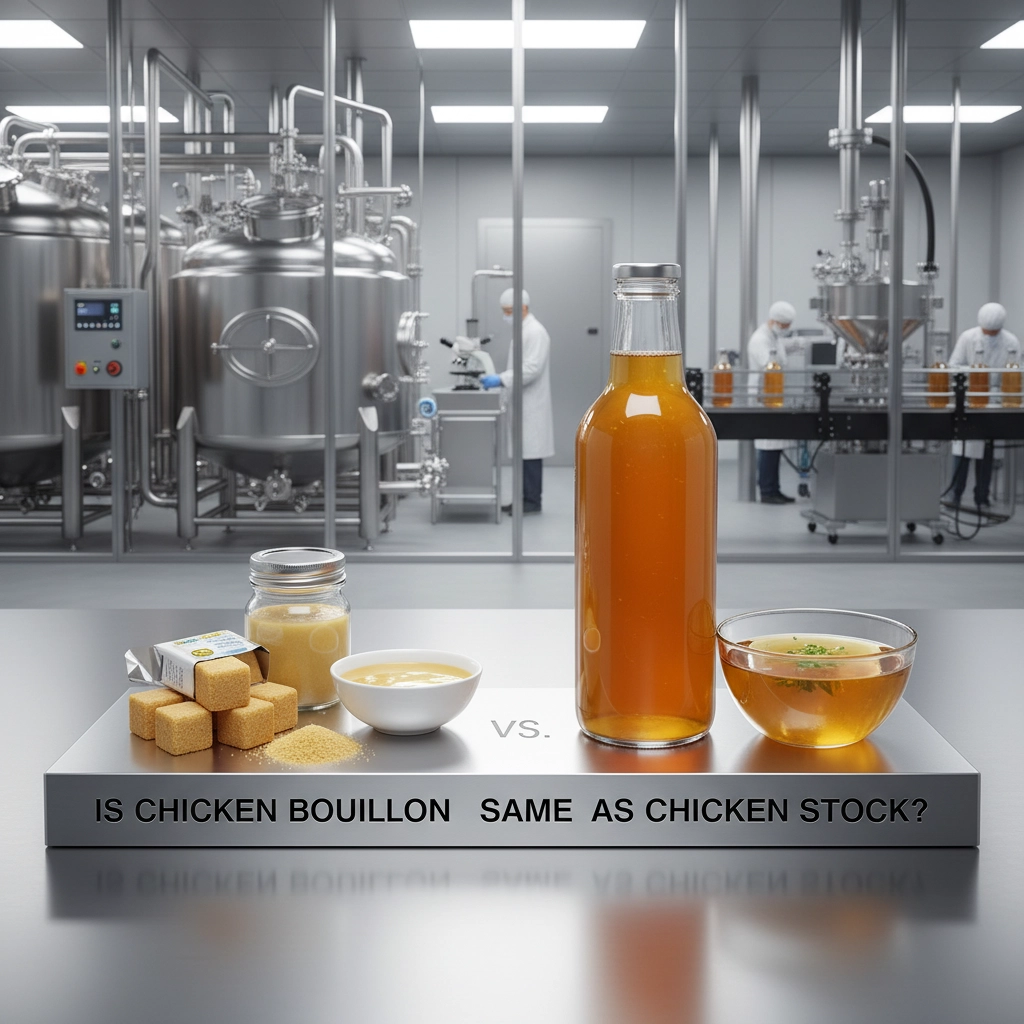
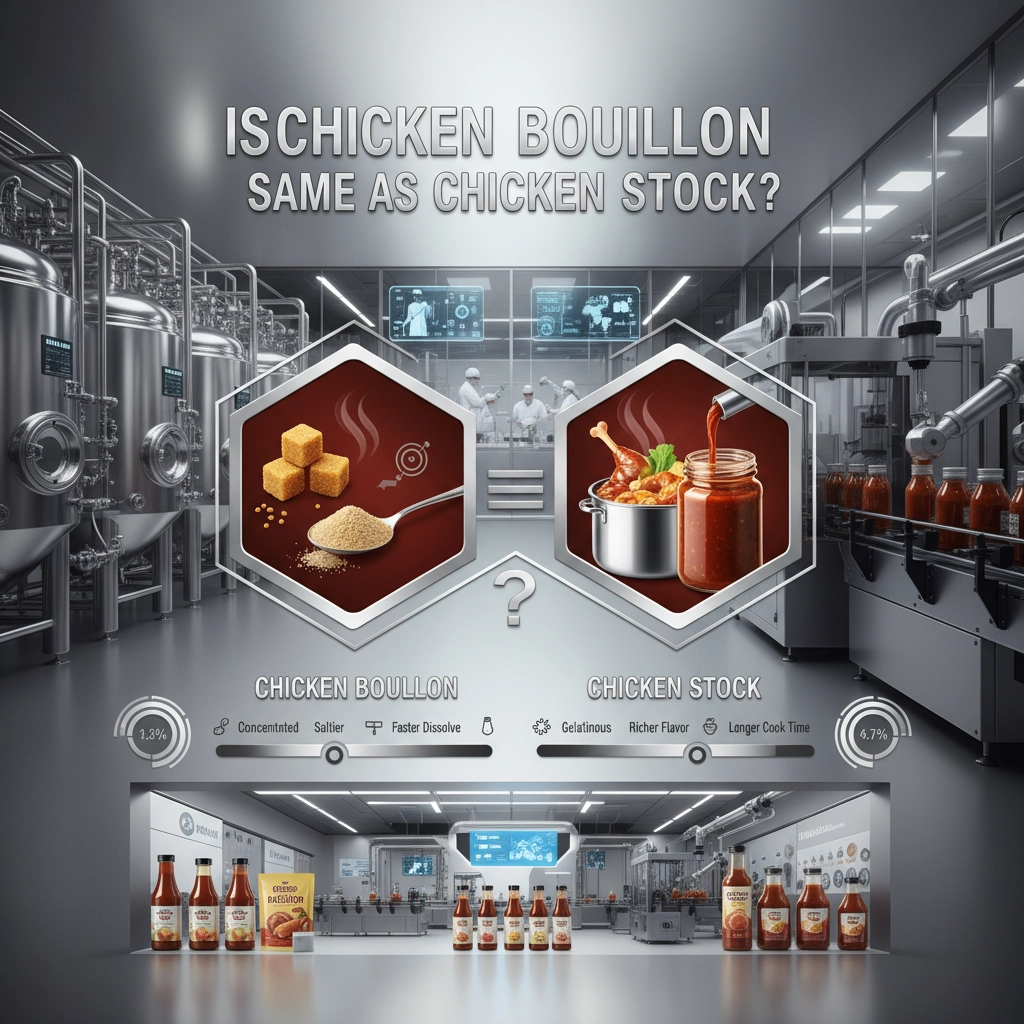
To answer the fundamental question, "is chicken bouillon same as chicken stock," we must first look at the state of the matter. Chicken stock is a liquid derived from simmering chicken bones and aromatics, resulting in a nutrient-rich broth. It is prized for its gelatinous body and natural purity, though it has a very short shelf life.
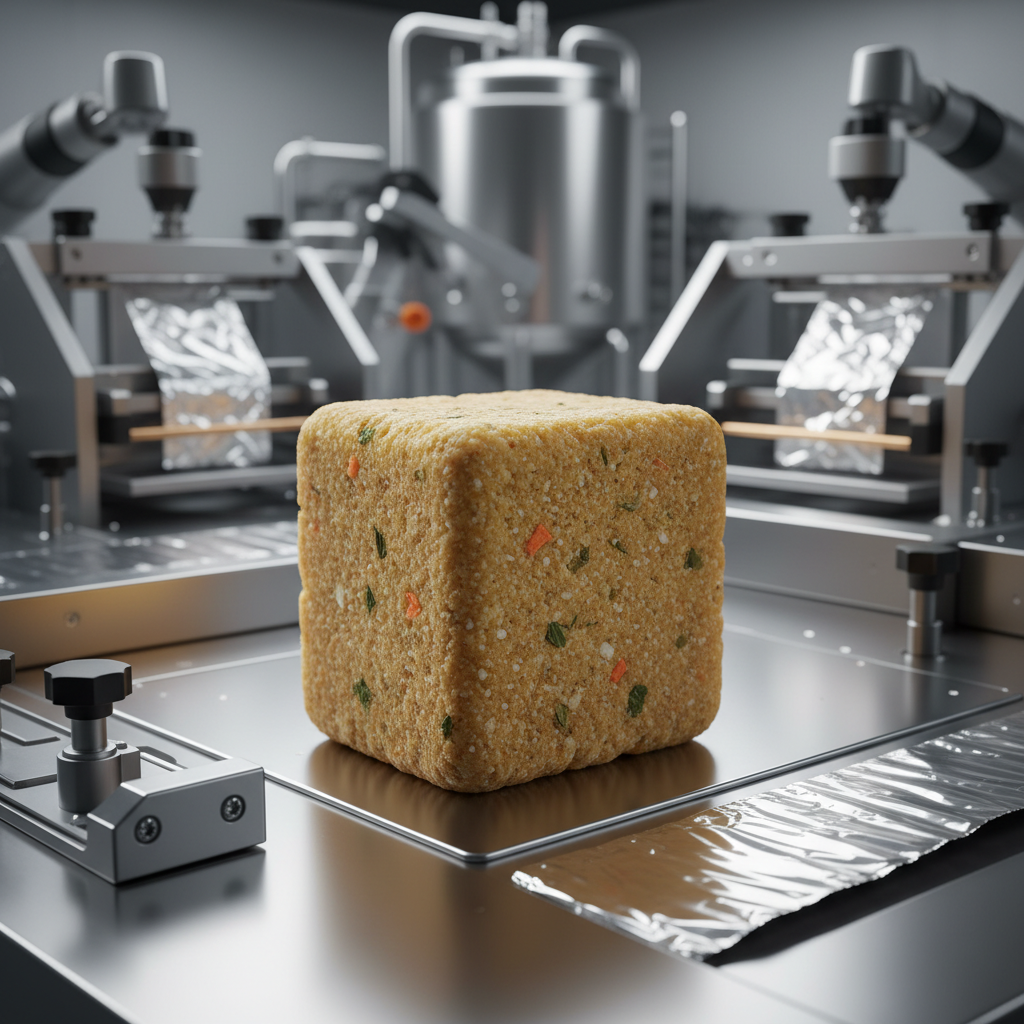
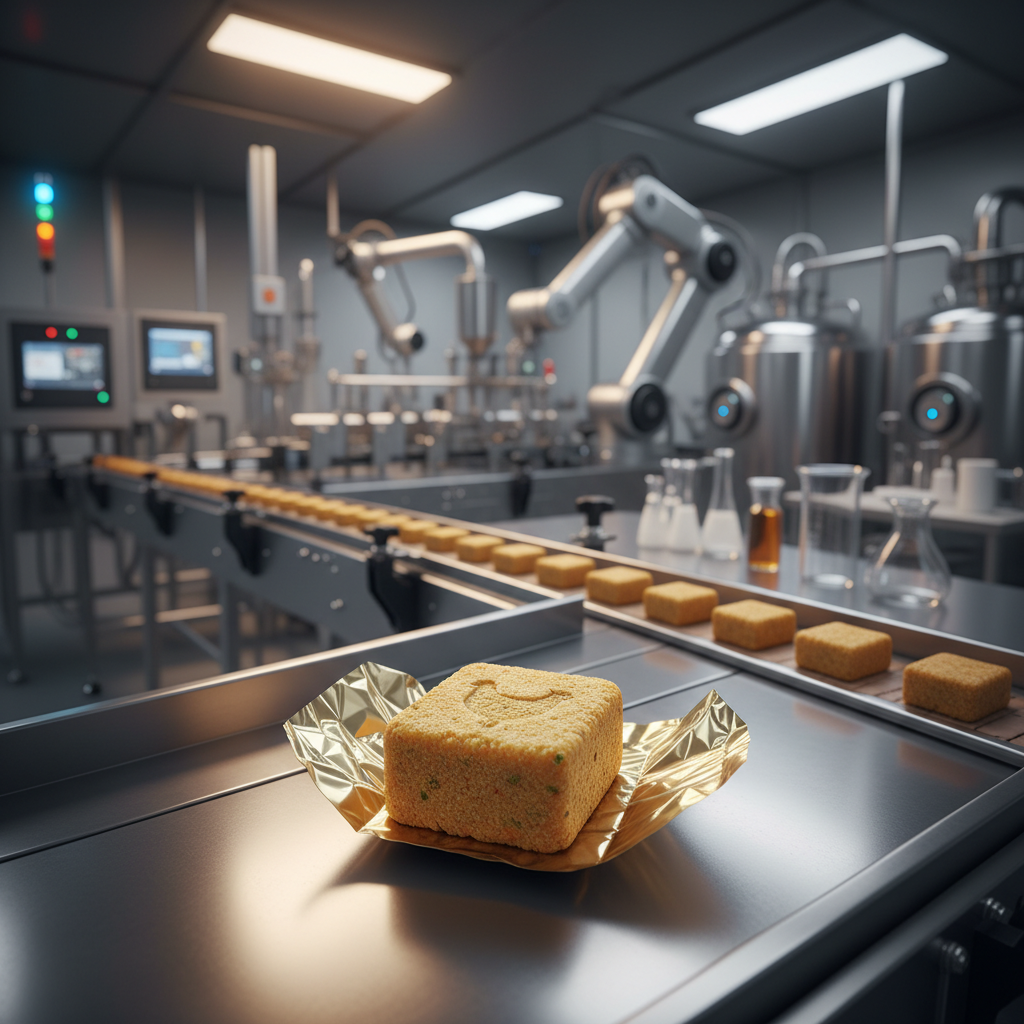
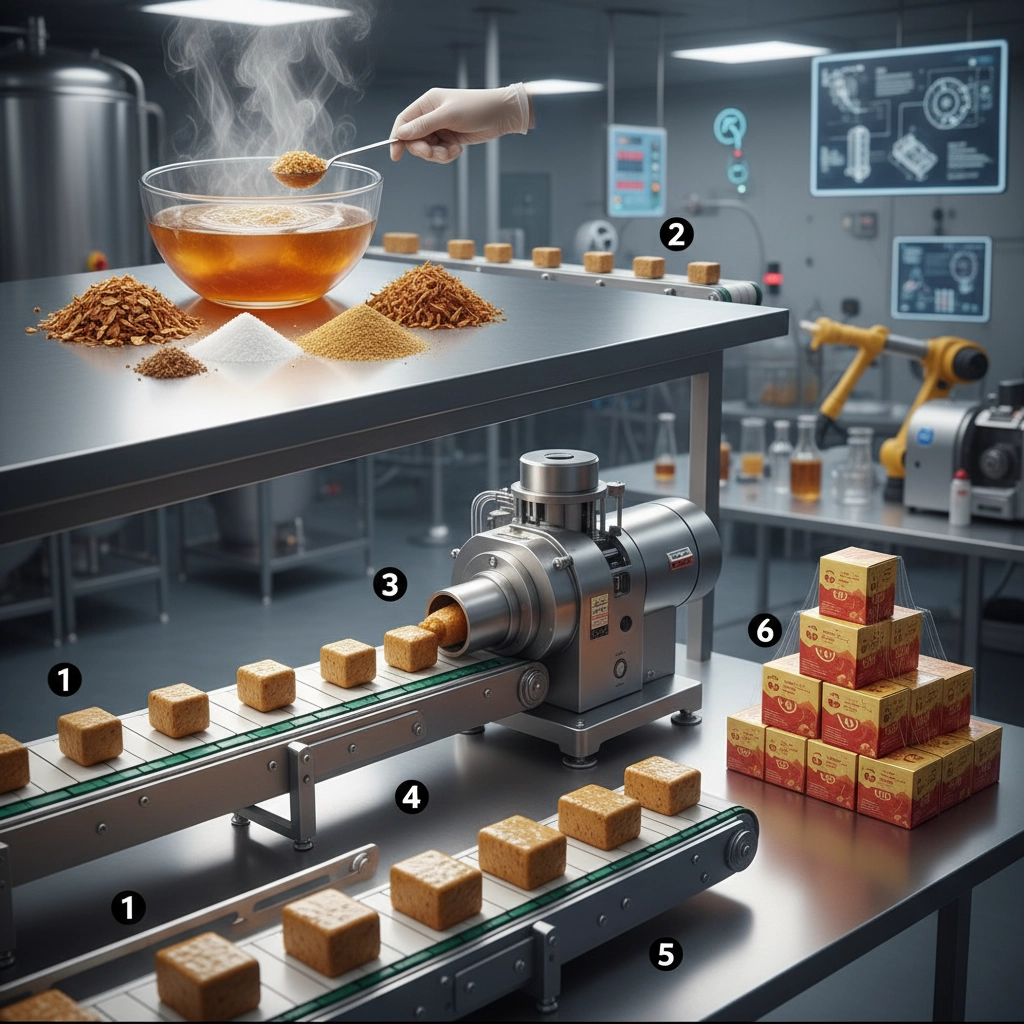
Chicken bouillon, conversely, is a dehydrated form of stock. Through processes like spray-drying or crystallization, the liquid is reduced to a powder or a cube. This transformation allows the product to be stored for years without refrigeration, making it an indispensable tool in both the household kitchen and the large-scale food additive industry.
The Global Industrial Context of Flavor Bases
On a global scale, the demand for standardized flavor enhancers has surged. According to trends in the food processing industry, the move toward "convenience foods" has pushed the market for dehydrated bases over traditional liquid stocks. This is largely due to the logistics of shipping water; transporting liquid stock is expensive and energy-intensive compared to shipping concentrated bouillon.
The challenge facing many manufacturers is maintaining the "authentic" taste of a home-cooked stock within a processed bouillon cube. This is where food science enters the fray, utilizing yeast extracts and precisely calibrated salt levels to mimic the depth of slow-simmered bones. The question of is chicken bouillon same as chicken stock becomes a technical challenge of flavor replication.
In regions with limited cold-chain infrastructure, bouillon is not just a convenience but a necessity. It provides a consistent source of savory flavor and essential sodium in food security programs, proving that the industrialization of stock into bouillon has significant humanitarian and economic implications.
Key Components and Chemical Composition
When analyzing if is chicken bouillon same as chicken stock from a chemical perspective, the primary difference is the concentration of solutes. Stock is primarily water with dissolved collagen and amino acids, providing a natural viscosity.
Bouillon often incorporates additional food additives to enhance stability and taste. These include Monosodium Glutamate (MSG) for umami intensification, maltodextrin as a carrier agent, and various anti-caking agents to ensure the powder remains free-flowing during industrial application.
Furthermore, the sodium content in bouillon is significantly higher than in fresh stock. This serves a dual purpose: acting as a primary flavor enhancer and a powerful preservative, ensuring that the product remains stable across varying climatic conditions during global export.
Operational Efficiency and Cost-Benefit Analysis
For food manufacturers, the choice between using fresh stock or bouillon is driven by operational efficiency. Utilizing bouillon eliminates the need for massive simmering vats and long reduction times, which drastically lowers energy consumption and labor costs. It allows for "just-in-time" preparation, where the stock is reconstituted only when needed.
Moreover, the consistency provided by bouillon is unmatched. While a batch of homemade stock can vary based on the quality of the bones or the simmer time, a standardized bouillon ensures that every single unit of the end product tastes exactly the same, regardless of where in the world it is produced.
Comparison of Operational Metrics: Bouillon vs Stock
Global Applications and Commercial Use Cases
In the realm of commercial food production, the application of bouillon is vast. From the creation of instant noodle seasoning packets to the base of industrial-scale gravy production, concentrated flavor bases allow for rapid scaling. In the pharmaceutical intermediate and food additive sectors, these bases are often engineered to meet specific dietary requirements, such as low-sodium or gluten-free versions.
Consider the case of emergency food relief in disaster-prone areas. Logistics teams cannot transport thousands of gallons of liquid stock. Instead, they distribute bouillon cubes. In these contexts, the answer to is chicken bouillon same as chicken stock is "functionally, yes," because it provides the same essential flavor and salt needed to make bland grains palatable.
Long-term Value of Standardized Seasonings
The long-term value of shifting toward high-quality bouillon lies in sustainability. By reducing the water content in the supply chain, the carbon footprint associated with shipping is significantly lowered. This aligns with global ESG (Environmental, Social, and Governance) goals, as companies seek to optimize their logistics.
Furthermore, the reliability of a standardized additive fosters trust between the manufacturer and the consumer. When a brand can guarantee the exact taste profile of its chicken-flavored products across different continents, it builds a strong global identity.
From an economic standpoint, the ability to control the exact dosage of flavor—down to the milligram—allows companies to optimize their ingredient costs without sacrificing the sensory experience of the end-user.
Future Trends in Concentrated Flavor Technology
Looking ahead, the industry is moving toward "clean label" bouillon. The goal is to answer the question "is chicken bouillon same as chicken stock" by making the bouillon's ingredient list nearly identical to a natural stock. This involves using advanced freeze-drying technologies that preserve volatile flavor compounds better than traditional heat-drying.
Automation and AI are also playing a role in flavor profiling. By using sensory data, manufacturers can now "reverse engineer" the most beloved traditional stocks and recreate them in a concentrated powder form with surgical precision, reducing the reliance on artificial enhancers.
Sustainability will continue to drive innovation, with a shift toward plant-based "chicken" bouillon that uses fermented fungi or pea proteins to replicate the umami profile of traditional chicken stock, catering to the growing vegan and vegetarian global population.
Comparative Analysis of Flavor Base Specifications
| Product Form |
Shelf Stability |
Flavor Profile |
Production Cost |
| Fresh Chicken Stock |
Low (3-7 Days) |
Natural & Complex |
High (Labor Intensive) |
| Standard Bouillon Cube |
Very High (2 Years) |
Intense & Salty |
Low (Mass Produced) |
| Freeze-Dried Powder |
High (1 Year) |
Close to Fresh Stock |
Medium (Tech Cost) |
| Concentrated Paste |
Medium (6 Months) |
Rich & Savory |
Medium |
| Organic Bouillon |
High (1 Year) |
Mild & Clean |
High (Raw Materials) |
| Industrial Base Mix |
Very High (2+ Years) |
Consistent/Uniform |
Very Low |
FAQS
Yes, but you must account for the salt. Since bouillon is a concentrated form, you usually dissolve one cube or teaspoon in water to create a stock equivalent. However, because bouillon contains much more sodium, you should avoid adding extra salt to your dish until the very end to prevent over-seasoning.
Chicken stock contains natural gelatin extracted from simmering bones and connective tissue, which gives it a "lip-smacking" viscosity. Bouillon is filtered and dehydrated, meaning most of that gelatin is removed. If you need a thicker sauce, stock is the better choice, or you may need to add a thickener when using bouillon.
Generally, no. Homemade stock is a whole food with no additives. Bouillon often contains high levels of sodium, MSG, and preservatives to maintain shelf stability. However, for those with specific dietary needs, some industrial bouillons are engineered to be lower in fat or sodium than traditional stocks.
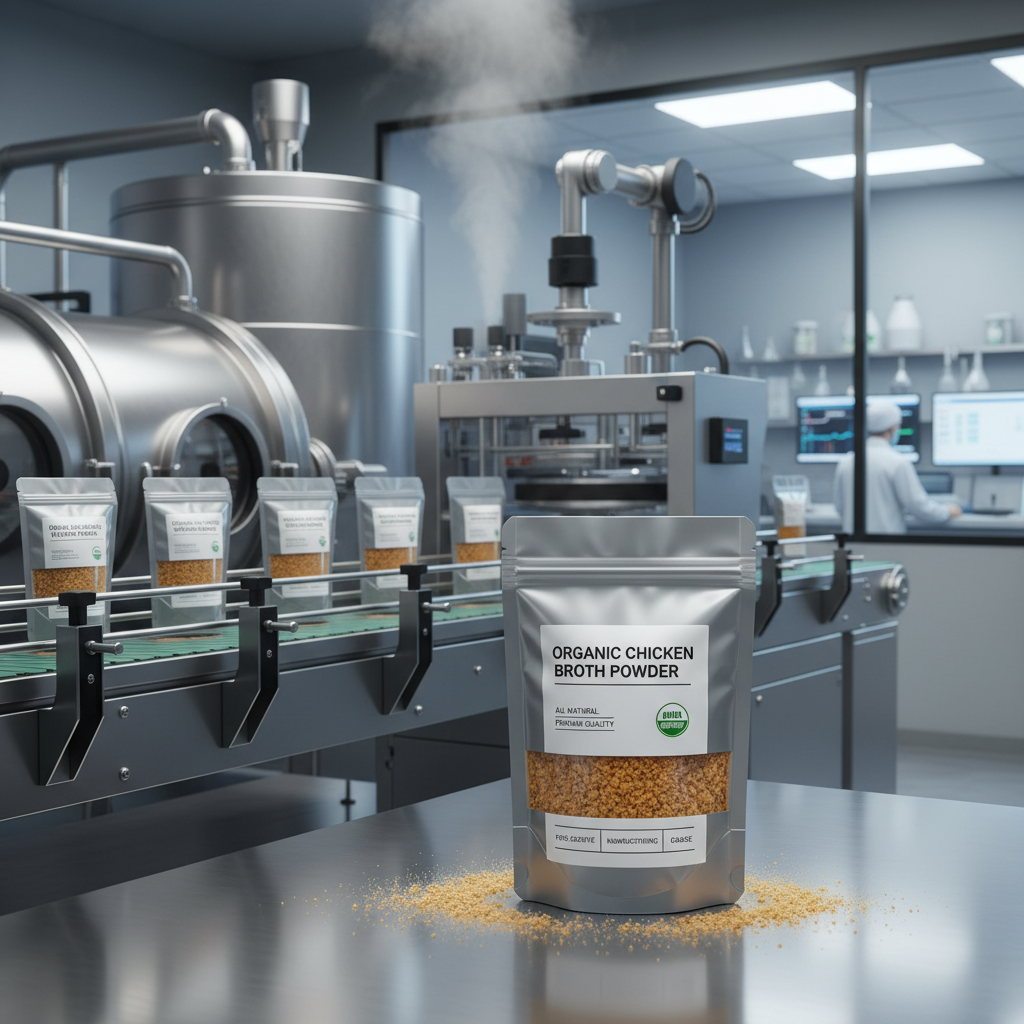
Manufacturers typically start with a concentrated stock, which is then mixed with carriers like maltodextrin and flavor enhancers. This mixture is then spray-dried—forced through a nozzle into a hot chamber—causing the liquid to evaporate instantly and leave behind a fine, stable powder.
It depends on the volume. For high-end, small-plate dining, fresh stock is preferred for its depth. For large-scale catering or banquet services, bouillon is the industry standard because it ensures flavor consistency across thousands of servings and reduces preparation time and waste.
Yes, refined bouillon bases are often used in medical nutrition products to provide savory flavors to patients with appetite loss. These are specifically formulated to be nutrient-dense while controlling salt and additive levels to meet medical standards.
Conclusion
In summary, while people often ask is chicken bouillon same as chicken stock, the answer is that they are cousins rather than twins. Stock is the fresh, nutrient-dense original, while bouillon is the engineered, convenient, and scalable evolution designed for the modern world. From a culinary perspective, stock offers depth; from an industrial perspective, bouillon offers efficiency and consistency.
As we move toward a future of sustainable food production, the gap between these two will continue to close. Innovations in freeze-drying and clean-label additives mean that we will soon enjoy the convenience of bouillon with the purity of a home-simmered stock. For businesses looking to optimize their flavor profiles, investing in high-quality, standardized additives is the key to global success. Visit our website: www.chinaseasoning.com