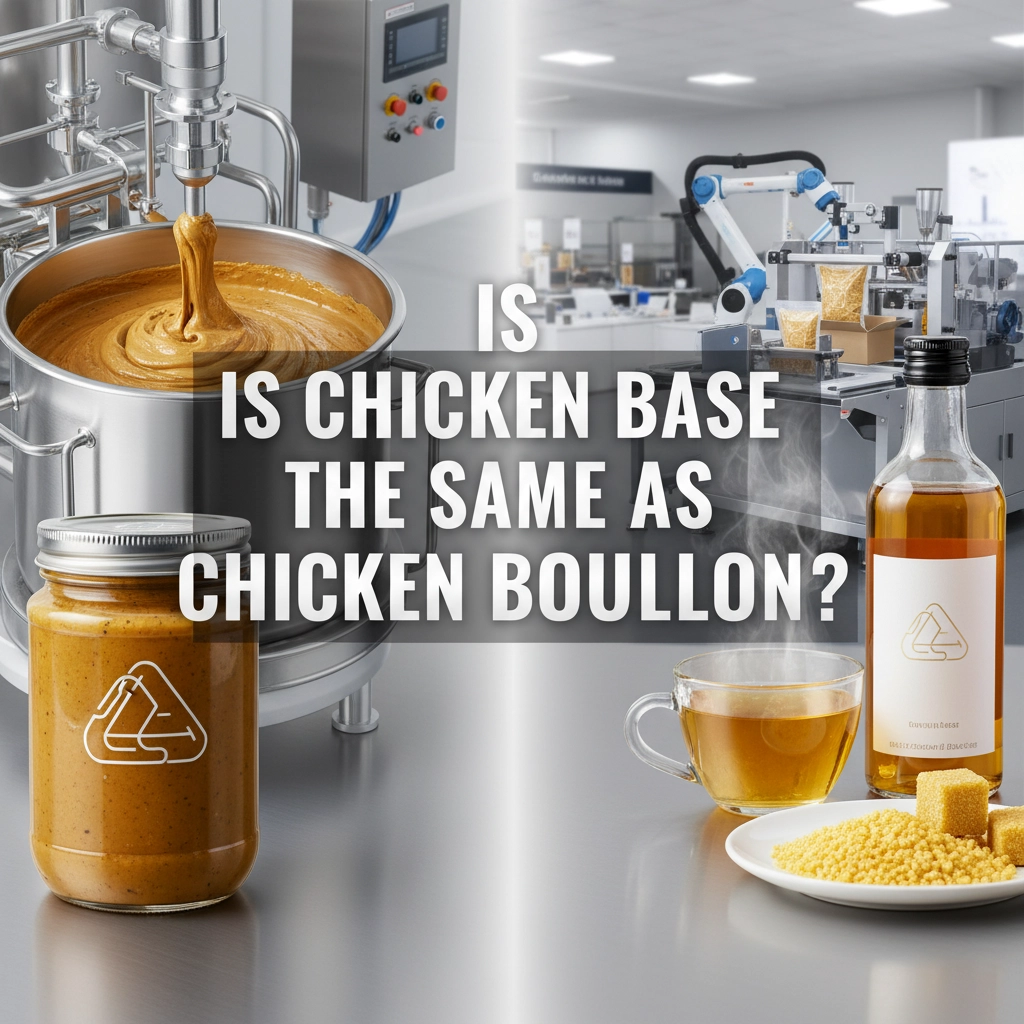
In the world of professional culinary arts and large-scale food manufacturing, understanding the nuance between flavor enhancers is critical for consistency and cost-control. Many home cooks and procurement managers often ask, is chicken base the same as chicken bouillon, assuming that any concentrated chicken flavor serves the same purpose. However, the distinction lies in the concentration, texture, and the specific industrial application of the additive.
From a global food additives perspective, the choice between a base and a bouillon affects the final viscosity and salt profile of the product. While both aim to replicate the savory essence of simmered chicken, the manufacturing processes—ranging from spray-drying for bouillon to emulsification for bases—create different functional properties. Recognizing these differences is the first step in optimizing recipe formulations for commercial scalability.
Whether you are managing a pharmaceutical intermediate facility that requires precise nutritional supplementation or a food manufacturing plant producing ready-to-eat meals, the answer to "is chicken base the same as chicken bouillon" impacts your bottom line. By analyzing the chemical composition and usage rates, manufacturers can achieve the perfect balance of "umami" while maintaining strict quality control standards across different international markets.
Defining the Core Difference Between Base and Bouillon
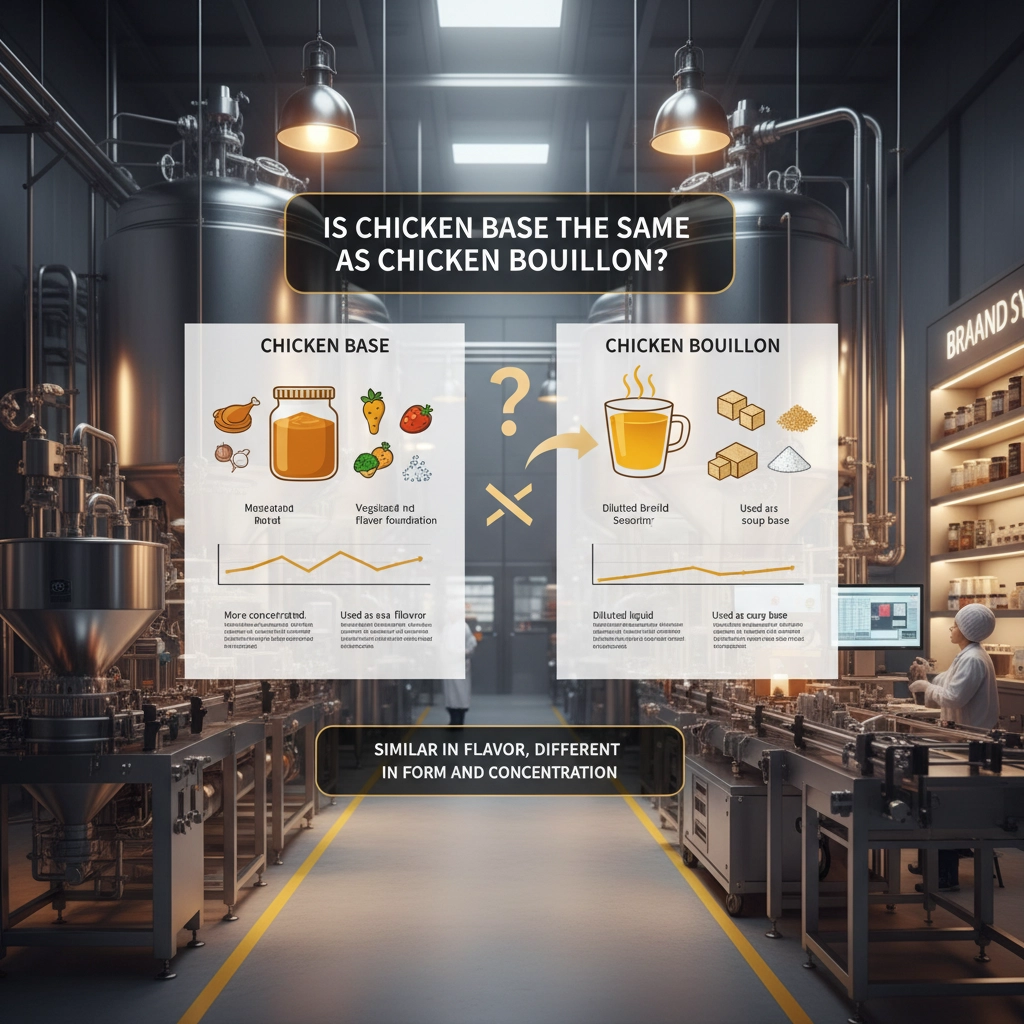
To answer the question, "is chicken base the same as chicken bouillon," we must first look at the physical state. Chicken bouillon is typically a dehydrated product, appearing as a powder or a compressed cube. It is designed for rapid dissolution in hot water, making it an ideal choice for quick-service environments or home kitchens where speed is prioritized over depth of flavor.
In contrast, a chicken base is a concentrated paste, often containing fats and oils that carry flavor molecules more effectively. While bouillon provides a salty, chicken-flavored liquid, a base provides a rich, mouth-coating experience. For the professional food manufacturer, this means the base is often preferred for stocks, sauces, and braises where a certain level of viscosity and richness is required.
Global Market Demand for Concentrated Seasonings
The global appetite for convenient, high-quality flavor enhancers has surged, driven by the expansion of the fast-food industry and the rise of pre-packaged convenience meals. According to industry trends aligned with ISO quality standards, the demand for standardized flavor profiles ensures that a product tastes the same in New York as it does in Shanghai. This standardization is where the debate over is chicken base the same as chicken bouillon becomes a procurement strategy.
In emerging economies, bouillon cubes have historically dominated due to their long shelf-life and low cost of transport. However, as middle-class consumption grows and "premiumization" takes hold, there is a visible shift toward chicken bases. These products are seen as "closer to homemade," offering a more authentic culinary profile that meets the evolving expectations of the global consumer.
The challenge for manufacturers lies in balancing the cost-efficiency of bouillon with the sensory superiority of bases. By utilizing advanced food additive technology, companies can now create "hybrid" products that offer the stability of a powder with the flavor depth of a paste, effectively bridging the gap for those still wondering if one is a substitute for the other.
Chemical Composition and Industrial Ingredients
When analyzing the chemical makeup to determine is chicken base the same as chicken bouillon, we find significant differences in the lipid content. Chicken bases utilize a higher percentage of oils and fats, which act as carriers for fat-soluble flavor compounds, providing a more lingering taste on the palate.
From a food additive perspective, bouillon relies heavily on salt and maltodextrin to maintain its structural integrity as a powder. This often results in a "sharper" salt profile. When procurement officers ask is chicken base the same as chicken bouillon, they are often unknowingly asking about the ratio of sodium to flavor extract.
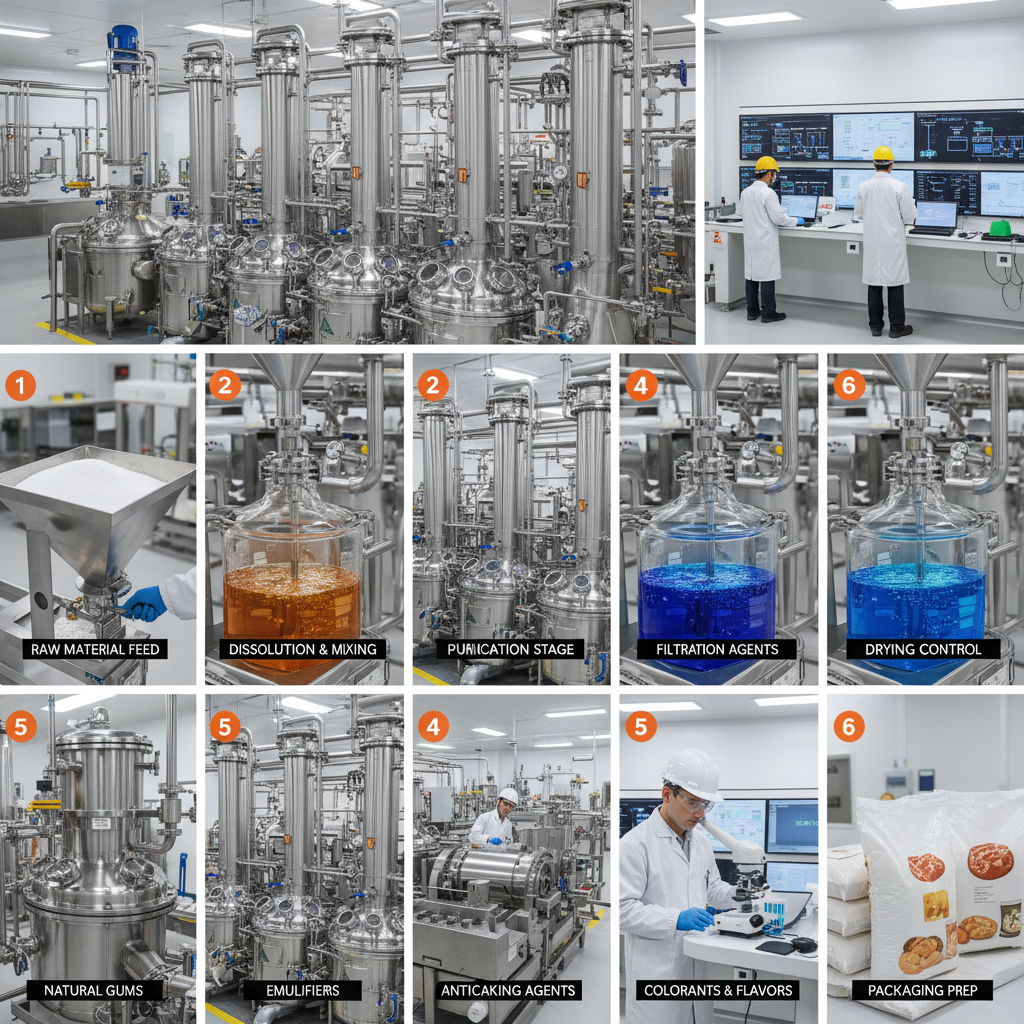
Modern industrial production incorporates MSG (monosodium glutamate) or yeast extracts to amplify the umami experience in both products. However, the emulsion process used in bases allows for a more seamless integration of these additives, reducing the grainy texture sometimes found in low-grade bouillon powders.
Performance Metrics in Commercial Food Production
In a high-volume manufacturing setting, performance is measured by yield, consistency, and flavor stability. When testing whether is chicken base the same as chicken bouillon in a production line, the "melt-rate" and "incorporation speed" are key KPIs. Bouillon dissolves almost instantly, which is excellent for high-speed mixing, but may lack the body needed for thick gravies.
Conversely, chicken bases provide a superior "mouthfeel" and stability when subjected to high-temperature processing, such as retort packaging or flash-freezing. This makes the base an indispensable tool for the pharmaceutical and food additive industries when creating nutrient-dense soups or meal replacements.
Comparative Analysis: Is Chicken Base the Same as Chicken Bouillon in Application?
Practical Applications in Diverse Culinary Sectors
In the hospitality sector, specifically in high-end hotel kitchens, the distinction of is chicken base the same as chicken bouillon is settled by the menu requirements. For a delicate consommé, a highly refined bouillon powder may be used for clarity. However, for a rustic chicken stew or a velvet-smooth sauce, the base is the undisputed choice due to its lipid-rich profile.
Beyond the kitchen, in remote industrial zones or disaster relief operations, bouillon cubes are the gold standard. Their extreme portability and stability in non-refrigerated environments make them a vital tool for providing flavor and basic sodium replenishment in emergency food kits, where the richness of a paste is less critical than the logistics of weight and volume.
Long-term Economic Value and Sustainability
From a financial perspective, evaluating is chicken base the same as chicken bouillon requires a "cost-per-serving" analysis rather than a "cost-per-kilogram" approach. Bases are often more expensive upfront, but because they are more concentrated and provide more flavor impact, the actual usage volume per liter of stock is frequently lower than that of bouillon.
Sustainability is also a growing factor. The manufacturing of bouillon often involves energy-intensive spray-drying processes. In contrast, some modern bases are produced using cold-extraction methods that preserve more natural nutrients and reduce the carbon footprint of the factory. This aligns with the global move toward "Green Chemistry" in food additive manufacturing.
Ultimately, the long-term value lies in brand trust. Consumers are increasingly reading labels; they want to see "chicken extract" rather than "artificial flavors." By choosing a high-quality base, manufacturers can market their products as "premium," allowing for a higher retail price point and better profit margins.
Future Innovations in Flavor Additive Technology
The future of the industry is moving toward "Clean Label" solutions. As we answer is chicken base the same as chicken bouillon, the next generation of products will likely blur the lines further. We are seeing the rise of freeze-dried bases—products that have the richness of a paste but the convenience and stability of a powder.
Automation and AI are also playing a role in flavor profiling. Digital sensors can now analyze the molecular structure of a home-cooked broth and replicate it exactly in an industrial base. This ensures that the "emotional" quality of food—the feeling of comfort and nostalgia—is maintained even in mass-produced food additives.
Furthermore, the integration of plant-based proteins is transforming the sector. "Chicken-style" bases made from fermented mycelium or pea protein are becoming indistinguishable from animal-based versions, offering a sustainable alternative for the growing vegan and vegetarian global population.
Technical Comparison of Chicken Base vs. Bouillon Attributes
|
Feature Dimension
|
Chicken Base (Paste)
|
Chicken Bouillon (Powder)
|
Industrial Impact
|
| Physical Form |
Concentrated Paste |
Dehydrated Granules/Cube |
Affects mixing equipment |
| Flavor Profile |
Rich, Savory, Full-bodied |
Salty, Sharp, Direct |
Determines end-product tier |
| Solubility |
Requires stirring/heat |
Rapid dissolution |
Influences production time |
| Lipid Content |
High (contains fats) |
Low (mostly solids) |
Impacts mouthfeel/viscosity |
| Shelf Life |
Moderate (may need cool storage) |
Very Long (ambient) |
Logistics and storage cost |
| Typical Use |
Professional Sauces/Stocks |
Quick Broths/Seasoning |
Target market segmentation |
FAQS
No, they are not the same. A chicken base is a concentrated paste that provides a richer, more complex flavor and better viscosity, whereas bouillon is a dehydrated powder or cube designed for speed and convenience. Professionals typically use bases for foundations of sauces and stews to achieve a "homemade" quality that bouillon cannot replicate.
Yes, but with caution. Because bouillon is often saltier and lacks the fat content of a base, your dish may end up tasting "flatter" or overly salty. If substituting, reduce additional salt in the recipe and consider adding a small amount of butter or oil to mimic the richness provided by a chicken base.
Chicken bouillon generally has a significantly longer shelf life because it is dehydrated. Most bouillon cubes can stay stable at room temperature for years. Chicken bases, being pastes with higher moisture and fat content, usually have a shorter shelf life and often require refrigeration after opening to prevent spoilage.
Generally, bouillon is more concentrated in sodium to preserve its powder form and enhance flavor. While both can be high in salt, many premium chicken bases offer "low-sodium" versions that rely on yeast extracts and natural aromatics for flavor, making them a slightly better choice for health-conscious industrial formulations.
Choose a chicken base if your brand identity is built on "premium," "authentic," or "gourmet" flavors, and if your production process can handle pastes. Choose chicken bouillon if you prioritize low logistics costs, extreme shelf stability, and rapid production speeds for a budget-friendly product line.
They share some commonalities, such as MSG or hydrolyzed vegetable proteins, but their carriers differ. Bouillon uses anti-caking agents and maltodextrin to keep the powder free-flowing. Bases use emulsifiers and stabilizers to keep the oil and water phases blended, ensuring a consistent texture throughout the product.
Conclusion
In summary, while the question "is chicken base the same as chicken bouillon" might seem simple, the answer reveals a complex landscape of food chemistry and industrial application. We have established that bouillon is the champion of convenience and logistics, while the chicken base is the gold standard for depth of flavor and culinary authenticity. Understanding the trade-offs between sodium levels, lipid content, and dissolution rates allows food manufacturers to make informed decisions that balance quality with profitability.
Looking forward, the convergence of additive technology and sustainability will likely produce "hybrid" seasonings that offer the best of both worlds. For businesses seeking to elevate their product offerings, we recommend auditing current flavor profiles and transitioning toward high-quality bases where a premium sensory experience is required. To explore our professional-grade food additives and seasoning solutions, visit our website: www.chinaseasoning.com.