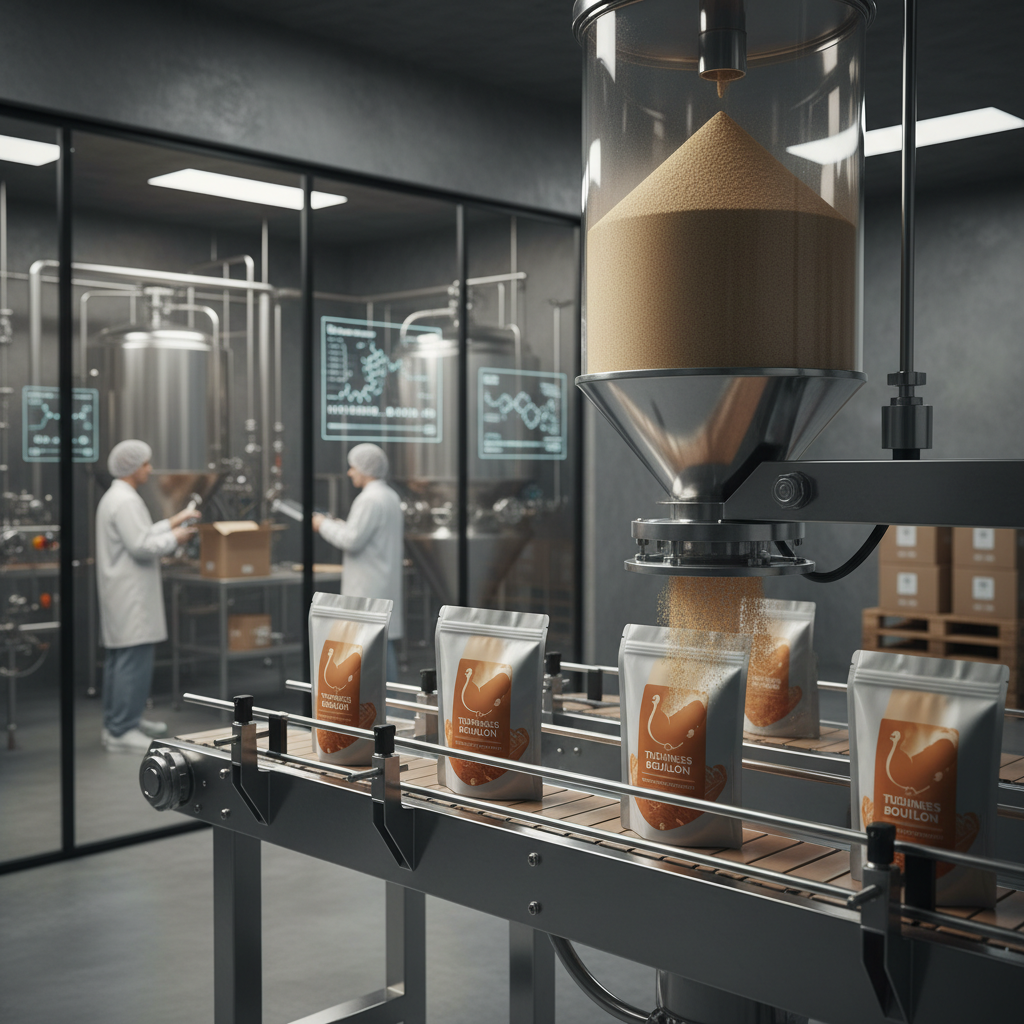
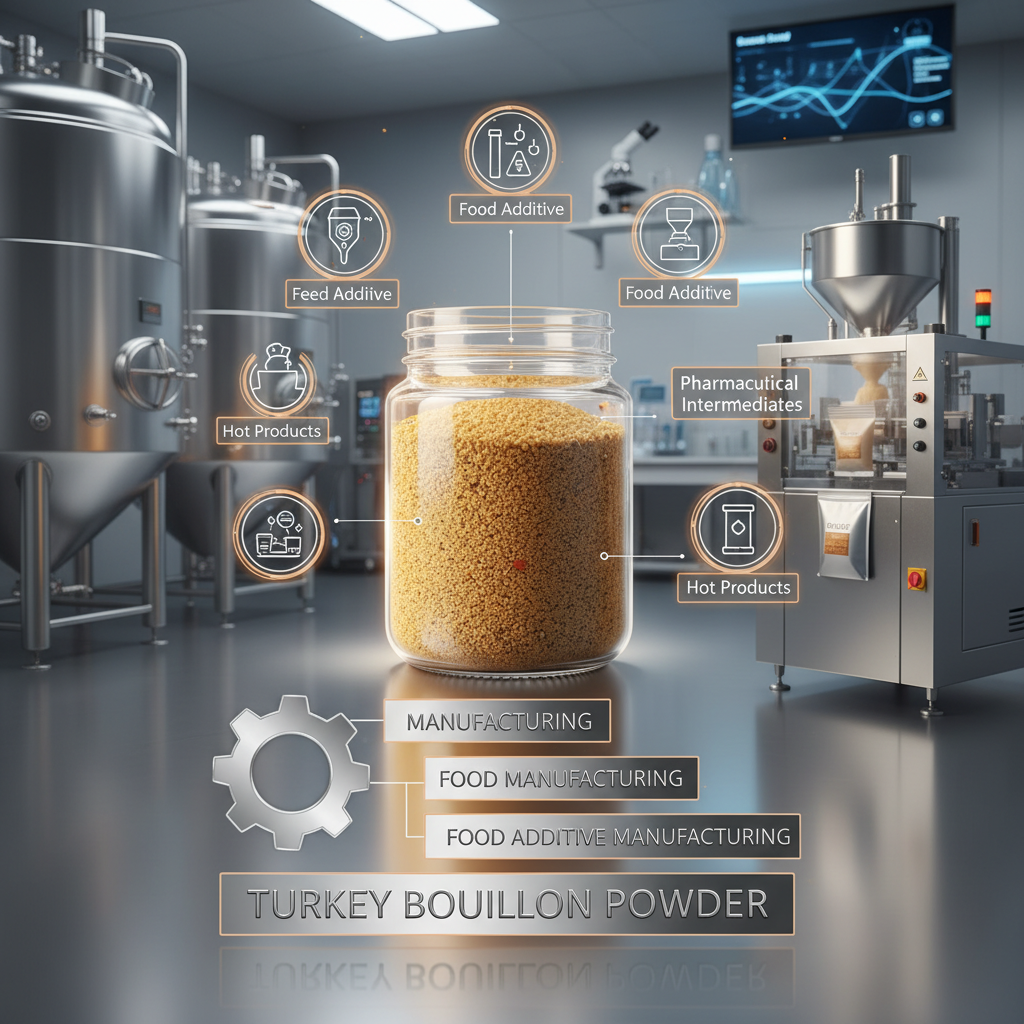
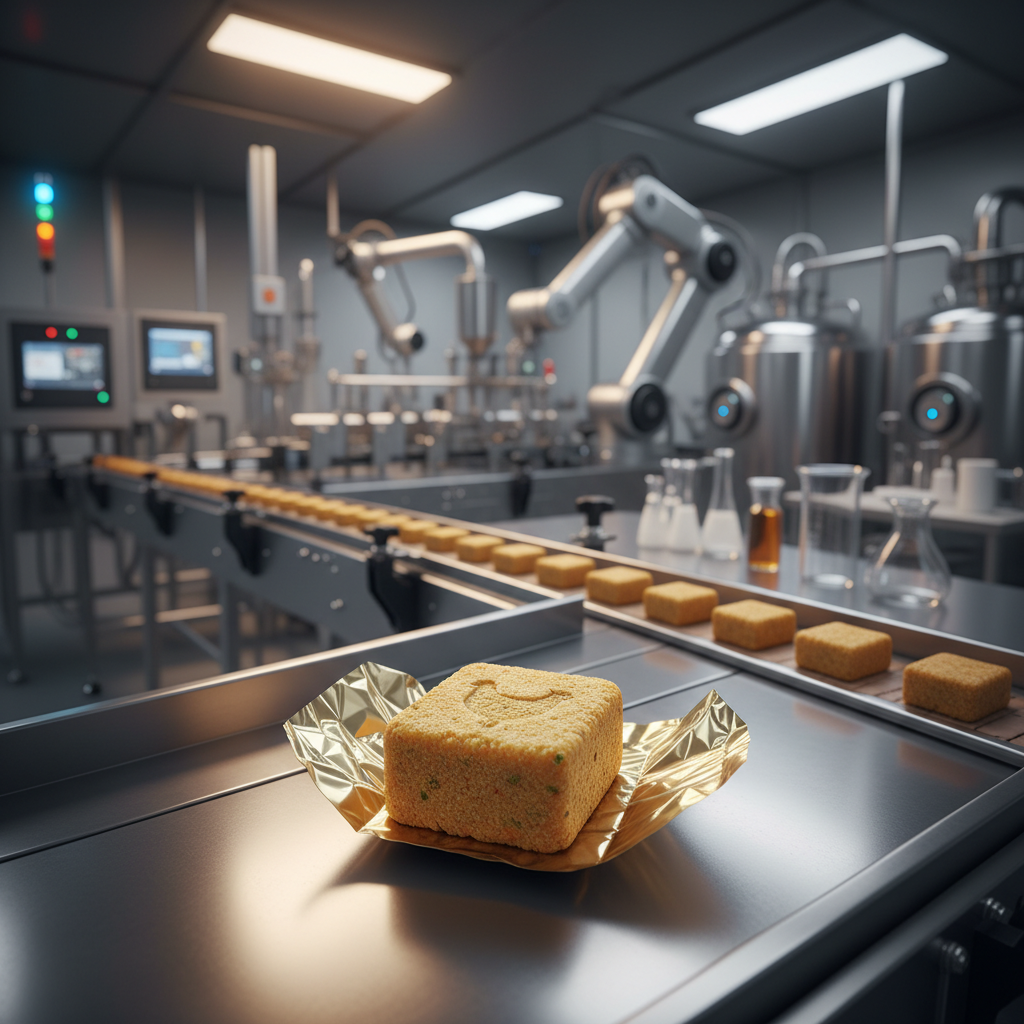
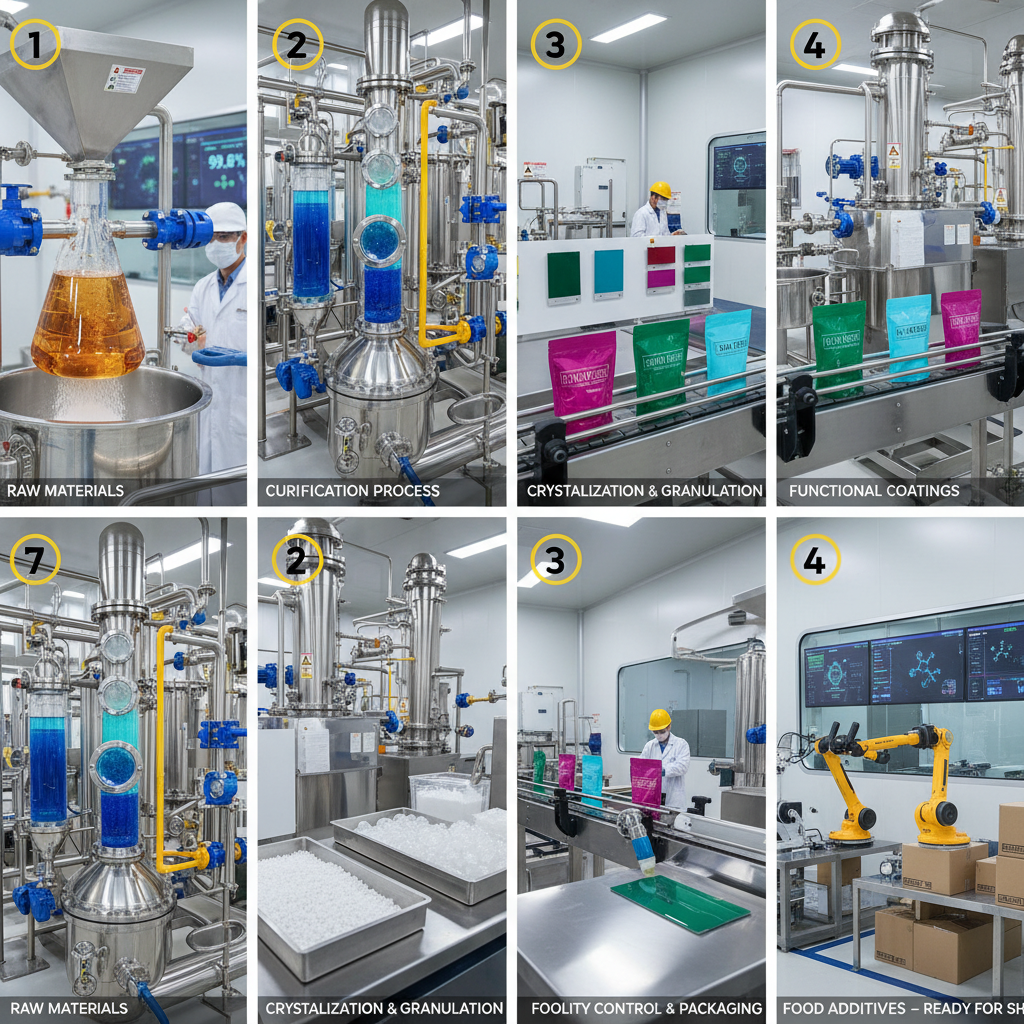
In the evolving landscape of the global food industry, turkey bouillon powder has emerged as a cornerstone ingredient for both industrial food processors and home culinary enthusiasts. By condensing the rich, savory essence of roasted turkey into a convenient, shelf-stable powder, manufacturers can provide a consistent flavor profile that simplifies the complex process of broth preparation without sacrificing taste.
The global demand for high-quality seasoning solutions is driven by the need for efficiency in commercial kitchens and the rising popularity of convenient "instant" meal options. Understanding the technical composition and application of turkey bouillon powder allows brands to optimize their product lines, ensuring that the umami depth and aromatic qualities of the turkey are preserved through advanced spray-drying or granulation techniques.
Beyond simple flavor enhancement, this product serves as a critical component in the broader category of food additives, bridging the gap between traditional slow-cooked stocks and modern industrial efficiency. Whether used in canned soups, ready-to-eat meals, or as a base for gourmet sauces, the versatility of turkey bouillon powder makes it an indispensable asset in the quest for scalable, delicious, and cost-effective food production.
The Global Market Relevance of Turkey Bouillon Powder
The global adoption of turkey bouillon powder is closely linked to the urbanization of food consumption patterns. As more consumers shift toward prepared meals, the food manufacturing sector has seen a surge in demand for standardized flavor bases. Industry data suggests that the convenience food segment, supported by ISO-certified additive production, continues to grow at a steady CAGR, with turkey-flavored bases being particularly popular in North American and European markets during peak seasonal periods.
However, the challenge remains in balancing the "natural" taste profile with the need for a long shelf life. Many manufacturers struggle to replicate the complex Maillard reaction—the chemical reaction between amino acids and reducing sugars that gives roasted turkey its characteristic flavor—within a dehydrated powder format. This has led to a specialized focus on enzymatic hydrolysis and high-pressure processing to ensure the powder retains its organoleptic properties.
Technical Definition and Industrial Composition
At its core, turkey bouillon powder is a dehydrated seasoning blend that captures the concentrated flavor of turkey meat and bone marrow, supplemented by a precise mix of salt, maltodextrin, and aromatic spices. Unlike liquid stocks, this powder is engineered for instant solubility, allowing it to integrate seamlessly into aqueous solutions without clumping, which is vital for automated industrial mixing systems.
From a chemical perspective, the product relies on the synergy between glutamates and nucleotides to create a powerful "umami" experience. In the context of modern food additives, the composition is carefully balanced to ensure that the salinity does not overpower the delicate turkey notes, while stabilizers are added to prevent the powder from caking in humid warehouse environments.
This industrial transformation addresses a significant humanitarian and economic need: the democratization of high-protein flavors. By utilizing turkey bouillon powder, food producers can create nutrient-dense, flavor-rich soups and stews for lower-income regions or disaster-relief kits where fresh meat is unavailable or impossible to transport and store safely.
Core Components for Flavor Stability
Achieving flavor stability in turkey bouillon powder requires a deep understanding of moisture control and particle size. The use of high-grade carriers, such as modified starches, ensures that the volatile aromatic compounds are encapsulated, preventing the "flat" taste often associated with lower-quality dehydrated products.
One of the most critical components is the flavor extract itself. By utilizing a combination of turkey oleoresins and hydrolyzed vegetable proteins (HVP), manufacturers can create a turkey bouillon powder that remains consistent across different production batches, eliminating the variability inherent in raw agricultural poultry sources.
Furthermore, the integration of anti-caking agents like silicon dioxide is essential for maintaining the free-flowing nature of the powder. This technical detail is often overlooked but is paramount for the scalability of food production lines, where precise dosing of the bouillon is required for thousands of units per hour.
Practical Applications in Modern Food Processing
The versatility of turkey bouillon powder extends far beyond simple soup bases. In the snack food industry, it is frequently used as a seasoning dust for chips and crackers, providing a savory, meaty profile that appeals to global palates. In the ready-to-eat (RTE) sector, it serves as the foundational flavor for gravies and sauces that must withstand the high heat of sterilization processes (retorting) without breaking down.
In professional culinary settings, chefs use this powder as a "shortcut" to build depth in complex dishes, using it as a base that can be further refined with fresh herbs and reductions. This hybrid approach allows commercial kitchens to maintain gourmet standards while significantly reducing labor costs and prep time associated with simmering bones for 24 hours.
Performance Efficiency of Turkey Bouillon Powder Formulations
Economic and Logistical Advantages
From a logistical standpoint, transitioning from liquid turkey stock to turkey bouillon powder represents a massive reduction in overhead. Liquid stocks are primarily water, meaning companies pay to ship weight that adds no flavor value. The powdered format removes the water, drastically reducing shipping costs, carbon footprints, and storage space requirements in refrigerated warehouses.
Furthermore, the extended shelf life of the powder eliminates the waste associated with the spoilage of fresh broths. For large-scale food manufacturers, this means leaner inventory management and a significant decrease in food waste, aligning with global sustainability goals and increasing the overall profitability of the supply chain.
Innovation Trends in Seasoning Technology
The future of turkey bouillon powder is leaning heavily toward "clean label" initiatives. Consumers are increasingly demanding the removal of artificial MSG and synthetic colors. In response, the industry is adopting natural yeast extracts and mushroom-based umami boosters to replicate the savory profile of turkey while maintaining a health-conscious ingredient list.
Digital transformation is also playing a role through the use of AI-driven flavor mapping. By analyzing consumer taste preferences in different regions, manufacturers can tweak the spice ratios in their bouillon powder—adding more thyme for European markets or adjusting the salt levels for Asian markets—ensuring a personalized global appeal.
Sustainability is another key driver, with a move toward "upcycled" ingredients. Innovations now allow manufacturers to extract flavor from poultry by-products that would otherwise go to waste, turning them into high-value bouillon powders, thus contributing to a circular economy in the food manufacturing sector.
Quality Control and Compliance Standards
Maintaining a high standard for turkey bouillon powder requires rigorous testing for microbial contamination and chemical purity. Because the powder is often used in processed foods that undergo various heat treatments, ensuring that the product is free from Salmonella and other poultry-borne pathogens is the highest priority for quality assurance teams.
Compliance with international standards such as HACCP (Hazard Analysis and Critical Control Points) and FDA regulations is non-negotiable. Every batch must be tested for consistency in salt content and flavor intensity to prevent discrepancies in the final food product, which could lead to costly recalls or consumer dissatisfaction.
Moreover, the industry is seeing a shift toward organic certification. Providing an organic version of turkey bouillon powder involves sourcing poultry from certified farms and avoiding synthetic additives, representing a premium segment of the market that prioritizes ecological integrity over low production costs.
Comparative Analysis of Turkey Bouillon Powder Quality Tiers
| Grade Level |
Ingredient Purity |
Flavor Profile |
Industrial Suitability |
| Premium Grade |
High Real Turkey Extract |
Rich, Natural, Complex |
Gourmet & Organic RTE |
| Standard Grade |
Balanced Mix with HVP |
Consistent, Savory |
Mass-market Canned Soups |
| Economy Grade |
High Maltodextrin/Salt |
Simple, Salty |
Budget Instant Noodles |
| Clean Label |
No MSG/Artificial Colors |
Light, Pure |
Health-focused Brands |
| Industrial Base |
Highly Concentrated |
Intense, Robust |
B2B Raw Material Supply |
| Specialty Blend |
Turkey + Herb Infusion |
Aromatic, Regional |
Ethnic Food Production |
FAQS
Turkey stock is a liquid result of simmering turkey bones and vegetables. Turkey bouillon powder is a dehydrated, concentrated version of this flavor. The powder is far more convenient for storage, has a significantly longer shelf life, and is designed for instant dissolution in water, making it ideal for industrial food production where liquid storage is impractical.
Standard turkey bouillon powder contains animal extracts. However, for companies looking for a "turkey-style" flavor in vegan products, manufacturers produce synthetic or plant-based versions using yeast extracts and specific amino acids to mimic the savory profile of turkey without using actual poultry ingredients.
Clumping is prevented by adding food-grade anti-caking agents such as silicon dioxide or calcium silicate during the production process. Additionally, using moisture-proof packaging, such as foil-lined bags or vacuum-sealed containers, is essential to maintain the powder's free-flowing characteristics during transit and storage.
Yes, but it depends on the formulation. High-quality turkey bouillon powder is designed to be heat-stable. However, because it contains sugars and proteins, it can undergo the Maillard reaction at very high temperatures, which actually enhances the roasted flavor but may change the color of the final product.
When importing, you should ensure the supplier holds ISO 22000 or FSSC 22000 certifications for food safety. Depending on your market, HACCP compliance, Halal, or Kosher certifications may also be necessary to meet regional dietary laws and quality standards.
Pure flavor extracts have little effect on viscosity. However, since most turkey bouillon powders use carriers like maltodextrin or cornstarch to maintain the powder form, they can contribute a slight thickening effect. For precise viscosity control, manufacturers adjust the ratio of carriers to flavor extracts.
Conclusion
In summary, turkey bouillon powder represents the perfect intersection of traditional culinary art and modern food science. By resolving the conflict between the desire for authentic, savory flavors and the necessity for industrial scalability, it has become an essential tool for the global food additive industry. From its technical composition and flavor stability to its logistical advantages and commitment to quality compliance, this product enables manufacturers to deliver consistent, high-quality taste profiles to consumers worldwide.
Looking forward, the shift toward clean-label ingredients and sustainable production will likely redefine the standards of bouillon manufacturing. Companies that embrace these innovations—integrating natural umami boosters and circular economy principles—will lead the market in providing healthier, more ethical seasoning solutions. For businesses seeking to elevate their product lines with a reliable and rich turkey flavor base, investing in high-grade bouillon solutions is a strategic move toward operational efficiency and consumer satisfaction. Visit our website: www.chinaseasoning.com