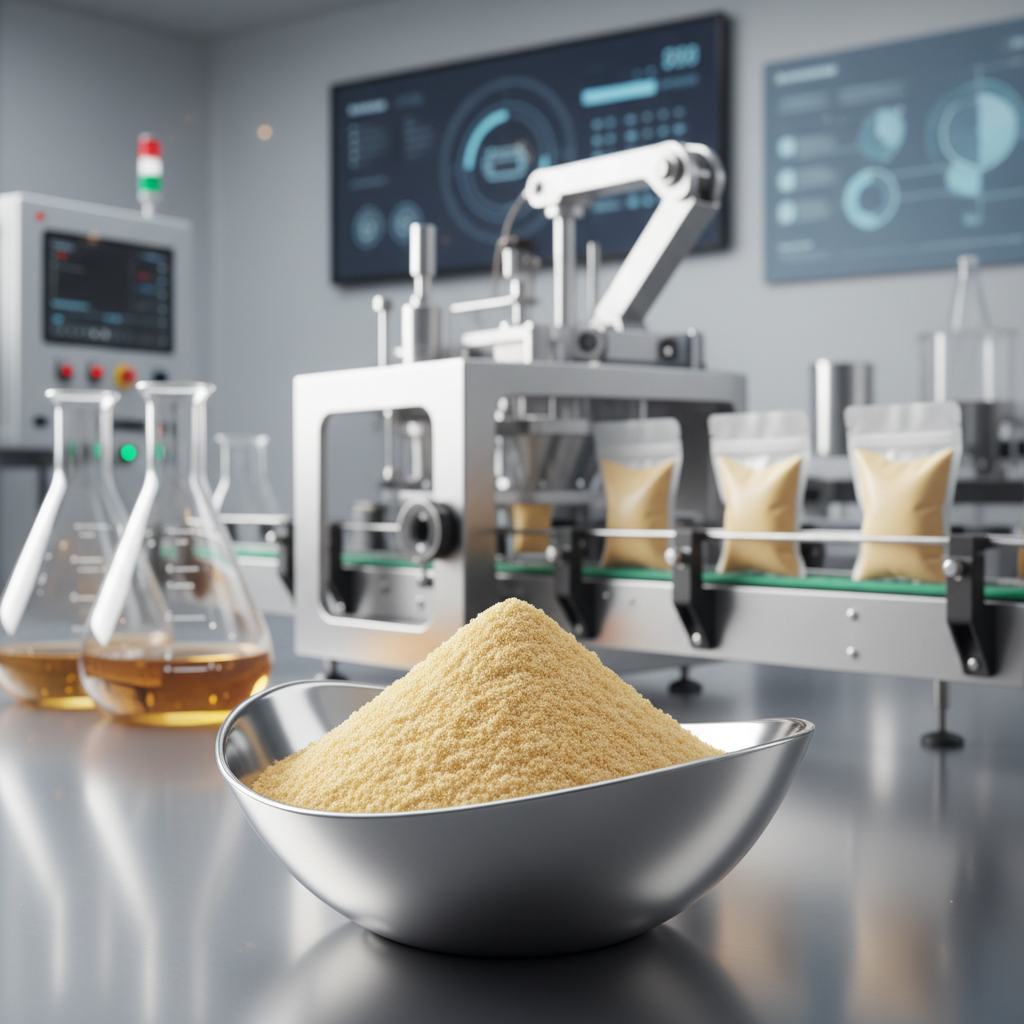
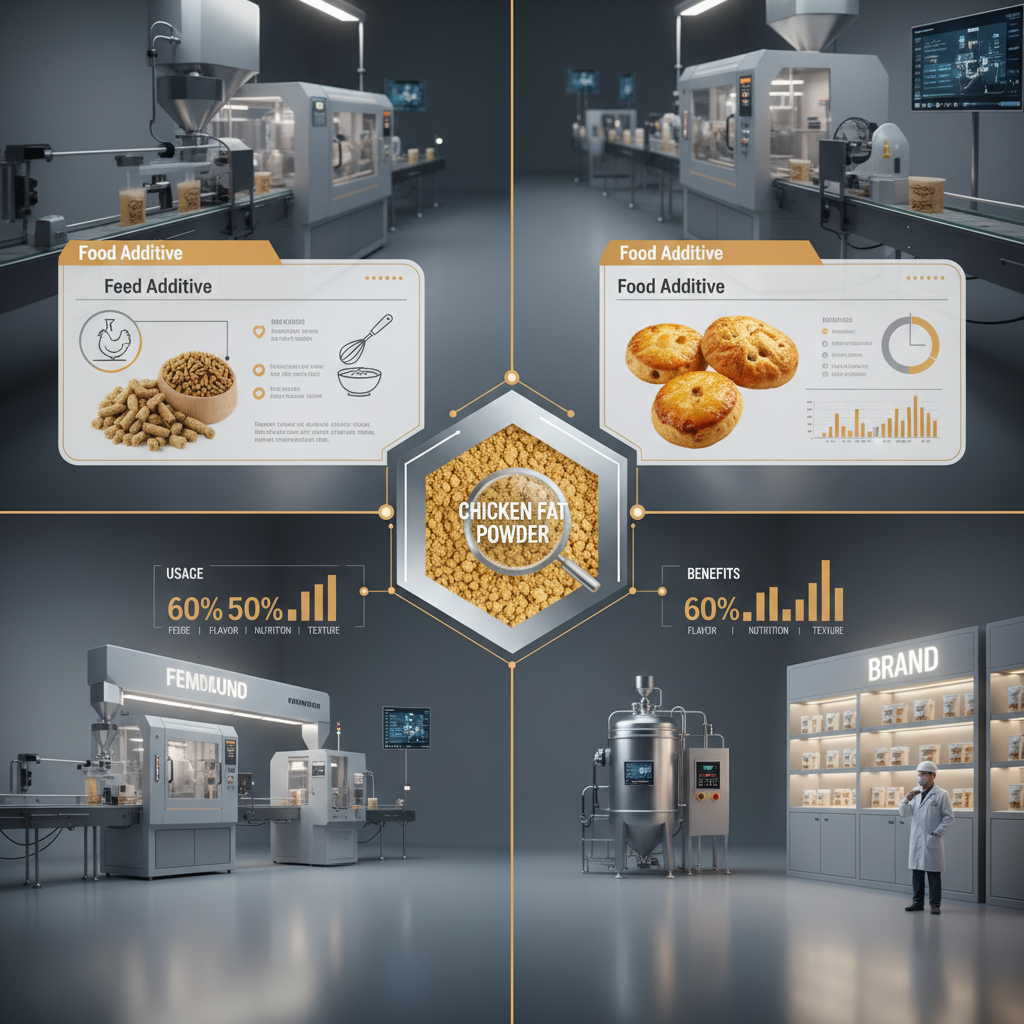
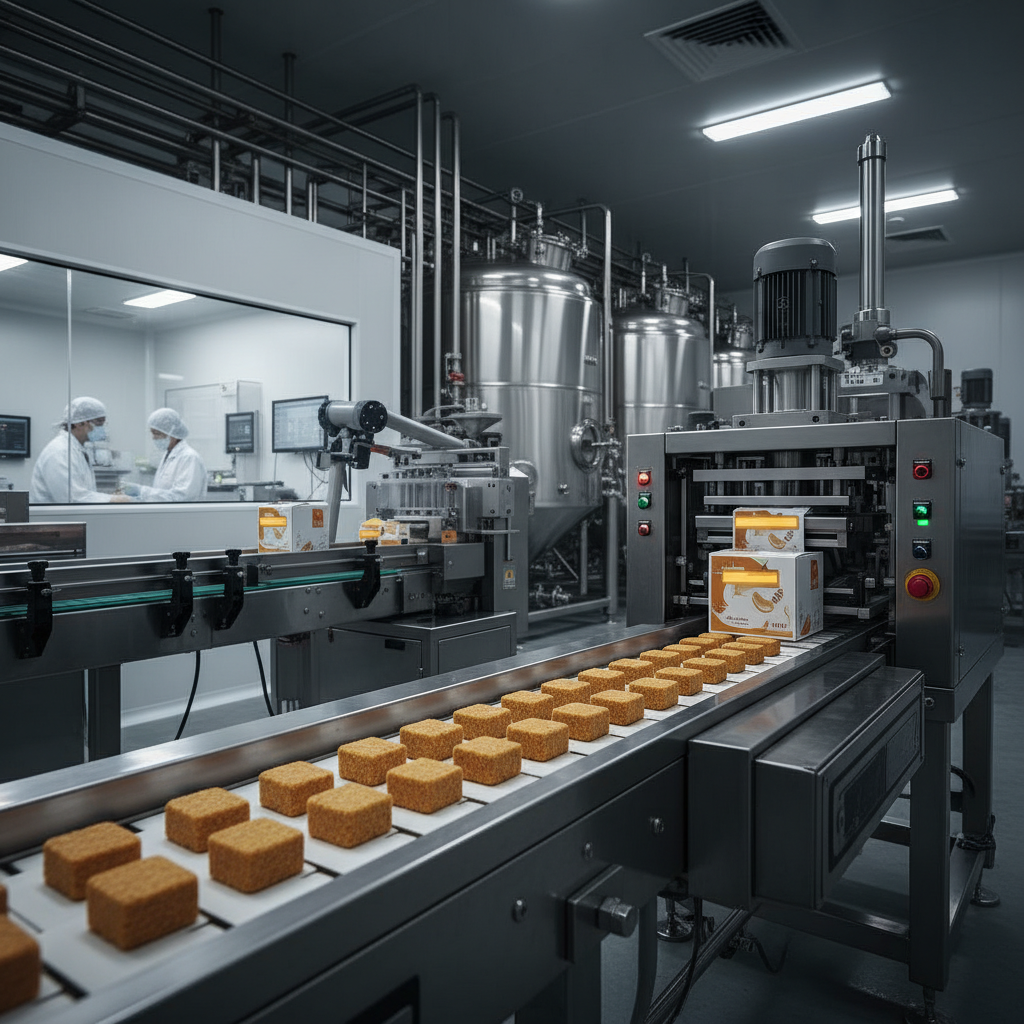
In the competitive landscape of modern animal nutrition and food processing, chicken fat powder has emerged as a pivotal ingredient for optimizing energy density and palatability. This specialized additive transforms raw animal fats into a stable, easy-to-handle powder, bridging the gap between high-calorie nutritional requirements and the practical constraints of industrial manufacturing.
The global demand for efficient lipid delivery systems has grown significantly as producers seek to reduce waste and enhance the bioavailability of essential fatty acids. By utilizing advanced spray-drying technology, chicken fat powder provides a standardized solution that eliminates the volatility and storage challenges associated with liquid fats, ensuring consistent quality across batches.
Understanding the technical nuances of this product—from its emulsification process to its application in feed additives—allows manufacturers to achieve a superior cost-to-benefit ratio. As sustainability becomes a core driver in the food and feed sectors, the conversion of byproduct fats into high-value powdered forms represents a critical step toward a circular economy in the meat processing industry.
Global Relevance of Chicken Fat Powder
From a global perspective, the livestock and aquaculture industries are under immense pressure to increase productivity while lowering costs. The integration of chicken fat powder allows for a precise increase in caloric intake without altering the physical structure of the feed, which is essential for the growth phases of poultry and swine.
Statistically, the shift toward powdered fats aligns with ISO standards for food safety and stability, reducing the risk of oxidative rancidity that plagues liquid lipids in warmer climates. This makes the product indispensable for exporters in Southeast Asia and South America, where temperature-controlled logistics are often a limiting factor in supply chain efficiency.
Defining the Essence of Chicken Fat Powder
At its most fundamental level, chicken fat powder is a dehydrated form of rendered poultry fat, processed through emulsification and spray-drying. This transformation converts a hydrophobic liquid into a hydrophilic, free-flowing powder that can be seamlessly blended with other dry ingredients in a mixer, ensuring a homogenous distribution of energy across every pellet of feed.
Beyond the chemistry, this product serves a vital humanitarian and economic role by maximizing the utility of animal by-products. Instead of treating rendered fats as low-value waste, the industry converts them into a standardized additive that supports food security by making high-energy animal protein production more affordable and scalable.
In the context of modern food manufacturing, it is classified as a high-efficiency lipid carrier. Whether used as a feed additive or a pharmaceutical intermediate base, the powder form ensures that the active fatty acids are protected from environmental degradation, maintaining their nutritional integrity from the factory to the end-user.
Core Technical Components for Quality
The efficacy of chicken fat powder depends heavily on its Oxidative Stability. Since animal fats are prone to peroxidation, the inclusion of high-grade antioxidants during the drying process is crucial to prevent off-flavors and the loss of nutritional value, ensuring a long shelf life.
Bulk Density and Flowability are equally critical. A high-quality powder must exhibit minimal clumping and a consistent particle size. This ensures that the chicken fat powder does not segregate during transport or cause blockages in automated dosing systems, which is a common pain point in large-scale manufacturing.
Finally, the Emulsification Efficiency determines how well the fat is encapsulated. By using sophisticated carriers like maltodextrin or modified starches, the fat is trapped in a matrix that prevents oil leaching, making the powder an ideal choice for specialized nutritional supplements and pharmaceutical-grade additives.
Industrial Applications and Use Cases
The versatility of chicken fat powder allows it to transcend simple feed supplementation. In the aquaculture sector, it is used to create high-energy floating pellets for carnivorous fish, where lipid stability is paramount to prevent water pollution and ensure the fish receive concentrated energy.
In remote industrial zones or post-disaster relief operations where liquid logistics are impossible, powdered lipids provide a lightweight, nutrient-dense alternative for emergency livestock feed. Similarly, in the pharmaceutical intermediate sector, these powders act as stabilizers for lipophilic active ingredients, ensuring consistent delivery in controlled-release formulations.
Comparative Performance of Chicken Fat Powder Formulations
Long-Term Value and Sustainability
Investing in chicken fat powder offers significant long-term economic advantages. By reducing the need for expensive refrigerated storage and decreasing the logistics costs associated with liquid transport, companies can realize a substantial reduction in operational overhead.
Beyond the balance sheet, there is a profound sustainability impact. The conversion of rendered fat into powder prevents the contamination of wastewater systems that often occurs with liquid fat mismanagement. This promotes a "zero-waste" philosophy in the food additive industry, transforming a potential pollutant into a high-value nutritional asset.
Future Innovations in Lipid Powdering
The future of chicken fat powder is being shaped by nano-encapsulation technologies. By reducing the lipid droplet size to the nanoscale, researchers are creating powders with near-instantaneous solubility and absorption rates, which will revolutionize the efficiency of pharmaceutical intermediates.
Furthermore, the integration of digital transformation in the manufacturing process—such as AI-driven spray dryer optimization—allows for the precise control of particle morphology. This means powders can be tailored to specific "release profiles," where the nutrients are released slowly during digestion to maximize growth rates.
Sustainability-focused policies are also pushing the industry toward "green" carriers. Moving away from synthetic stabilizers toward plant-based, biodegradable carriers will ensure that the next generation of chicken fat powder is not only effective but also entirely eco-friendly.
Overcoming Implementation Challenges
One of the primary challenges in using chicken fat powder is the risk of "caking" during long-term storage in humid environments. This is often solved by the addition of anti-caking agents or the use of high-barrier moisture-proof packaging, which preserves the flowability of the powder.
Another hurdle is the consistency of raw material quality. Since rendered fat can vary by season and source, the solution lies in standardized pre-treatment processes, such as refining and bleaching, to ensure that the final powder maintains a consistent color and odor profile.
Finally, some manufacturers struggle with the initial integration of powders into existing liquid-based feed lines. The expert approach is to transition to a "dry-mix" system, which not only simplifies the process but also allows for a more precise additive dosage, reducing waste and improving cost-efficiency.
Technical Analysis of Chicken Fat Powder Implementation Strategies
| Challenge Factor |
Proposed Solution |
Difficulty Level |
Expected Impact |
| Moisture Caking |
Vacuum Aluminum Packaging |
Low |
High Stability |
| Oxidative Rancidity |
Synergistic Antioxidant Blend |
Medium |
Extended Shelf Life |
| Dosing Inaccuracy |
Automated Auger Feeders |
High |
Precision Nutrition |
| Raw Material Variance |
Pre-refining Standardization |
Medium |
Consistent Quality |
| Poor Solubility |
Nano-emulsification Process |
High |
Maximum Bioavailability |
| High Cost of Carrier |
Modified Starch Optimization |
Low |
Cost Reduction |
FAQS
The primary advantages are stability and convenience. chicken fat powder is less prone to oxidation and doesn't require specialized liquid tanks or heating systems to maintain flow. It allows for precise mixing in dry-batch systems, ensuring every animal receives the exact caloric requirement without the risk of lipid separation.
When stored in a cool, dry place in airtight packaging, high-quality chicken fat powder typically has a shelf life of 6 to 12 months. The addition of antioxidants and the use of vacuum sealing are key factors in preventing rancidity and maintaining nutritional value.
Yes, it is highly sustainable. By converting rendered fats into a stable powder, the industry reduces waste and prevents the environmental hazards associated with liquid fat spills. It effectively upcycles a byproduct of the meat industry into a high-value additive, supporting circular economy goals.
Absolutely. Due to its ability to carry lipophilic compounds, it is often used as a pharmaceutical intermediate. Its standardized form allows for precise dosing in capsules or tablets where a lipid base is required to improve the absorption of certain drugs or vitamins.
When processed correctly through refining and spray-drying, chicken fat powder has a mild, neutral aroma. In many cases, it actually improves the palatability of feed, encouraging higher intake rates in young livestock compared to synthetic energy sources.
Importing chicken fat powder requires compliance with local animal byproduct regulations and customs certifications. Working with a supplier that provides full MSDS (Material Safety Data Sheets) and ISO certification simplifies the process, ensuring the product meets all health and safety standards of the destination country.
Conclusion
In summary, chicken fat powder represents a sophisticated intersection of chemical engineering and nutritional science. By resolving the inherent instabilities of liquid fats, it provides the food and feed industries with a scalable, efficient, and sustainable method for energy delivery. From improving the growth rates of livestock to serving as a critical base for pharmaceutical intermediates, its value lies in its versatility and reliability.
As the industry moves toward a more sustainable and digitally optimized future, the adoption of advanced powdered lipids will be a key differentiator for manufacturers. We recommend that producers prioritize high-stability, encapsulated formulations to maximize bioavailability and reduce waste. To explore high-grade solutions for your production line, visit our website: www.chinaseasoning.com.