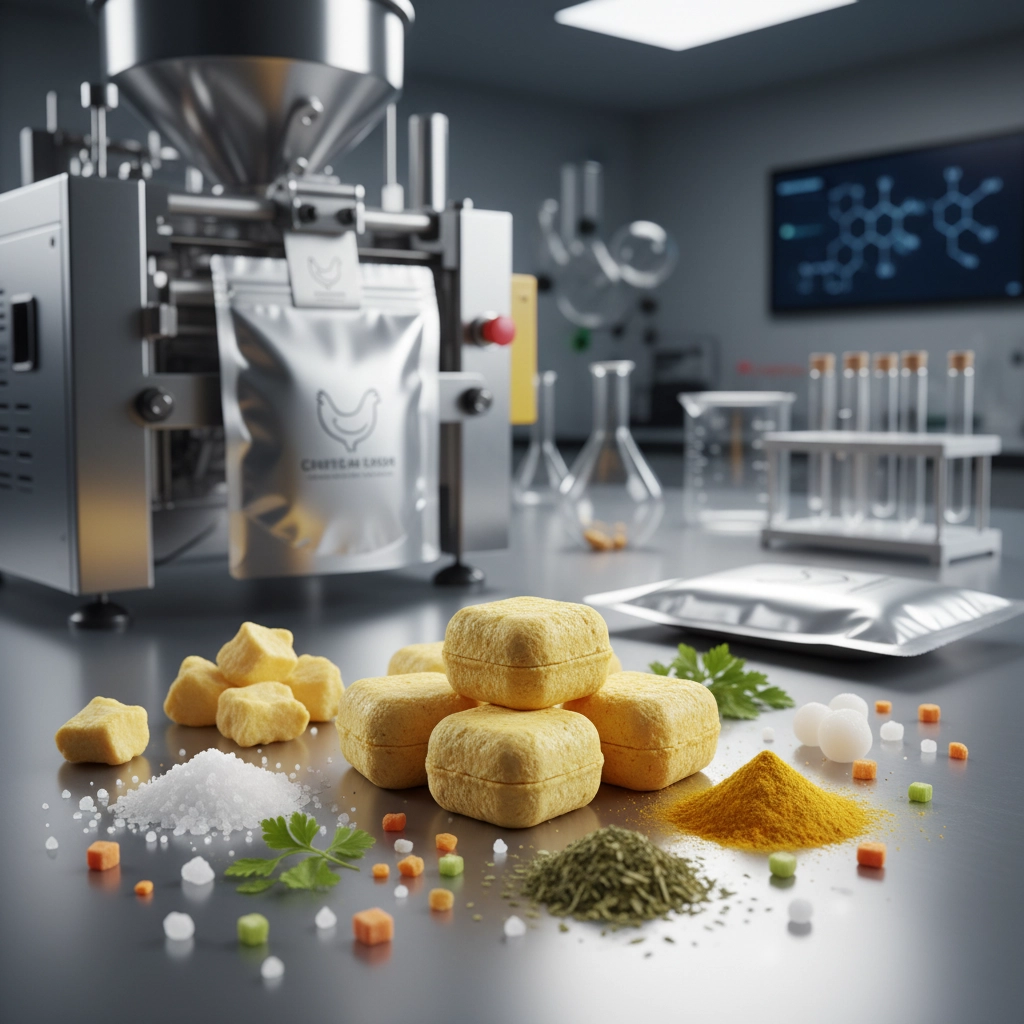
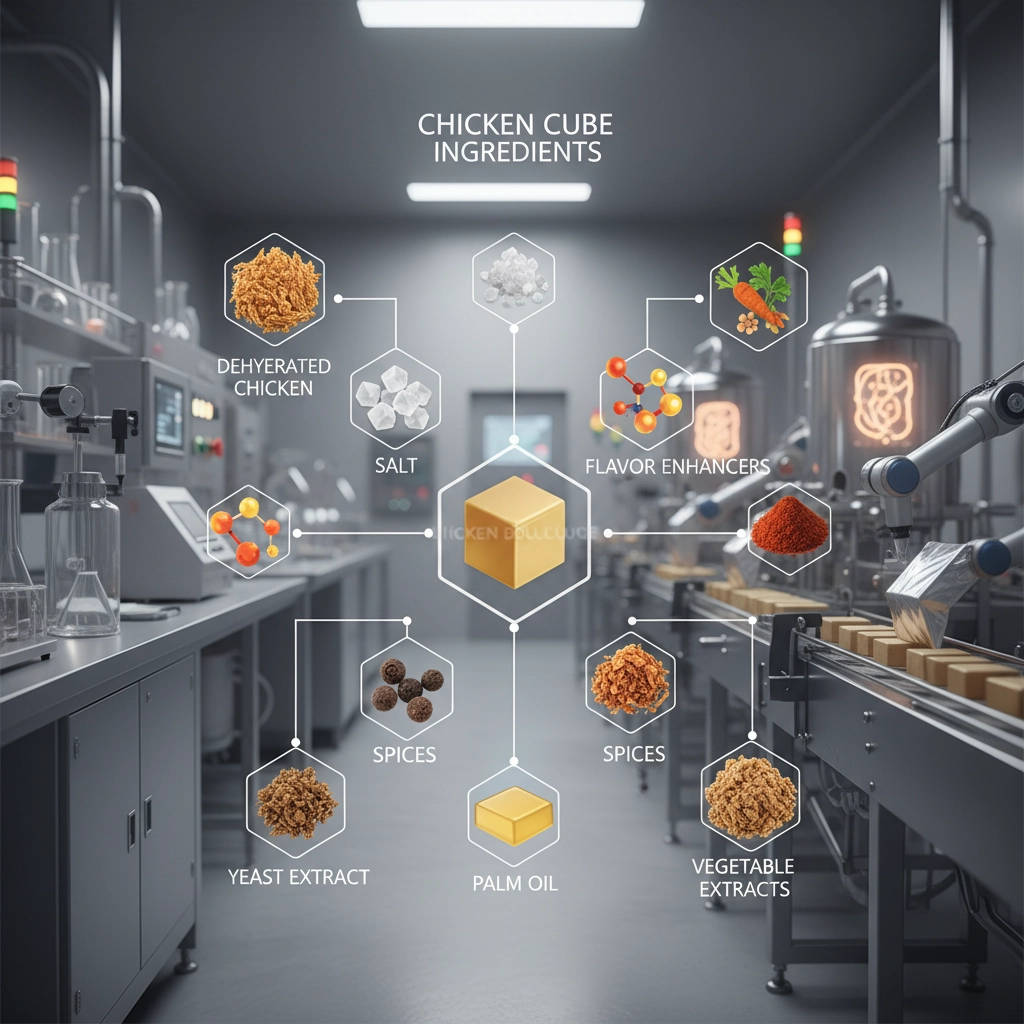
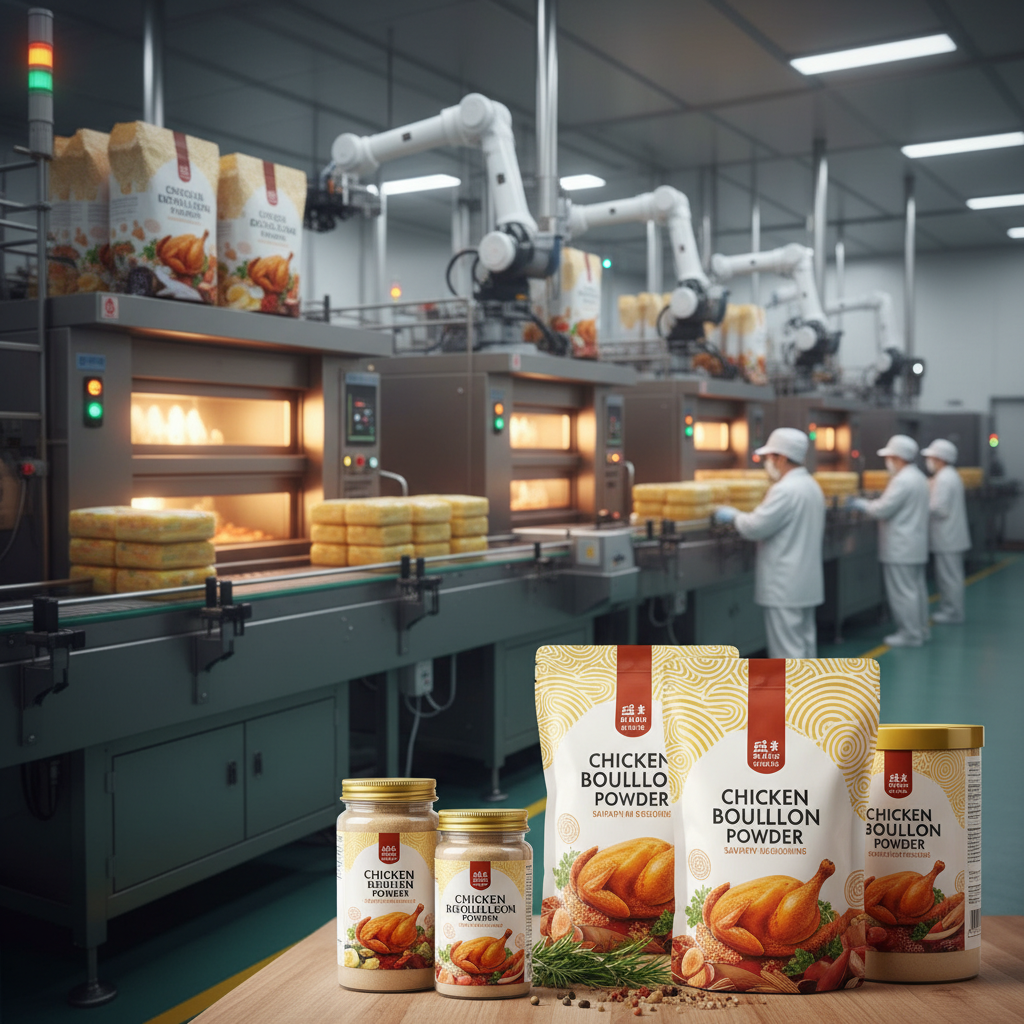
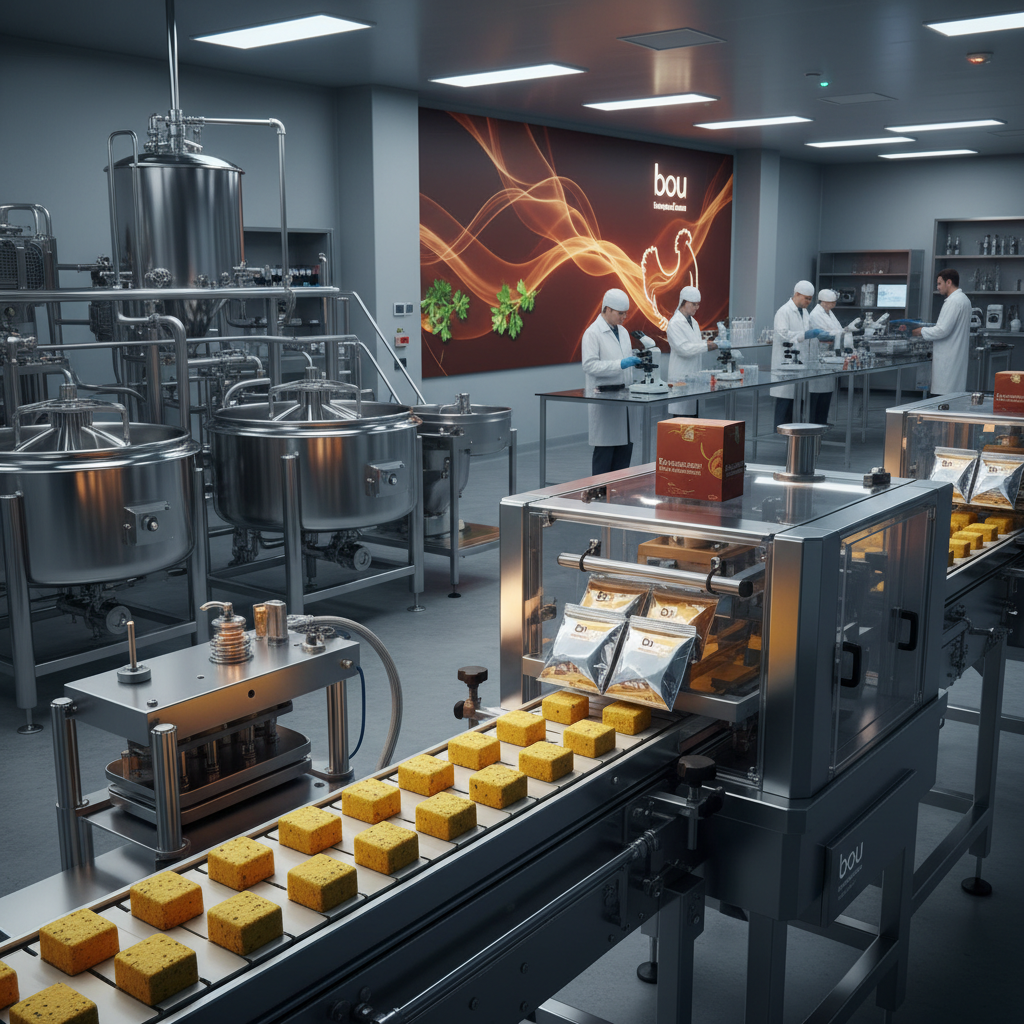
Understanding the composition of chicken cube ingredients is essential for food manufacturers and culinary professionals aiming to balance taste, shelf-stability, and nutritional value. As a staple in global kitchens, these concentrated bouillon cubes rely on a precise blend of salt, flavor enhancers, and dehydrated extracts to deliver a consistent savory profile.
In the modern food additive industry, the formulation of chicken cube ingredients has evolved from simple salt-based stocks to complex chemical and natural synergies. By leveraging advanced dehydration and granulation techniques, manufacturers can ensure that these ingredients maintain their potency and flavor integrity over long periods, making them indispensable for rapid food preparation worldwide.
Beyond mere convenience, the strategic selection of chicken cube ingredients allows brands to cater to diverse dietary needs, such as low-sodium options or organic certifications. This guide explores the technical intricacies of these components, from the role of MSG and yeast extracts to the integration of sustainable feed additives that influence the quality of the source materials.
Global Market Context of Chicken Cube Ingredients
The global demand for convenient flavor enhancers has pushed the market for chicken cube ingredients to unprecedented heights. According to food industry trends aligned with ISO quality standards, the shift toward urbanized lifestyles and the need for rapid meal preparation have made dehydrated stocks a primary commodity in emerging markets across Asia and Africa.
However, the industry faces a significant challenge: the tension between cost-effective mass production and the rising consumer demand for "clean label" products. Manufacturers are now tasked with replacing synthetic enhancers with natural alternatives without compromising the iconic savory taste that defines these products globally.
Defining the Chemistry of Chicken Cube Ingredients
At its core, chicken cube ingredients represent a sophisticated matrix of dehydrated solutes and binders. These ingredients are designed to be highly soluble in hot water, releasing a concentrated burst of umami, salinity, and aromatic compounds that mimic the profile of a slow-simmered chicken broth.
From a technical perspective, these ingredients serve as a bridge between industrial food chemistry and culinary art. By utilizing food additives such as maltodextrin for bulking and hydrogenated vegetable oils for structural integrity, the cubes remain stable during storage and transport, preventing moisture absorption and clumping.
The connection to humanitarian needs is particularly evident in food security contexts. In regions where fresh protein is expensive or unavailable, these ingredients provide a cost-effective way to enhance the flavor and caloric appeal of basic grains and legumes, supporting nutritional intake in underdeveloped zones.
Core Components for Flavor and Stability
The primary driver of the sensory experience in chicken cube ingredients is the umami profile, typically achieved through the combination of Monosodium Glutamate (MSG) and hydrolyzed vegetable proteins. These components trigger the savory receptors on the tongue, providing the depth associated with meat.
Stability is managed through the use of anti-caking agents and precise moisture control. The integration of specific food additives ensures that the cube does not degrade under varying humidity levels, which is critical for maintaining a shelf life of 12 to 24 months without the need for continuous refrigeration.
Furthermore, the aromatic profile is reinforced with dehydrated garlic, onion, and parsley powders. These botanical extracts are processed through spray-drying or freeze-drying to preserve the volatile organic compounds that provide the "fresh" scent upon dissolution in boiling water.
Technical Performance and Cost Efficiency
Achieving the perfect balance in chicken cube ingredients requires a rigorous analysis of solubility and salt concentration. Manufacturers must optimize the ratio of salt to flavor enhancers to ensure that the product is palatable while remaining economically viable for large-scale production.
The use of high-efficiency granulation technology allows for a more uniform distribution of ingredients, which reduces waste during the pressing process and ensures that every single cube delivers an identical taste experience.
Comparison of Chicken Cube Ingredients Formulation Methods
Global Applications and Industrial Use Cases
The versatility of chicken cube ingredients extends far beyond home cooking. In the industrial food sector, these concentrates are used as base seasonings for instant noodles, ready-to-eat meals, and processed soups, allowing manufacturers to maintain a standardized taste profile across different geographic regions.
In challenging environments, such as post-disaster relief operations or remote mining camps, these ingredients are vital. Their compact form and lack of requirement for refrigeration make them an ideal choice for NGOs and military logistics to provide palatable and calorie-dense meals to populations in crisis.
Long-term Value and Nutritional Innovation
The long-term value of optimizing chicken cube ingredients lies in the transition toward health-centric formulations. By integrating potassium-based salt substitutes and reducing the reliance on synthetic dyes, brands can enhance the nutritional profile while maintaining the desired sensory characteristics.
Moreover, there is a strong emotional angle to these innovations. Consumers today associate "trust" with transparency. When a company clearly labels its ingredients and sources them ethically, it builds a relationship of reliability and dignity with the end-user, transforming a simple commodity into a symbol of quality.
Innovation in this space also involves the use of biotechnology, such as fermentation-derived flavors, which provide a cleaner taste and satisfy the growing demand for vegan or vegetarian-friendly "chicken" alternatives that utilize yeast-based umami components.
Future Trends in Sustainable Ingredients
The future of chicken cube ingredients is inextricably linked to sustainability. We are seeing a shift toward "upcycled" ingredients, where by-products from other food manufacturing processes are refined into high-value flavor enhancers, reducing overall industrial waste.
Digital transformation is also playing a role, with AI-driven flavor profiling allowing chemists to simulate the perfect blend of ingredients before a single physical sample is produced. This accelerates the R&D cycle and reduces the carbon footprint associated with traditional trial-and-error sampling.
Finally, the move toward green energy in the dehydration process—using solar-powered spray dryers and energy-efficient vacuum systems—is making the production of these ingredients more eco-friendly and aligned with global climate goals.
Analysis of Sustainable Ingredient Trends in Chicken Cube Production
| Ingredient Type |
Sustainability Index |
Cost Impact |
Market Adoption |
| Yeast Extract (Natural) |
9/10 |
Moderate Increase |
High |
| Upcycled Veggie Powder |
10/10 |
Decrease |
Medium |
| Synthetic MSG |
4/10 |
Very Low |
Very High |
| Palm Oil (RSPO) |
7/10 |
Slight Increase |
High |
| Sea Salt (Organic) |
8/10 |
Moderate |
Medium |
| Maltodextrin (Corn-based) |
6/10 |
Low |
High |
FAQS
The most critical ingredients are yeast extracts, hydrolyzed vegetable proteins, and a precise blend of dehydrated aromatics like onion and garlic. While salt provides the base, these umami-rich components mimic the amino acid profile of real chicken, creating a natural-tasting savory depth without relying solely on synthetic additives.
Anti-caking agents, such as silicon dioxide or calcium silicate, are added in small quantities to prevent moisture absorption. Additionally, the use of fats (like hydrogenated oil) creates a moisture barrier around the particles, ensuring the cubes remain free-flowing and easy to dispense during the compression process.
Yes, the industry is moving toward "clean label" ingredients. This includes replacing MSG with mushroom powder or nutritional yeast for umami, and using potassium chloride to reduce sodium levels. Many brands are also eliminating artificial colors (like Caramel or Tartrazine) in favor of natural turmeric or paprika extracts.
Feed additives influence the quality of the source chicken meat and fats used in premium cubes. High-quality omega-3 or amino acid feed additives improve the nutrient density and flavor profile of the meat, which in turn enhances the quality of the extracts used in the final formulation.
Absolutely. Vegan versions replace animal-based extracts with fermented soy, yeast extracts, and a variety of vegetable proteins. By mimicking the savory "meat" profile using plant-based glutamates, manufacturers can create a product that is indistinguishable from traditional chicken cubes to the average consumer.
The ideal shelf life is typically 18 to 24 months. This is achieved through extremely low water activity (aw), airtight foil packaging to prevent oxidation, and the inclusion of stable food additives that inhibit microbial growth and maintain chemical stability over time.
Conclusion
The science behind chicken cube ingredients is a complex intersection of flavor chemistry, stability engineering, and global logistics. By balancing the needs for umami intensity, cost-efficiency, and long-term shelf stability, these products have become essential tools in both industrial food production and domestic kitchens across the world.
Looking forward, the industry must embrace the transition toward sustainability and health-conscious formulations to remain relevant. By adopting green manufacturing processes and transparent, clean-label ingredients, producers can ensure that these versatile flavor enhancers continue to provide value, safety, and taste for generations to come. Visit our website for more professional additive solutions: www.chinaseasoning.com