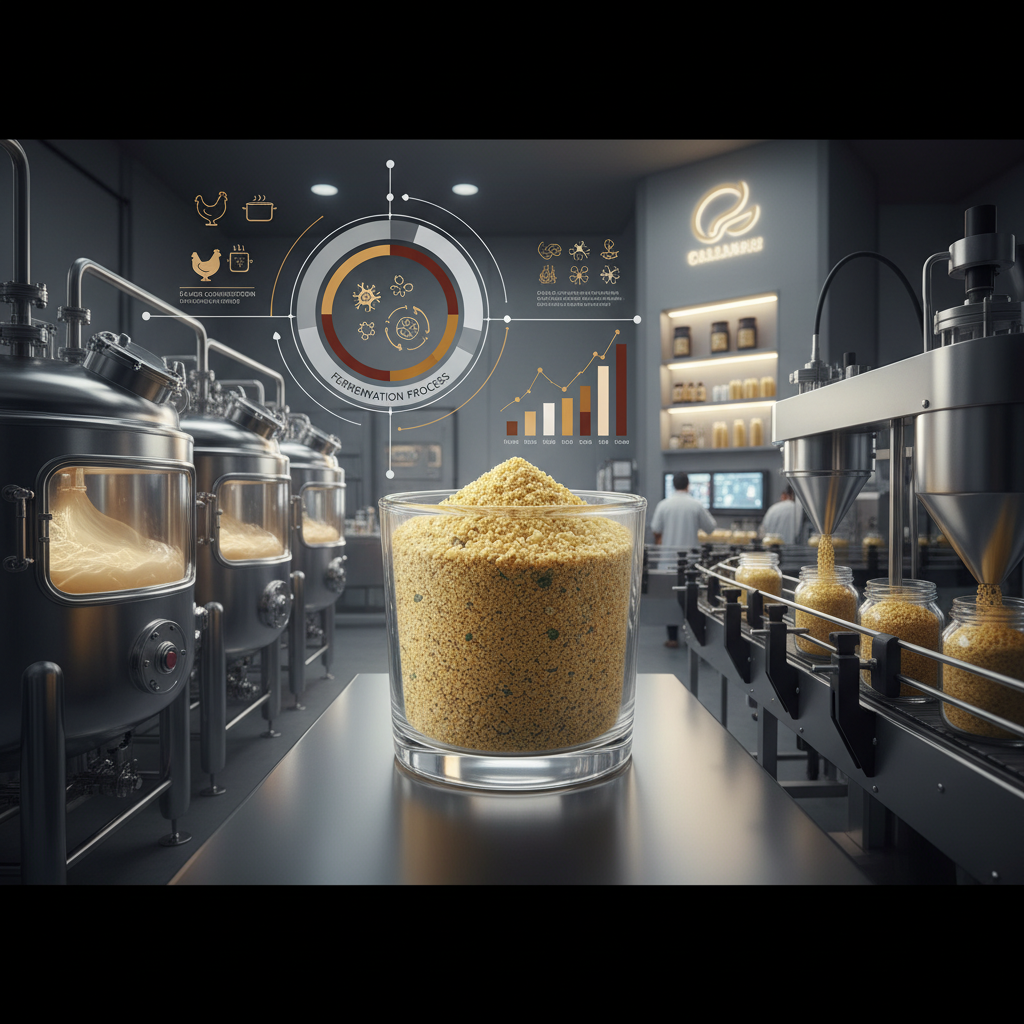
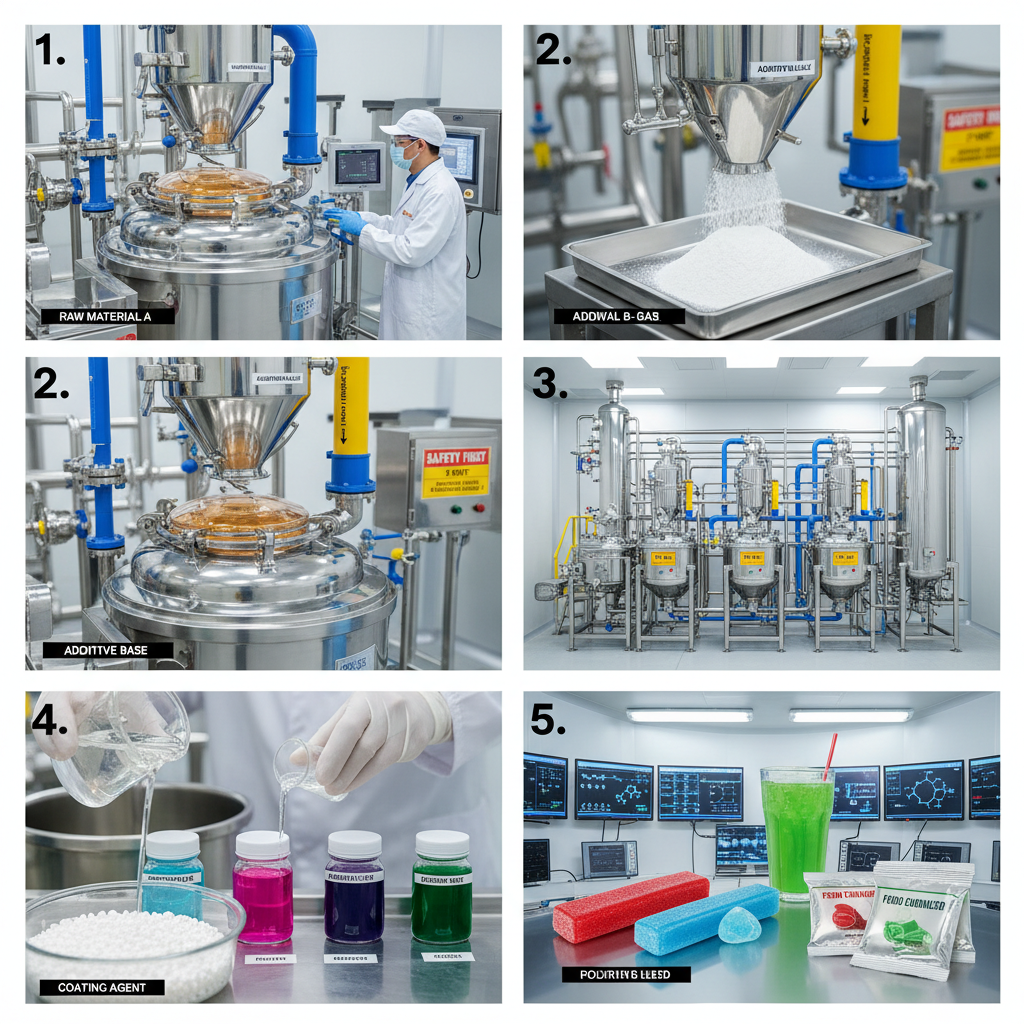
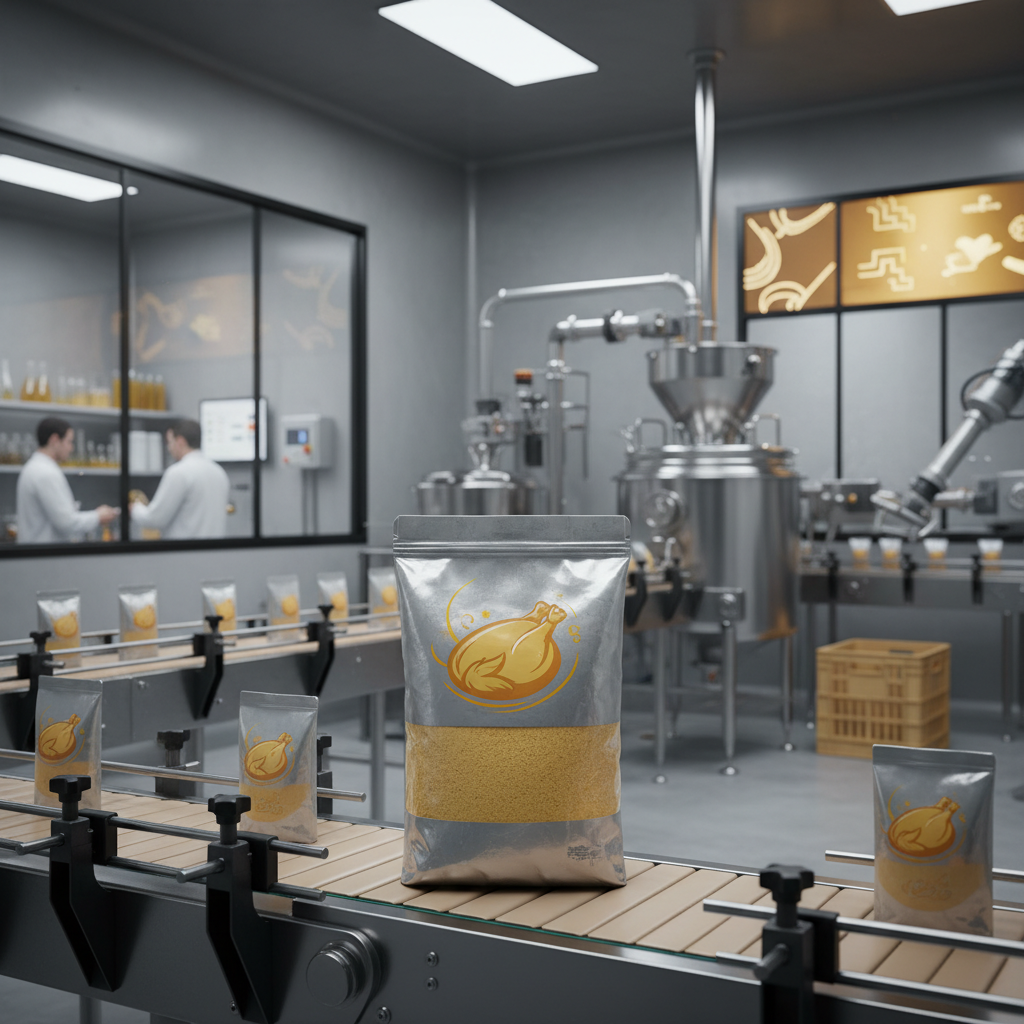
In the competitive landscape of the global food industry, the demand for efficient, high-quality flavor enhancers has led to the widespread adoption of asian chicken stock powder. This versatile additive provides a concentrated essence of savory chicken flavor, allowing food manufacturers and culinary professionals to achieve consistent taste profiles without the labor-intensive process of simmering bones for hours. By integrating advanced spray-drying technology, this powder ensures a long shelf life and effortless solubility, making it a cornerstone of modern food production.
From a commercial perspective, the global shift toward convenience foods and ready-to-eat meals has amplified the necessity for standardized seasoning solutions. The integration of asian chicken stock powder allows brands to scale their production while maintaining the authentic "umami" characteristics associated with traditional Asian cuisine. This balance of industrial efficiency and traditional taste is what drives the market for high-grade food additives in the pharmaceutical and food manufacturing sectors.
Understanding the technical composition and application of these powders is essential for optimizing cost-efficiency and product quality. Whether used in instant noodle seasonings, snack coatings, or gourmet sauces, the quality of the base powder dictates the final consumer experience. By exploring the intricacies of its formulation, manufacturers can better navigate the complexities of international food safety standards and consumer preferences for cleaner labels.
Global Relevance and Industry Context of Asian Chicken Stock Powder
The global market for seasonings has seen a dramatic surge, with asian chicken stock powder becoming a pivotal export for leading food additive manufacturers. As urbanization increases across Asia and Africa, the demand for quick-prep savory bases has spiked, mirroring trends seen in ISO-certified production facilities worldwide. The ability to deliver a consistent, savory profile across different batches allows multinational food chains to maintain brand integrity regardless of the geographic location of their kitchens.
However, the industry faces a significant challenge: the tension between industrial scalability and the consumer's desire for "natural" ingredients. Many traditional stock powders relied heavily on synthetic enhancers, but current market shifts demand a more nuanced approach. Manufacturers are now leveraging advanced fermentation and extraction processes to ensure that their chicken stock powders meet strict international safety guidelines while delivering a deep, authentic flavor that resonates with the modern, health-conscious consumer.
Defining the Technical Essence of Asian Chicken Stock Powder
At its core, asian chicken stock powder is a dehydrated seasoning blend that captures the complex aromatic and flavor profiles of simmered chicken and traditional Asian aromatics. Unlike simple bouillon cubes, professional-grade powder is engineered for rapid dissolution and high bioavailability of flavor. It typically consists of a matrix of salt, maltodextrin, chicken extract, and a carefully balanced blend of spices, all processed to ensure a homogeneous particle size.
In the broader context of food additives, this powder serves as a functional ingredient that modifies the sensory perception of a dish. It is not merely a salt substitute but a flavor amplifier that utilizes the synergy between glutamates and nucleotides to create the "umami" sensation. This technical precision allows it to be used in everything from high-volume industrial soup production to specialized pharmaceutical-grade nutrient supplements where flavor masking is required.
From a humanitarian and logistical standpoint, the dehydrated nature of this product addresses critical needs in food security and disaster relief. Because it is lightweight, stable at room temperature, and nutrient-dense in terms of flavor, it can be transported to remote areas more efficiently than liquid stocks. This transforms a simple culinary tool into a vital resource for maintaining dietary satisfaction in challenging environments.
Core Components Driving Performance and Taste
The efficacy of asian chicken stock powder depends largely on its Flavor Density. By using vacuum concentration and spray drying, manufacturers can remove water while intensifying the natural essence of the chicken. This ensures that a small quantity of powder can flavor a large volume of water, providing significant cost savings in logistics and storage.
Another critical factor is Solubility and Stability. High-quality asian chicken stock powder must dissolve completely without clumping, even in lukewarm water. This is achieved by controlling the particle size distribution and adding anti-caking agents that are food-safe and compliant with global regulations, ensuring the product remains free-flowing during industrial mixing.
Finally, the Umami Synergy created by combining inosine monophosphate (IMP) and guanosine monophosphate (GMP) with natural chicken extracts defines the professional grade of these powders. This chemical synergy mimics the slow-cooked flavor of traditional stocks, providing a depth of taste that is essential for products targeting the Asian market, where savory richness is a primary quality indicator.
Practical Applications and Scalability in Food Systems
The versatility of asian chicken stock powder makes it an indispensable tool across various sectors. In the fast-moving consumer goods (FMCG) industry, it is the primary component for instant noodle sachets and dehydrated soup mixes. Its ability to withstand high-temperature processing and long-term storage without losing its aromatic profile allows companies to ship products globally while ensuring the flavor remains identical from the factory to the consumer's bowl.
Beyond retail, the powder is extensively used in industrial kitchens and "ghost kitchens" where speed and consistency are paramount. By substituting fresh stocks with a standardized powder, chefs can eliminate the variance caused by different batches of raw poultry. This scalability is particularly evident in the production of frozen ready-meals, where the powder is integrated into sauces that must remain stable through freezing and reheating cycles.
Performance Comparison of Asian Chicken Stock Powder Formulations
Advantages and Long-Term Economic Value
The adoption of asian chicken stock powder offers tangible economic benefits, primarily through the reduction of operational overhead. Traditional stock production requires massive amounts of water, energy for simmering, and significant labor for skimming and straining. By switching to a high-efficiency powder, manufacturers can reduce their energy footprint and water consumption, contributing to a more sustainable production model.
Furthermore, the reliability of a standardized powder minimizes waste. In large-scale food production, a single "off" batch of homemade stock can result in the loss of thousands of dollars in finished products. The chemical stability and precise formulation of professional asian chicken stock powder provide a safety net, ensuring that every unit produced meets the exact sensory specifications required by the brand.
Future Trends and Innovations in Seasoning Technology
The future of asian chicken stock powder is leaning heavily toward "Clean Label" initiatives. Consumers are increasingly scrutinizing ingredient lists for MSG and artificial preservatives. In response, the industry is innovating with yeast extracts and fermented fungi to provide the same umami punch without synthetic additives. This shift toward biotechnology allows for a "natural" designation while maintaining the industrial performance of the powder.
Digital transformation is also playing a role in the manufacturing process. AI-driven flavor profiling is now used to analyze consumer preferences in different regions, allowing manufacturers to tweak the spice levels or salt content of their chicken stock powders for specific markets. This level of customization ensures that a product can be tailored to the palate of a consumer in Jakarta as easily as one in Tokyo.
Additionally, sustainability is driving the exploration of alternative protein sources. We are seeing the rise of hybrid powders that blend traditional chicken extracts with plant-based proteins to reduce the environmental impact of poultry farming. These innovations not only appeal to the vegan-curious market but also provide a hedge against the volatile pricing of raw animal proteins in the global commodity market.
Challenges and Expert Solutions for Quality Control
One of the primary challenges in the production of asian chicken stock powder is hygroscopicity—the tendency of the powder to absorb moisture from the air. This can lead to caking and the formation of hard lumps, which disrupts automated dispensing systems in factories. Expert solutions involve the use of advanced moisture-barrier packaging and the precise calibration of silicon dioxide levels to maintain fluidity without compromising the taste profile.
Another hurdle is maintaining flavor volatility. Many of the aromatic compounds that give chicken stock its "fresh" smell are volatile and can dissipate during the spray-drying process. To combat this, manufacturers are employing encapsulation technology, where flavor molecules are trapped in a protective matrix that only releases upon contact with hot water. This ensures that the consumer experiences a burst of fresh aroma the moment the powder is used.
Finally, ensuring compliance with varying international food laws (such as FDA in the US and EFSA in the EU) requires a rigorous quality management system. Implementing a blockchain-based traceability system allows manufacturers to track every ingredient from the poultry farm to the final powder bag. This transparency not only ensures safety but also builds trust with B2B clients who require full disclosure of the supply chain for their own audits.
Comparative Analysis of Quality Control Parameters for Asian Chicken Stock Powder
|
Control Parameter
|
Industrial Standard
|
Impact on Final Product
|
Optimization Score (1-10)
|
| Moisture Content |
< 5% |
Prevents Caking/Clumping |
9 |
| Particle Size |
150-300 Microns |
Ensures Rapid Solubility |
8 |
| Umami Index |
High Glutamate Ratio |
Depth of Savory Flavor |
10 |
| Aromatic Stability |
Encapsulated Oils |
Fresh Scent upon Rehydration |
7 |
| Salt Concentration |
Controlled ppm |
Taste Balance & Preservation |
8 |
| Purity Level |
99% Contaminant Free |
Food Safety Compliance |
10 |
FAQS
Professional grade asian chicken stock powder is produced using industrial spray-drying and vacuum concentration, which ensures a more consistent flavor profile and significantly better solubility. While home-made bouillon varies by batch, industrial powders are standardized for umami intensity and salt content, making them ideal for large-scale food production where consistency is a critical requirement for brand loyalty.
Yes, modern food additive technology allows for the creation of "Clean Label" powders. By using yeast extracts, mushroom powders, or fermented proteins, manufacturers can replicate the umami effect of MSG naturally. These alternatives are increasingly popular as consumers demand healthier ingredients without sacrificing the deep, savory taste characteristic of traditional Asian stocks.
To prevent caking, it is essential to store the powder in airtight, moisture-proof packaging, such as foil-lined bags. On the manufacturing side, the inclusion of food-grade anti-caking agents like silicon dioxide helps maintain fluidity. For industrial users, maintaining a temperature-controlled storage environment is the most effective way to ensure the powder remains free-flowing for automated machinery.
Absolutely. High-purity asian chicken stock powder is often used as a flavor masking agent in pharmaceutical syrups or nutritional supplements. Because it provides a strong, palatable savory taste, it can effectively cover the bitterness of certain active pharmaceutical ingredients (APIs) or vitamins, improving patient compliance and product appeal.
When stored in original, unopened moisture-barrier packaging, professional chicken stock powder typically has a shelf life of 12 to 24 months. The low water activity (Aw) level prevents microbial growth, while the stable formulation ensures that the flavor does not degrade significantly over time, making it an excellent choice for long-term inventory management.
Importing food additives requires adherence to the destination country's food safety laws. We recommend working with a supplier that provides full COA (Certificate of Analysis), MSDS (Material Safety Data Sheet), and ISO certifications. Ensuring the product meets specific regional standards (like FDA or EU regulations) is key to a smooth customs process and guaranteeing the safety of your end consumers.
Conclusion
The integration of asian chicken stock powder into modern food manufacturing represents a perfect synergy between traditional culinary art and industrial science. By offering an efficient, scalable, and consistent flavor solution, it empowers producers to meet the global demand for savory convenience foods while drastically reducing operational waste and energy consumption. From its precise chemical composition to its strategic application in global supply chains, this additive is more than just a seasoning—it is a tool for economic and culinary efficiency.
Looking forward, the evolution of this product will likely be defined by the pursuit of sustainability and health-conscious formulations. As we move toward a future of "cleaner" labels and plant-hybrid proteins, the ability to maintain the authentic umami essence of chicken will remain the benchmark of quality. For businesses looking to optimize their flavor profiles and scale their production, investing in high-grade, standardized seasoning solutions is the most reliable path to success. Visit our website: www.chinaseasoning.com