In the competitive landscape of global food production, the demand for high-quality, convenient, and authentic flavoring solutions has led to the rise of chinese chicken broth powder as a staple ingredient. This specialized additive bridges the gap between traditional slow-cooked umami depth and the efficiency required by modern industrial food processing. By condensing the essence of slow-simmered poultry and aromatic spices into a stable powder, manufacturers can ensure consistent taste profiles across diverse product lines.
Understanding the nuances of this ingredient is crucial for food scientists and culinary entrepreneurs who aim to penetrate the Asian-inspired market. The global shift toward "ready-to-eat" and "ready-to-cook" meals has placed a premium on ingredients that offer long shelf lives without compromising on the sensory experience. chinese chicken broth powder provides a scalable solution that reduces labor costs and minimizes raw material waste in commercial kitchens and factories.
Beyond mere convenience, the adoption of advanced food additive technologies allows for a more precise control over sodium levels, allergen management, and nutritional fortification. Whether integrated into instant noodles, savory snacks, or gourmet sauces, this powder serves as a foundation for flavor layering. This guide explores the technical components, global applications, and future innovations surrounding this essential component of the modern food additive industry.
Global Industry Context of Chinese Chicken Broth Powder
The global condiments and seasonings market has witnessed a significant surge, driven by the globalization of Asian palettes and the increasing demand for convenient meal solutions. According to industry trends aligned with ISO food safety standards, the shift toward dehydrated flavor bases has accelerated as logistics costs for liquid broths remain prohibitively high. The chinese chicken broth powder segment specifically addresses the need for a versatile, high-umami base that can be shipped globally with minimal degradation.
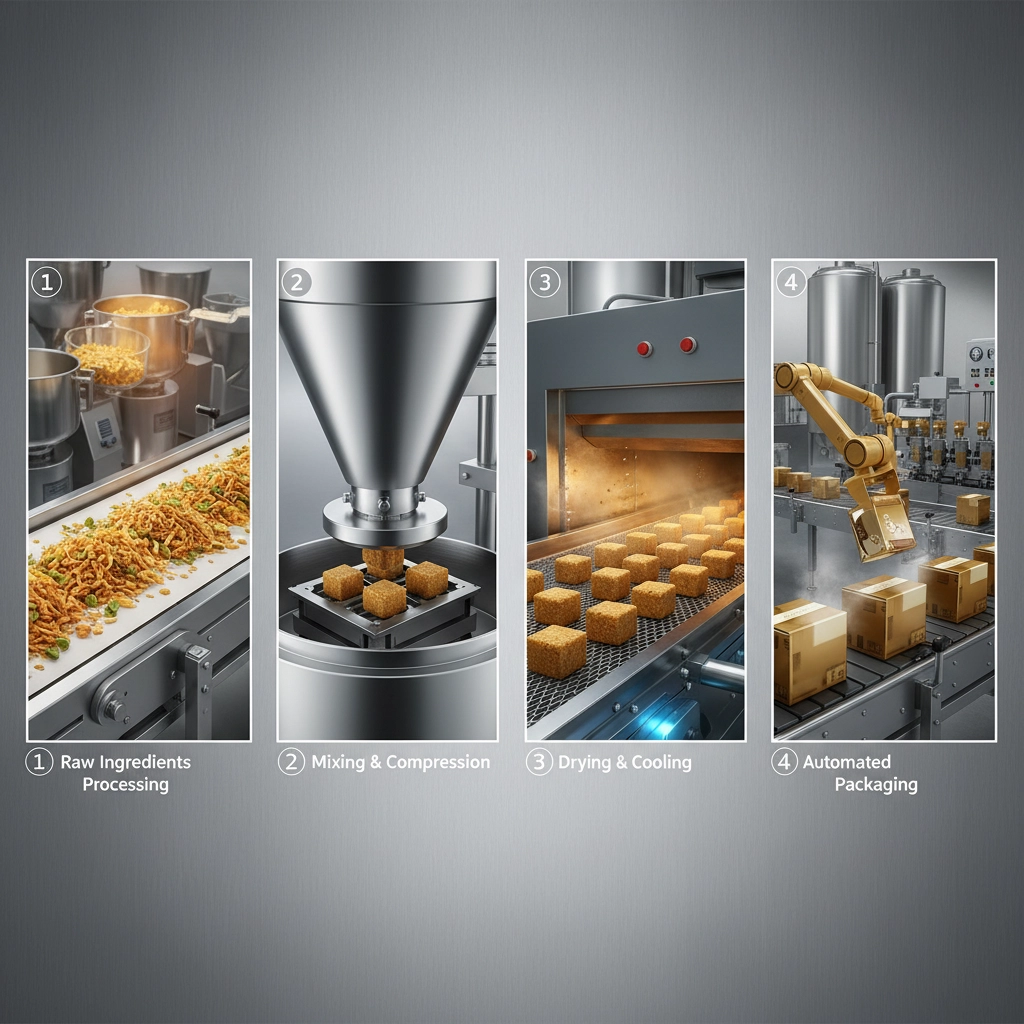
However, the industry faces a constant struggle: balancing the "authentic" taste of traditional Chinese slow-cooking with the rigid requirements of industrial mass production. Many manufacturers struggle with flavor volatility and inconsistent salt distribution. By leveraging advanced spray-drying and freeze-drying technologies, the production of high-grade chicken broth powders now allows for a molecular-level preservation of aroma, solving the longstanding problem of "flat" tasting reconstituted soups.
Definition and Industrial Significance of Broth Powders
At its core, chinese chicken broth powder is a dehydrated seasoning blend composed of chicken extracts, salt, maltodextrin, and a curated mix of aromatic spices. Unlike simple bouillon cubes, industrial-grade powder is engineered for rapid solubility and a balanced flavor profile that can withstand high-heat processing, such as extrusion in snack manufacturing or boiling in instant noodle production.
From an industrial perspective, this powder is more than just a seasoning; it is a tool for standardization. In large-scale food manufacturing, relying on fresh chicken stock introduces unacceptable variability in viscosity and taste. A standardized powder ensures that a batch of soup produced in January tastes identical to one produced in July, which is critical for maintaining brand loyalty and meeting strict quality control KPIs.
Furthermore, the significance of these additives extends to humanitarian and remote industrial needs. In regions where fresh poultry logistics are compromised, fortified broth powders provide essential sodium and flavor stimulation, making them invaluable for emergency food rations and military MREs (Meals Ready-to-Eat), where caloric density and shelf stability are the primary concerns.
Core Components and Quality Factors
The efficacy of chinese chicken broth powder relies heavily on the quality of the base extract. High-grade powders utilize a combination of hydrolyzed vegetable proteins (HVP) and genuine chicken concentrate to achieve a synergistic umami effect. The ratio of these components determines whether the product tastes "natural" or overly synthetic, a key differentiator in the premium food additive market.
Another critical factor is the use of carriers like maltodextrin or corn starch. These agents prevent clumping and ensure that the chinese chicken broth powder flows freely through industrial dosing machinery. The particle size distribution is carefully controlled to prevent "dusting" while ensuring that the powder dissolves instantly in hot water without leaving gritty residues.
Finally, the flavor profile is rounded out with precise additions of garlic powder, onion powder, and white pepper. These botanicals are often encapsulated to protect volatile oils from oxidation. When the powder hits water, these capsules burst, releasing a fresh aroma that mimics the experience of a freshly simmered pot of chicken stock, enhancing the overall sensory value of the end product.
Practical Applications and Scalability
The versatility of chinese chicken broth powder allows it to be integrated into a vast array of food categories. In the snack industry, it is used as a dry seasoning for extruded corn puffs or potato chips, providing a savory depth that appeals to global consumers. In the beverage and soup sector, it serves as the primary flavor carrier for instant bouillon and cup-soups, where rapid reconstitution is non-negotiable.
Scalability is where this product truly shines. For a growing food brand, transitioning from manual stock preparation to a powdered system reduces kitchen overhead and eliminates the risk of spoilage. By using precisely measured quantities of powder, manufacturers can calculate the exact cost per serving, allowing for tighter margin control and more predictable scaling during peak seasonal demands.
Performance Comparison of Broth Powder Formulations
Advantages and Long-Term Commercial Value
The primary advantage of implementing chinese chicken broth powder is the dramatic reduction in operational complexity. By eliminating the need for massive boiling vats and constant monitoring, companies can reallocate labor to more critical areas like product development and marketing. Furthermore, the long-term stability of the powder reduces the frequency of inventory turnover, lowering the risk of food waste and enhancing overall sustainability.
From a logical and emotional perspective, the use of high-quality additives builds consumer trust through consistency. When a customer buys a product, they expect a specific taste profile; any deviation can lead to perceived quality drops. By using a professional-grade broth powder, brands ensure that every bite provides the same comforting, savory experience, which fosters long-term brand loyalty and a perception of reliability in the marketplace.
Future Trends in Food Additive Innovation
The future of chinese chicken broth powder is leaning heavily toward "Clean Label" initiatives. Consumers are increasingly demanding the removal of artificial MSG and synthetic preservatives. In response, the industry is pivoting toward natural yeast extracts and mushroom-based umami enhancers that provide the same depth of flavor while appealing to health-conscious demographics.
Digital transformation is also playing a role, with "precision seasoning" becoming a reality. Automated dosing systems integrated with AI can now adjust the amount of broth powder in real-time based on the moisture content of other ingredients in a batch. This ensures a perfect flavor balance regardless of raw material fluctuations, further reducing waste and increasing efficiency.
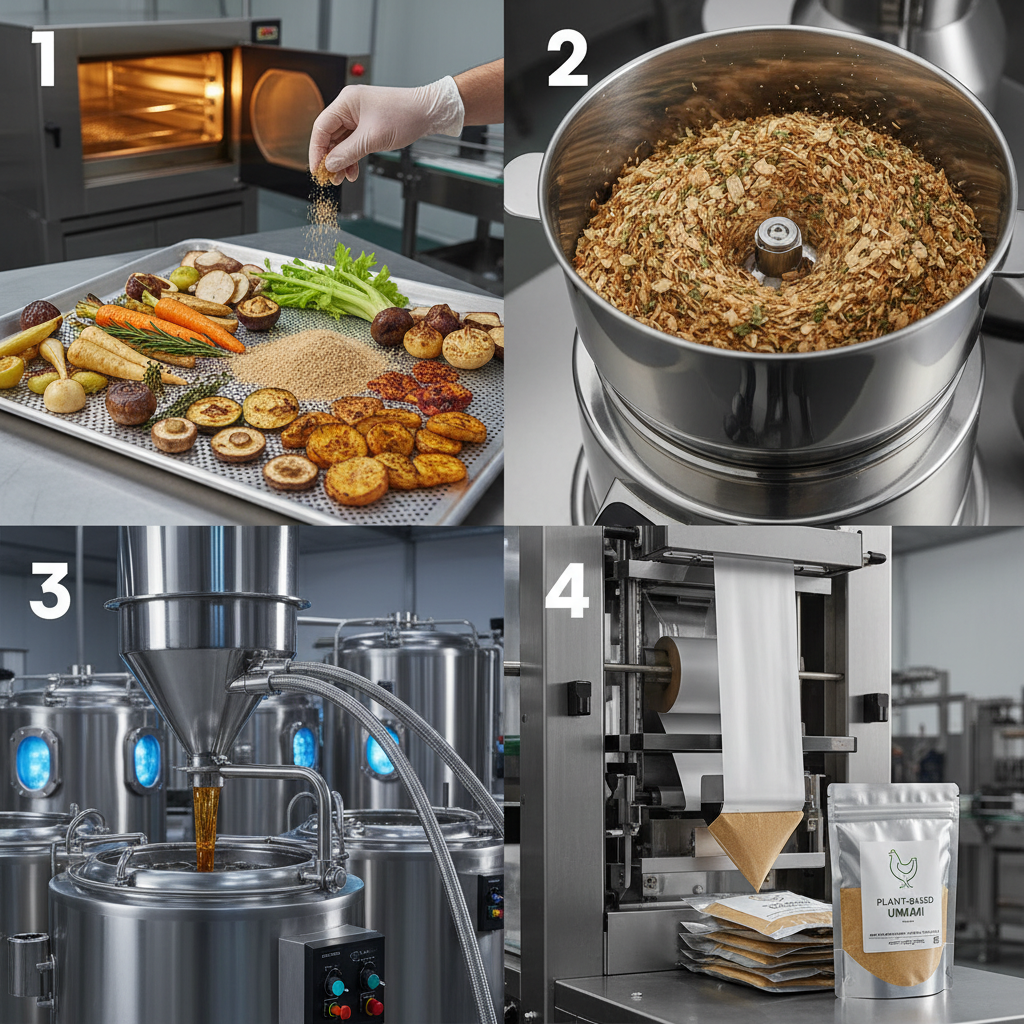
Additionally, sustainability is driving a shift toward alternative protein sources. We are seeing the emergence of hybrid broth powders that combine traditional chicken extracts with plant-based proteins. This not only lowers the carbon footprint of the product but also opens up new market segments for "flexitarian" consumers who still crave the classic taste of chicken broth.
Overcoming Technical Challenges in Production
One of the most persistent challenges in the production of chinese chicken broth powder is the phenomenon of hygroscopicity—the tendency of the powder to absorb moisture from the air. This can lead to caking and clumping, which renders the product unusable for automated systems. To combat this, manufacturers are employing advanced anti-caking agents and improved vacuum-sealed packaging.
Another hurdle is the loss of volatile aromatic compounds during the drying process. Traditional spray-drying can "burn off" the delicate notes of garlic and ginger. The solution lies in the adoption of low-temperature vacuum drying or freeze-drying, which preserves the cellular structure of the flavor molecules, resulting in a more vibrant and authentic taste profile upon reconstitution.
Finally, achieving a balanced sodium profile without sacrificing taste remains a delicate act. Through the use of potassium salts and flavor enhancers like nucleotide blends, food scientists are now able to reduce sodium content by up to 30% without a perceptible drop in the savory quality of the broth powder.
Technical Analysis of Broth Powder Production Methods
|
Processing Method
|
Flavor Retention
|
Solubility Rate
|
Production Cost
|
| Spray Drying |
Moderate (6/10) |
Excellent |
Low |
| Freeze Drying |
Superior (10/10) |
Very High |
Very High |
| Vacuum Drying |
High (8/10) |
Moderate |
Moderate |
| Drum Drying |
Low (4/10) |
Moderate |
Lowest |
| Agglomeration |
Moderate (7/10) |
Superior |
Moderate |
| Hybrid Process |
High (9/10) |
High |
High |
FAQS
While both provide a savory base, chinese chicken broth powder is specifically formulated for industrial scalability and authentic Asian flavor profiles. It typically features a more refined particle size for instant solubility and includes a specific blend of aromatics like white pepper and ginger, whereas standard bouillon is often a compressed cube designed for home use with a higher salt-to-flavor ratio.
Standard chinese chicken broth powder contains animal derivatives. However, many manufacturers now offer "chicken-style" plant-based versions using yeast extracts and hydrolyzed soy protein to mimic the umami profile. If you require a vegan alternative, you must specify a plant-based formulation that adheres to vegan certification standards while maintaining the same flavor intensity.
When stored in airtight, moisture-proof packaging in a cool, dry environment, high-quality broth powder typically remains stable for 12 to 24 months. The use of anti-caking agents and vacuum sealing is crucial to preventing degradation and maintaining the volatile aromatic compounds that provide the "fresh" chicken scent.
Yes, professional food additive manufacturers can customize the sodium content. By replacing a portion of the sodium chloride with potassium chloride or by enhancing the umami profile with natural nucleotides, it is possible to reduce sodium levels significantly without compromising the perceived saltiness or depth of the broth.
To prevent clumping, we recommend using an agglomerated version of the powder, which has larger, more porous granules. Additionally, ensuring that your storage silos are humidity-controlled and using a nitrogen-flushed packaging system will minimize moisture absorption and keep the powder free-flowing.
Freeze-drying is the gold standard for premium products. Because it removes water through sublimation at very low temperatures, it prevents the thermal degradation of delicate flavor molecules. This results in a powder that, when reconstituted, tastes almost identical to a fresh, slow-simmered chicken broth.
Conclusion
The integration of chinese chicken broth powder into modern food manufacturing represents the perfect intersection of tradition and technology. By condensing complex umami profiles into a stable, scalable format, this additive enables brands to deliver consistent, authentic taste experiences while drastically reducing operational waste and labor costs. From its core chemical components to the advanced drying techniques used in its production, every element is designed to ensure that "convenience" does not come at the cost of "quality."
As the industry moves toward clean-label ingredients and sustainable protein sources, the evolution of broth powders will continue to mirror global health trends. For manufacturers looking to stay competitive, the key lies in selecting a formulation that balances flavor intensity, solubility, and nutritional transparency. We invite you to explore how our specialized seasoning solutions can elevate your product line. Visit our website: www.chinaseasoning.com