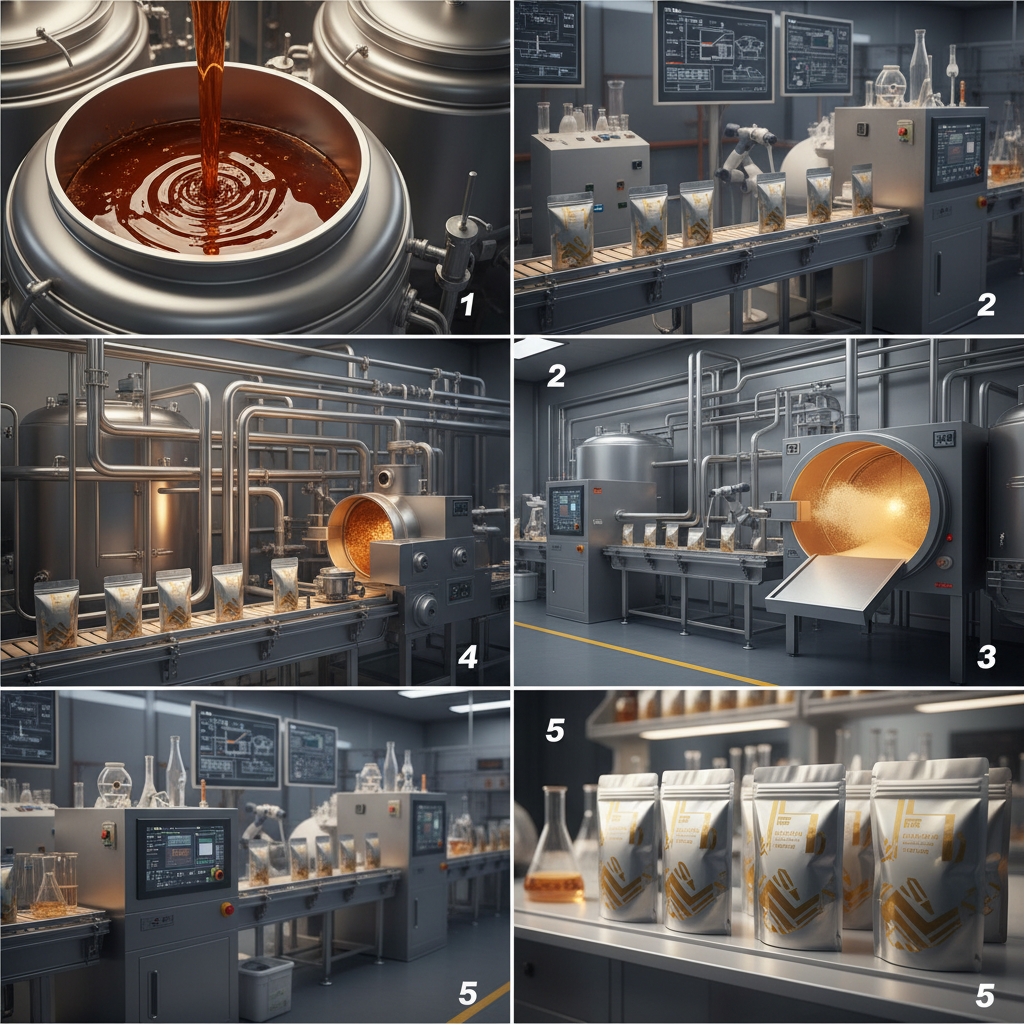
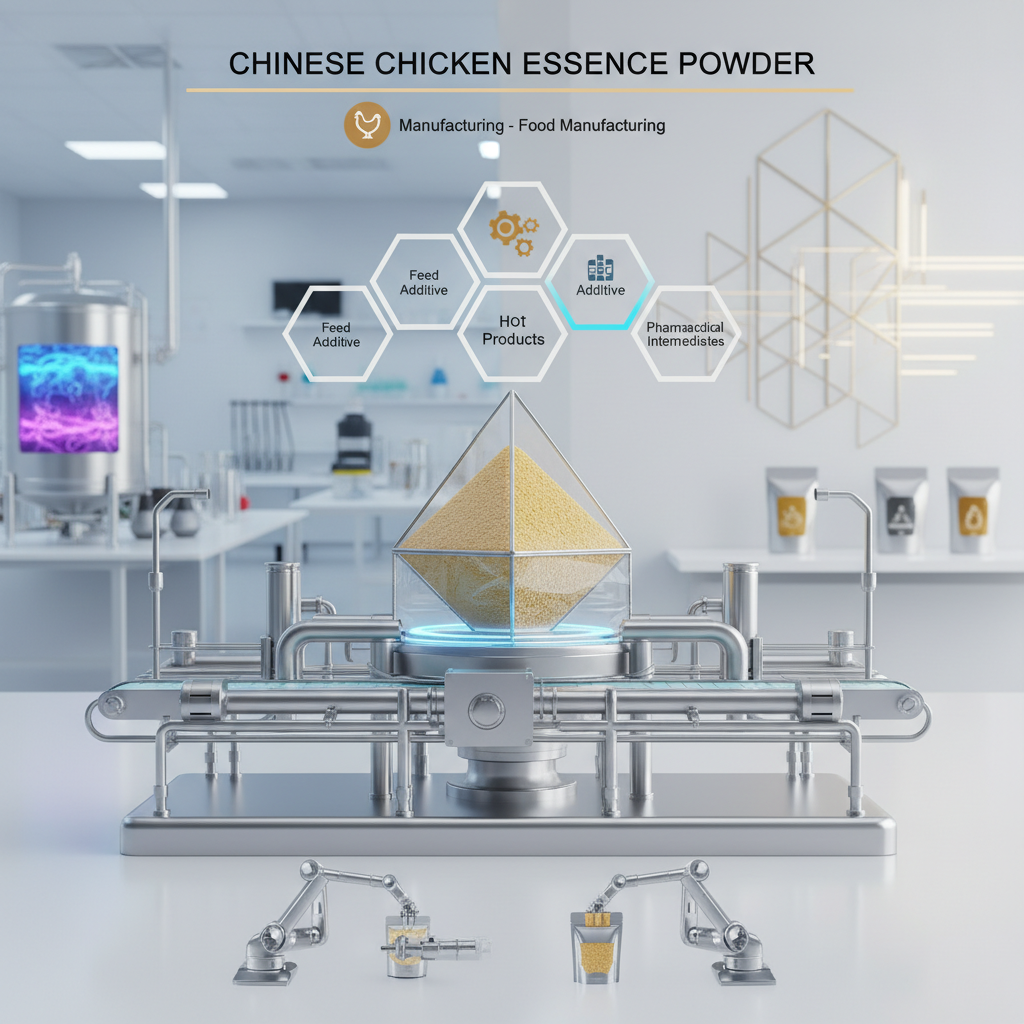
In the competitive landscape of global food manufacturing, the pursuit of authentic, deep-flavored umami has led to the widespread adoption of chinese chicken essence powder. This concentrated seasoning agent represents a fusion of traditional culinary wisdom and modern spray-drying technology, offering manufacturers a reliable way to standardize taste profiles across large-scale production. By distilling the core essence of chicken protein and amino acids, it provides a consistent sensory experience that is difficult to achieve through raw ingredients alone.
The global demand for convenient, high-quality flavor enhancers is surging, driven by the rapid growth of the ready-to-eat meal sector and the expanding food processing industries in Asia and beyond. For brands aiming to capture the "home-cooked" appeal in commercial products, chinese chicken essence powder serves as a critical bridge, reducing preparation time while maintaining the complex aromatic profile of slow-simmered poultry stocks.
Understanding the technical nuances of this additive—from its solubility and heat stability to its interaction with other food ingredients—is essential for R&D teams. As consumers shift toward cleaner labels and more efficient production cycles, the evolution of chinese chicken essence powder continues to shape how we perceive savory flavors in the modern industrial diet.
Global Market Context of Chinese Chicken Essence Powder
The global seasoning market has witnessed a paradigm shift toward concentrated powder formats, with chinese chicken essence powder leading the charge in the savory segment. According to recent food industry trends, the demand for standardized flavor bases has grown by nearly 5% annually, as manufacturers strive to meet ISO standards for consistency across international borders. The challenge lies in replicating the deep, biological complexity of traditional bone broths within a dry, shelf-stable medium.
In the context of the global supply chain, this powder addresses the logistical nightmare of transporting liquid stocks, which are prone to spoilage and high shipping costs. By converting the essence into a high-density powder, manufacturers can achieve a massive reduction in carbon footprints and storage overheads, ensuring that the authentic taste of traditional seasoning is accessible from New York to Nairobi.
Technical Definition and Compositional Meaning
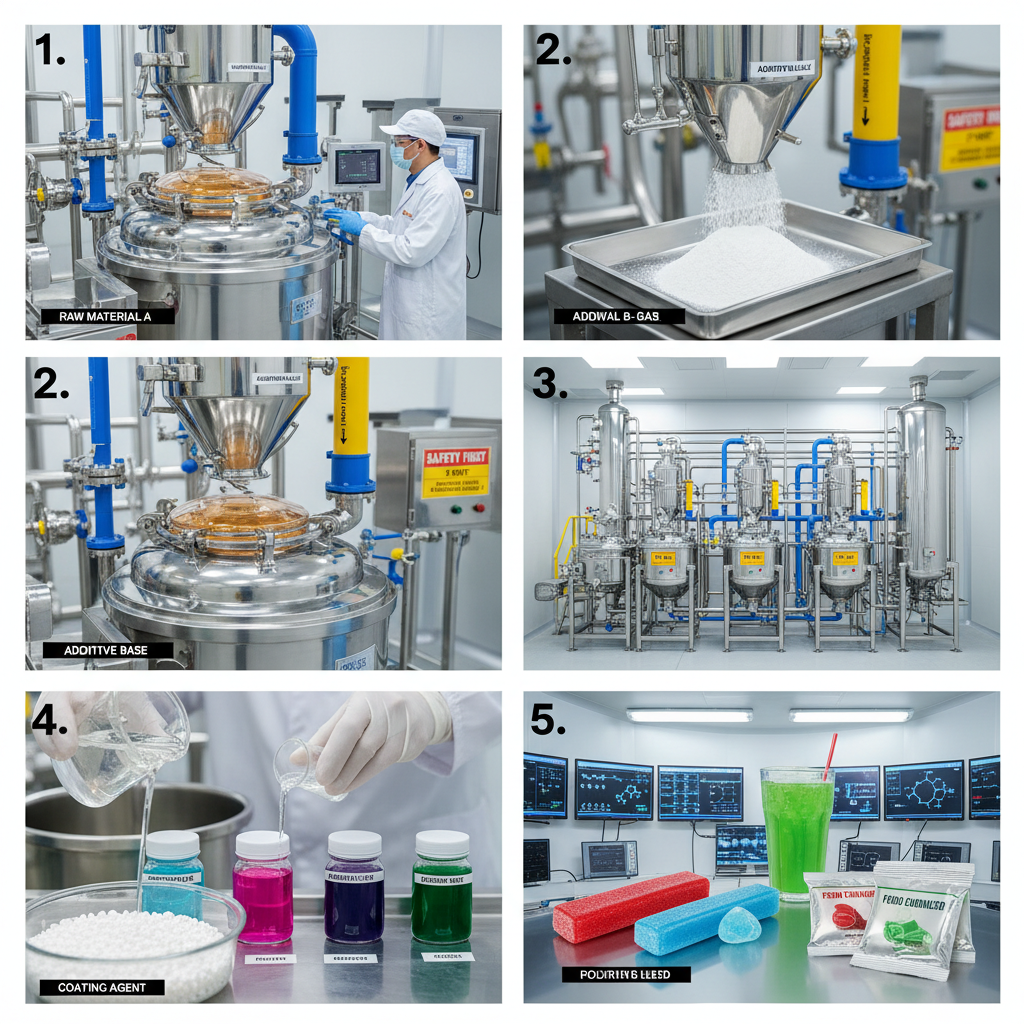
At its core, chinese chicken essence powder is a sophisticated food additive created through the hydrolysis of chicken protein combined with a precise blend of nucleotides and minerals. Unlike simple bouillon cubes, this essence powder is designed for high solubility and a clean finish, meaning it dissolves rapidly in hot liquids without leaving grittiness or unwanted sediment.
From an industrial perspective, it serves as a "flavor catalyst." It doesn't just add chicken taste; it enhances the existing savory notes of other ingredients in a recipe. This synergy is rooted in the presence of glutamic acid and inosine monophosphate (IMP), which trigger the umami receptors on the human tongue, creating a perception of richness and "body" in the final food product.
Modern humanitarian needs, particularly in the production of fortified emergency food rations, have also seen the integration of these powders. Because it provides an appetite-stimulating flavor and contains essential protein derivatives, it helps in improving the caloric intake and psychological satisfaction of populations in food-insecure regions.
Core Components for Industrial Quality
The effectiveness of chinese chicken essence powder is primarily determined by its Purity and Solubility. In high-end food manufacturing, the powder must be completely free of clumps and impurities to ensure that automated dosing systems do not clog. This requires advanced micronization techniques during the final grinding stage.
Aromatic Stability is the second pillar. Many powders lose their "fresh chicken" scent upon exposure to heat or oxygen. High-quality chinese chicken essence powder utilizes encapsulation technology to protect volatile aromatic compounds, ensuring the flavor remains potent from the factory floor to the consumer's plate.
Finally, Cost Efficiency and Scalability allow manufacturers to maintain margins. By optimizing the ratio of chicken extract to flavor enhancers, producers can create a product that offers maximum sensory impact at a minimal dosage, making it a sustainable choice for mass-market snack foods and instant soups.
Performance Metrics in Food Applications
When integrating chinese chicken essence powder into a production line, R&D teams measure success through "Umami Intensity" and "Aftertaste Cleanliness." A superior powder will provide a powerful initial hit of savory flavor that lingers pleasantly without leaving a chemical or overly salty residue on the palate.
Furthermore, the interaction of the powder with different heat treatments (boiling, baking, or frying) is critical. Some additives degrade at high temperatures, but the refined nature of this essence ensures that the chicken profile remains stable even in high-heat extrusion processes used for puffed snacks.
Efficiency Comparison of Chicken Essence Powder Variants
Diversified Global Use Cases
In Southeast Asian markets, chinese chicken essence powder is extensively used in the production of instant noodle seasoning packets. The powder's ability to dissolve instantly in boiling water makes it the gold standard for creating a rich, savory broth in seconds, catering to the fast-paced urban lifestyle.
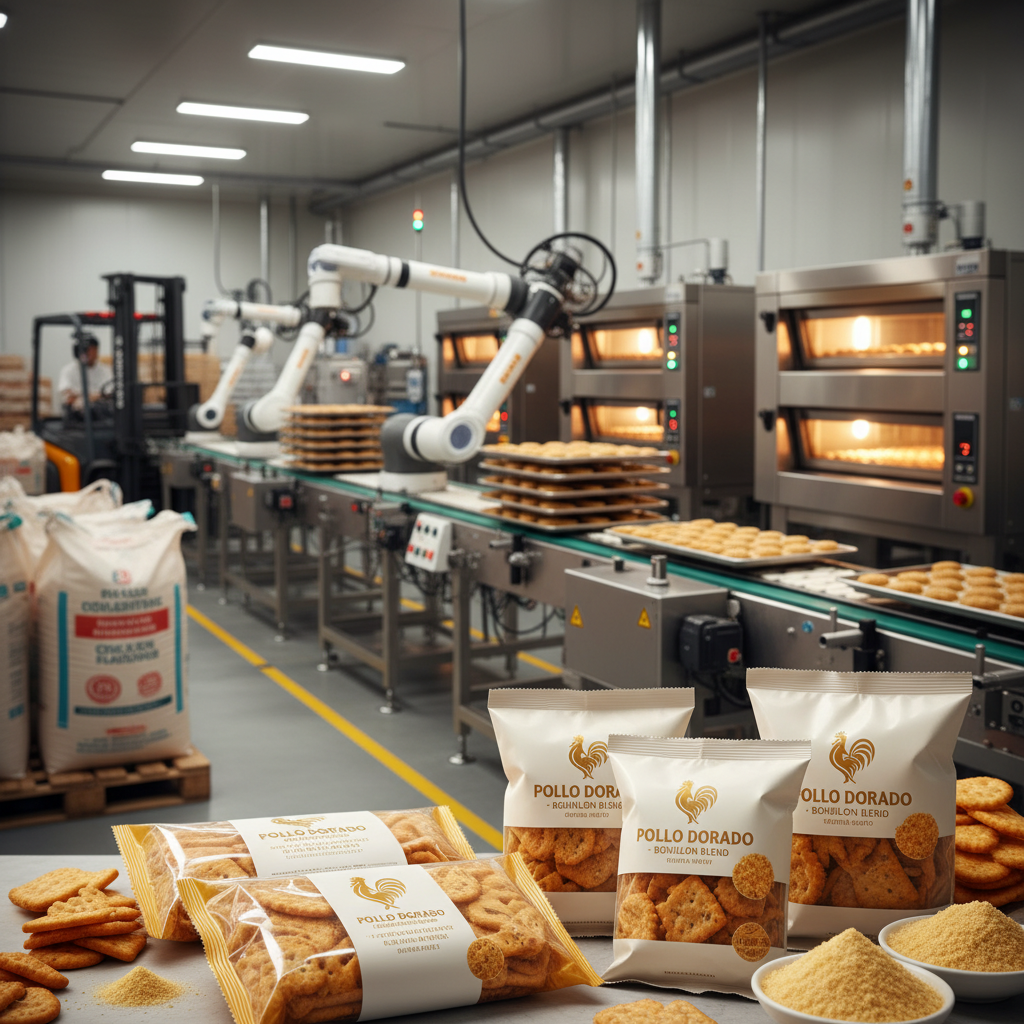
Beyond the Asian market, European and North American snack manufacturers utilize this essence in savory crackers and extruded corn puffs. In these applications, the powder is often applied as a surface coating, where its fine particle size ensures an even distribution of flavor, preventing "hot spots" of taste and ensuring every bite is consistent.
Long-Term Value and Sustainability
The long-term value of adopting chinese chicken essence powder lies in the dramatic reduction of raw material waste. Traditional chicken stock production involves massive amounts of water and energy for simmering; by utilizing a concentrated powder, plants can eliminate thousands of gallons of water usage and the energy required to heat it.
From a business perspective, the reliability of a standardized powder removes the volatility of natural raw material quality. Whether the chicken source varies by season or region, the essence powder provides a constant baseline, ensuring that a brand's signature taste never fluctuates, which is the cornerstone of consumer trust and loyalty.
Furthermore, the social impact is seen in the democratization of gourmet flavors. High-quality umami profiles, once reserved for expensive restaurant dishes, are now accessible in affordable, mass-produced foods, enhancing the dining experience for millions of consumers worldwide.
Future Innovations in Flavor Synthesis
The future of chinese chicken essence powder is moving toward "Clean Label" technology. Researchers are currently focusing on removing synthetic carriers like maltodextrin and replacing them with natural fibers or plant-based proteins, meeting the growing consumer demand for transparency and health.
Additionally, the integration of AI-driven flavor mapping is allowing chemists to tweak the amino acid profile of the powder to target specific regional preferences. For example, a "milder" version for the Japanese market versus a "bolder" version for West African cuisine can be engineered with molecular precision.
Sustainability is also evolving through the use of "upcycled" poultry by-products. By extracting essence from materials that would otherwise be waste, the industry is moving toward a circular economy, reducing the environmental footprint of flavor production without compromising on sensory quality.
Comparative Analysis of Essence Powder Evolution
|
Generation Phase
|
Core Technology
|
Flavor Profile
|
Market Adoption
|
| Traditional Bouillon |
Simple Dehydration |
Salty/Generic |
High (Home Use) |
| 1st Gen Essence |
Spray Drying |
Savory/Consistent |
Medium (Industrial) |
| 2nd Gen Essence |
Encapsulation |
Aromatic/Fresh |
High (Global Brands) |
| Clean Label Essence |
Enzymatic Hydrolysis |
Natural/Pure |
Rising (Premium) |
| Smart Essence |
AI Flavor Mapping |
Customized/Regional |
Emerging (Niche) |
| Upcycled Essence |
Circular Extraction |
Sustainable/Rich |
Future (Eco-centric) |
FAQS
The primary difference lies in the concentration and purity. While bouillon is often a mixture of salt, fats, and flavorings meant for home cooking, chinese chicken essence powder is a professional-grade additive focused on the molecular essence of chicken. It offers higher solubility, a more refined umami profile, and is specifically designed for seamless integration into industrial food processing without altering the texture of the product.
High-quality powders utilize micro-encapsulation technology. This process wraps the volatile aromatic compounds in a protective microscopic shell that only breaks down under specific conditions (like hydration or a certain temperature threshold). This prevents the chicken flavor from evaporating during the extrusion or baking processes, ensuring the final product tastes as intended.
Yes, there are specific "Clean Label" variants. These versions avoid synthetic flavor enhancers and artificial carriers, relying instead on natural enzymatic hydrolysis of chicken proteins and organic carriers. By selecting a high-purity essence, manufacturers can provide a rich taste while keeping the ingredient list simple and recognizable to health-conscious consumers.
The standard chinese chicken essence powder is derived from poultry. However, the "essence technology"—using nucleotides and specific amino acid ratios—can be applied to yeast extracts or mushroom bases to create "chicken-style" vegan powders. For true chicken essence, it is exclusively for non-vegetarian products.
Due to its hygroscopic nature (ability to absorb moisture), the powder should be stored in an airtight, cool, and dry environment. It is recommended to use moisture-proof foil packaging and keep the temperature below 25°C. In industrial settings, climate-controlled warehouses are essential to maintain the free-flowing properties of the powder.
Dosage varies by application; for instance, instant soups require a higher concentration than snack coatings. We recommend a "Step-Ladder" testing approach: start with a base concentration (usually 0.5% to 2% of total weight) and adjust in 0.1% increments. Consulting with a flavor chemist to analyze the "salt-to-umami" ratio of your base recipe is also highly recommended for optimal results.
Conclusion
The integration of chinese chicken essence powder into modern food manufacturing is more than just a convenience; it is a strategic move toward flavor standardization, cost reduction, and operational efficiency. By bridging the gap between traditional slow-cooked richness and the demands of high-speed industrial production, this additive ensures that quality and taste remain uncompromised regardless of scale.
Looking ahead, the trajectory of this industry points toward greater sustainability and molecular precision. As we embrace clean-label initiatives and circular economy practices, the role of high-performance seasonings will only grow. We encourage food manufacturers and R&D specialists to explore the potential of these advanced essences to elevate their product lines. Visit our website for more professional solutions: www.chinaseasoning.com