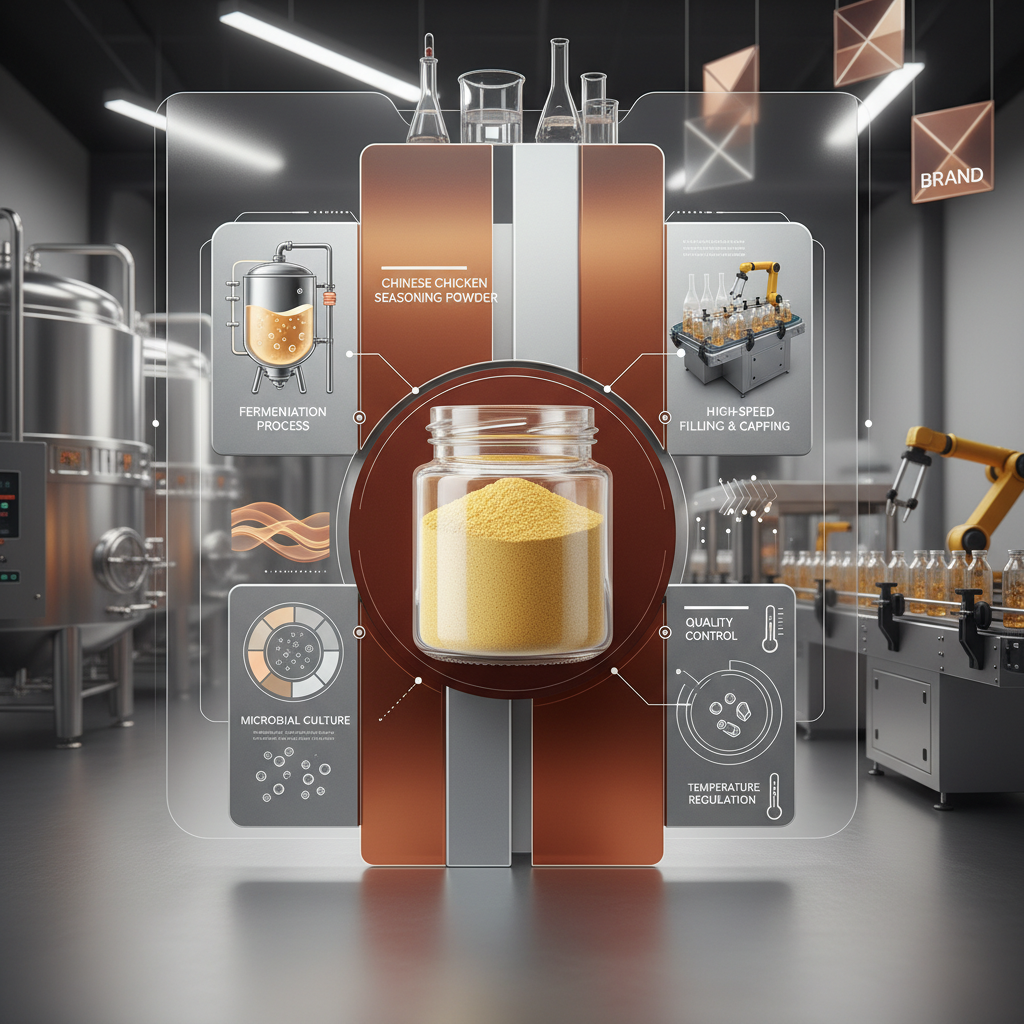
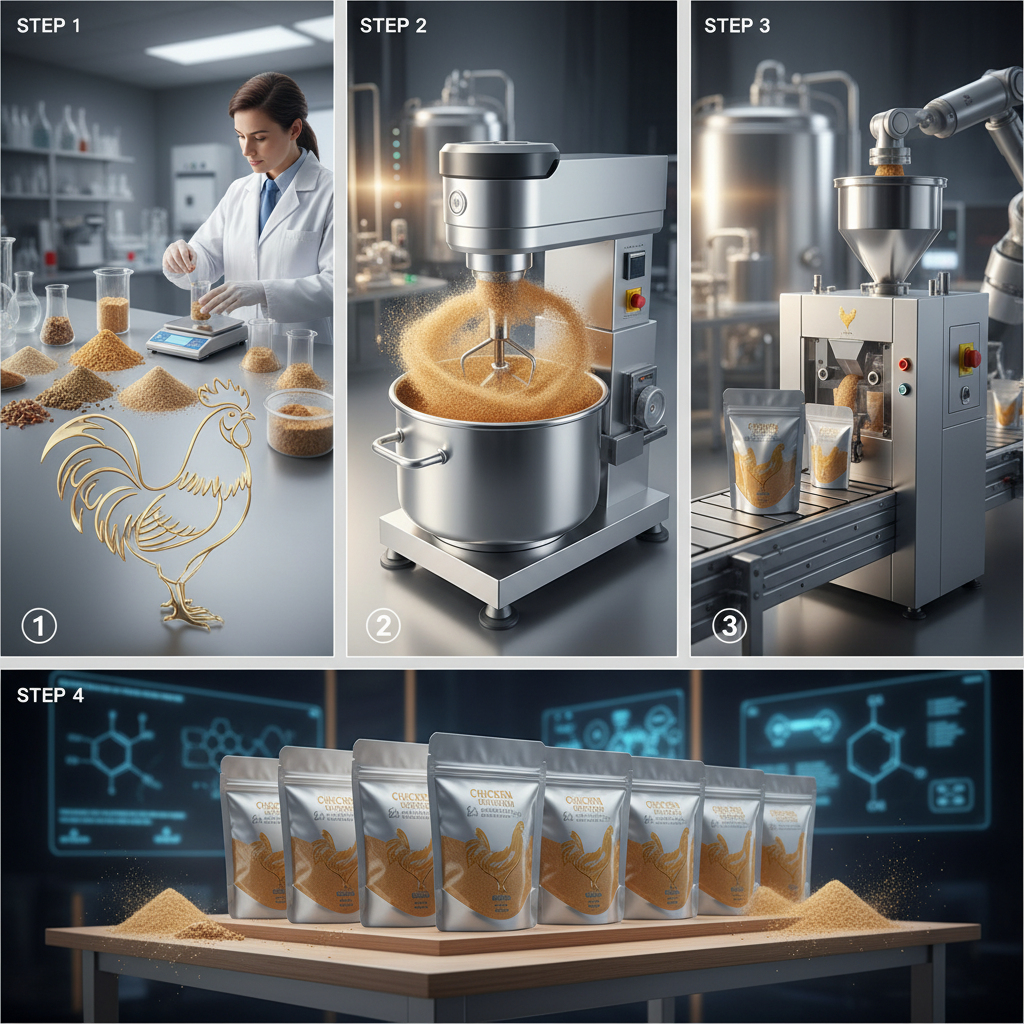
In the dynamic landscape of global food manufacturing, the demand for consistent, high-quality flavor profiles has led to the widespread adoption of specialized additives. Among these, chinese chicken seasoning powder stands out as a cornerstone ingredient, blending traditional culinary wisdom with modern food science to provide an authentic "umami" experience. This versatile powder allows manufacturers and chefs to achieve a standardized, rich poultry taste across diverse product lines, from instant noodles to frozen snacks.
The global food industry is currently facing a significant challenge: balancing the need for rapid production and cost-efficiency with the consumer's growing demand for authentic, complex flavors. Conventional seasonings often fall short in terms of stability and depth, leading to inconsistent taste profiles during large-scale industrial processing. The strategic integration of a high-grade chinese chicken seasoning powder addresses this gap by providing a stable, concentrated base that withstands high temperatures and varied pH levels.
Understanding the nuances of these seasonings is not merely about taste, but about optimizing the entire production chain. By utilizing advanced food additives, companies can reduce the reliance on expensive fresh ingredients while maintaining a premium sensory profile. This guide explores the technical composition, global applications, and future innovations surrounding this essential food additive, providing a comprehensive roadmap for industry professionals seeking to elevate their flavor formulations.
Global Market Context of Chinese Chicken Seasoning Powder
The global appetite for Asian-inspired flavors has surged over the last decade, driving a massive increase in the import and export of specialized flavor enhancers. According to trade data aligned with ISO food safety standards, the market for processed seasonings has seen a compound annual growth rate (CAGR) that reflects a shift toward convenience foods. chinese chicken seasoning powder has become a critical export, enabling food brands in Europe and North America to replicate the complex, savory notes of authentic Chinese cuisine without the need for intensive on-site preparation.
However, the industry faces a recurring hurdle: the volatility of raw material costs and the strict regulatory environment regarding additives. As global health organizations emphasize the reduction of sodium, manufacturers are tasked with redesigning their seasoning powders to maintain the same punchy flavor while adhering to new nutritional guidelines. This has led to a wave of innovation in the production of chinese chicken seasoning powder, focusing on cleaner labels and the use of natural yeast extracts to mimic traditional MSG profiles.
Defining the Composition of Chicken Seasoning
At its core, chinese chicken seasoning powder is a sophisticated blend of salt, flavor enhancers, maltodextrin, and dehydrated chicken extracts. Unlike simple salt mixtures, these powders are engineered through a process of spray-drying or granulation, which ensures that the flavor molecules are encapsulated. This encapsulation protects the volatile aromatic compounds from oxidizing, ensuring that the "chicken" scent remains potent from the factory to the consumer's plate.
From an industrial perspective, this product falls under the broader category of Food Additives. It serves as a bridge between raw ingredients and the final consumer experience. By integrating precise ratios of nucleotides and amino acids, the powder stimulates the taste buds in a way that creates a perceived "richness," which is essential for processed foods that might otherwise taste flat due to high-heat sterilization processes.
Furthermore, the role of this powder extends beyond mere flavor. It acts as a stabilizer in soups and sauces, contributing to the viscosity and mouthfeel of the final product. For pharmaceutical intermediates or specialized feed additives, similar chemical principles are applied, but for the food grade chinese chicken seasoning powder, the focus remains strictly on sensory excellence and food-safe compliance.
Core Technical Components for Flavor Stability
One of the primary technical drivers of a high-quality chinese chicken seasoning powder is its solubility and dispersion. In industrial settings, seasonings must dissolve rapidly in liquids without clumping. This is achieved through the careful selection of anti-caking agents and the optimization of particle size distribution, ensuring a seamless blend in large-scale vats.
Thermal Stability is another critical factor. Many food products undergo UHT (Ultra-High Temperature) processing or retort sterilization. A standard seasoning might lose its aromatic profile under these conditions, but a professional-grade chinese chicken seasoning powder is formulated to withstand heat, ensuring the flavor profile remains consistent even after intense industrial cooking.
Lastly, Umami Synergy is the secret to the product's success. By combining inosinates and guanylates with glutamate, the seasoning creates a synergistic effect that amplifies the savory taste. This allows manufacturers to use less overall seasoning to achieve a powerful impact, effectively reducing costs while enhancing the perceived quality of the chinese chicken seasoning powder.
Industrial Application and Scalability
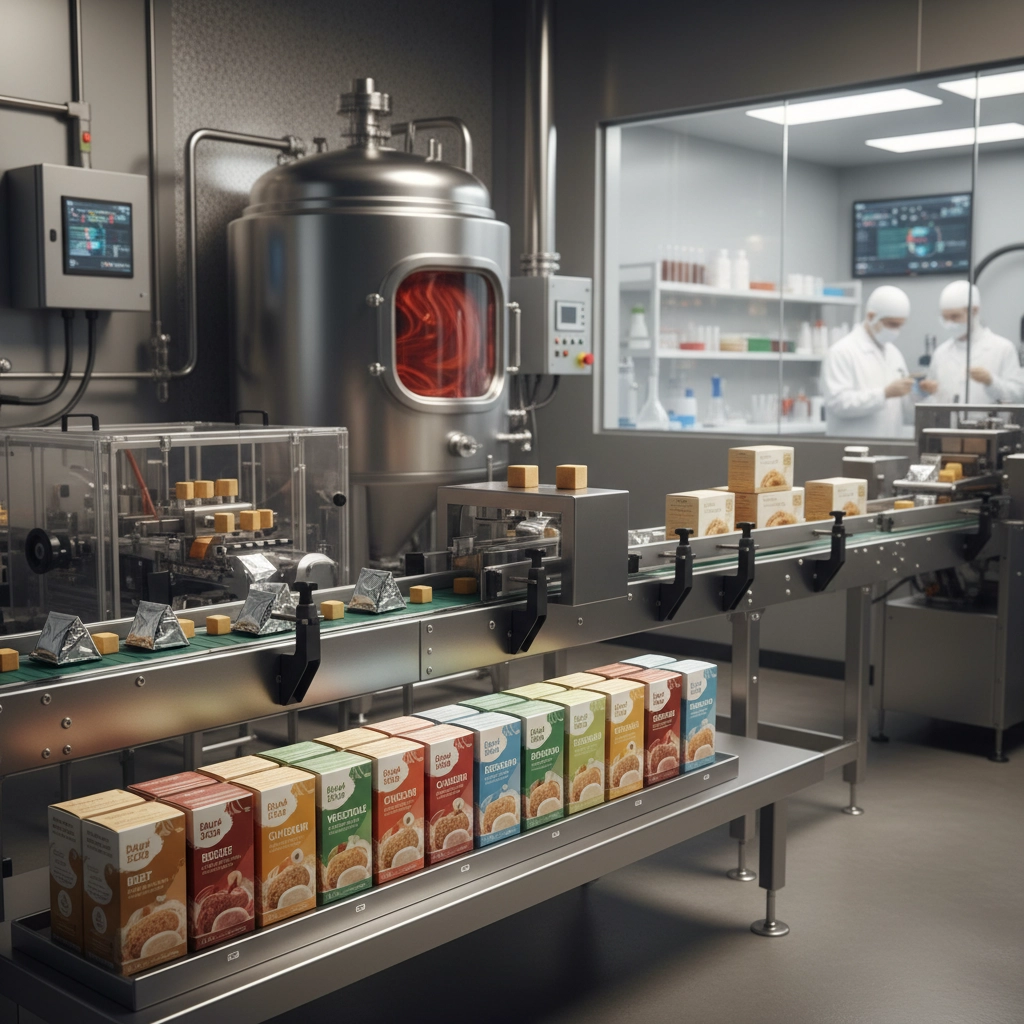
The scalability of chinese chicken seasoning powder makes it an indispensable tool for the FMCG (Fast-Moving Consumer Goods) sector. Whether it is being integrated into a 5-gram sachet for instant noodles or used in 1,000-liter batches for ready-to-eat meals, the consistency of the powder ensures that the brand's "signature taste" is never compromised. This reliability is what allows global franchises to maintain the same flavor profile across different continents.
In addition to convenience foods, this powder is increasingly used in the snack industry. For example, extruded corn puffs or potato chips are often coated with a fine mist of oil and chinese chicken seasoning powder to create a savory coating. The ability to control the salt-to-flavor ratio allows brands to target specific regional preferences, such as the saltier profiles preferred in some Asian markets versus the milder versions for European consumers.
Efficiency Comparison of Seasoning Application Methods
Global Use Cases and Regional Adaptations
The application of chinese chicken seasoning powder varies significantly by region. In Southeast Asia, it is frequently blended with lemongrass and galangal to create localized poultry bases. In contrast, the North American market often sees the powder used in "Asian-style" frozen appetizers, where the emphasis is on a balance between sweet and savory, requiring a slight modification of the powder's glucose content.
Beyond commercial food production, these powders play a role in institutional catering. In large-scale university or corporate cafeterias, using a standardized chinese chicken seasoning powder ensures that thousands of meals are served with the same taste profile, regardless of the chef's individual experience. This democratization of flavor allows high-quality culinary experiences to be delivered at a massive scale and low cost.
Long-term Value and Economic Advantages
From a financial perspective, the adoption of chinese chicken seasoning powder offers significant cost-reduction opportunities. The cost of sourcing, transporting, and storing fresh chicken for flavor extraction is immense. By switching to a concentrated powder, companies reduce their cold-chain logistics costs and eliminate the waste associated with perishable raw materials.
Furthermore, the use of a stabilized powder increases the shelf-life of the final product. Because the seasoning is dehydrated and contains controlled moisture levels, it prevents microbial growth and oxidation. This allows manufacturers to expand their export reach, shipping products to distant markets without fearing flavor degradation or spoilage.
Beyond the numbers, there is a value of "trust and consistency." When a consumer buys a product flavored with chinese chicken seasoning powder, they expect a specific taste. Delivering that consistency builds brand loyalty, which is the most valuable long-term asset any food company can possess in a competitive global market.
Future Trends in Food Additive Innovation
The future of chinese chicken seasoning powder is leaning heavily toward "Clean Label" technology. Consumers are increasingly scrutinizing ingredient lists, leading to a demand for natural alternatives to synthetic flavor enhancers. We are seeing a rise in the use of fermentation-derived proteins and mushroom extracts to replicate the deep savory notes of chicken without using traditional additives.
Digital transformation is also impacting the production side. AI-driven flavor profiling is now used to analyze consumer preferences in real-time, allowing manufacturers to tweak the formulation of their chinese chicken seasoning powder to match emerging trends. This "precision seasoning" ensures that products remain relevant in a rapidly shifting culinary landscape.
Sustainability is the final pillar of innovation. New production methods focus on reducing the carbon footprint of spray-drying and sourcing ingredients from sustainable poultry farms. The integration of green energy in the manufacturing plants producing chinese chicken seasoning powder is not just an ethical choice but a regulatory necessity as carbon taxes become more common in the global trade of food additives.
Comparative Analysis of Seasoning Powder Formulations
| Formulation Type |
Flavor Intensity |
Shelf Stability |
Production Cost |
| Standard Industrial |
High |
Excellent |
Low |
| Premium Natural |
Medium-High |
Good |
High |
| Low-Sodium Variant |
Medium |
Excellent |
Medium |
| Organic Certified |
Medium |
Fair |
Very High |
| Concentrated Umami |
Very High |
Excellent |
Medium |
| Hybrid Blend |
High |
Good |
Medium |
FAQS
While both provide chicken flavor, chinese chicken seasoning powder is specifically engineered for versatility in Asian culinary applications, often containing a more complex blend of umami enhancers and a finer particle size for better integration into snacks and instant noodles compared to traditional bouillon cubes.
To maintain stability, look for powders that use encapsulation technology. Professional chinese chicken seasoning powder is designed to resist volatilization during UHT or retort processing, ensuring that the aromatic profile remains intact after heating.
Standard versions may contain additives, but many manufacturers now offer "Natural" variants of chinese chicken seasoning powder. These use yeast extracts and natural chicken concentrates to achieve the same flavor profile without synthetic MSG, meeting clean label requirements.
When stored in a cool, dry place in airtight packaging, high-quality chinese chicken seasoning powder typically has a shelf life of 12 to 24 months. Proper moisture control is key to preventing clumping and flavor degradation.
Yes, industrial manufacturers can adjust the ratios of salt, sugar, and specific spices within the chinese chicken seasoning powder to cater to regional preferences, such as increasing the sweetness for certain East Asian markets or reducing sodium for Western markets.
Importing requires compliance with the destination country's food safety laws (e.g., FDA in the US, EFSA in Europe). Ensure your supplier provides a complete Certificate of Analysis (COA) and MSDS for the chinese chicken seasoning powder to facilitate customs clearance.
Conclusion
The integration of chinese chicken seasoning powder into modern food manufacturing represents a perfect synergy of traditional flavor and industrial efficiency. By solving the challenges of consistency, cost, and scalability, this additive has enabled food brands to deliver authentic, high-quality savory experiences to millions of consumers worldwide. From the technical precision of umami synergy to the economic benefits of reduced logistics, the value of a professional seasoning base is undeniable in today's competitive market.
Looking ahead, the industry will continue to evolve toward sustainability and health-conscious formulations. Companies that embrace natural alternatives and precision-engineered flavor profiles will lead the next wave of food innovation. Whether you are a small-scale producer or a global food conglomerate, investing in high-grade chinese chicken seasoning powder is a strategic move toward ensuring product excellence and consumer loyalty. Visit our website for more professional solutions: www.chinaseasoning.com