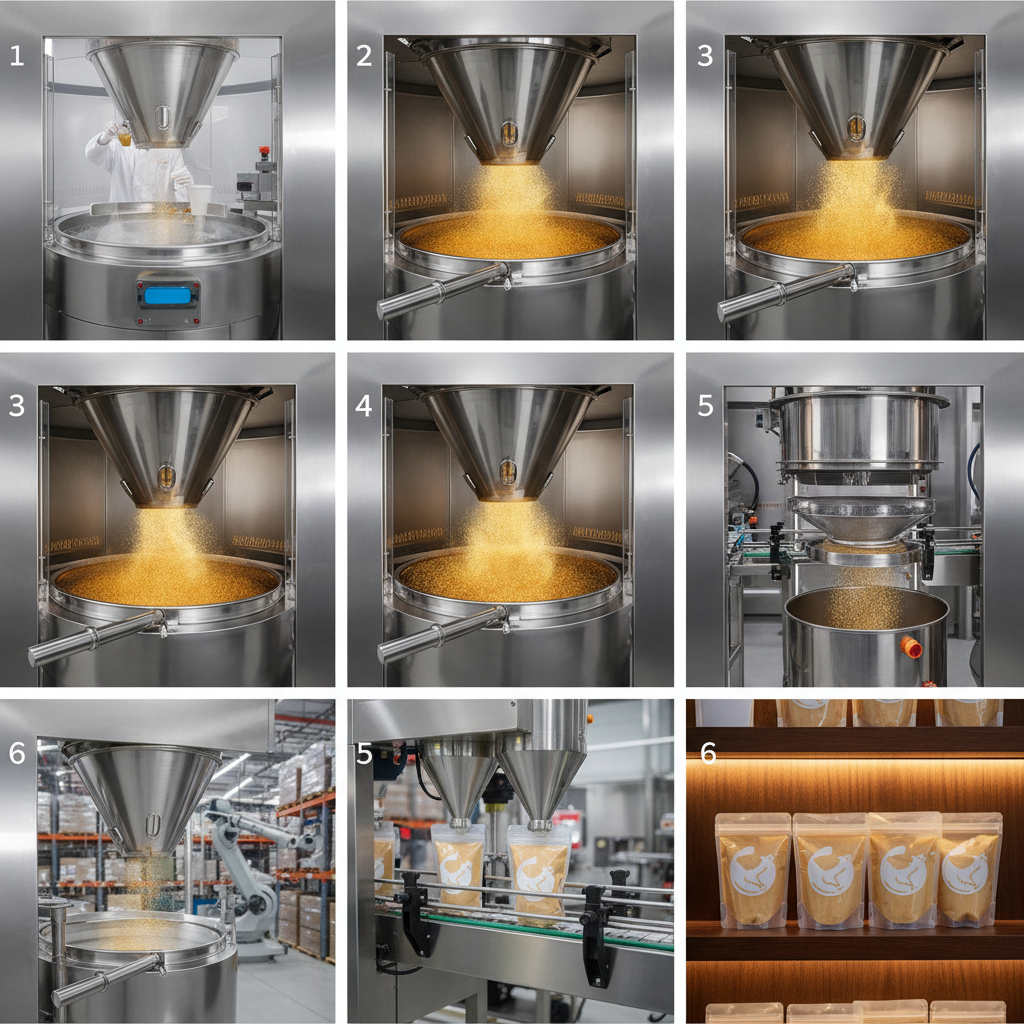
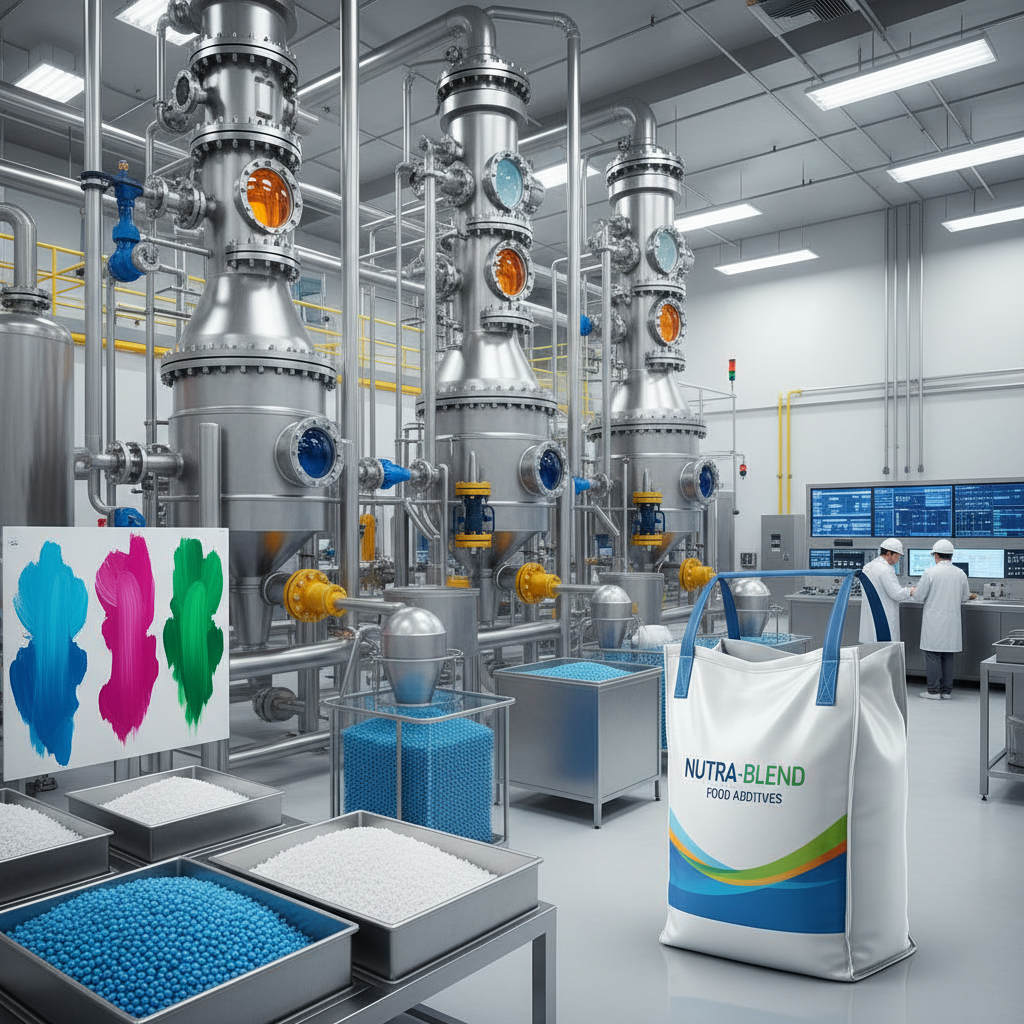
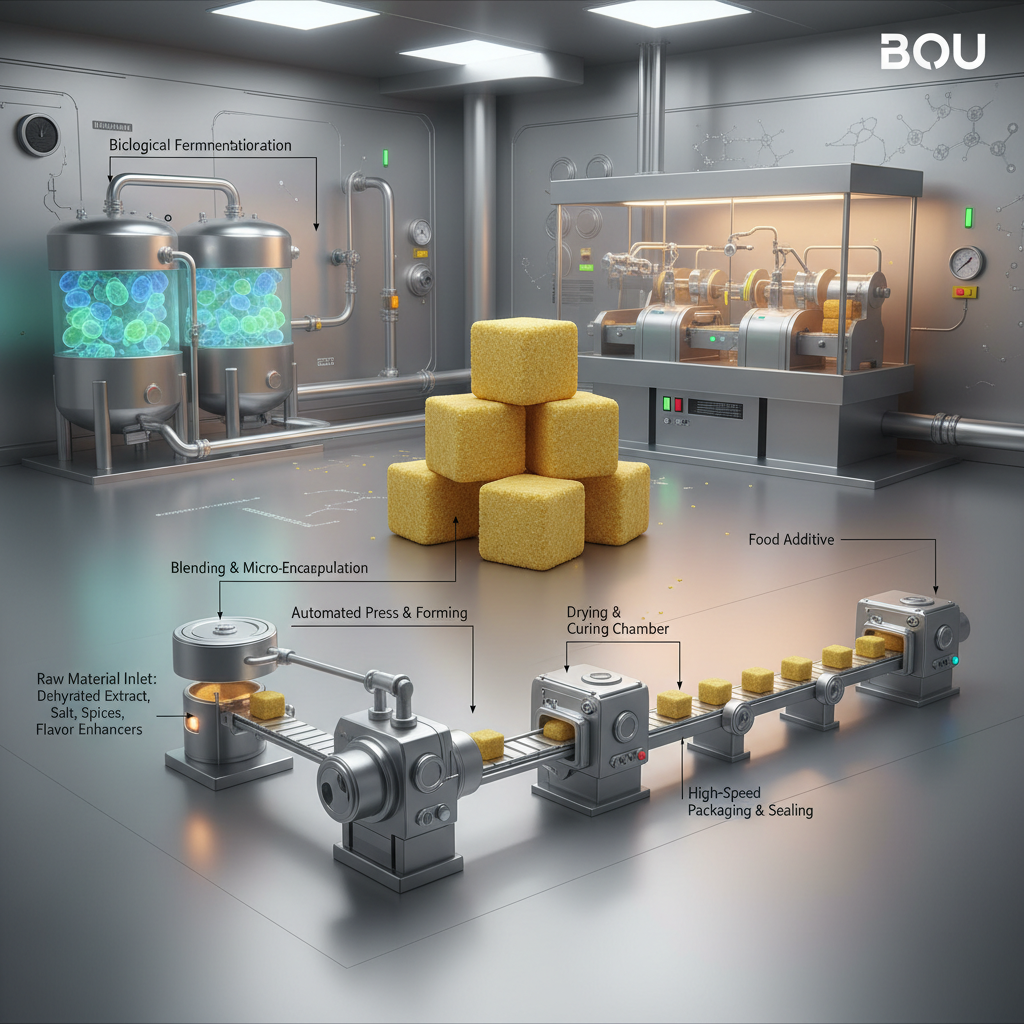
In the fast-paced world of modern culinary arts and industrial food production, chinese chicken powder has emerged as a cornerstone ingredient for achieving consistent, savory depth in a wide variety of dishes. This versatile seasoning, blending concentrated chicken essence with a precise mix of salts and flavor enhancers, allows chefs and manufacturers to replicate the complex taste of long-simmered broths in a fraction of the time.
Globally, the demand for high-quality flavor enhancers is surging as the convenience food market expands across Asia, Europe, and the Americas. The strategic use of chinese chicken powder not only optimizes production costs but also ensures that the "umami" profile—the savory fifth taste—remains uniform across different batches and geographic regions, meeting the rigorous expectations of contemporary consumers.
Understanding the technical composition and application of this additive is essential for those in the food manufacturing sector. By mastering the balance between natural extracts and functional additives, producers can create products that are not only delicious but also meet international food safety standards, ultimately driving growth in the global food additive market.
Global Market Relevance of Chinese Chicken Powder
The global appetite for convenient, flavor-dense food solutions has positioned chinese chicken powder as a vital commodity in the international trade of food additives. As urbanization increases, the reliance on ready-to-eat meals and instant soups has grown exponentially. According to industrial trends aligned with ISO quality standards, the standardization of taste is a primary challenge for multinational food chains; a powder-based seasoning solves this by providing a precise, scalable formula.
Furthermore, the economic efficiency of using concentrated powders over fresh stocks reduces logistics costs and waste. In many developing markets, where cold-chain infrastructure is lacking, the stability of chinese chicken powder allows for long-term storage without compromising the organoleptic properties of the final dish, making it a strategic tool for food security and industrial scalability.
Defining the Composition of Chinese Chicken Powder
At its core, chinese chicken powder is a dehydrated seasoning agent designed to mimic the taste of a slow-cooked chicken stock. It typically consists of a blend of maltodextrin, salt, flavor enhancers (such as MSG or I+G), sugar, and concentrated chicken extract. The goal is to achieve a synergistic effect where each ingredient amplifies the others, creating a rich, savory profile that is instantly soluble in water.
Beyond simple taste, the "Chinese" aspect of this powder often refers to the specific balance of seasonings—sometimes including subtle notes of garlic, onion, or ginger—that align with East Asian flavor profiles. This makes it an indispensable tool for producing authentic-tasting Asian cuisine on a commercial scale, bridging the gap between traditional home cooking and industrial efficiency.
In the context of modern food science, this product is classified as a complex food additive. It addresses the humanitarian and commercial need for affordable, nutrient-dense flavorings in regions where fresh protein sources might be expensive or unavailable, ensuring that the psychological satisfaction of a "hearty meal" is accessible to a broader population.
Core Components for Maximum Flavor Impact
The effectiveness of chinese chicken powder depends heavily on its solubility and purity. High-grade powders use spray-drying technology to ensure that the particles are uniform, allowing them to dissolve instantly in hot liquids without clumping, which is critical for automated industrial mixing processes.
Umami synergy is the "secret sauce" of chinese chicken powder. By combining glutamates with ribonucleotides, the perceived intensity of the chicken flavor is multiplied several times over. This chemical interaction allows manufacturers to use lower levels of actual chicken extract while maintaining a powerful, satisfying taste.
Stability and shelf-life are the final pillars. The use of anti-caking agents ensures that the chinese chicken powder remains a free-flowing powder even in humid environments, which is a significant technical requirement for exports to tropical regions like Southeast Asia and South America.
Industrial Efficiency and Cost-Effectiveness
From a manufacturing perspective, integrating chinese chicken powder into a production line drastically reduces the "time-to-table." Instead of spending 12 to 24 hours simmering bones and aromatics, a facility can achieve a consistent flavor profile in seconds. This leads to a massive reduction in energy consumption and water usage, aligning with modern green manufacturing goals.
The cost-benefit analysis is clear: by reducing labor and utility overheads, companies can lower the retail price of their end products. Whether it is for instant noodles, frozen dim sum, or commercial sauces, the precision of the powder format eliminates the variability associated with fresh ingredients, ensuring that the 1,000th batch tastes exactly like the first.
Comparative Efficiency of Chinese Chicken Powder Formulations
Global Applications and Commercial Use Cases
The versatility of chinese chicken powder allows it to transcend traditional boundaries. In the food service industry, it is used as a "base" for a myriad of sauces and gravies, providing a reliable foundation that chefs can customize. In the FMCG (Fast-Moving Consumer Goods) sector, it is the primary seasoning for bouillon cubes and instant soup sachets distributed globally.
Beyond commercial kitchens, the powder finds critical use in large-scale catering for institutional settings, such as hospitals and school cafeterias, where nutritional consistency and cost control are paramount. In some remote industrial zones or disaster relief operations, these powders provide a vital way to add flavor and satiety to basic grains, significantly improving the morale and dietary experience of people in challenging environments.
Long-Term Value in Food Sustainability
When evaluating the long-term value of chinese chicken powder, one must consider the reduction in food waste. By utilizing concentrated extracts, the industry can maximize the utility of raw poultry materials, ensuring that every part of the resource is used efficiently to create flavor. This lean approach to production is a key driver of sustainability in the food additive sector.
Moreover, the reliability of these seasonings fosters trust between manufacturers and consumers. When a brand can guarantee a consistent taste experience regardless of where the product is purchased, it builds long-term brand loyalty. This stability is an emotional anchor for consumers who seek comfort and familiarity in their food choices.
From a logical standpoint, the transition toward more refined, cleaner-label versions of chinese chicken powder shows an industry evolving with the consumer. By reducing artificial dyes and optimizing salt levels, the product continues to offer high value while aligning with global health trends, ensuring its relevance for decades to come.
Future Trends in Seasoning Innovation
The future of chinese chicken powder is being shaped by the "Clean Label" movement. Consumers are increasingly demanding transparency in ingredients, leading to the development of powders that use natural yeast extracts and fermented proteins to replace synthetic flavor enhancers. This digital transformation in recipe formulation allows for "precision seasoning," where powders are tailored to specific regional palates using AI-driven taste analysis.
Automation in the manufacturing process is also playing a huge role. New spray-drying and freeze-drying technologies are allowing for the preservation of more volatile aromatic compounds, meaning the next generation of chinese chicken powder will smell and taste even closer to fresh, home-cooked broth.
Lastly, sustainability will drive the adoption of plant-based "chicken" powders. Using advanced fermentation and plant-protein hydrolysis, manufacturers are creating vegan alternatives that provide the exact same umami profile as traditional powders, opening up massive new market segments in the health-conscious and ethical eating sectors.
Technical Comparison of Chicken Powder Innovation Tiers
| Technology Tier |
Flavor Profile |
Clean Label Score |
Production Cost |
| Traditional Spray-Dried |
Strong, Consistent |
4/10 |
Very Low |
| Enzyme-Hydrolyzed |
Deep, Savory |
6/10 |
Medium |
| Freeze-Dried Premium |
Fresh, Aromatic |
8/10 |
High |
| Plant-Based Analog |
Clean Umami |
9/10 |
Medium-High |
| Low-Sodium Hybrid |
Balanced, Mellow |
7/10 |
Medium |
| AI-Optimized Blend |
Customized/Targeted |
7/10 |
Medium |
FAQS
Chinese chicken powder is typically a more refined, free-flowing powder that offers faster solubility and a specific flavor profile tailored to East Asian cuisine. While bouillon cubes are compressed and often contain higher fat levels, the powder allows for more precise dosage and easier integration into industrial mixing processes, providing a cleaner, more consistent umami base.
Absolutely. It is specifically designed for scalability. Its high solubility and long shelf-life make it ideal for automated production lines. By replacing fresh stocks with chinese chicken powder, manufacturers can ensure taste uniformity across millions of units, significantly reducing waste and labor costs associated with traditional broth preparation.
Quality is ensured through strict adherence to international standards such as ISO 22000 and HACCP. Reputable suppliers provide detailed Certificates of Analysis (COA) and MSDS documents. Testing for heavy metals, microbial contamination, and purity of flavor enhancers is a standard part of the quality control process to ensure the product is safe for global consumption.
Yes, most professional food additive manufacturers offer OEM services. Whether you need a low-sodium version, a non-MSG variant, or a specific salt-to-flavor ratio to match your brand's taste profile, experts can adjust the composition of the chinese chicken powder to meet your exact specifications.
When stored in a cool, dry place in original airtight packaging, high-quality chicken powder typically has a shelf life of 12 to 24 months. The inclusion of food-grade anti-caking agents prevents clumping and ensures the product remains usable throughout its lifespan, making it highly efficient for international shipping and long-term warehousing.
Yes, the industry is moving toward "vegetable-based chicken flavor." By using hydrolyzed vegetable proteins (HVP) and yeast extracts, manufacturers can recreate the exact savory notes of chinese chicken powder without using animal products, catering to the growing global demand for plant-based and vegan diets.
Conclusion
In summary, chinese chicken powder represents more than just a convenience; it is a sophisticated tool of food engineering that balances taste, cost, and efficiency. From its complex umami synergy to its role in reducing industrial waste, this additive has become indispensable for maintaining flavor consistency in a globalized food market.
As we look toward a future of cleaner labels and sustainable proteins, the evolution of seasoning technology will continue to push the boundaries of what is possible in food manufacturing. We recommend that businesses embrace these innovations to stay competitive, ensuring they provide high-quality, delicious products that meet the evolving health and ethical standards of the modern consumer. Visit our website for more information: www.chinaseasoning.com