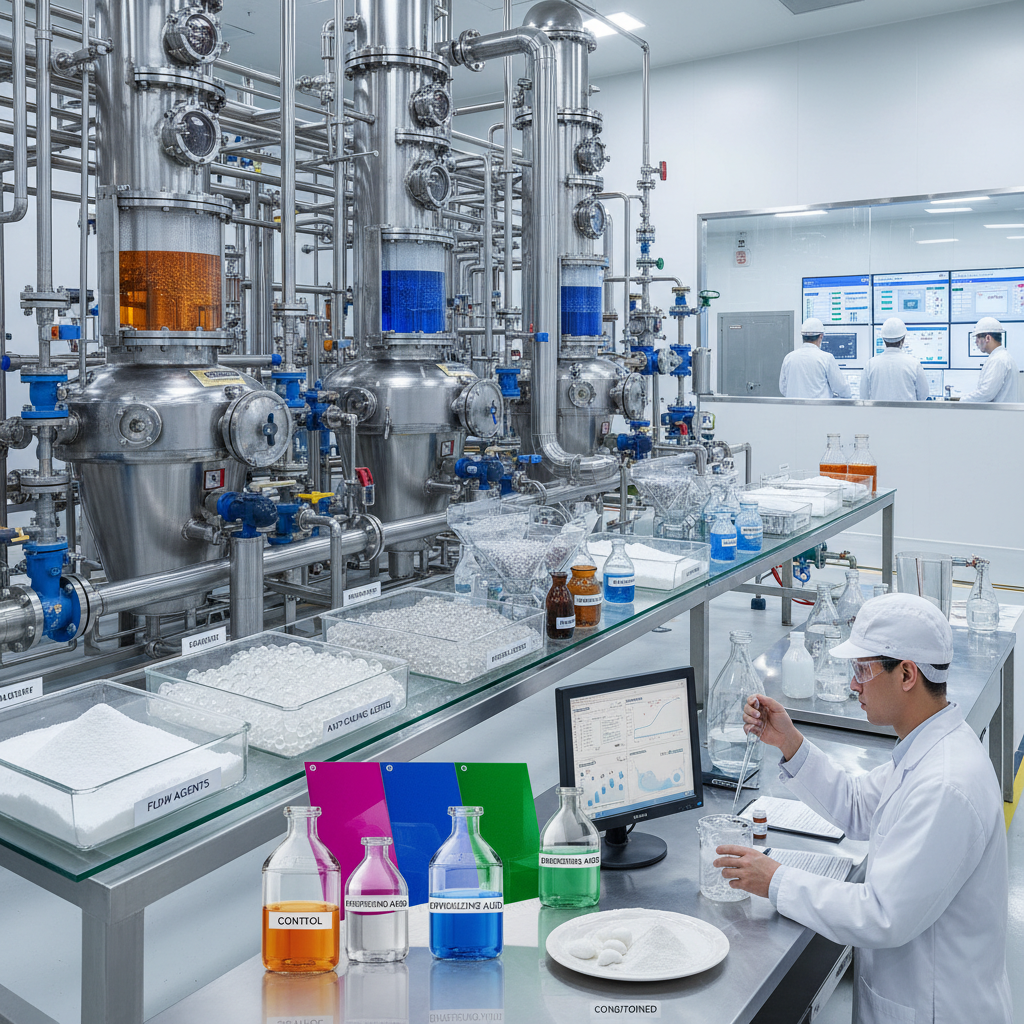
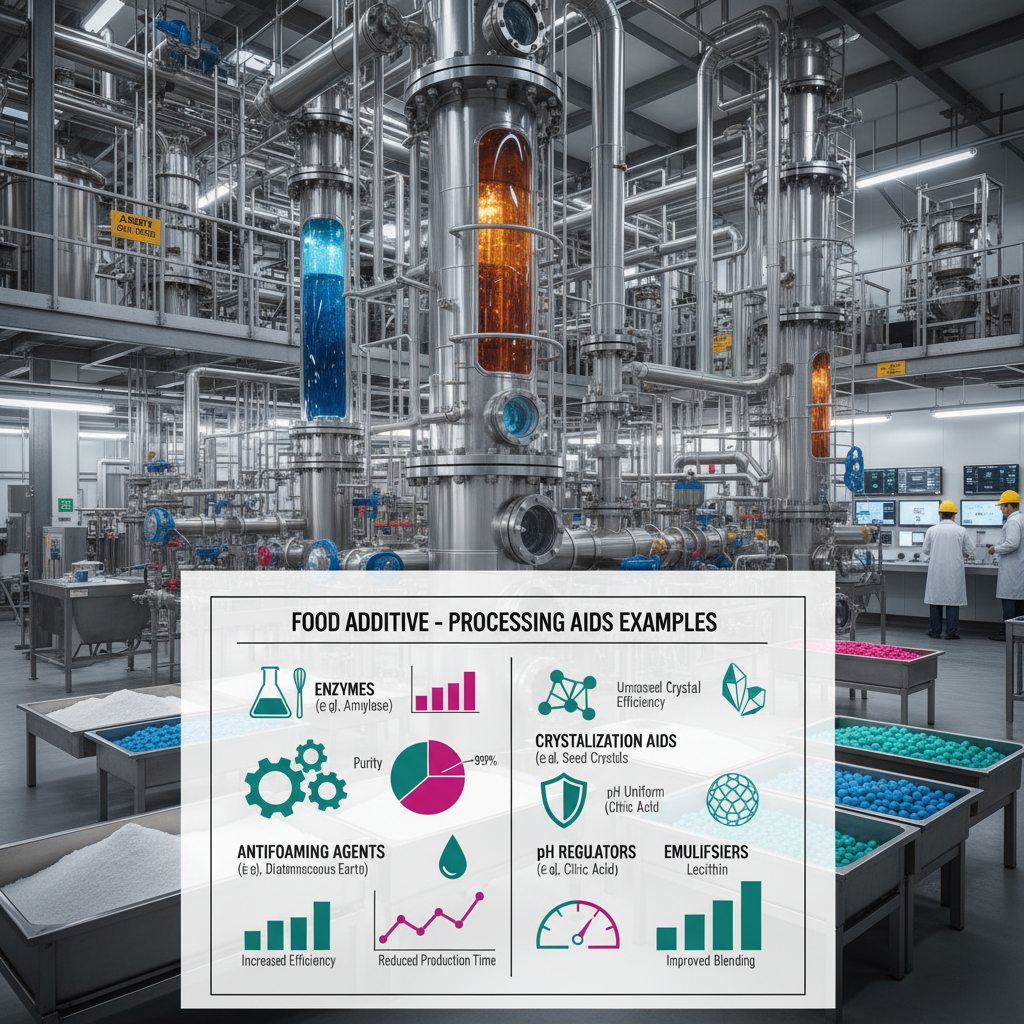
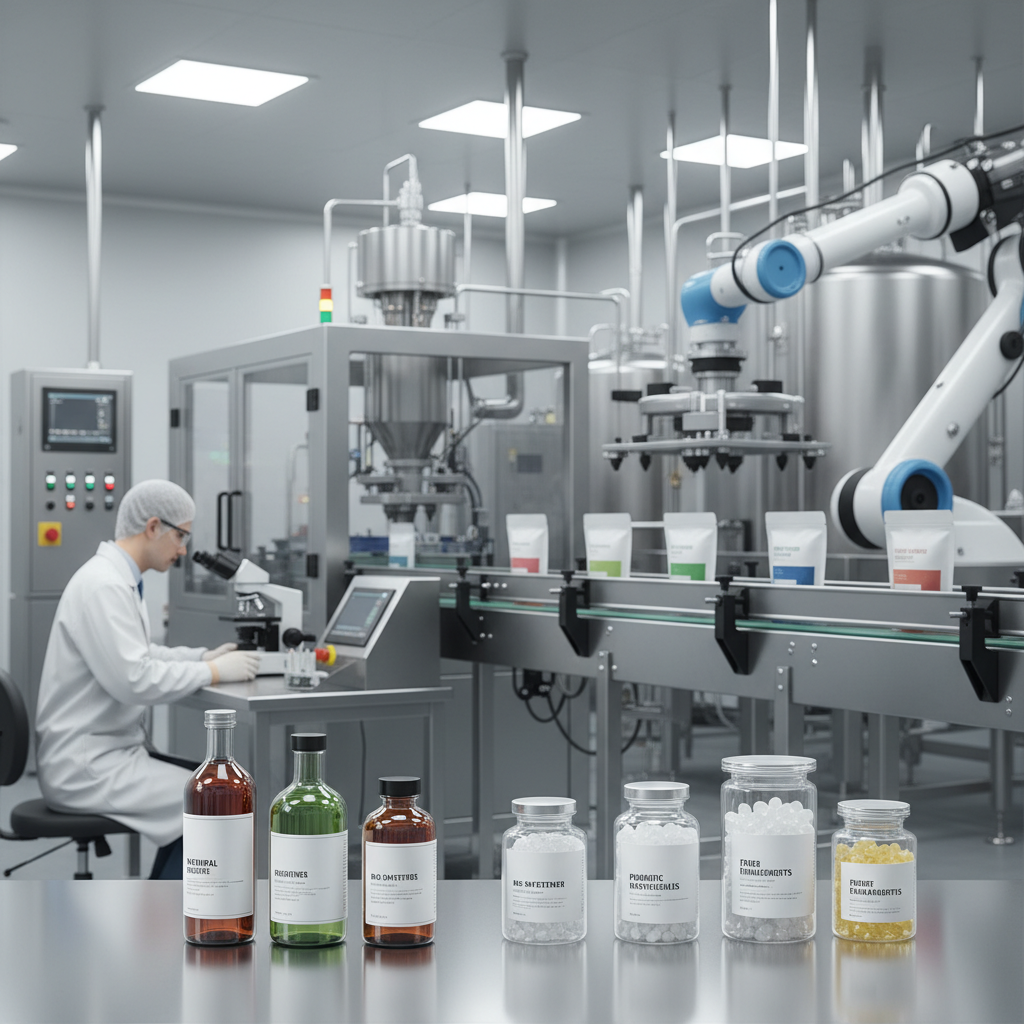
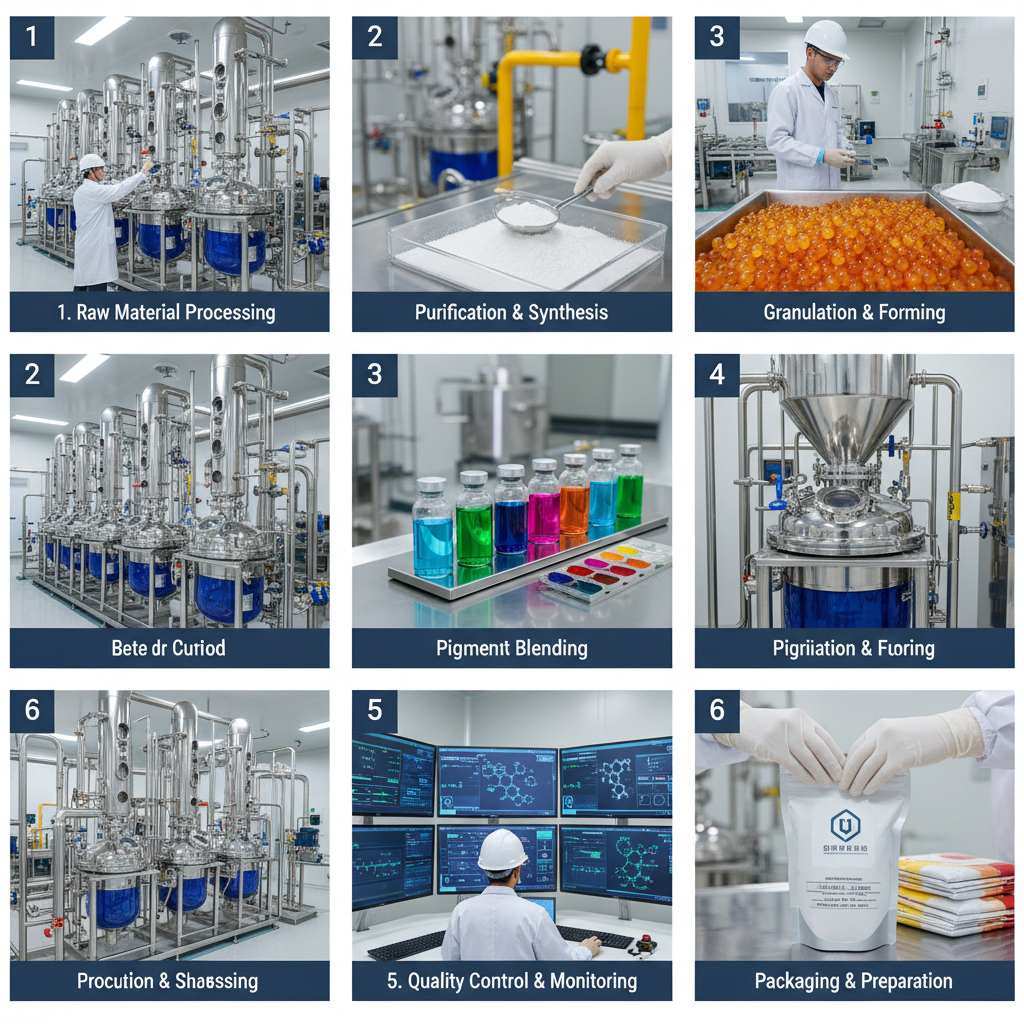
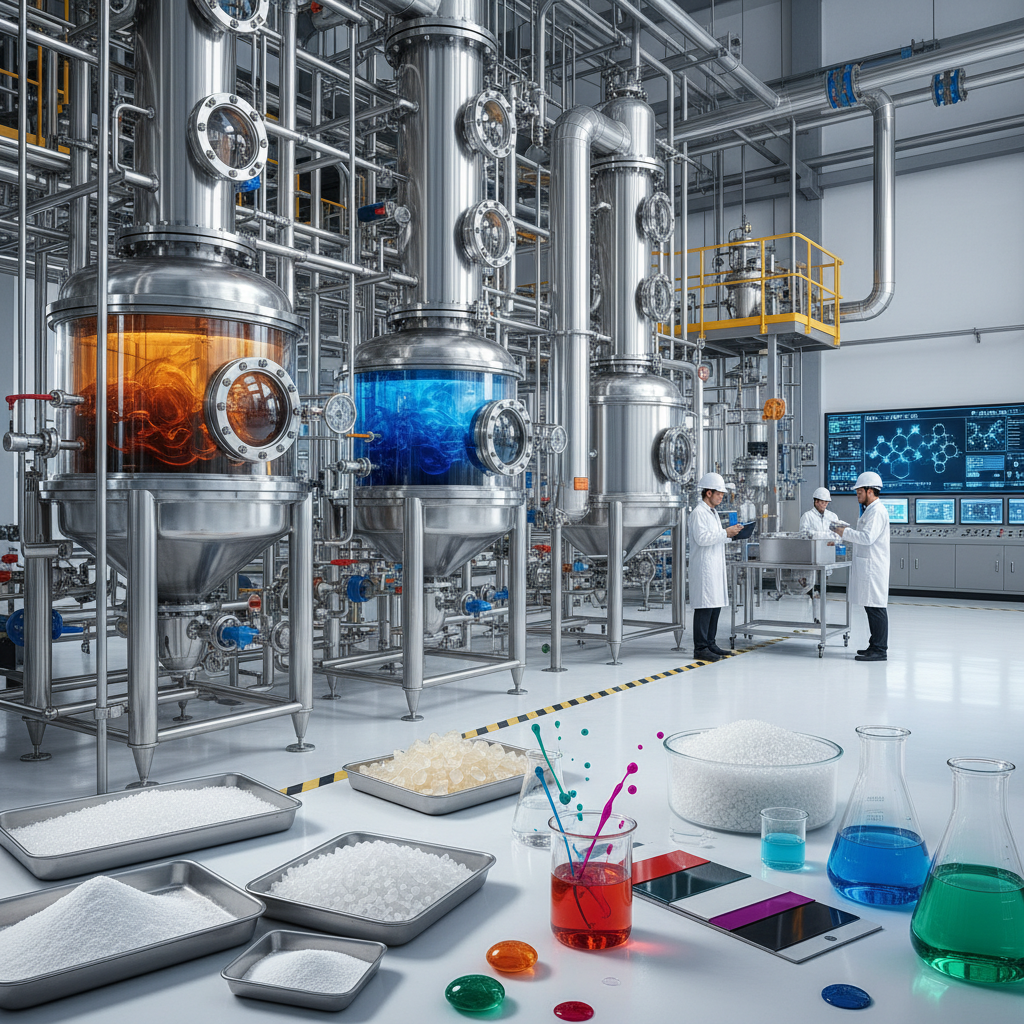
In the complex landscape of modern food and pharmaceutical manufacturing, the efficiency of production often hinges on subtle yet critical components known as processing aids. Understanding various processing aids examples is essential for manufacturers who aim to optimize product texture, stability, and purity without altering the final nutritional profile of the end product.
From a global perspective, the strategic use of these substances ensures that large-scale production remains economically viable while meeting stringent safety standards. Whether it is a clarifying agent in beverage production or a solvent in pharmaceutical synthesis, the correct application of these tools prevents costly batch failures and enhances the overall quality of Feed Additives and Food Additives.
By diving deep into practical processing aids examples, industry professionals can better navigate the thin line between additive requirements and process optimization. This guide provides a comprehensive look at how these agents function, their regulatory implications, and how they drive innovation in the manufacturing of high-purity intermediates.
Defining Processing Aids in Industrial Manufacturing
At its core, a processing aid is a substance used during the manufacture of a product to achieve a specific technical effect, but which is either removed or remains in the final product in an insignificant amount. When we examine processing aids examples, we are looking at tools that facilitate reactions, prevent sticking, or clarify liquids, rather than ingredients intended to provide flavor or nutrition.
Unlike traditional food additives, processing aids are not intended to perform a technological function in the finished product. This distinction is crucial for labeling and regulatory compliance, as it allows manufacturers to optimize their workflows using specialized chemicals—such as catalysts or filtration aids—without cluttering the ingredient list, provided the residue is negligible.
Global Relevance and Industrial Context
The global food and pharmaceutical sectors are under immense pressure to increase yields while reducing waste. According to ISO standards and global manufacturing benchmarks, the integration of sophisticated processing aids can reduce production cycle times by up to 15-20%. In an era of supply chain volatility, the ability to refine processes using precise chemical aids is not just a luxury but a competitive necessity.
The challenge lies in the diversity of global regulations. For instance, a substance considered a processing aid in one region may be classified as a food additive in another. This regulatory fragmentation forces manufacturers of pharmaceutical intermediates and feed additives to maintain rigorous documentation to prove that their processing aids examples are effectively removed or neutralized during the production cycle.
Moreover, as the world shifts toward "Clean Label" trends, the industry is searching for biological or natural alternatives to synthetic aids. The move toward enzymatic processing aids, for example, allows for higher specificity and lower energy consumption, addressing both environmental concerns and consumer demand for transparency.
Core Components of Effective Processing Aids
The selection of processing aids examples depends on several technical dimensions. First is Selectivity; the aid must target a specific impurity or reaction phase without affecting the desired product. High selectivity ensures that the purity of Pharmaceutical Intermediates remains uncompromised throughout the synthesis process.
Secondly, Removability is paramount. An ideal processing aid must be easily separable from the final matrix through filtration, distillation, or precipitation. When analyzing processing aids examples like activated carbon for decolorization, the success of the aid is measured by how completely it can be filtered out after it has adsorbed the unwanted pigments.
Finally, Stability and Compatibility ensure that the aid does not degrade under processing temperatures or react unexpectedly with other components. This is especially critical in the manufacture of Feed Additives, where temperature fluctuations during extrusion can lead to the degradation of unstable aids, potentially introducing unwanted by-products into the animal nutrition chain.
Practical Applications Across Different Sectors
In the real world, processing aids are applied in diverse contexts to solve specific physical or chemical hurdles. For example, in the production of refined oils, diatomaceous earth serves as a filtration aid, trapping microscopic impurities that would otherwise pass through standard filters. Similarly, in the synthesis of pharmaceutical intermediates, phase-transfer catalysts act as processing aids by allowing reactants in immiscible phases to interact, drastically increasing reaction rates.
Beyond the lab, these agents are vital in remote industrial zones where raw materials may vary in quality. By using standardized processing aids examples, manufacturers can normalize the input quality, ensuring that the final food or feed additive meets international grade specifications regardless of the origin of the raw ingredients.
Efficiency Impact of Various Processing Aids Examples
Advantages and Long-Term Value Creation
The implementation of high-quality processing aids examples offers more than just immediate technical gains; it creates long-term economic value. By reducing the amount of wasted raw materials and lowering the energy required for purification, companies can significantly decrease their operational expenditure (OPEX) while improving their environmental footprint.
From a brand perspective, the use of these aids enhances reliability and trust. When a pharmaceutical intermediate is produced with consistent purity levels thanks to precise processing aids, the downstream drug manufacturer can trust the safety and efficacy of their product. This reliability fosters strong B2B relationships and ensures compliance with global health and safety mandates.
Future Trends in Processing Aid Technology
The future of processing aids is leaning heavily toward "Green Chemistry." We are seeing a surge in the development of bio-based processing aids, such as plant-derived surfactants and microbial enzymes, which replace traditional petroleum-based chemicals. These innovations allow for "milder" processing conditions, such as lower temperatures and neutral pH, which preserves the integrity of sensitive food and pharma ingredients.
Digital transformation is also playing a role. The integration of AI-driven sensors allows manufacturers to monitor the concentration of processing aids in real-time. This prevents over-dosage and optimizes the timing of the removal phase, ensuring that the residue of processing aids examples is kept to the absolute minimum required for the process.
Furthermore, the rise of continuous manufacturing (as opposed to batch processing) is demanding a new generation of immobilized processing aids. These are aids that are chemically bonded to a solid support, allowing the product stream to flow over them without the aid ever entering the product, effectively eliminating the need for a separate removal step.
Challenges and Expert Solutions in Implementation
One of the primary challenges in utilizing processing aids is the risk of "carry-over," where traces of the aid remain in the final product above the permissible limit. This can lead to regulatory non-compliance or unexpected allergic reactions in consumers. To solve this, experts recommend implementing rigorous validated cleaning procedures and utilizing high-sensitivity analytical methods like HPLC to detect residual aids.
Another common hurdle is the cost of high-purity aids. While cheaper alternatives exist, they often introduce more impurities into the process. The professional approach is to conduct a Total Cost of Ownership (TCO) analysis, recognizing that a more expensive, high-efficiency aid can actually lower costs by reducing the number of purification steps needed.
Finally, training staff to distinguish between additives and processing aids is critical for accurate documentation. Establishing a clear internal classification system and maintaining a detailed "Processing Aid Ledger" helps companies breeze through ISO and FDA audits by providing a clear audit trail of how each aid was used and removed.
Comparative Analysis of Common Processing Aids Examples by Application
| Aid Category |
Primary Function |
Removal Method |
Efficiency Score |
| Clarifiers (e.g., Bentonite) |
Removing proteins/haze |
Centrifugation |
8/10 |
| Filter Aids (e.g., Diatomite) |
Preventing filter clogging |
Mechanical Filtration |
9/10 |
| Catalysts (e.g., Palladium) |
Accelerating synthesis |
Chemical Precipitation |
10/10 |
| Defoamers (e.g., Silicone) |
Controlling surface foam |
Surface Skimming |
7/10 |
| Solvents (e.g., Ethanol) |
Extraction/Solubilization |
Evaporation |
8/10 |
| Enzymes (e.g., Pectinase) |
Breaking down polymers |
Heat Denaturation |
9/10 |
FAQS
The primary difference lies in the final function. A food additive is intended to perform a technological function in the finished product (e.g., preserving or coloring), and must be listed on the label. A processing aid, however, is used only during the manufacturing process to facilitate production and is either removed or remains in negligible quantities, meaning it often does not require labeling.
Processing aids used in food and pharma are strictly regulated. However, their "safety" is based on the fact that they are either removed entirely or present at levels that are toxicologically insignificant. Manufacturers must ensure that any residual amount of a processing aid falls within the safety limits established by bodies like the FDA or EFSA.
You must provide technical documentation showing that the substance performs no technological function in the final product and provide analytical data (such as lab reports) proving that residues are below the legal threshold. A clear process flow chart highlighting the "Addition" and "Removal" steps is also essential for audit success.
Yes, many enzymes are classic processing aids examples. For instance, enzymes used to clarify fruit juice are added to break down pectin; once the juice is clarified and pasteurized, the enzyme is denatured by heat and no longer active, thus serving as a processing aid rather than a final ingredient.
If a processing aid remains in significant quantities and continues to perform a function in the final product, it is legally reclassified as an additive. This requires an immediate change in product labeling and a new safety assessment to ensure the concentration is safe for the consumer.
For pharma intermediates, catalysts (like platinum or palladium) and specialized solvents are most common. The "best" aid is one that maximizes yield and purity while being easily removable through standard industrial processes like vacuum distillation or recrystallization, ensuring zero contamination of the active pharmaceutical ingredient (API).
Conclusion
In summary, the strategic application of processing aids examples is a cornerstone of efficient modern manufacturing. By understanding the critical balance between functionality and removability, producers of Food Additives, Feed Additives, and Pharmaceutical Intermediates can significantly enhance their product purity and operational margins. From the use of clarifying agents to the implementation of advanced catalysts, these tools allow for a level of precision that traditional ingredients alone cannot provide.
Looking forward, the industry must embrace the transition toward bio-based and digitally monitored processing aids to align with global sustainability goals. We encourage manufacturers to regularly audit their process flows and explore greener alternatives to ensure long-term compliance and competitiveness in an evolving market. For high-quality industrial solutions and expert guidance on additives, visit our website: www.chinaseasoning.com.