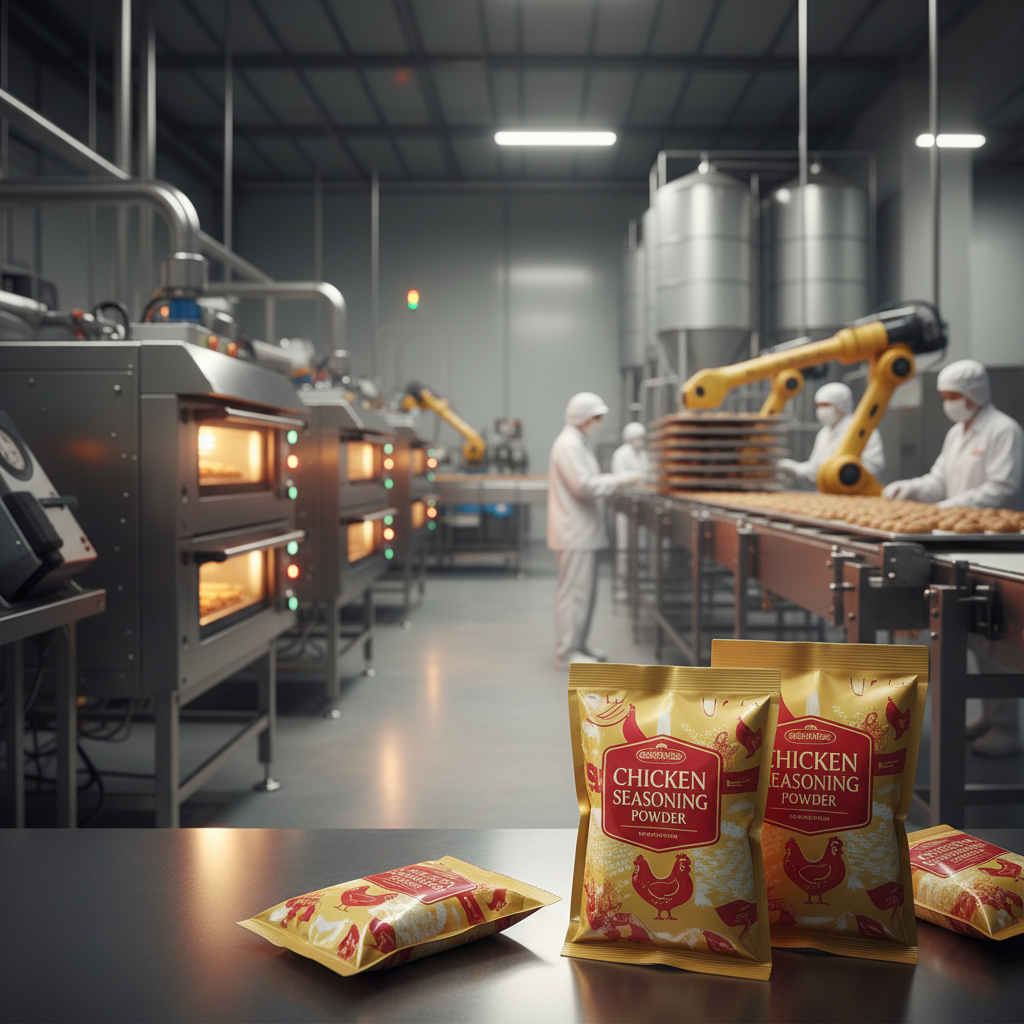
Understanding the intricate composition of chicken seasoning powder ingredients is essential for food manufacturers seeking to balance flavor profiles with nutritional requirements. In a global market where consumer preferences shift rapidly toward "clean label" products, the ability to manipulate these ingredients determines the commercial success of processed poultry products and instant meal bases.
The global food additives industry has seen a surge in demand for standardized seasoning blends, as indicated by ISO standards for food safety and quality management. As urbanization increases, the reliance on convenient, pre-mixed seasonings grows, making the precise formulation of chicken seasoning powder ingredients a critical factor in maintaining consistency across international supply chains.
However, the industry faces a significant challenge: bridging the gap between intense savory satisfaction and the demand for reduced sodium and synthetic additives. By optimizing the synergy between amino acids, botanical extracts, and mineral salts, producers can create high-performance seasonings that satisfy the palate while adhering to stringent health regulations.
Global Market Relevance of Chicken Seasoning Powder Ingredients
The global appetite for poultry-flavored products continues to expand, driven by the accessibility and versatility of chicken as a protein source. Consequently, the demand for high-quality chicken seasoning powder ingredients has evolved from simple salt-and-pepper mixes to complex chemical formulations that involve yeast extracts and hydrolyzed proteins to mimic the authentic "umami" taste.
In regions like Southeast Asia and Latin America, these seasoning powders are not just additives but essential components of the local culinary economy. The standardization of these ingredients ensures that a brand can maintain the same taste profile whether the product is manufactured in a plant in Asia or distributed in a supermarket in Europe, reducing regional taste variance.
Defining the Role of Seasoning Components in Food Science
At its core, chicken seasoning powder consists of a synergistic blend of flavor enhancers, bulking agents, spices, and preservatives. The primary goal is to replicate the complex chemical profile of roasted or boiled chicken, which involves a precise balance of nucleotides and glutamates that trigger specific taste receptors on the human tongue.
Modern food science views chicken seasoning powder ingredients as a delivery system. The ingredients must be stable under various temperatures and pressures, ensuring that the flavor does not degrade during the high-heat processes of frying or baking, which is crucial for the "Ready-to-Eat" (RTE) food sector.
Furthermore, the integration of these components addresses humanitarian needs in food security. By enhancing the palatability of low-cost protein sources or fortified grains, seasoning powders help in making nutrient-dense foods more acceptable to populations in underdeveloped regions, combining nutrition with sensory appeal.
Core Functional Components for Flavor Optimization
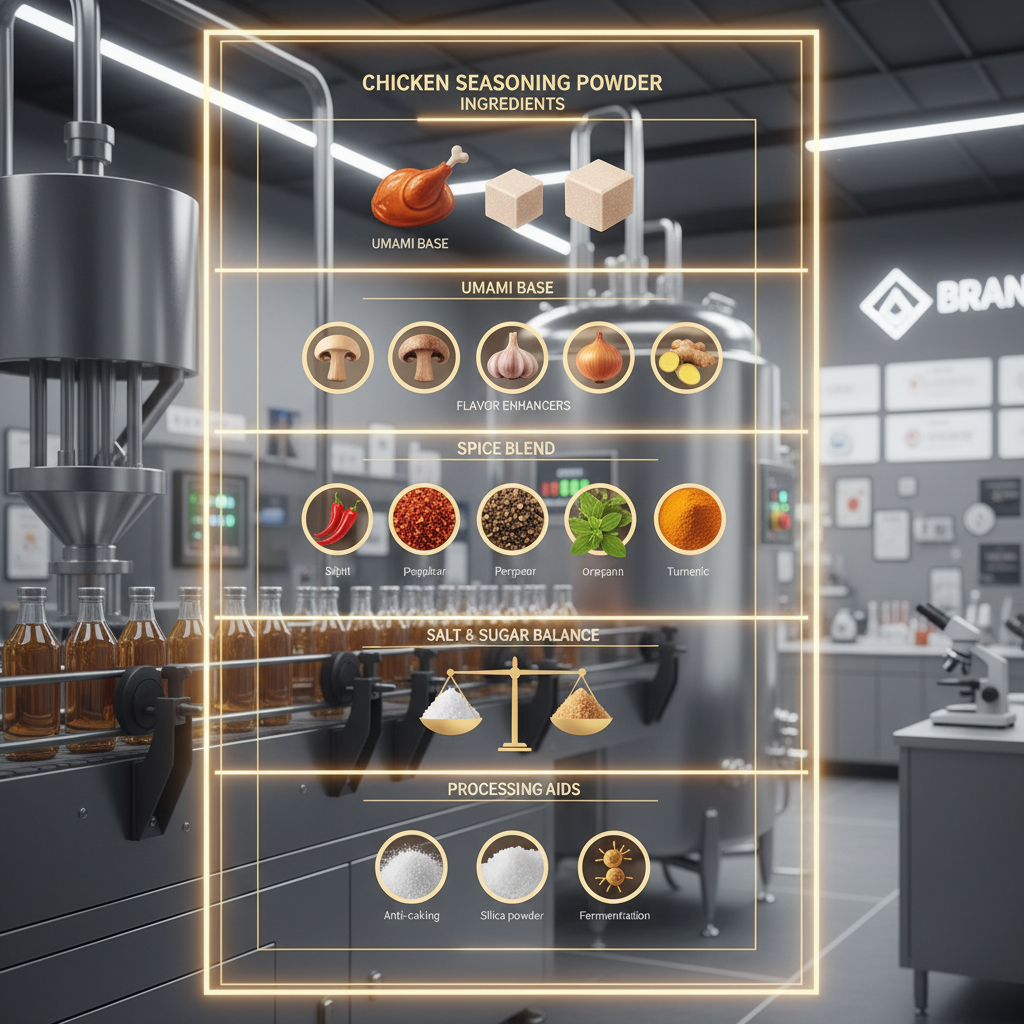
The first pillar of effective chicken seasoning powder ingredients is the use of taste enhancers. Monosodium Glutamate (MSG) and Disodium Inosinate (IMP) work together to create a powerful umami effect, which reduces the need for excessive salt while maintaining a high perception of savoriness.
Another critical aspect is the inclusion of aromatic carriers. Ingredients such as maltodextrin or modified starches act as the base, ensuring that the chicken seasoning powder ingredients flow freely during industrial mixing and adhere uniformly to the surface of the food product without clumping.
Finally, botanical extracts and spices—such as garlic powder, onion powder, and white pepper—provide the top notes of the flavor profile. These natural components bridge the gap between industrial processing and the "homemade" taste that modern consumers increasingly demand.
Industrial Applications and Use Case Analysis
The application of these blends extends far beyond simple home cooking. In large-scale industrial snack production, the adherence and stability of chicken seasoning powder ingredients are tested against oil absorption and humidity to ensure a long shelf life without flavor loss.
In specialized contexts, such as the production of military rations (MREs) or disaster relief food kits, these powders are engineered for maximum caloric density and taste stability in extreme temperatures. This ensures that personnel in remote industrial zones or crisis areas receive palatable nutrition that boosts morale and energy.
Performance Comparison of Chicken Seasoning Powder Ingredients
Economic and Sustainability Advantages
From a cost-efficiency perspective, using concentrated chicken seasoning powder ingredients allows manufacturers to significantly reduce waste compared to using fresh ingredients. The extended shelf life and reduced transport weight of powders translate directly into lower logistics costs and a smaller carbon footprint.
Beyond the balance sheet, there is a profound social impact. By innovating cleaner, more sustainable ingredients—such as utilizing plant-based proteins to mimic chicken flavor—companies can cater to the growing vegan and vegetarian markets, promoting a more sustainable global food system without sacrificing the sensory experience.
Future Innovations in Seasoning Technology
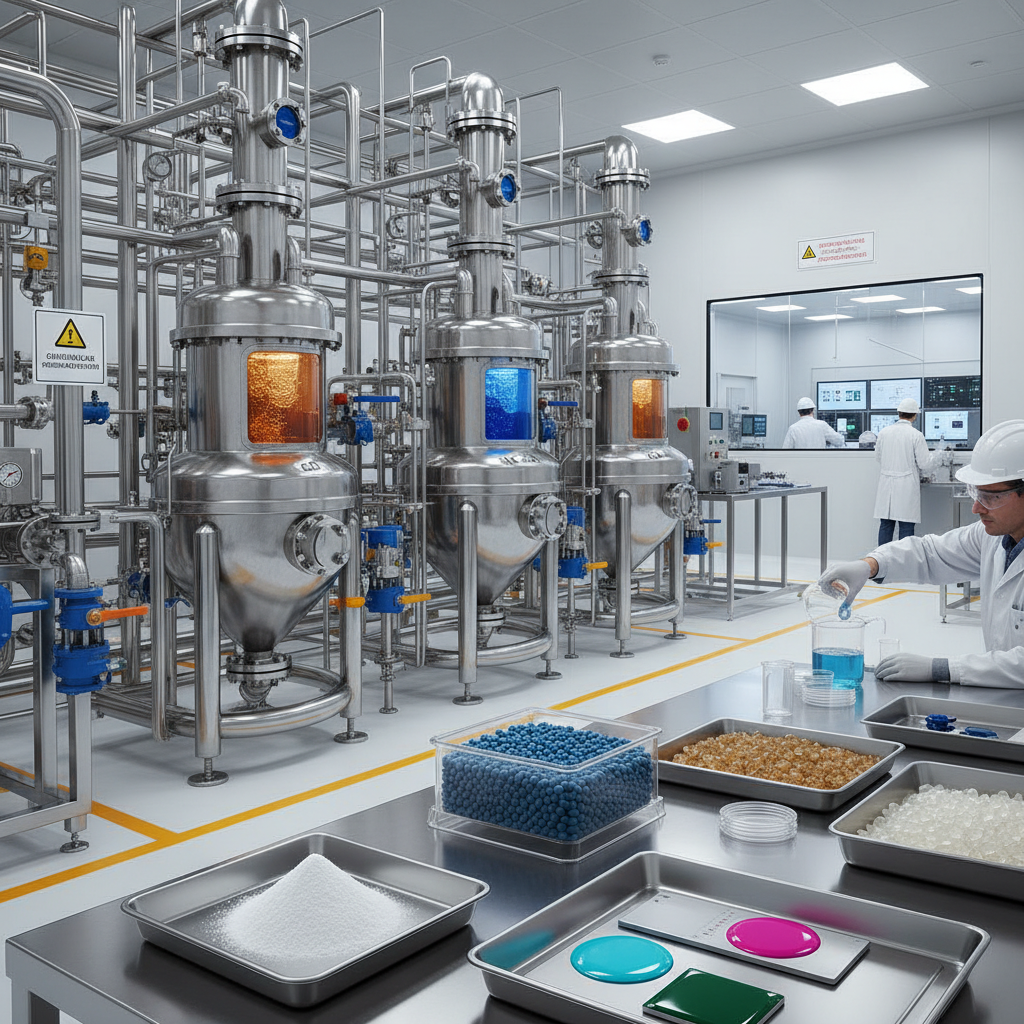
The next frontier for chicken seasoning powder ingredients lies in the realm of biotechnology. Precision fermentation is allowing scientists to create specific flavor molecules that are identical to those found in nature but produced without the need for animal slaughter, aligning with global ESG (Environmental, Social, and Governance) goals.
Digital transformation is also playing a role through "flavor mapping" and AI-driven formulation. By analyzing vast datasets of consumer preferences, AI can suggest the exact ratio of ingredients to create a "hyper-local" taste profile for specific demographics, automating the R&D process and shortening time-to-market.
Additionally, encapsulation technology is being refined to allow for a timed release of flavor. This means the initial taste is an appetizing aroma, while the deep savory notes are released only upon chewing, creating a multi-dimensional eating experience that was previously impossible with standard powders.
Overcoming Technical Challenges in Formulation
One of the most persistent challenges is the "clumping" effect caused by hygroscopic chicken seasoning powder ingredients. In humid environments, salts and sugars attract moisture, leading to cake formation. The solution lies in the strategic use of anti-caking agents like silicon dioxide or the application of specialized moisture-barrier coatings.
Another hurdle is the sodium reduction mandate. Reducing salt often leads to a perceived loss of flavor intensity. Expert formulators overcome this by using "salt enhancers"—ingredients that increase the perceived saltiness of a lower concentration of sodium—thereby maintaining the taste profile while improving the nutritional label.
Finally, ensuring allergen-free production is paramount. Cross-contamination in facilities that handle wheat, soy, or dairy can compromise the safety of the seasoning. Implementing rigorous HACCP (Hazard Analysis and Critical Control Points) protocols is the only way to ensure that the purity of the ingredients is maintained from the raw material stage to the final package.
Comparative Analysis of Seasoning Formulation Strategies
| Formulation Strategy |
Primary Ingredient Focus |
Cost Impact |
Market Appeal |
| Traditional Synthetic |
MSG & Artificial Aromas |
Low |
Mass Market |
| Clean Label |
Yeast Extract & Spices |
Medium |
Health Conscious |
| Premium Organic |
Certified Natural Extracts |
High |
Luxury/Niche |
| Plant-Based Mimicry |
Hydrolyzed Pea Protein |
Medium-High |
Vegan/Eco-friendly |
| Low Sodium |
Potassium Chloride & Umami |
Medium |
Medical/Elderly |
| High Intensity |
Nucleotide Synergists |
Low-Medium |
Fast Food/Snacks |
FAQS
The most critical ingredients for achieving a deep umami profile are glutamates (like MSG) and nucleotides (such as Disodium Inosinate and Guanylate). When combined, these create a synergistic effect that significantly amplifies the savory taste of chicken, allowing manufacturers to use fewer raw materials while achieving a more intense flavor profile.
Clumping is usually caused by the hygroscopic nature of salts and sugars. To prevent this, incorporate food-grade anti-caking agents such as silicon dioxide or calcium silicate. Additionally, ensuring a low-humidity environment during the mixing and packaging process is vital to maintain the free-flowing property of the powder.
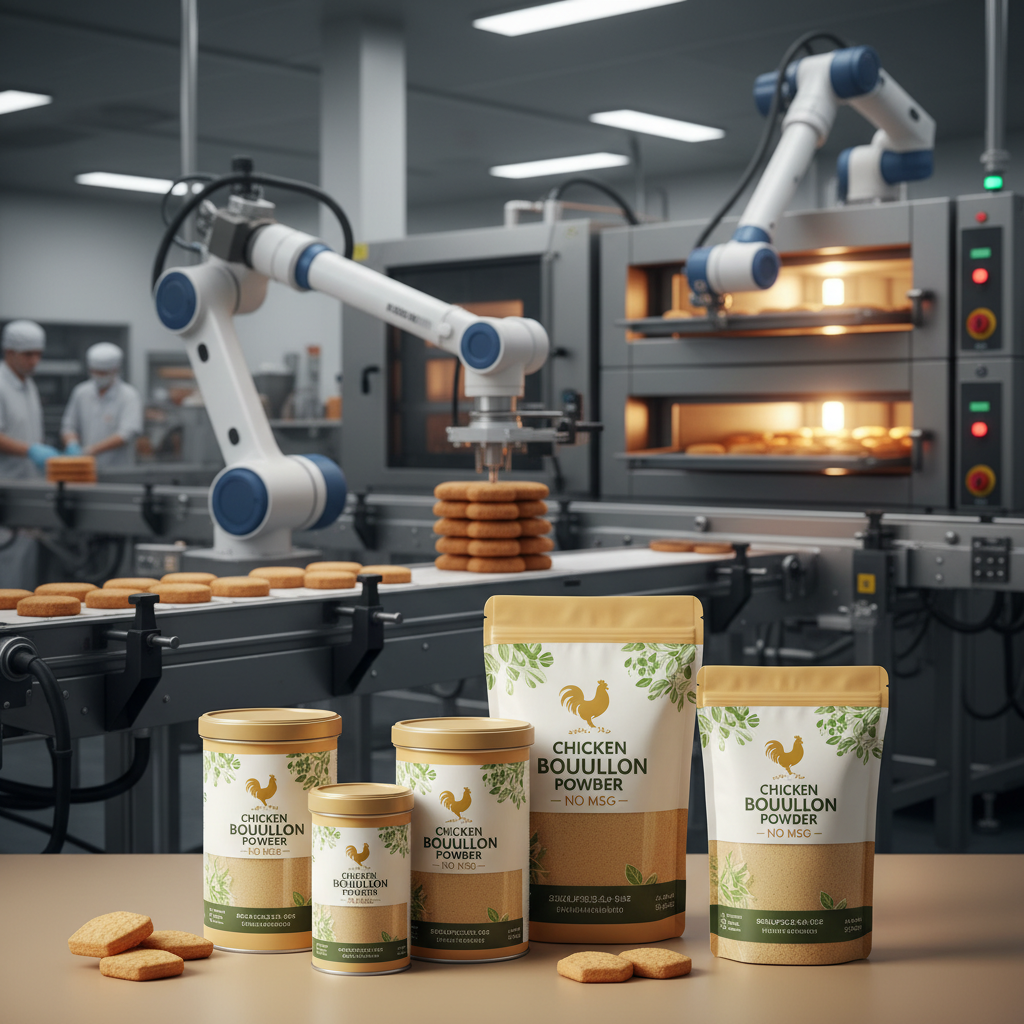
Yes, yeast extracts and hydrolyzed vegetable proteins (HVP) are excellent natural alternatives. Yeast extracts provide a rich, savory base that mimics the taste of meat without the need for synthetic chemicals, making them ideal for "clean label" product lines that appeal to health-conscious consumers.
Many chicken seasoning powder ingredients, such as salt and certain antioxidants, actually help extend shelf life by reducing water activity and preventing lipid oxidation. However, the use of unstable oils or certain natural extracts can shorten shelf life if not properly encapsulated or stored in airtight packaging.
Absolutely. By replacing animal-derived proteins with hydrolyzed plant proteins (like soy or pea) and using precision-fermented flavors, you can create a "chicken-style" seasoning that is 100% vegan while maintaining the same savory profile that consumers expect from traditional chicken seasonings.
Compliance requires strict adherence to ISO 22000 and HACCP guidelines. You should source ingredients from certified suppliers who provide comprehensive Certificates of Analysis (CoA) and ensure that your production facility undergoes regular audits for allergen control and microbial contamination.
Conclusion
The strategic selection and blending of chicken seasoning powder ingredients represent a sophisticated intersection of chemistry, culinary art, and industrial efficiency. From the use of umami synergists to the implementation of anti-caking technologies, every component plays a vital role in ensuring product consistency, consumer satisfaction, and economic viability in a competitive global market.
As the industry moves toward a more sustainable and health-oriented future, the focus will inevitably shift toward biotechnology and clean-label innovations. Manufacturers who embrace these trends—balancing the timeless appeal of savory chicken flavors with the modern demand for transparency and sustainability—will lead the next generation of food production. Visit our website for professional solutions: www.chinaseasoning.com