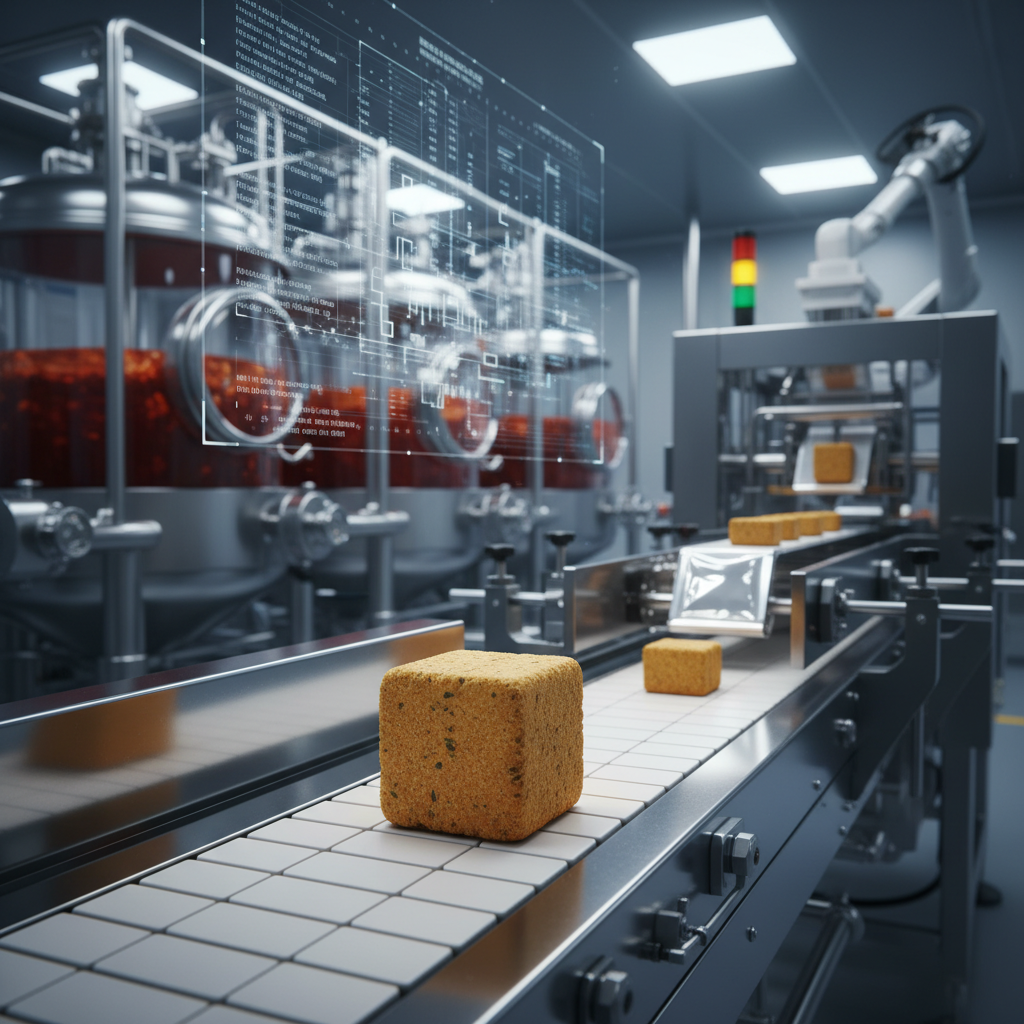
In the dynamic landscape of global food production, the versatility of flavor enhancers plays a pivotal role in meeting diverse consumer palettes. Understanding chicken seasoning powder uses is not merely about adding salt or spice; it is about the strategic application of food chemistry to enhance the organoleptic properties of meat and meat-substitutes. As the food industry shifts toward convenience and standardized taste profiles, these powders have become indispensable tools for chefs and industrial food processors alike.
Across the globe, the demand for consistent flavor profiles in processed meats has surged, driving the innovation of advanced seasoning blends. The strategic integration of chicken seasoning powder uses allows manufacturers to maintain quality control across vast production lines, ensuring that a product tastes the same whether it is consumed in New York, Tokyo, or London. This standardization is critical for brand loyalty and consumer trust in the fast-paced ready-to-eat market.
Beyond simple taste, the modern application of these additives addresses complex challenges such as moisture retention, color stability, and the reduction of raw ingredient costs. By exploring the multifaceted chicken seasoning powder uses, food scientists can create products that are not only delicious but also shelf-stable and economically viable. This intersection of culinary art and industrial science is what defines the current trajectory of the global food additive sector.
Global Context of Chicken Seasoning Powder Uses
The global appetite for poultry products has seen a steady climb, with the FAO reporting significant increases in per capita consumption in emerging economies. Consequently, the industrialization of flavor has shifted toward powder formats due to their stability and ease of transport. The widespread adoption of chicken seasoning powder uses reflects a broader trend toward "convenience cooking" and the expansion of the global Quick Service Restaurant (QSR) sector.
In developed markets, the challenge lies in balancing intense flavor with clean-label requirements. As consumers demand fewer artificial additives, the composition of these powders is evolving to include natural extracts and fermented proteins. This evolution ensures that the functional chicken seasoning powder uses continue to meet strict ISO and food safety standards while appealing to health-conscious demographics.
Defining the Scope of Flavor Enhancement
At its core, the concept of chicken seasoning powder uses refers to the application of a dehydrated mixture of salts, spices, flavor enhancers (like MSG or yeast extracts), and anti-caking agents to poultry products. Unlike liquid marinades, these powders offer a concentrated form of seasoning that can be applied as a dry rub or reconstituted into a brine, providing a high degree of precision in flavor dosing.
From a humanitarian and industrial perspective, the use of powdered seasonings is a response to the need for food security and waste reduction. By extending the shelf life of flavor components and simplifying the seasoning process, manufacturers can reduce the spoilage of fresh herbs and spices, which are often volatile. This makes the logistics of food production more sustainable and less dependent on the immediate availability of fresh aromatics.
Modern industry defines these uses through the lens of "Sensory Engineering." It is no longer just about "tasting like chicken," but about creating a specific profile—be it savory, smoky, or spicy—that triggers a positive neural response in the consumer. The versatility of these powders allows them to be used not only in poultry but also in plant-based meat alternatives to mimic the savory "umami" profile associated with real chicken.
Core Components for Industrial Scalability
One of the most critical aspects of chicken seasoning powder uses is Flavor Consistency. In large-scale manufacturing, the ability to replicate a taste profile across millions of units is paramount. By using precisely calibrated powders, companies eliminate the variance found in raw ingredients, ensuring a uniform product that meets strict quality control parameters.
Cost Efficiency is another driving factor. The concentration of ingredients in powder form reduces shipping weights and storage space requirements. When analyzing chicken seasoning powder uses in a commercial kitchen or factory, the reduced labor cost associated with pre-mixed blends significantly outweighs the initial cost of the additive, optimizing the overall operational budget.
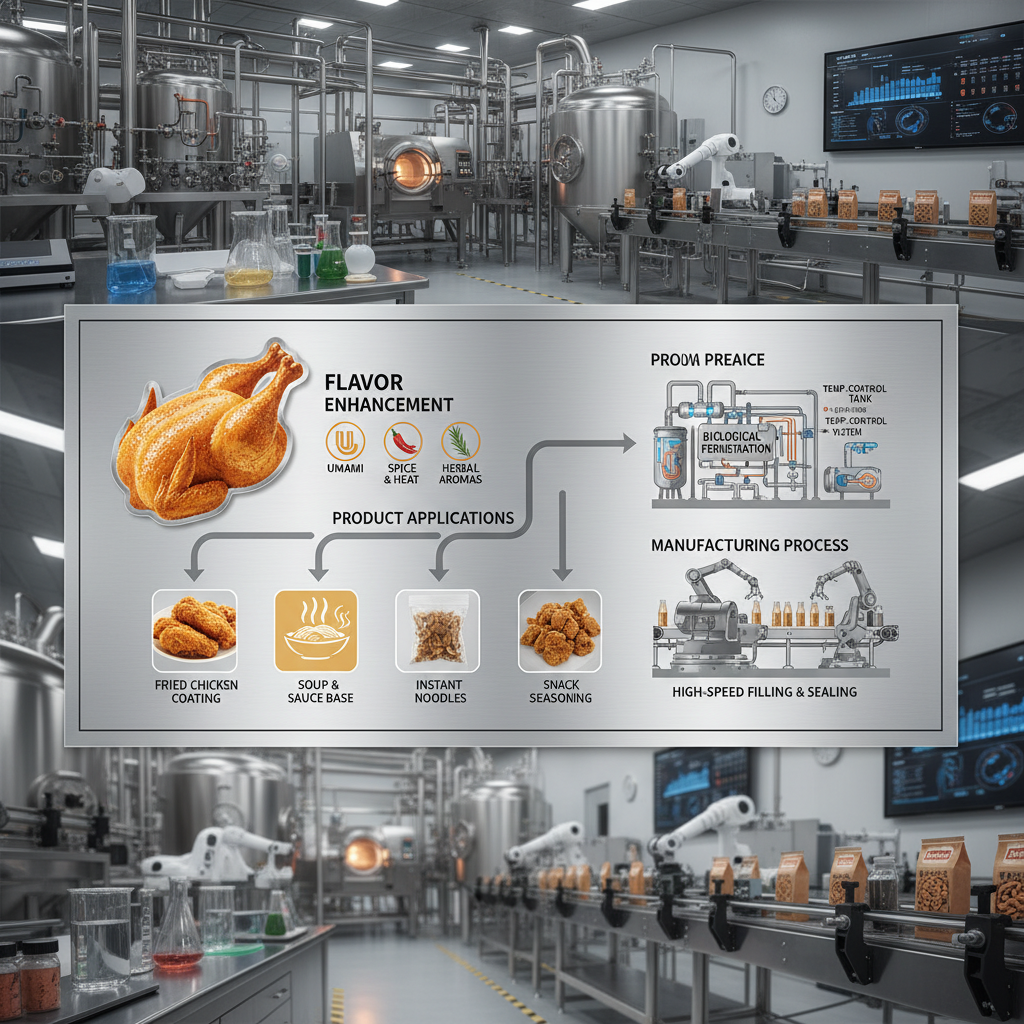
Lastly, Application Versatility allows these powders to be integrated into various stages of production. Whether it is used as a pre-treatment for frozen poultry, a coating for fried chicken, or a base for instant soup stocks, the flexibility of chicken seasoning powder uses enables a single ingredient to serve multiple roles across different product lines.
Global Applications and Use Cases
In the real world, the application of chicken seasoning powder uses varies by region and industry. In the Asia-Pacific region, these powders are heavily integrated into the snack food industry, where they are used to coat extruded corn puffs or potato chips to create a "savory chicken" flavor. In North America, they are fundamental to the "finger food" market, particularly in the preparation of breaded wings and nuggets for the fast-food industry.
Furthermore, in remote industrial zones or post-disaster relief operations, powdered seasonings provide a critical way to make bland, nutrient-dense emergency rations more palatable. The ability to rapidly enhance the flavor of basic proteins without requiring fresh refrigeration makes chicken seasoning powder uses a silent but essential part of global food logistics and humanitarian aid.
Comparative Efficiency of Chicken Seasoning Powder Uses
Long-Term Value and Economic Advantages
The long-term value of investing in high-quality chicken seasoning powder uses lies in the ability to scale a business without sacrificing taste. For a growing food brand, the transition from artisanal, hand-mixed spices to standardized powders represents a leap in reliability. This reliability fosters trust with the end consumer, who expects the same flavor experience every time they purchase a product.
From a sustainability angle, the precision of these powders reduces ingredient waste. Over-seasoning or uneven distribution of raw spices leads to discarded batches in industrial settings. By utilizing the controlled application of chicken seasoning powder uses, companies can implement a "lean manufacturing" approach, reducing their environmental footprint and increasing their net profit margins.
Future Innovations in Seasoning Technology
The future of chicken seasoning powder uses is being shaped by the digital transformation of food science. We are seeing the rise of AI-driven flavor profiling, where algorithms analyze consumer data to create "hyper-localized" seasoning blends. These AI-designed powders can be adjusted in real-time based on regional taste preferences, allowing global brands to maintain a core identity while adapting to local nuances.
Furthermore, the integration of encapsulation technology is a game-changer. By encapsulating flavor molecules within a microscopic protective layer, manufacturers can ensure that the seasoning only releases its full aroma and taste during the cooking process. This prevents the degradation of volatile compounds during storage, dramatically extending the peak-flavor window of products using chicken seasoning powder uses.
Sustainability is also driving the development of "green" additives. We are seeing a shift toward the use of upcycled ingredients—such as utilizing vegetable by-products to create the savory base of chicken powders. This not only reduces waste but also appeals to the growing demographic of eco-conscious consumers, merging the practical needs of the industry with the ethical demands of the modern world.
Challenges and Expert Solutions
Despite the advantages, one of the primary challenges associated with chicken seasoning powder uses is the tendency for powders to clump, especially in high-humidity environments. This "caking" can lead to uneven distribution and inconsistent flavor. To solve this, food engineers utilize advanced anti-caking agents like silicon dioxide or modify the particle size distribution to ensure a free-flowing powder.
Another significant hurdle is the "clean label" movement, where consumers are wary of ingredients like MSG or artificial dyes. The industry is responding by substituting synthetic enhancers with yeast extracts and mushroom powders, which provide the same umami depth naturally. This transition requires careful recalibration of the formula to maintain the same potency and sensory impact that traditional chicken seasoning powder uses provided.
Finally, managing the sodium content remains a critical health-related challenge. Excessive salt is a common drawback of powdered seasonings. Expert solutions now include the use of potassium chloride or flavor enhancers that "trick" the taste buds into perceiving saltiness without the actual sodium load. This allows for the continued use of chicken seasoning powder uses in health-focused product lines.
Analysis of Technical Specifications for Chicken Seasoning Powder Applications
| Application Method |
Flavor Intensity |
Stability Score |
Cost-Benefit Ratio |
| Dry Rubbing |
High |
9/10 |
Excellent |
| Liquid Brining |
Medium |
7/10 |
Good |
| Extrusion Coating |
Very High |
8/10 |
High |
| Instant Base |
Medium |
10/10 |
Excellent |
| Vegan-Mimicry |
Variable |
6/10 |
Moderate |
| Vacuum Tumbling |
High |
8/10 |
Good |
FAQS
The best way to achieve uniformity is through the use of industrial ribbon blenders or vacuum tumblers. These machines ensure that the powder is distributed evenly across the protein surface. Additionally, ensuring the powder has a consistent particle size and contains effective anti-caking agents prevents the formation of "hot spots" of flavor.
Yes, many manufacturers now produce "chicken-style" seasoning using yeast extracts, hydrolyzed vegetable proteins (HVP), and specific mushroom powders. These alternatives mimic the savory, salty, and umami profiles of chicken without using animal-derived ingredients, making them ideal for the growing plant-based market.
Powdered seasonings generally have a significantly longer shelf life, often 12 to 24 months if stored in a cool, dry place. Liquid marinades, which contain water, are far more susceptible to microbial growth and oxidation, often requiring refrigeration and lasting only a few weeks or months.
While primarily used in food, the chemistry of flavor enhancers is sometimes applied in the pharmaceutical industry to mask the bitter taste of medications, particularly in chewable tablets or liquid syrups. However, the food-grade versions are specifically optimized for culinary applications.
To reduce sodium, you can integrate potassium chloride or use "flavor boosters" like nucleotides (IMP/GMP) and yeast extracts. These ingredients enhance the perception of saltiness, allowing you to lower the actual sodium content by 30-50% without a noticeable drop in taste quality.
For industrial use, always look for ISO 22000 (Food Safety Management), HACCP certification, and, depending on your market, HALAL or KOSHER certifications. These ensure that the product is manufactured under strict hygiene standards and meets the dietary requirements of global consumers.
Conclusion
In summary, the strategic application of chicken seasoning powder uses transcends simple flavoring; it is a critical component of modern food engineering that ensures scalability, consistency, and economic viability. From the precision of industrial coating to the innovation of vegan-mimicry, these powders allow the food industry to meet the diverse and evolving demands of a global population while maintaining strict quality and safety standards.
Looking forward, the integration of AI-driven flavor design and sustainable, upcycled ingredients will further refine the role of seasonings in our food systems. For businesses looking to optimize their production and elevate their taste profiles, adopting high-performance seasoning solutions is no longer optional—it is a competitive necessity. To explore professional-grade solutions, visit our website: www.chinaseasoning.com