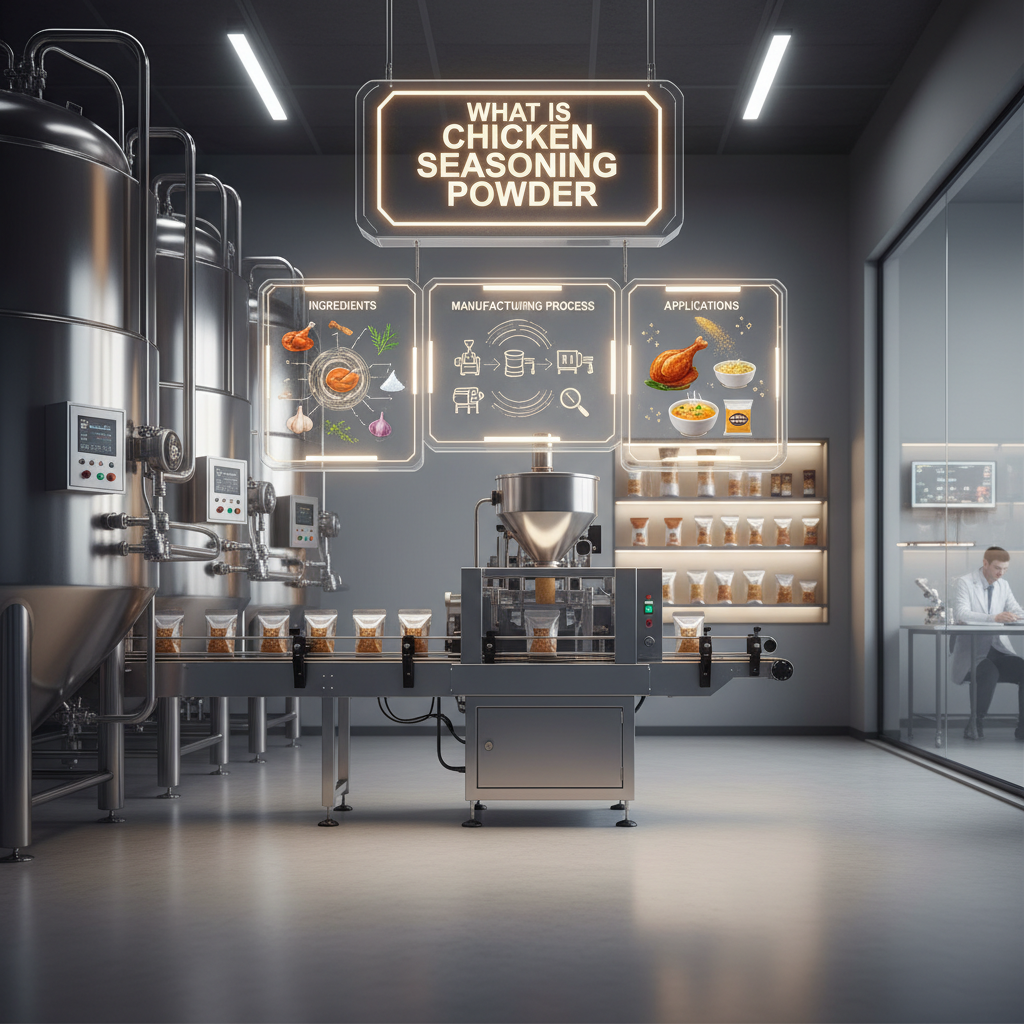
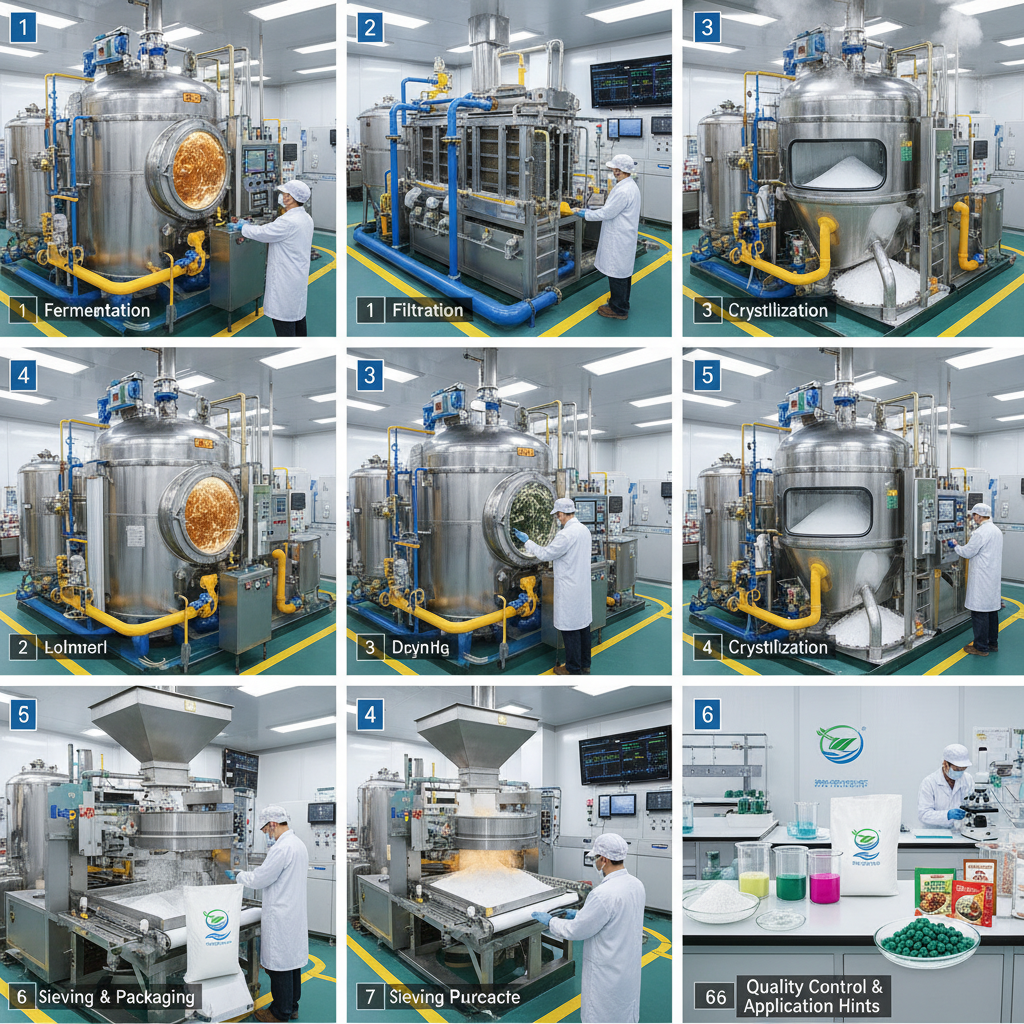
When exploring the culinary and industrial landscape of food additives, one common question arises: what is chicken seasoning powder? At its core, it is a sophisticated blend of salts, spices, flavor enhancers, and often dehydrated chicken extracts designed to impart a consistent, savory "chicken" taste to a wide variety of food products. In an era of fast-paced food production, these powders have become indispensable for achieving flavor standardization across global supply chains.
The global demand for high-quality seasoning solutions is driven by the rising consumption of processed convenience foods and the need for cost-effective flavor profiles. Understanding the composition and application of these powders allows food manufacturers to balance taste, cost, and shelf-life, ensuring that a product tastes the same whether it is produced in Asia, Europe, or North America. It is not merely about salt; it is about the chemistry of umami.
From a commercial perspective, mastering the nuances of what is chicken seasoning powder enables brands to tap into the "comfort food" market. By integrating these additives into snacks, instant noodles, and ready-to-eat meals, companies can significantly enhance the palatability of their offerings, leading to higher consumer loyalty and increased market share in the competitive food additive sector.
Global Context of Chicken Seasoning Powder
In the global food industry, the question of what is chicken seasoning powder is closely linked to the rise of the global middle class and the subsequent increase in "on-the-go" eating habits. According to market trends aligned with ISO food safety standards, the demand for standardized flavor bases has surged by nearly 5% annually. This is largely due to the need for consistent taste profiles in multi-national food franchises and packaged goods.
However, the industry faces a significant challenge: balancing the intense flavor consumers crave with the growing demand for "clean label" ingredients. Many traditional powders relied heavily on MSG and artificial fillers, but modern consumers are now seeking transparency. This shift is forcing manufacturers to innovate by integrating natural yeast extracts and organic spices to maintain the savory profile without compromising health perceptions.
Defining the Composition of Chicken Seasoning
To simply answer what is chicken seasoning powder, it is a dehydrated mixture of flavor-contributing ingredients. The base typically consists of salt and sugar for basic taste, coupled with a flavor carrier like maltodextrin. The "chicken" essence is derived either from actual chicken meat through spray-drying processes or from a precise combination of hydrolyzed vegetable proteins (HVP) and specific aromatic chemicals that mimic the scent of roasted poultry.
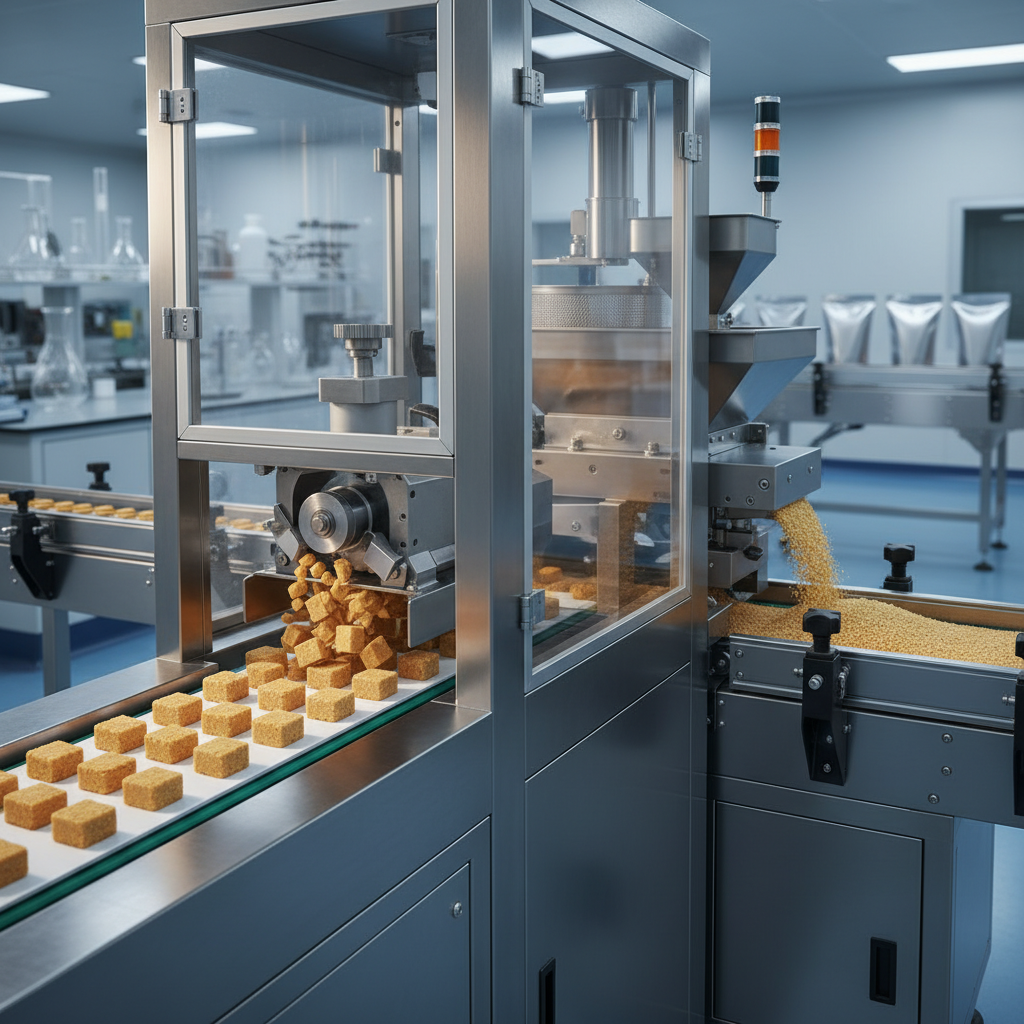
Beyond the basic taste, these powders often include anti-caking agents (like silicon dioxide) to ensure the powder remains free-flowing in humid industrial environments. This technical aspect is crucial for automated dosing systems in large-scale factories, where any clumping could lead to inconsistent flavoring across thousands of product units, potentially ruining an entire production batch.
From a humanitarian and accessibility standpoint, these seasonings provide an affordable way to add protein-like flavor to nutrient-dense but bland fortified foods in developing regions. By simulating the taste of meat, these additives make essential nutritional supplements more palatable, thereby increasing the adoption of life-saving food programs in remote industrial or disaster-hit zones.
Core Components and Technical Factors
When analyzing what is chicken seasoning powder, the first critical factor is Flavor Intensity (Umami). This is achieved through the synergy of glutamates and nucleotides, which trigger the taste receptors associated with savory richness. Without this balance, the powder would taste merely salty rather than "chicken-like."
The second factor is Solubility and Dispersion. High-quality powders must dissolve rapidly in hot water or integrate seamlessly into oils and fats. If the particles are too coarse, the end consumer will experience "grittiness," which is a major quality failure in products like instant soups or creamy chicken sauces.
Lastly, Stability and Shelf-life are paramount. Because these powders are often shipped across continents, they must withstand temperature fluctuations without the fats oxidizing (which causes rancidity). This is why the choice of antioxidants and moisture-proof packaging is just as important as the flavor formula itself.
Industrial Applications and Use Cases
The application of what is chicken seasoning powder extends far beyond the home kitchen. In the snack food industry, it is used as a topical coating for potato chips and extruded corn puffs. In these cases, the powder is engineered to adhere to oily surfaces without clumping, providing an immediate burst of flavor upon consumption.
In the realm of "Ready-to-Eat" (RTE) meals, these powders are integrated into the sauce bases for frozen dinners and dehydrated meal kits. For example, in remote industrial zones or military rations, where fresh ingredients are unavailable, these concentrated seasonings allow for the creation of high-protein meals that taste familiar and comforting, which is essential for worker morale and mental well-being.
Comparative Efficacy of Chicken Seasoning Powder Formulations
Economic and Quality Advantages
One of the most tangible benefits of utilizing what is chicken seasoning powder is the drastic reduction in operational costs. Producing a consistent chicken flavor using fresh meat requires massive refrigeration, complex cooking processes, and carries a high risk of microbial contamination. In contrast, seasoning powders are stable, easy to store, and provide a precision-controlled flavor profile.
Furthermore, the use of these powders enhances sustainability. By reducing the reliance on raw meat for flavor, companies can lower their carbon footprint associated with livestock farming and transport. This creates a logical bridge between cost-efficiency and corporate social responsibility, allowing brands to market their products as more sustainable while maintaining the high-quality taste that consumers expect.
Future Innovations in Flavor Technology
The future of what is chicken seasoning powder lies in biotechnology. We are seeing a shift toward "precision fermentation," where microbes are programmed to produce specific proteins and fats that are identical to those found in real chicken. This will allow for a "meat-free" powder that is indistinguishable from animal-derived versions, catering to the booming vegan and flexitarian markets.
Digital transformation is also hitting the flavor lab. AI is now being used to analyze thousands of taste combinations to create the "perfect" chicken profile that appeals to a global audience. These algorithms can predict how a seasoning will react when heated or frozen, reducing the time-to-market for new food products from months to weeks.
Additionally, the move toward "Green Chemistry" is replacing synthetic carriers with plant-based fibers and natural starches. This not only improves the nutritional profile of the additives but also aligns with global policies aimed at reducing synthetic chemicals in the food chain, ensuring long-term viability in a health-conscious market.
Challenges and Strategic Solutions
Despite its utility, the main challenge regarding what is chicken seasoning powder is the "artificial" stigma. Many consumers associate powders with low-quality, processed foods. To overcome this, manufacturers are adopting "clean label" strategies, replacing chemical identifiers with natural extracts like onion, garlic, and celery seed to build a more transparent ingredient list.
Another limitation is the "flavor fatigue" that occurs when the same industrial profile is used across too many products. Expert flavorists are solving this by creating "regionalized" chicken powders—incorporating ginger for Asian markets or thyme and rosemary for European markets—thereby adding depth and authenticity to the basic chicken base.
Finally, regulatory compliance across different borders remains a hurdle. What is permitted in one country may be restricted in another. The solution lies in the development of modular seasoning bases that can be easily adjusted to meet local food safety laws without requiring a total redesign of the product formula.
Strategic Analysis of Chicken Seasoning Powder Quality Metrics
| Formula Type |
Taste Accuracy |
Cost Efficiency |
Stability Score |
| Pure Extract Base |
9.5 |
4.0 |
7.0 |
| HVP-Driven Blend |
7.0 |
9.0 |
9.5 |
| Yeast Extract Hybrid |
8.5 |
7.5 |
8.0 |
| Organic-Certified |
6.5 |
5.0 |
6.0 |
| Industrial Grade |
6.0 |
10.0 |
9.0 |
| Premium Gourmet |
9.0 |
6.0 |
7.5 |
FAQS
While similar, bouillon is specifically designed to be dissolved in water to create a broth, often containing higher salt levels and specific clarity agents. Chicken seasoning powder is a broader term and is frequently used as a dry rub, a coating for snacks, or an ingredient in complex sauce mixes where it doesn't necessarily need to form a clear soup.
Yes, provided it meets food-grade standards such as those set by the FDA or EFSA. Professional-grade powders use approved anti-caking agents and preservatives that ensure the product remains safe and stable over its shelf life, preventing the growth of mold or bacteria during storage and transport.
Absolutely. Many modern manufacturers are shifting toward yeast extracts and mushroom-based umami enhancers to provide that savory taste without using monosodium glutamate. These "clean label" versions are increasingly popular in health-conscious markets and organic food lines.
Extreme heat can cause the fats in the seasoning to oxidize, leading to an "off" smell or taste. High humidity can cause the powder to clump (caking). To maintain quality, it is recommended to store these powders in cool, dry environments in airtight containers.
The most common application is "seasoning application," where the powder is sprayed or tumbled onto snacks like popcorn, chips, or nuts using a rotating drum. This ensures an even distribution of flavor across the entire surface of the snack.
Companies work with flavor houses to adjust the "top notes" (immediate smell), "middle notes" (the bulk of the taste), and "base notes" (the lingering aftertaste). By adjusting the ratio of spices, proteins, and salts, a unique signature flavor can be developed for a specific brand.
Conclusion
In summary, understanding what is chicken seasoning powder reveals it to be a cornerstone of modern food science. By blending chemistry, culinary art, and industrial engineering, these powders allow for global flavor consistency, cost reduction, and enhanced food accessibility. From its core components of umami-rich extracts to its role in the multi-billion dollar snack industry, it is a tool that bridges the gap between raw nutrition and consumer pleasure.
Looking forward, the industry will likely move toward even more sustainable and "natural" formulations, driven by biotech innovations like precision fermentation. For food manufacturers, the key to success will be balancing these technological advancements with the consumer's desire for transparency and authenticity. We encourage businesses to explore high-quality, standardized seasoning solutions to elevate their product lines. Visit our website: www.chinaseasoning.com