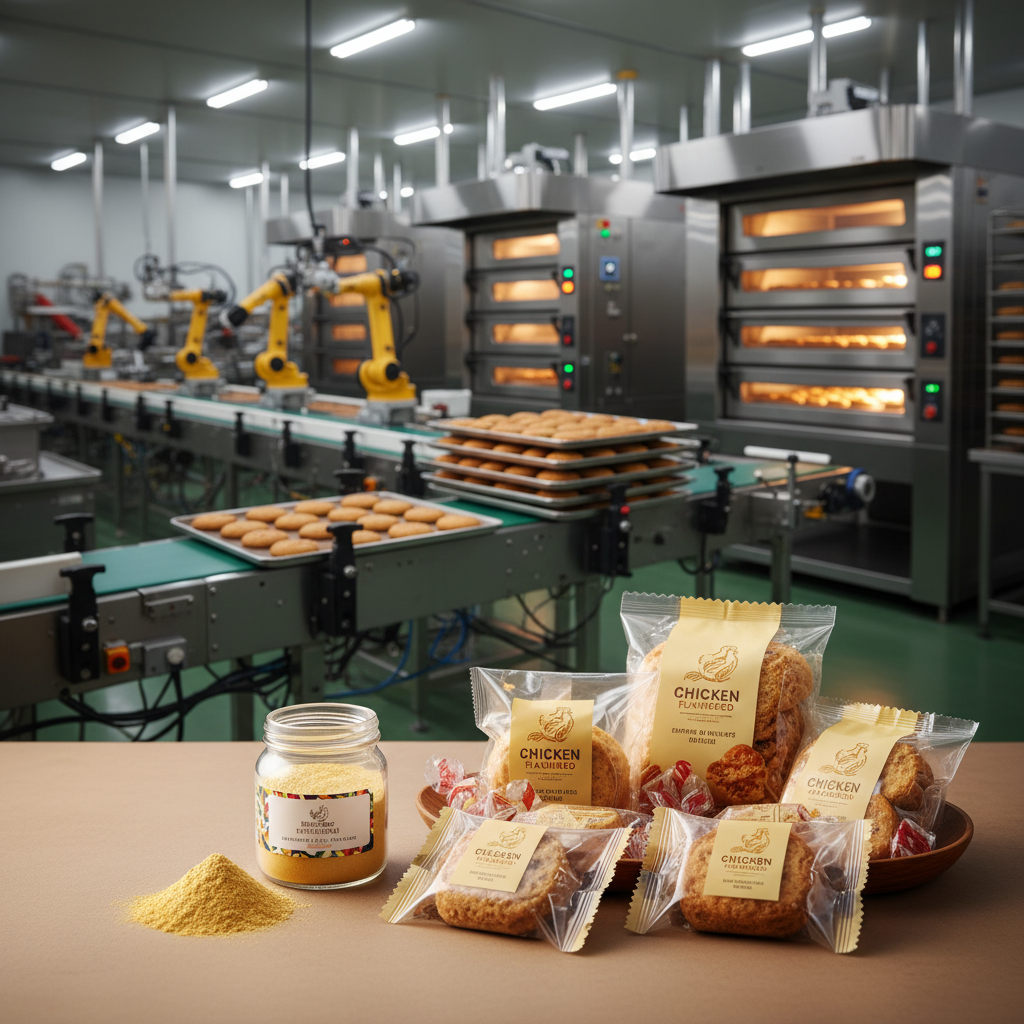
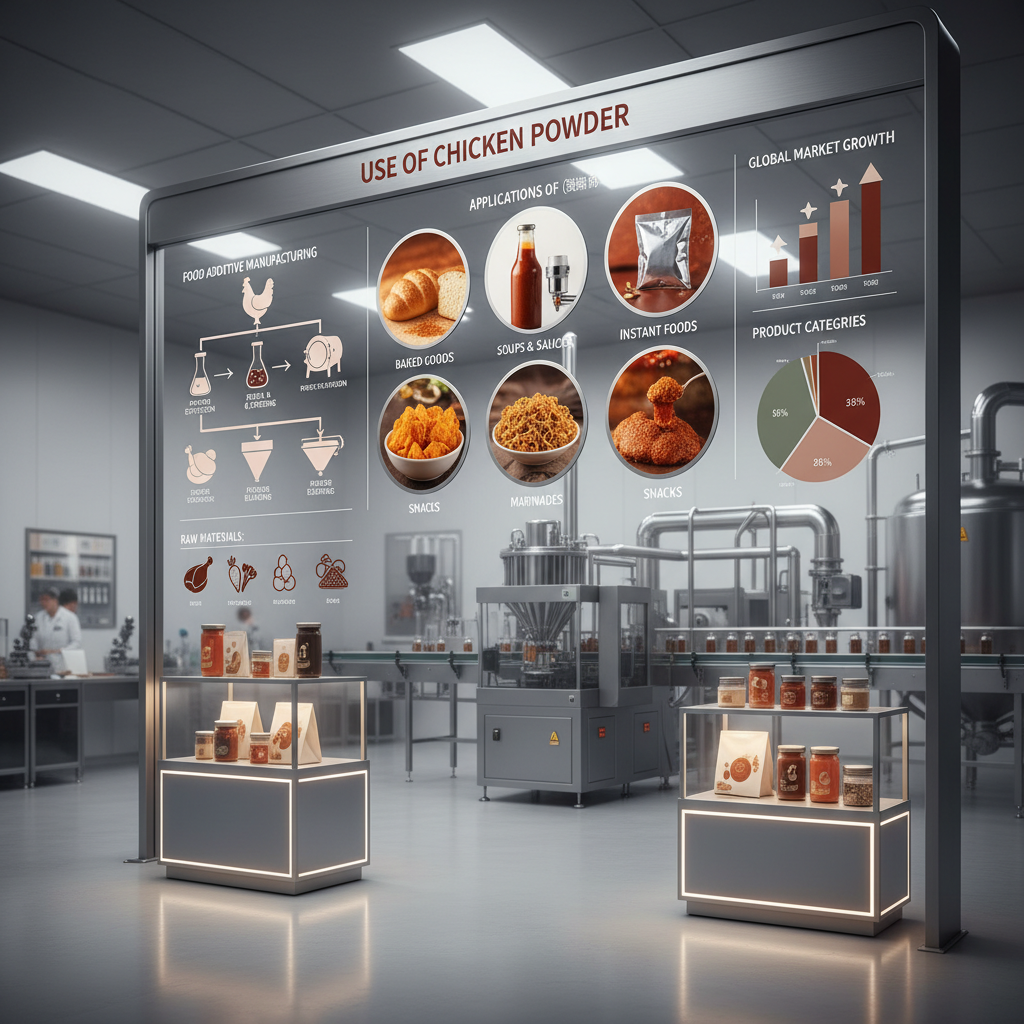
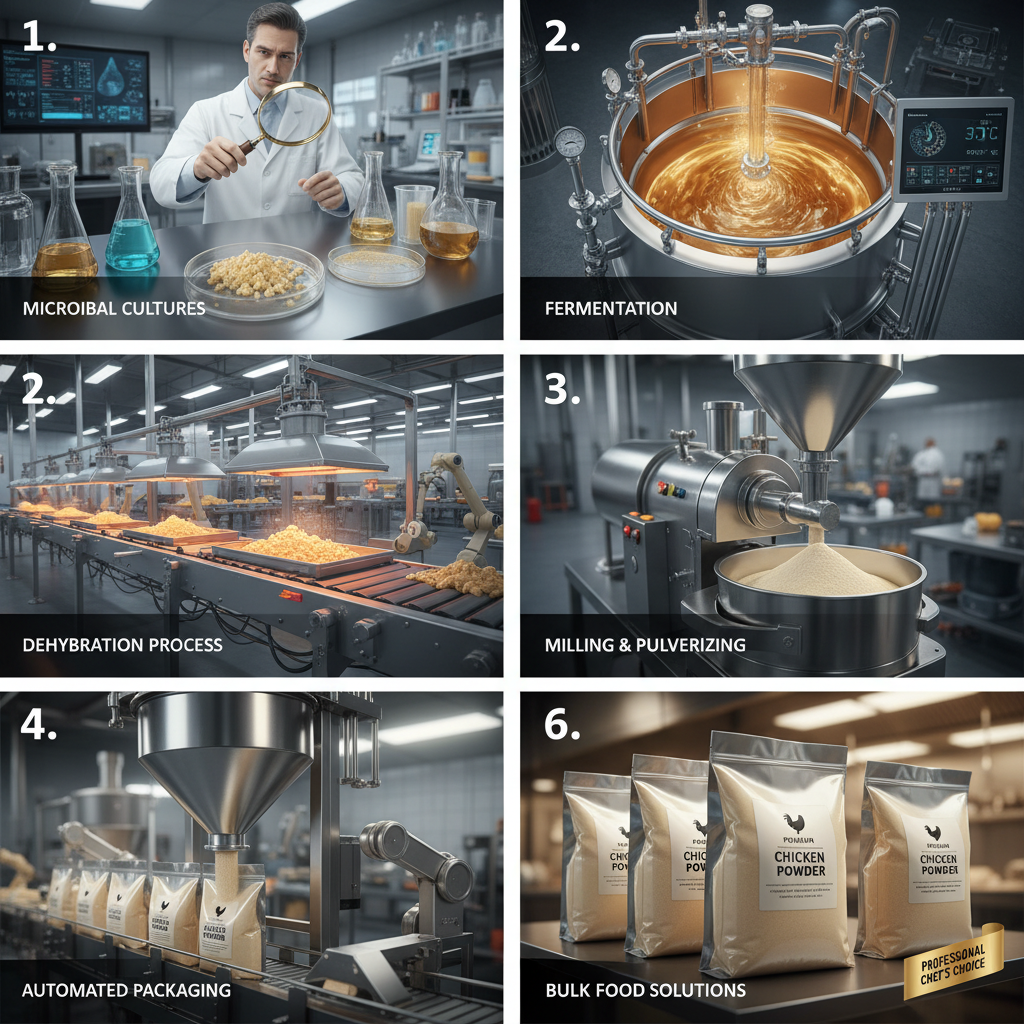
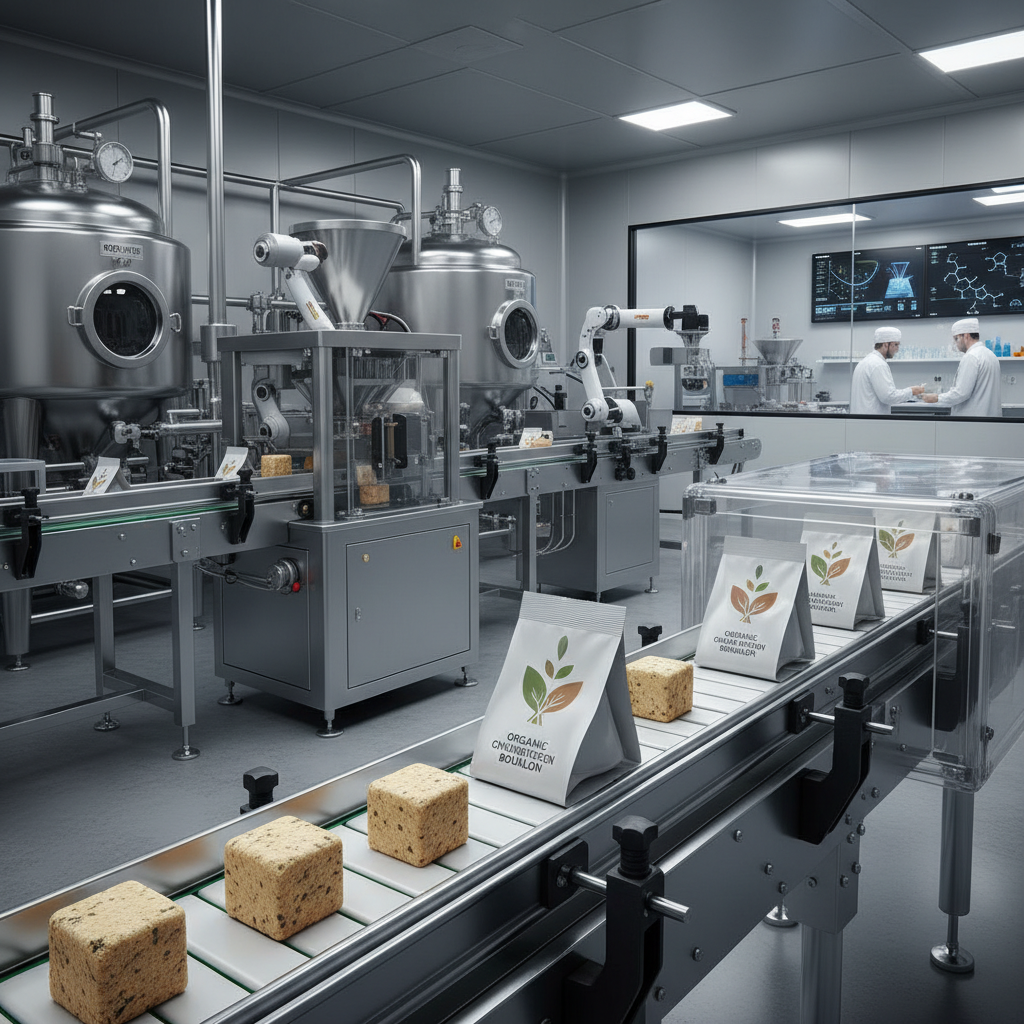
In the competitive landscape of the global food additive industry, the use of chicken powder has evolved from a simple kitchen staple to a sophisticated industrial tool for flavor enhancement. As consumers demand deeper, more complex "umami" profiles in processed foods, manufacturers are increasingly relying on high-quality powdered extracts to ensure consistency and taste intensity across large-scale production batches.
Understanding the technical nuances of the use of chicken powder is essential for food technologists aiming to balance cost-efficiency with gourmet quality. Whether integrated into instant noodles, canned soups, or snack seasonings, this versatile ingredient serves as a foundation for savory depth, reducing the need for excessive salt while maintaining a satisfying mouthfeel.
From a global perspective, the strategic use of chicken powder allows brands to standardize flavors across different regional markets. By mastering the synergy between chicken extracts and other food additives, producers can create a sensory experience that resonates with diverse palates while optimizing the logistics of ingredient storage and transport.
Global Context of Chicken Powder Application
The global food industry has witnessed a massive surge in the adoption of concentrated savory seasonings. According to market trends aligned with ISO food safety standards, the demand for standardized flavor bases has grown as urbanization increases the consumption of convenience foods. The use of chicken powder addresses the critical challenge of "flavor fatigue," providing a reliable, protein-derived base that enhances the perception of richness without requiring the processing of fresh meat in every facility.
In regions like Southeast Asia and Latin America, where poultry is a primary protein source, the industrial use of chicken powder allows for the mass production of affordable, taste-consistent meals. This scalability is vital for addressing food security and nutritional accessibility, as it permits the fortification of basic grains and legumes with savory profiles that encourage consumption.
Defining the Industrial Use of Chicken Powder
At its core, the use of chicken powder refers to the integration of dehydrated chicken extracts, salts, and flavor enhancers into a food matrix to replicate the taste of slow-cooked poultry. Unlike raw bouillon, industrial-grade powder is engineered for rapid solubility and stability, ensuring that the flavor does not degrade during high-temperature processing or long-term shelf storage.
Modern industry views this application not just as a seasoning, but as a functional tool. In the context of pharmaceutical intermediates or specialized food additives, the use of chicken powder often involves the precise calibration of amino acids, particularly glutamates, to trigger the umami receptors on the human tongue, creating a "savory" sensation that satisfies hunger more effectively than simple salt.
Furthermore, the humanitarian application of these powders is significant. In disaster-relief food parcels or remote industrial zones, the use of chicken powder provides a lightweight, nutrient-dense way to make bland emergency rations palatable, which is crucial for maintaining the morale and psychological well-being of affected populations.
Core Components for Flavor Optimization
Achieving a premium result requires focusing on solubility and dispersion. The use of chicken powder must be managed so that there are no clumps in the final product, which is why the particle size distribution (PSD) of the powder is a key technical parameter for quality control.
Cost efficiency is another pillar of this application. By optimizing the use of chicken powder alongside yeast extracts or hydrolyzed vegetable proteins, manufacturers can achieve a "full-bodied" taste while reducing the percentage of expensive animal-derived solids, thereby lowering the overall COGS (Cost of Goods Sold).
Finally, scalability and stability are paramount. The use of chicken powder in a lab setting must translate perfectly to a 10,000-liter vat. This requires the powder to be resistant to oxidation and moisture absorption, often necessitating the use of specialized anti-caking agents and vacuum-sealed packaging.
Practical Performance Metrics in Food Production
When evaluating the efficacy of different formulations, food scientists use a variety of sensory and chemical metrics. The use of chicken powder is typically measured by its "umami intensity" and its ability to mask off-notes from other ingredients, such as the metallic taste sometimes found in fortified flours.
The following data represents the performance ratings of various application methods, highlighting how different delivery systems impact the final sensory quality and cost-benefit ratio.
Performance Analysis of Chicken Powder Application Methods
Global Applications and Use Cases
The real-world use of chicken powder spans across multiple sectors. In the snack food industry, it is a primary component in "savory" coatings for extruded corn puffs and potato chips, where it provides a punchy, immediate flavor hit. In the ready-to-eat (RTE) meal sector, it acts as a stabilizer for sauces, ensuring the savory profile remains consistent after the freeze-thaw cycles typical of frozen dinners.
Beyond commercial snacks, we see the use of chicken powder in institutional catering, such as school lunch programs and military rations (MREs). In these high-volume environments, the powder allows chefs to maintain a "home-cooked" taste profile while adhering to strict budgetary constraints and rapid preparation timelines.
Long-Term Value and Sustainability
The long-term value of the use of chicken powder lies in its ability to reduce food waste. By utilizing concentrated extracts, manufacturers reduce the reliance on bulk fresh meat that is prone to spoilage during transport. This streamlined supply chain not only lowers the carbon footprint associated with cold-chain logistics but also increases the reliability of the food supply.
From an emotional and consumer-trust angle, the shift toward "clean label" chicken powders—those without artificial MSG or synthetic dyes—has added immense value. Brands that prioritize the use of chicken powder derived from organic, pasture-raised poultry can command a premium price, appealing to the health-conscious demographic.
Furthermore, the economic impact is tangible. For small-to-medium enterprises (SMEs) in the food sector, using a standardized powder removes the need for expensive industrial kitchens equipped for meat processing, lowering the barrier to entry for new food entrepreneurs and fostering innovation in the culinary space.
Future Trends and Technical Innovations
The future of the use of chicken powder is being reshaped by biotechnology. We are seeing the rise of "precision fermentation," where yeast is engineered to produce chicken-like proteins and flavor molecules. This "animal-free" chicken powder offers the same umami profile but eliminates the ethical and environmental costs of livestock farming.
Digital transformation is also playing a role. AI-driven flavor mapping is now used to determine the exact use of chicken powder ratios required to appeal to specific regional demographics, allowing for "hyper-localized" product versions without changing the base manufacturing process.
Finally, the integration of nanotechnology in encapsulation is ensuring that flavor release can be timed. Imagine a product where the use of chicken powder only activates upon heating, preserving the freshness of the aroma until the moment of consumption.
Analysis of Chicken Powder Formulation and Efficiency
| Grade Level |
Protein Concentration |
Solubility Rate |
Cost-to-Flavor Ratio |
| Standard Grade |
12-15% |
Moderate |
High Efficiency |
| Premium Extract |
25-30% |
Rapid |
Balanced |
| Organic Certified |
18-22% |
Slow |
Low (Premium) |
| Industrial Bulk |
8-10% |
Moderate |
Max Efficiency |
| Low-Sodium Tech |
20% |
Rapid |
Moderate |
| Vegan-Alternative |
15% (Plant) |
Rapid |
Moderate |
FAQS
The use of chicken powder offers superior stability, easier storage, and precise dosage control. While fresh broth is prized for authenticity in small batches, powder is essential for industrial scalability, preventing spoilage and ensuring that every unit produced has the exact same flavor profile, which is nearly impossible with fresh meat.
Yes. Because chicken powder is rich in umami compounds (natural glutamates), it enhances the perceived saltiness of a product. By strategically implementing the use of chicken powder, manufacturers can often reduce the actual sodium chloride content while maintaining the same savory impact, benefiting health-conscious consumers.
While highly versatile, the use of chicken powder is most effective in aqueous environments or dry coatings. In extremely high-acid products, the flavor may shift, requiring pH stabilizers. However, for the vast majority of snacks, soups, and sauces, it is the gold standard for flavor delivery.
Quality assurance depends on checking the moisture content, particle size, and purity. We recommend requesting a Certificate of Analysis (CoA) for every batch to verify that the use of chicken powder meets your specific protein and sodium requirements, and conducting stability tests in your specific food matrix.
To maintain the integrity of the use of chicken powder, it should be stored in a cool, dry place away from direct sunlight. Because it is hygroscopic (absorbs moisture), vacuum-sealed bags or airtight silos are necessary to prevent caking and the degradation of volatile aromatic compounds.
Absolutely. The industry is moving toward yeast-based and mushroom-based extracts that replicate the nucleotide profile of chicken. These "savory powders" allow the use of chicken powder logic—umami enhancement—while catering to plant-based diets and ethical consumption trends.
Conclusion
In summary, the use of chicken powder is a cornerstone of modern food engineering, bridging the gap between gourmet taste and industrial efficiency. From optimizing cost structures and reducing sodium to ensuring global flavor consistency and reducing waste, this ingredient provides immense tangible value. The transition toward high-purity extracts and sustainable, bio-engineered alternatives ensures that it will remain relevant even as consumer preferences shift toward "cleaner" and more ethical labels.
As the industry moves forward, the key to success will be the precise application of these powders in synergy with other additives. We encourage food manufacturers to explore higher-grade extracts and innovative encapsulation techniques to elevate their product profiles. For those looking to optimize their flavor formulations, visit our website: www.chinaseasoning.com.