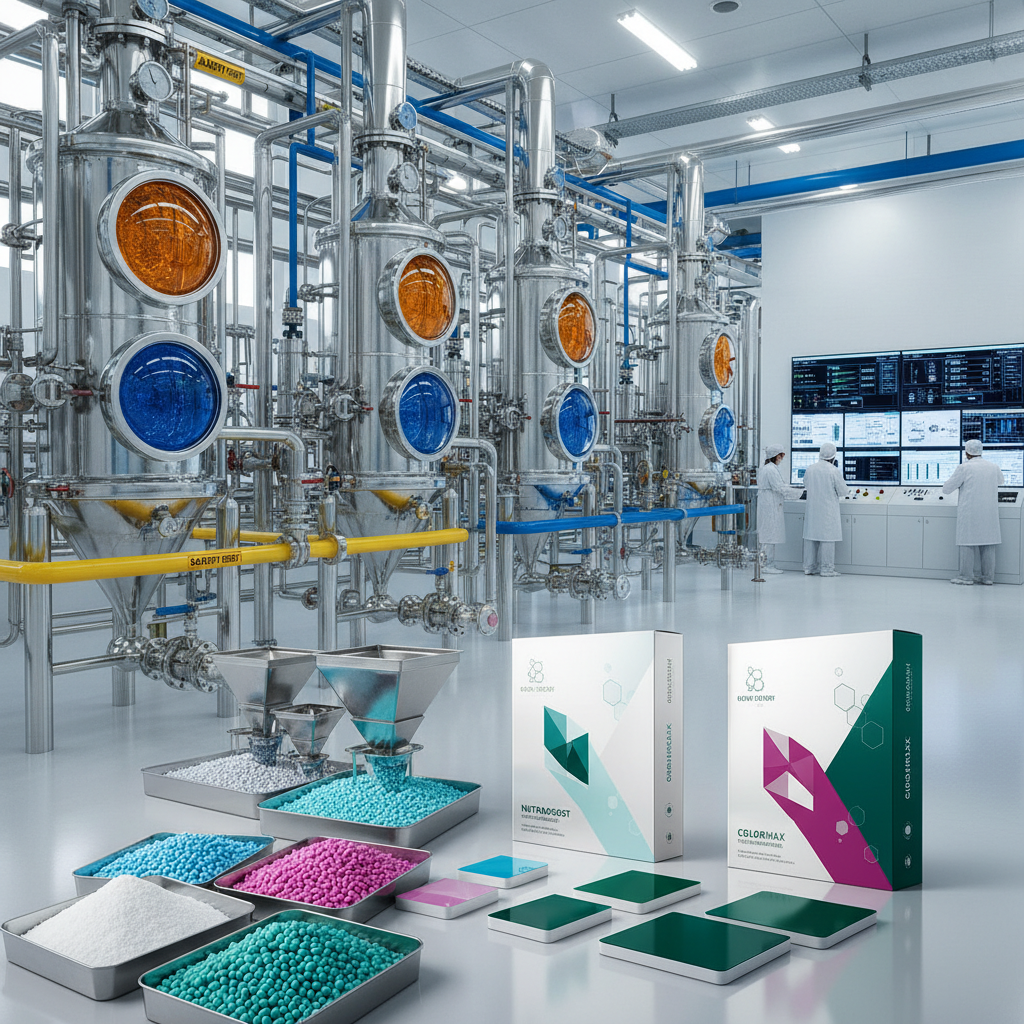
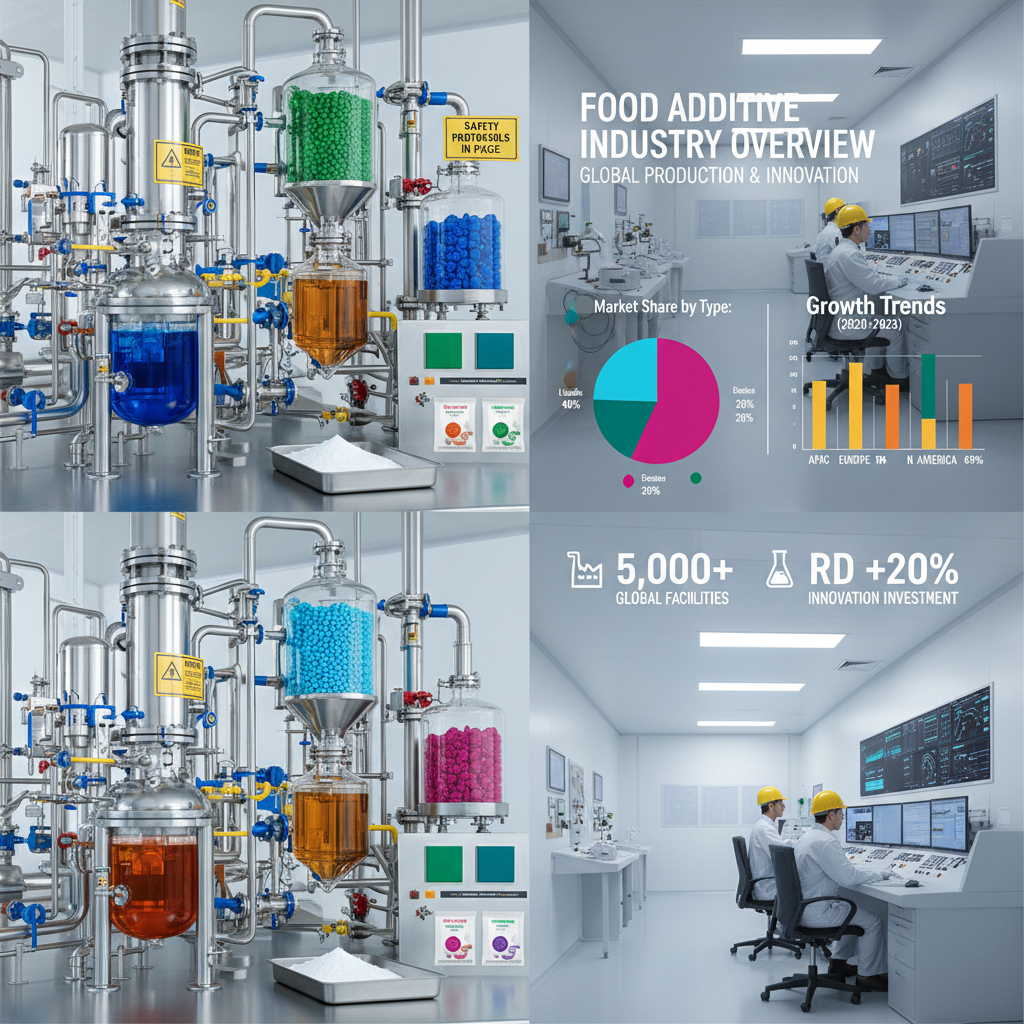
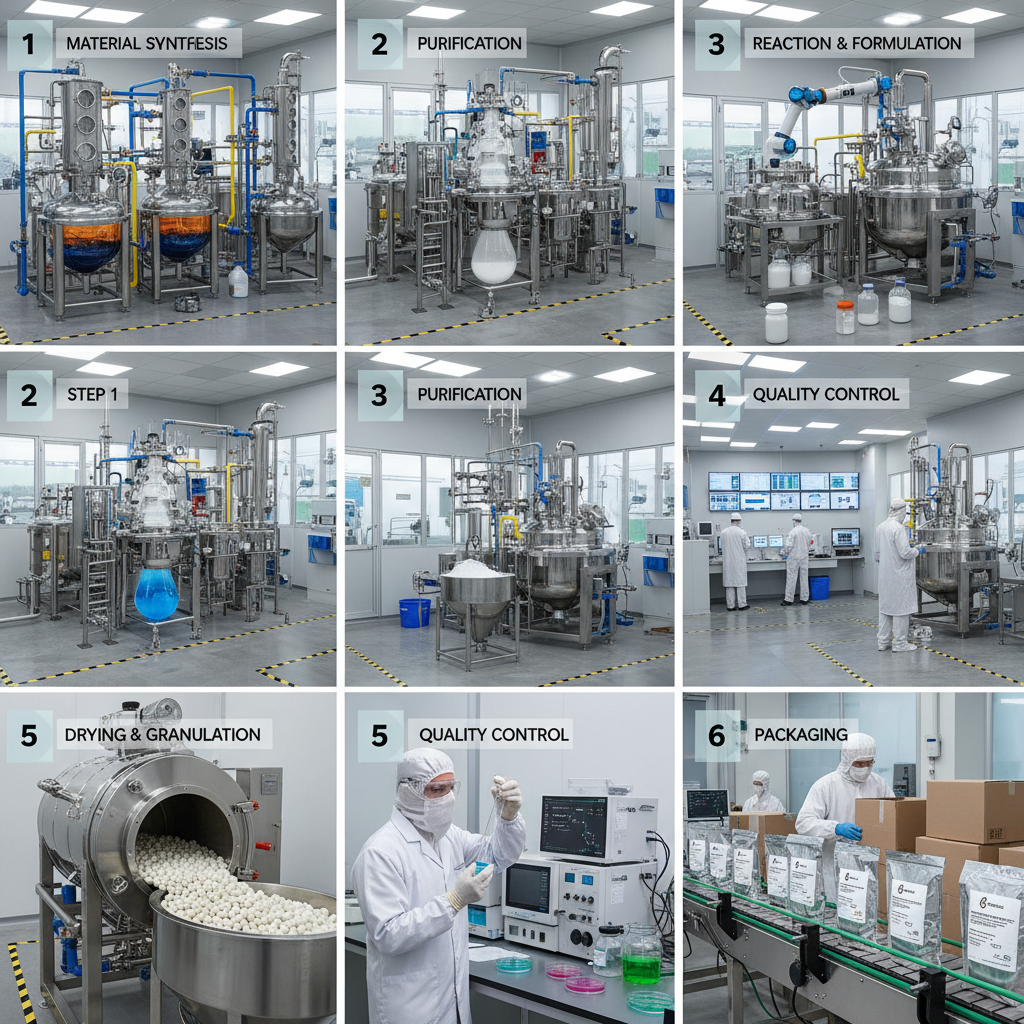
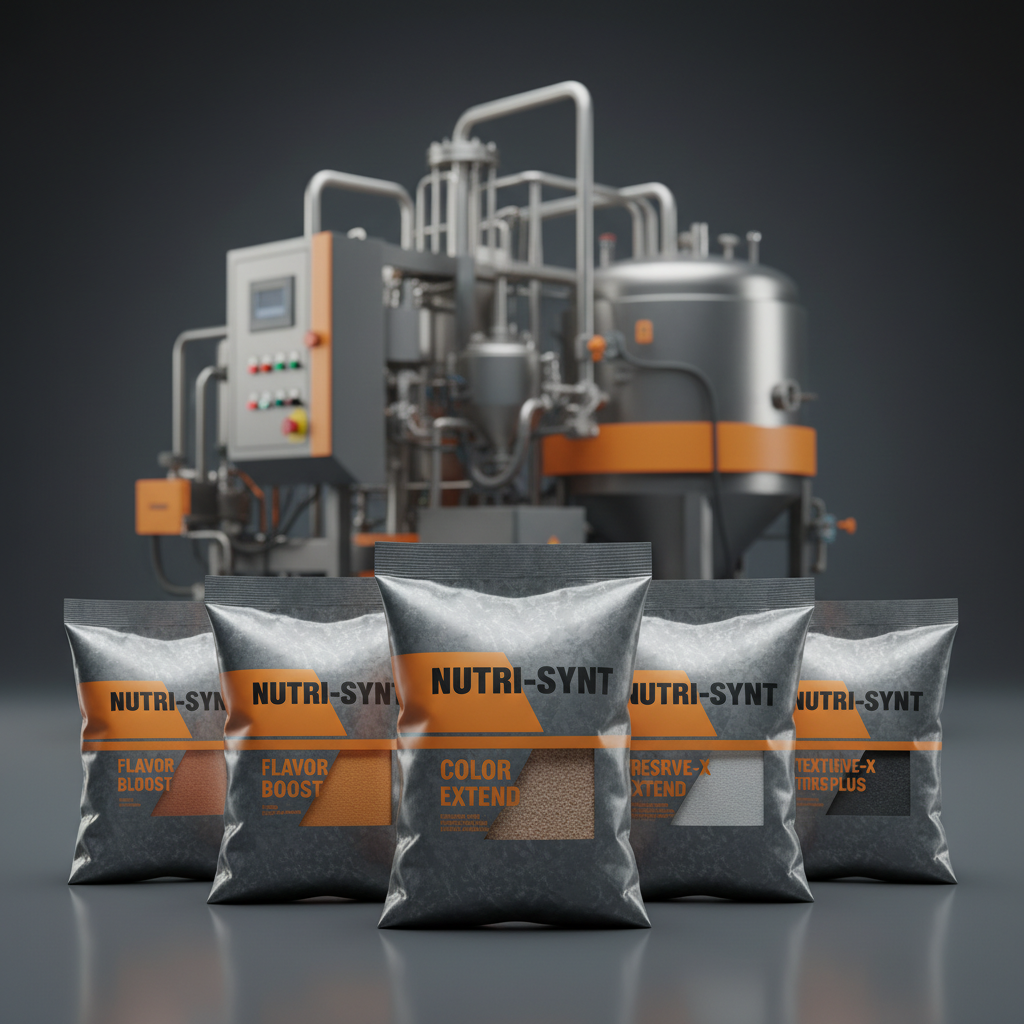
The global food supply chain relies heavily on the technical expertise of food additive companies to ensure that products remain safe, nutritious, and appealing from the factory to the consumer's table. In an era of rapid urbanization and expanding global trade, these organizations play a pivotal role in extending shelf life and maintaining the sensory characteristics of processed foods, effectively reducing waste on a planetary scale.
Understanding the landscape of these specialized manufacturers is essential for food brands seeking to balance clean-label trends with the functional necessity of preservatives and enhancers. By leveraging advanced chemistry and biotechnology, modern additive producers are transitioning toward natural alternatives that satisfy both regulatory requirements and the growing consumer demand for transparency.
Ultimately, the synergy between food science and industrial manufacturing allows for the stabilization of volatile ingredients, ensuring that essential nutrients reach remote populations. The impact of leading food additive companies extends beyond simple taste enhancement; it is a fundamental pillar of global food security and industrial efficiency.
Global Relevance of Food Additive Companies
The global food additive market is a multi-billion dollar industry that intersects with health, logistics, and chemistry. As reported by international trade bodies, the demand for processed foods has risen by nearly 30% in developing economies over the last decade, placing immense pressure on food additive companies to provide scalable solutions for preservation and fortification.
These companies address the critical challenge of food spoilage, which the FAO estimates accounts for nearly one-third of all food produced for human consumption. By implementing precise antimicrobial and antioxidant agents, additive manufacturers help stabilize the global food supply, ensuring that caloric and nutritional needs are met even in regions with poor cold-chain infrastructure.
Defining the Role of Additive Manufacturers
In simple terms, food additive companies are specialized chemical and biological manufacturers that produce substances added to food to maintain or improve its safety, freshness, taste, texture, or appearance. Unlike primary food producers, these firms focus on the molecular level, creating concentrated ingredients like emulsifiers, stabilizers, and flavor enhancers.
The connection between these companies and modern humanitarian needs is profound. For instance, the production of pharmaceutical-grade intermediates and food-grade vitamins allows for the mass-fortification of staple grains (like rice and flour), which prevents widespread micronutrient deficiencies in impoverished populations across Asia and Africa.
Beyond nutrition, these manufacturers serve as the technical backbone for the convenience food industry. From the texture of a plant-based burger to the shelf-stability of a baby formula, the intellectual property held by these companies allows for the creation of consistent, safe, and affordable food products for a growing global population.
Core Components of High-Quality Food Additives
When evaluating the output of food additive companies, purity and stability are the primary benchmarks. High-purity additives ensure that no unwanted chemical by-products enter the food chain, while stability ensures that the additive remains active throughout the product's intended shelf life, regardless of temperature fluctuations.
Scalability is another critical factor. The most successful food additive companies utilize advanced fermentation and synthesis processes that can ramp up production from laboratory samples to kiloton batches without compromising the chemical integrity of the product.
Finally, cost-efficiency and regulatory compliance (such as FDA, EFSA, and ISO certifications) dictate the commercial viability of these components. Companies that can integrate sustainable sourcing with low-cost production methods provide a significant competitive advantage to the food brands they supply.
Global Applications and Industrial Use Cases
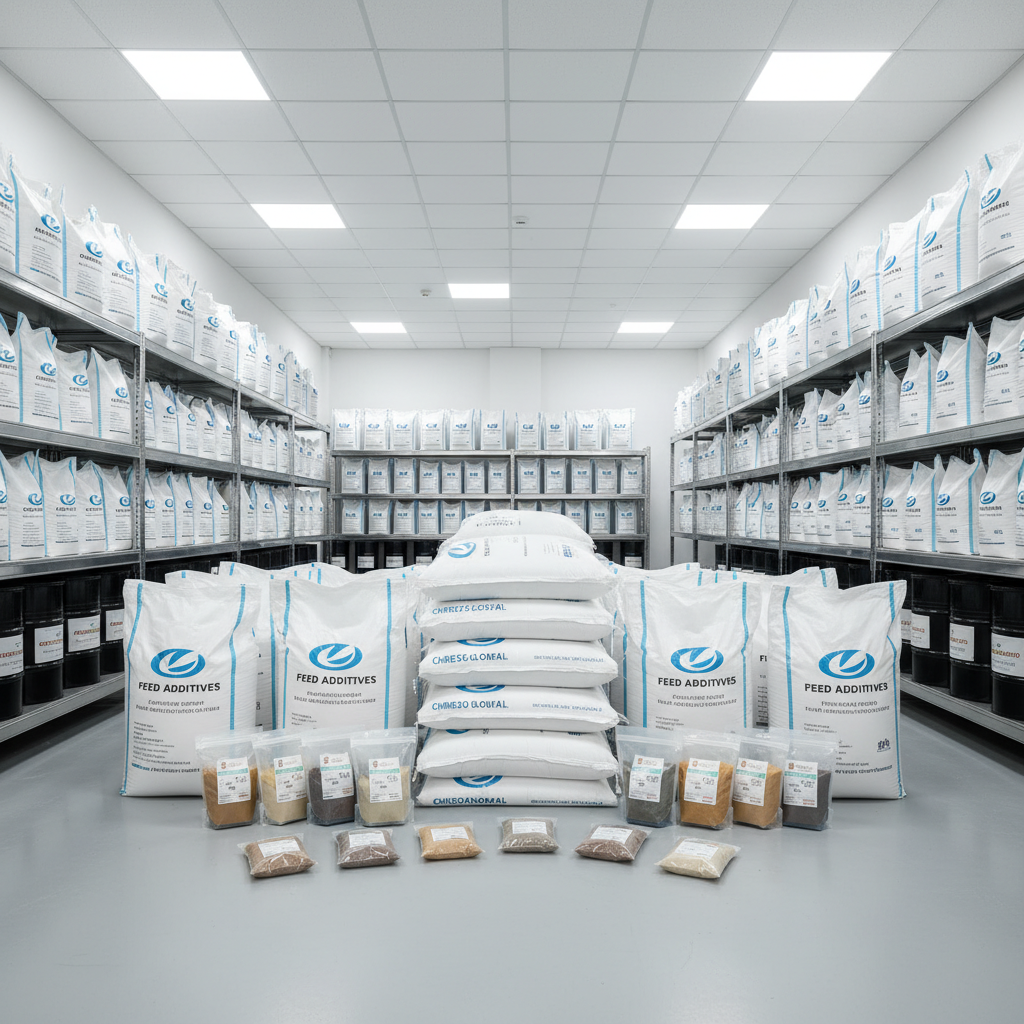
The practical application of products from food additive companies varies wildly across different sectors. In the pharmaceutical intermediates sector, these additives are used to stabilize active ingredients in supplements. In the feed additive industry, they enhance the growth rates and health of livestock, reducing the need for prophylactic antibiotics.
Real-world use cases are particularly evident in crisis management. In post-disaster relief operations, high-calorie, nutrient-dense pastes are deployed to malnourished children; these products rely entirely on specialized emulsifiers and stabilizers to remain edible and nutrient-stable in extreme tropical heat without refrigeration.
Comparative Efficiency of Additive Production Methods
Long-Term Value and Sustainability Benefits
The long-term value provided by food additive companies extends beyond the immediate balance sheet. By improving the shelf-life of perishable goods, these companies directly contribute to the reduction of landfill waste and methane emissions associated with rotting food, aligning industrial goals with global sustainability targets.
Furthermore, there is an emotional and logical dimension to this trust. When a consumer buys a product, they rely on the implicit safety guarantees provided by the additive manufacturers. Innovation in "clean-label" additives—those derived from natural sources like citrus or rosemary—builds brand loyalty and ensures that the industry evolves with the health-conscious values of the modern consumer.
Future Trends in Food Additive Technology
The next frontier for food additive companies is the integration of precision fermentation and synthetic biology. This allows for the creation of identical-to-nature flavors and preservatives without the need for large-scale agricultural land, drastically reducing the environmental footprint of additive production.
Digital transformation is also reshaping the industry. AI-driven molecular modeling is now used to predict how a new stabilizer will interact with various food matrices, reducing the "trial and error" phase of R&D. This automation allows companies to bring safer, more effective additives to market in a fraction of the traditional time.
Additionally, the shift toward "personalized nutrition" will likely lead to the development of functional additives that can be tailored to specific dietary needs or health conditions, moving the industry from mass-market stabilization to precision health enhancement.
Challenges and Strategic Solutions
Despite their utility, food additive companies face significant challenges, primarily regarding consumer perception. The "chemophobia" trend has led many consumers to view any additive as inherently harmful, regardless of scientific evidence or regulatory approval.
To overcome this, industry leaders are adopting a strategy of radical transparency. By providing detailed sourcing information and investing in educational marketing, companies can shift the narrative from "chemical additives" to "functional food ingredients" that enhance safety and nutrition.
Another hurdle is the volatility of raw material costs. Strategic solutions include the diversification of supply chains and the investment in circular economy models, where waste streams from other food processes are upcycled into high-value additives.
Strategic Analysis of Additive Production Challenges and Solutions
| Challenge Category |
Primary Pain Point |
Recommended Solution |
Impact Score (1-10) |
| Consumer Perception |
Fear of synthetic chemicals |
Clean-label reformulation |
9 |
| Regulatory Compliance |
Varying global standards |
ISO Global Harmonization |
8 |
| Supply Chain |
Raw material volatility |
Vertical integration |
7 |
| Production Cost |
High energy consumption |
Green energy transition |
8 |
| Product Stability |
Degradation in transit |
Micro-encapsulation tech |
9 |
| R&D Speed |
Long testing cycles |
AI-driven molecular simulation |
10 |
FAQS
Top-tier companies prioritize rigorous quality control, traceability, and regulatory compliance (like GRAS status). While low-cost suppliers may offer basic ingredients, premium manufacturers provide technical support, customized formulations, and guarantee purity levels that prevent batch-to-batch inconsistency in final food products.
In many cases, yes, though they may require higher dosages or specialized delivery systems like encapsulation. Modern food additive companies are successfully utilizing plant-based extracts (e.g., celery powder for nitrates) to achieve similar preservative effects while meeting "clean label" consumer demands.
Safety is ensured through a combination of toxicological testing, adherence to international standards (ISO, HACCP), and strict dosage guidelines. Leading firms conduct stability tests under various environmental conditions to ensure the additive does not break down into harmful compounds during storage.
Absolutely. Specialized manufacturers provide certified additives that avoid animal-derived stabilizers (like gelatin) or alcohol-based solvents. They provide the necessary documentation (COAs) to help food brands secure Vegan, Halal, or Kosher certifications for their end products.
Many food additive companies also produce pharmaceutical intermediates because the synthesis processes are similar. These high-purity compounds are often used in the fortification of foods with vitamins and minerals, ensuring the nutrients are bioavailable and stable during the manufacturing process.
Brands should evaluate potential partners based on their R&D capabilities, their history of regulatory compliance, and their ability to scale. Requesting a detailed Technical Data Sheet (TDS) and a sample for pilot testing is the standard professional approach to verify quality.
Conclusion
The operational success of the global food industry is inextricably linked to the innovation and reliability of food additive companies. From the critical task of extending shelf life to the complex science of nutrient fortification, these manufacturers provide the invisible but essential infrastructure that makes modern, safe, and diverse diets possible. By balancing the need for functional efficiency with the growing demand for natural, transparent ingredients, they continue to drive the evolution of food science.
Looking forward, the transition toward bio-based additives and AI-optimized production will further minimize the environmental impact of the industry. For food manufacturers, the key to long-term success lies in partnering with additive suppliers who prioritize sustainability and scientific transparency. To explore high-quality solutions for your production needs, visit our website: www.chinaseasoning.com.