In the competitive landscape of the global food industry, the demand for efficient, scalable, and high-quality seasoning solutions has led to the widespread adoption of bulk chicken stock powder. This versatile ingredient serves as the foundational flavor profile for countless processed foods, from instant soups to gourmet snack seasonings, offering a consistent taste that is difficult to achieve through traditional simmering in large-scale industrial settings.
The global shift toward convenience foods and the expansion of the hospitality sector have catalyzed a surge in the procurement of high-grade flavor enhancers. For manufacturers, sourcing bulk chicken stock powder is not merely about cost reduction; it is about ensuring a standardized sensory experience across different batches and geographic markets, mitigating the volatility of raw poultry prices.
Understanding the technical nuances of this additive—ranging from its solubility and salt content to its amino acid profile—is crucial for food technologists aiming to optimize product formulation. By leveraging the advantages of concentrated powders, brands can significantly reduce logistics costs and extend shelf life without compromising the authentic, savory depth that consumers expect from a premium chicken base.
Global Market Context of Bulk Chicken Stock Powder
The global appetite for savory flavor enhancers has grown exponentially, with the bulk chicken stock powder market reflecting a broader trend toward "industrialized convenience." According to food industry analytics, the integration of standardized flavor bases allows multinational food corporations to maintain taste parity across diverse regions, solving the perennial problem of local ingredient variability.
As urban populations rise and the demand for ready-to-eat (RTE) meals peaks, the logistics of using fresh stock become untenable. Bulk powder solutions address this by offering a shelf-stable, lightweight alternative that adheres to ISO and HACCP food safety standards, ensuring that the "umami" profile remains intact from the manufacturing plant to the end consumer's plate.
Defining Technical Standards for Chicken Stock Powders
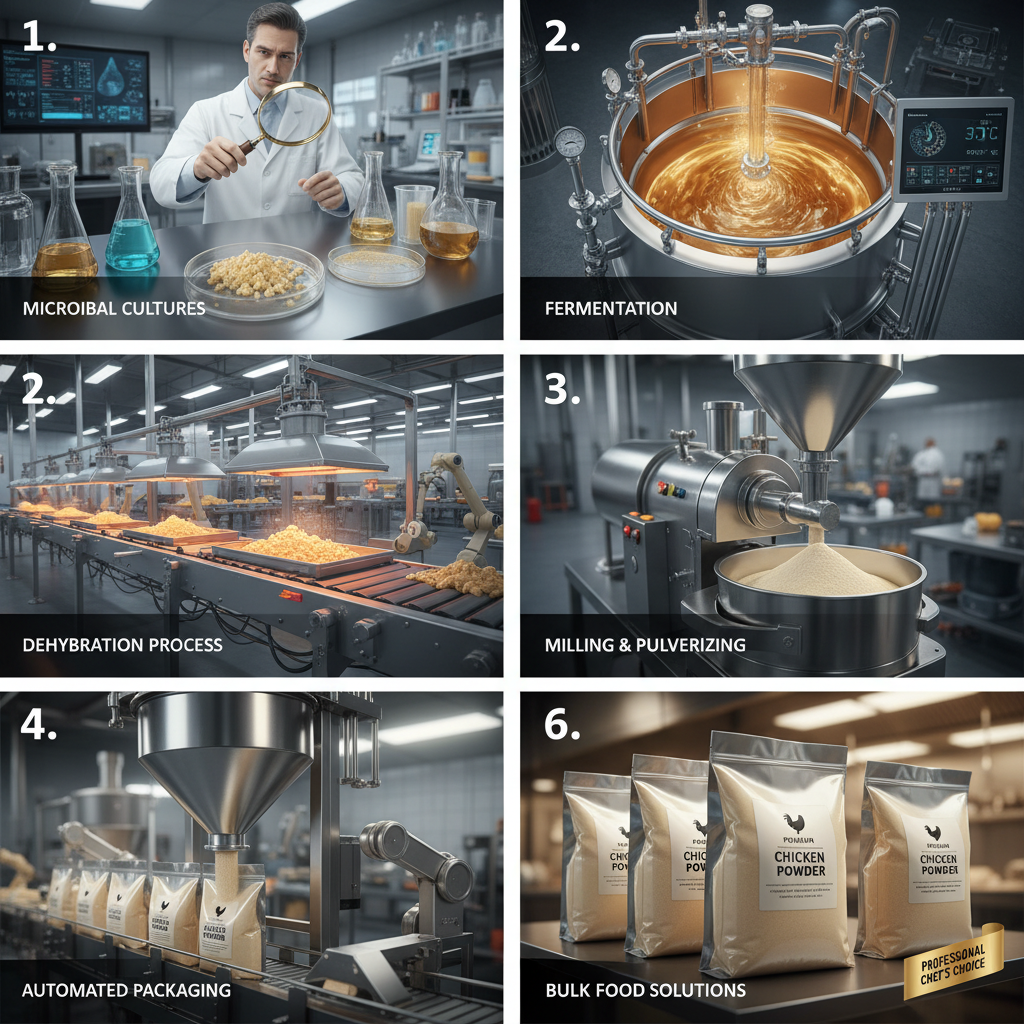
At its core, bulk chicken stock powder is a dehydrated concentrate consisting of chicken extracts, salt, maltodextrin, and a blend of aromatic spices. Unlike consumer-grade bouillon cubes, industrial bulk powders are engineered for high solubility and rapid dispersion, allowing them to integrate seamlessly into large-scale vats of liquid or dry mix formulations without clumping.
From a technical standpoint, these powders are the bridge between traditional culinary arts and modern food chemistry. They utilize spray-drying or freeze-drying technologies to capture the volatile organic compounds (VOCs) that give chicken stock its characteristic aroma, ensuring that the olfactory experience is as potent as the taste.
In the context of humanitarian aid and emergency food supplies, these powders provide a critical nutritional and psychological benefit. By offering a familiar, savory flavor in a compact form, they improve the palatability of basic grains and legumes in disaster-relief zones, where fresh meat is often unavailable or impossible to transport.
Core Components and Quality Drivers
The quality of bulk chicken stock powder is primarily determined by its amino acid profile, specifically the concentration of glutamates. These compounds trigger the umami receptors on the tongue, creating the perception of "meatiness" and depth that defines a high-quality stock.
Another critical factor is the carrier agent, typically maltodextrin or corn starch. The choice of carrier affects the powder's flowability and hygroscopicity. A superior bulk chicken stock powder will resist caking in humid warehouse conditions, ensuring that the product remains free-flowing for automated dosing systems in the factory.
Finally, salt balance and spice integration play a pivotal role. Modern formulations often use a synergy of yeast extracts and natural chicken fat powders to mimic the mouthfeel of a slow-simmered bone broth, providing a rich, velvety texture that elevates the overall profile of the final food product.
Scalability and Cost Efficiency in Production
For large-scale food processors, the transition to bulk chicken stock powder offers an immediate reduction in operational overhead. The elimination of the "simmering phase" reduces energy consumption, water usage, and the need for massive refrigeration units to store liquid bases, thereby lowering the carbon footprint of the production facility.
Furthermore, the precision of pre-measured powders allows for exact cost-per-unit calculations, removing the guesswork associated with raw ingredient yield. This scalability ensures that whether a company is producing 1,000 or 1,000,000 units, the taste remains identical.
Performance Comparison of Bulk Chicken Stock Powder Methods
Global Applications and Industrial Use Cases
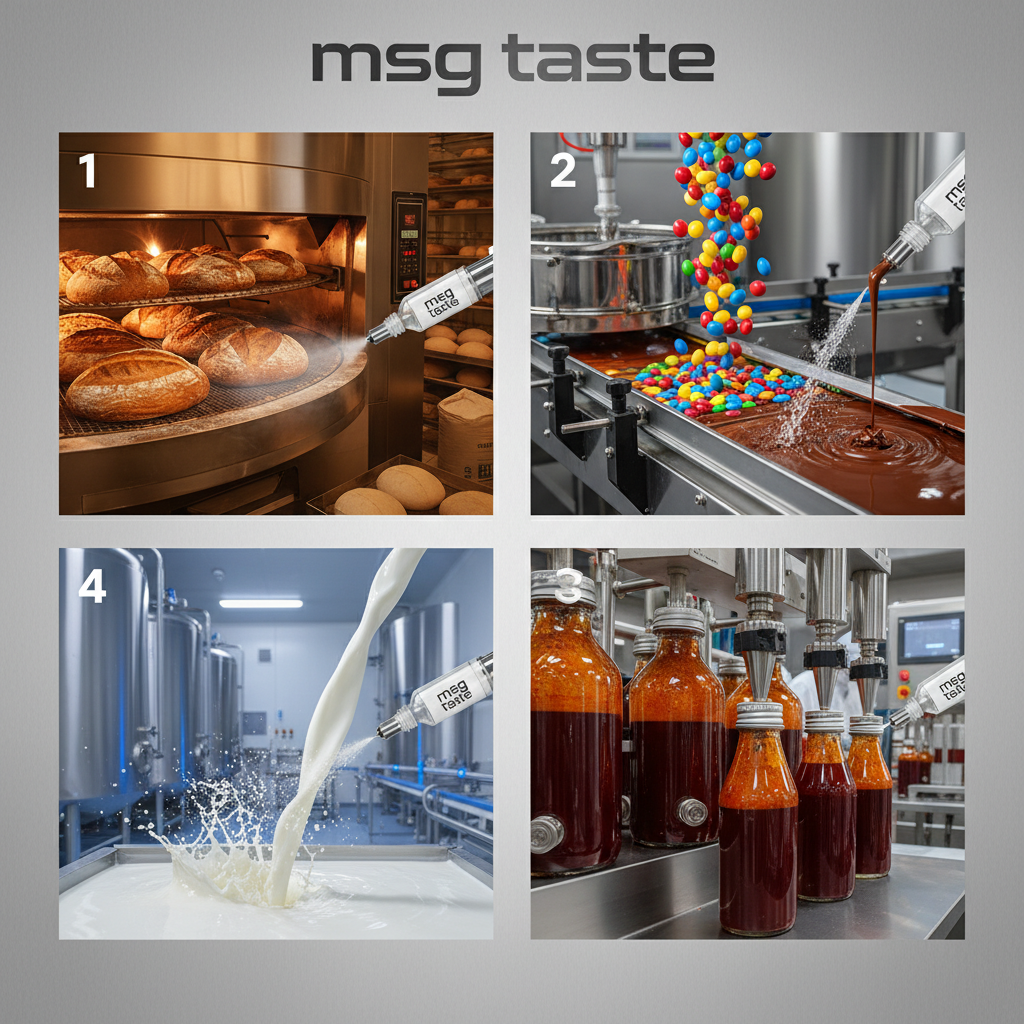
The application of bulk chicken stock powder spans multiple industries. In the snack food sector, it is used as a primary coating for extruded corn puffs and potato chips, providing a savory punch that encourages repeat consumption. In the instant noodle industry, it forms the basis of the seasoning sachet, where stability under varying temperature conditions is paramount.
Beyond commercial food, it is widely used in institutional catering, such as military rations (MREs) and remote mining camp kitchens. In these environments, the ability to create a nourishing, flavorful meal from a powder base ensures that personnel maintain morale and caloric intake despite the logistical challenges of remote industrial zones.
Long-Term Value and Sustainability Benefits
Investing in high-quality bulk chicken stock powder provides long-term strategic value by stabilizing supply chains. By reducing reliance on the volatile fresh poultry market, manufacturers can lock in pricing and guarantee production schedules, which is essential for maintaining retail partnerships and avoiding "out-of-stock" scenarios.
From a sustainability perspective, the powder format drastically reduces the weight of shipments, leading to fewer trucks on the road and a significant decrease in CO2 emissions. The reduction in water waste during the cooking process also aligns with global ESG (Environmental, Social, and Governance) goals, making the production process more eco-friendly.
Moreover, the reliability of these additives fosters trust between the manufacturer and the consumer. When a product tastes the same every time, it builds brand loyalty and a sense of safety, which are the most valuable intangible assets in the food and beverage industry.
Future Innovations in Flavor Technology
The future of bulk chicken stock powder lies in the intersection of biotechnology and clean-label movements. We are seeing a shift toward "fermentation-derived" chicken flavors, where precision fermentation is used to create the same savory proteins without the need for animal slaughter, catering to the growing vegan and flexitarian markets.
Digital transformation is also hitting the production line. AI-driven flavor profiling is now being used to analyze consumer taste preferences in real-time, allowing manufacturers to tweak the salt and spice ratios of their bulk powders to match regional trends with surgical precision.
Automation in dosing and blending is further reducing human error, ensuring that the integration of these powders into final products is flawless. As sustainability becomes a legal requirement rather than a choice, the development of biodegradable packaging for bulk powders will be the next major leap forward.
Comparative Analysis of Bulk Chicken Stock Powder Specifications
| Product Grade |
Solubility Speed |
Flavor Intensity |
Shelf Life (Months) |
| Standard Industrial |
Moderate |
Medium |
12 |
| Premium Gourmet |
High |
High |
18 |
| Low Sodium/Health |
High |
Medium-Low |
12 |
| Agglomerated Instant |
Ultra-High |
Medium |
24 |
| Organic Certified |
Moderate |
High |
10 |
| Custom Formulation |
Variable |
Variable |
15 |
FAQS
Bulk chicken stock powder is engineered for industrial applications, emphasizing high solubility, consistent flavor profiles across tons of product, and specific particle sizes for automated machinery. Consumer bouillon often contains more fillers and is designed for small-scale home use, lacking the precise technical specifications required for large-scale food manufacturing.
To maintain the integrity of bulk chicken stock powder, it should be stored in a cool, dry environment with humidity levels below 60%. Using moisture-barrier packaging, such as multi-wall kraft bags with PE liners, prevents caking and oxidation of the fats, ensuring a shelf life of up to 24 months.
Traditional chicken stock powder is animal-based. However, many manufacturers now offer "chicken-style" savory powders using yeast extracts and hydrolyzed vegetable proteins. These provide the same umami profile and "chicken" taste while remaining 100% plant-based and vegan-friendly.
Liquid stock is primarily water, which adds immense weight and volume to shipments. Powdered versions remove the water, reducing the shipping weight by up to 90%. This allows for more product per container, lowers freight costs, and eliminates the need for expensive refrigerated transport.
When sourcing, ensure the supplier holds ISO 22000 or FSSC 22000 certifications for food safety management. Depending on your market, HACCP compliance, HALAL, and KOSHER certifications are also critical to ensure the product meets international regulatory and dietary standards.
The savory depth is achieved through a combination of naturally occurring glutamates from chicken extract and the addition of yeast extracts. These ingredients work synergistically to stimulate the taste buds, creating a rich, lingering flavor that mimics the results of a long-simmered bone broth.
Conclusion
In summary, bulk chicken stock powder is an indispensable tool for the modern food manufacturer, offering an unparalleled balance of flavor consistency, cost efficiency, and logistical convenience. From its role in reducing environmental impact to its ability to stabilize production costs in a volatile market, the strategic implementation of high-quality flavor bases is a key driver of industrial success.
As the industry moves toward cleaner labels and sustainable sourcing, the evolution of chicken stock technology will continue to provide innovative solutions for food scientists and chefs alike. By prioritizing technical specifications and supplier reliability, brands can ensure their products not only taste superior but are also produced with maximum efficiency. Visit our website: www.chinaseasoning.com