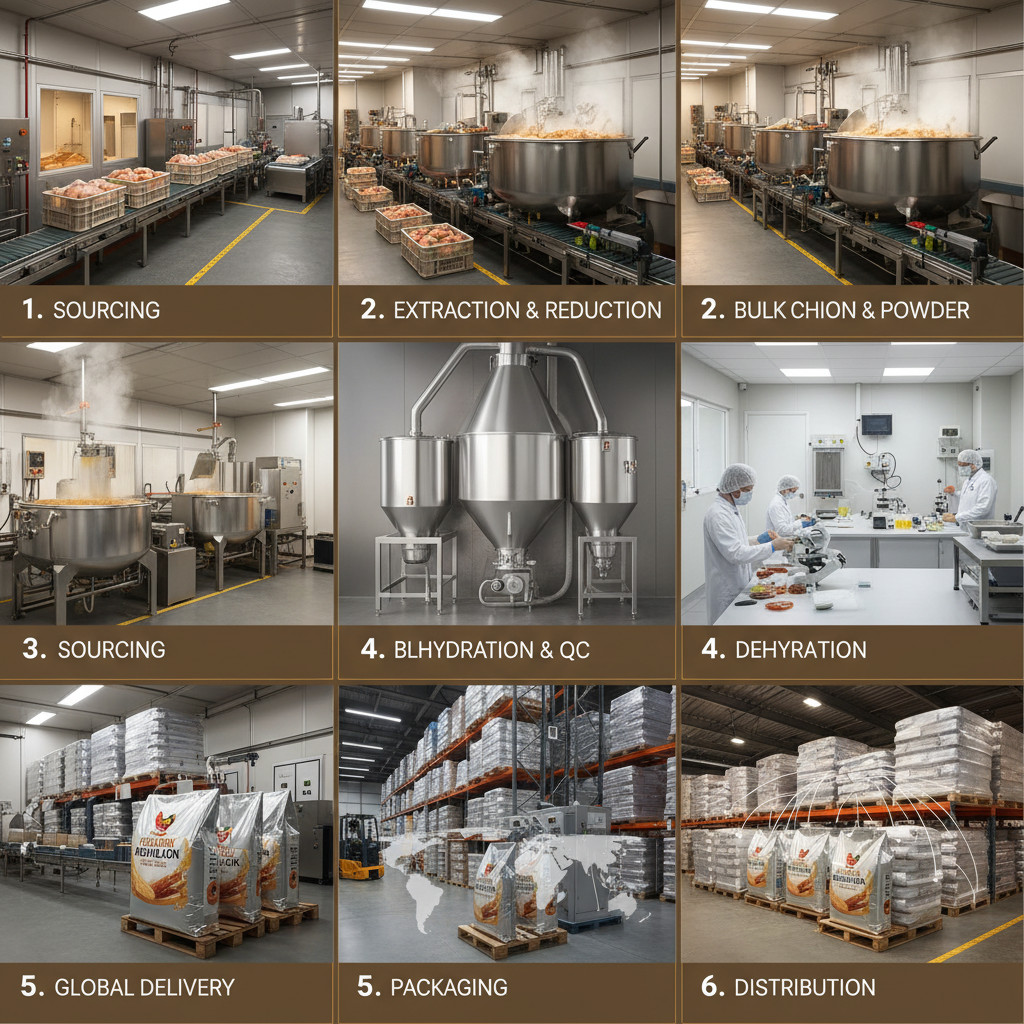
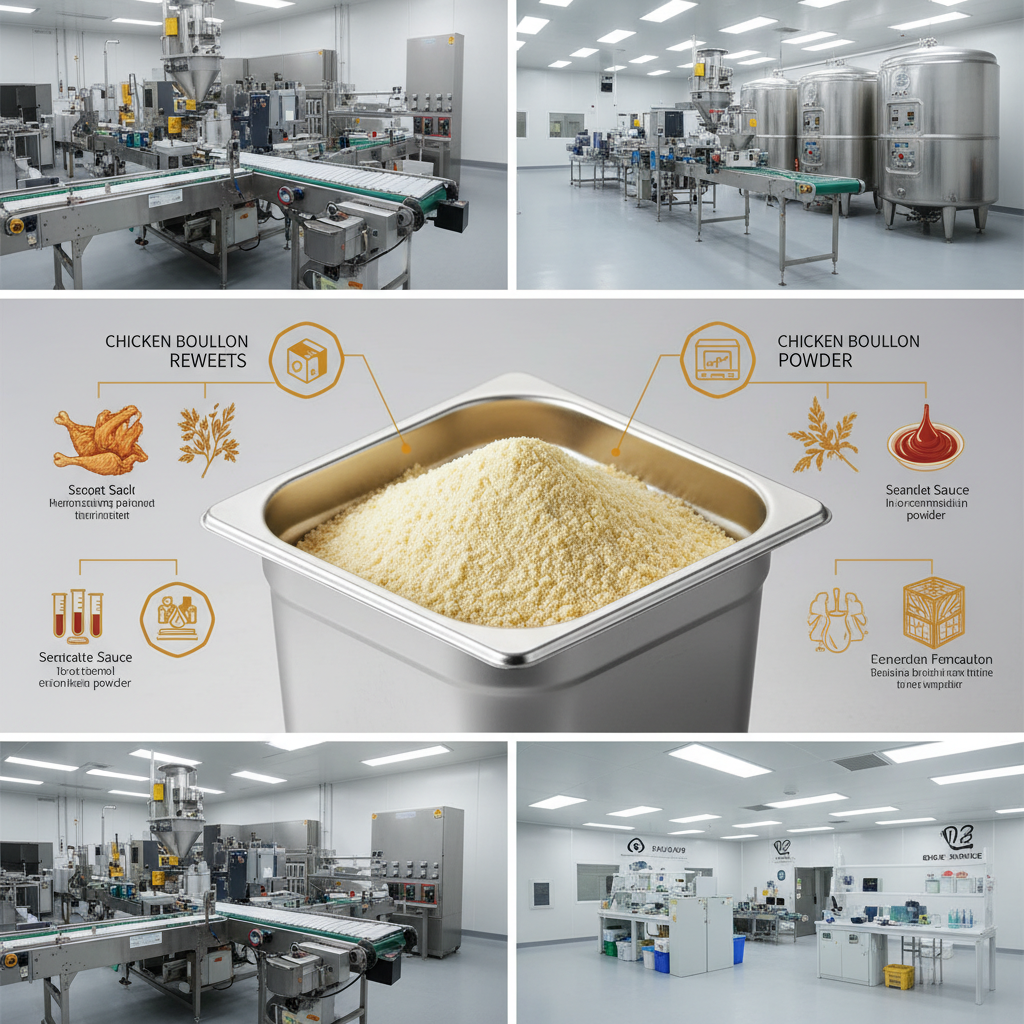
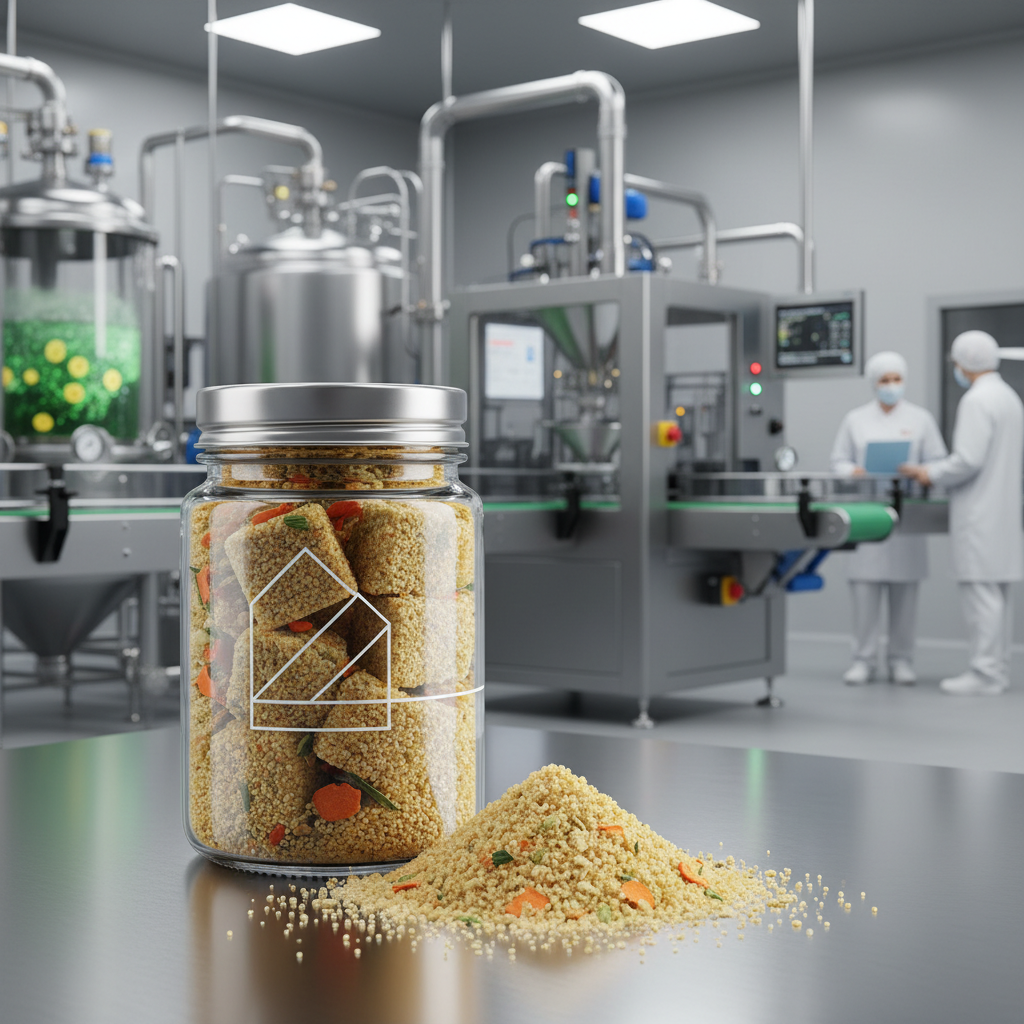
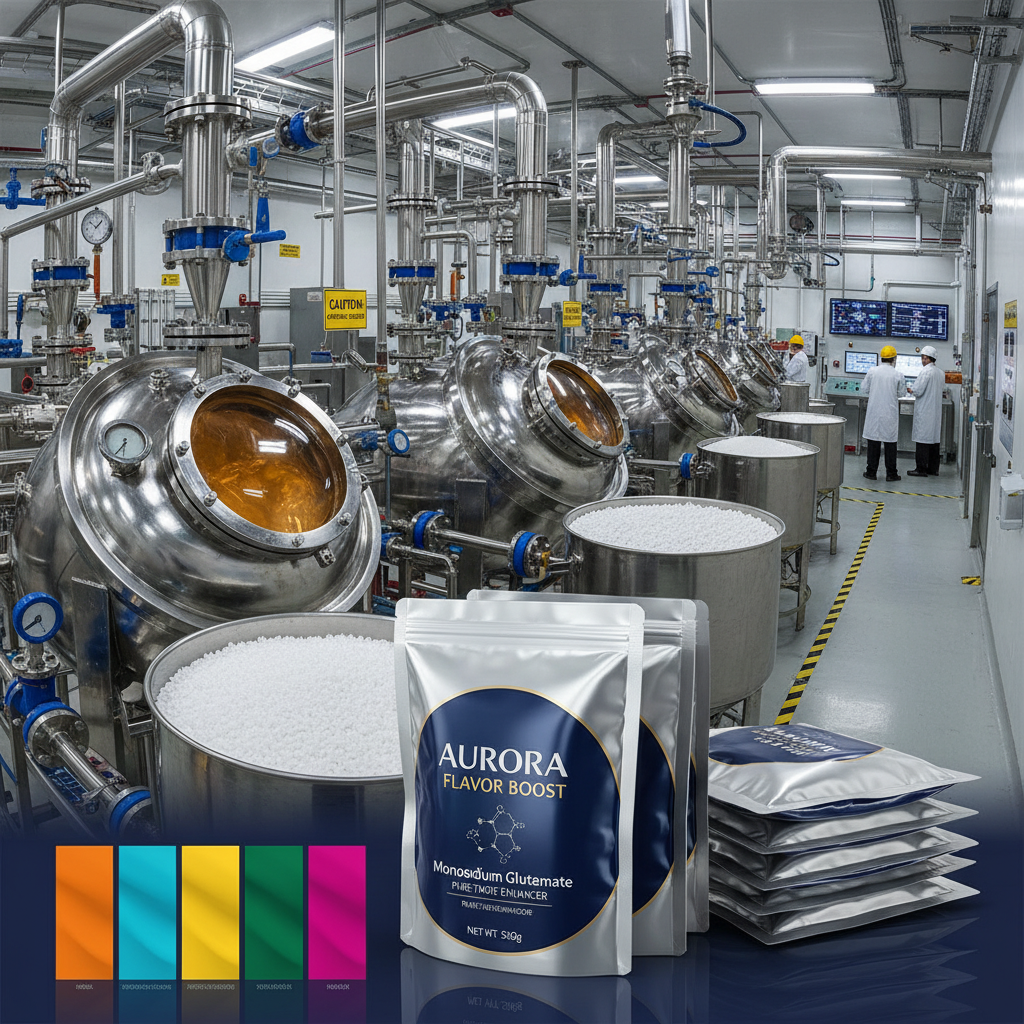
In the competitive landscape of global food production, the demand for consistent, high-quality seasoning bases has led to the rise of bulk chicken bouillon powder as a cornerstone for industrial kitchens and food manufacturers. This versatile ingredient provides a standardized flavor profile that allows brands to maintain taste consistency across different batches and geographical regions, reducing the volatility associated with fresh raw materials.
From a commercial perspective, integrating a high-grade powdered base into the production line streamlines the culinary process, eliminating the need for labor-intensive simmering of chicken carcasses. This shift not only optimizes operational efficiency but also significantly lowers the overhead costs associated with energy consumption and waste management in large-scale food processing facilities.
Understanding the technical specifications and procurement strategies for bulk chicken bouillon powder is essential for businesses looking to scale. Whether it is used as a foundational element in instant soups or as a flavor enhancer in processed meats, the quality of the bulk powder directly impacts the final product's marketability and consumer acceptance.
Global Market Dynamics of Bulk Chicken Bouillon Powder
The global appetite for convenient, savory flavor enhancers has pushed bulk chicken bouillon powder into a high-growth category within the food additive industry. According to recent market trends, the shift toward "ready-to-eat" and "ready-to-cook" meals has created a surge in demand for concentrated powders that can be easily integrated into automated manufacturing lines. This is particularly evident in emerging economies where urban population growth has increased the reliance on processed convenience foods.
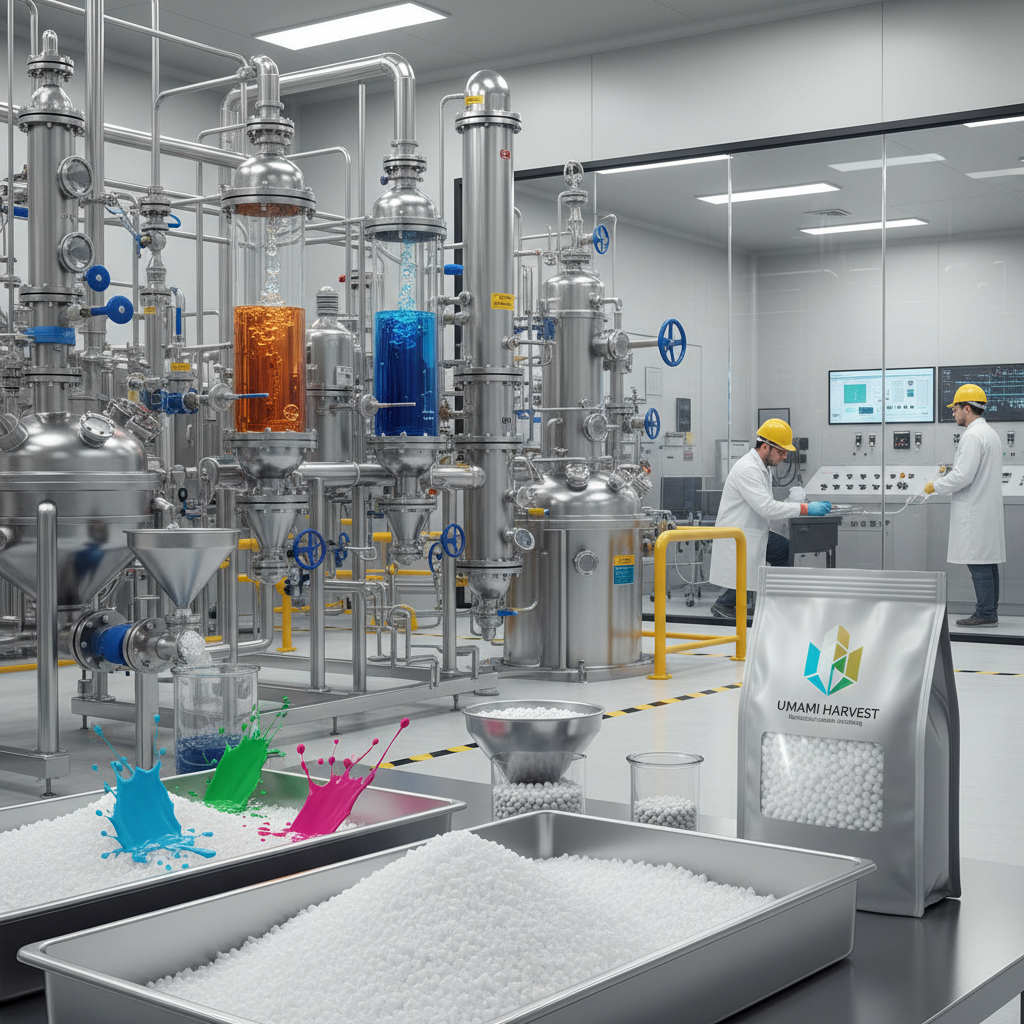
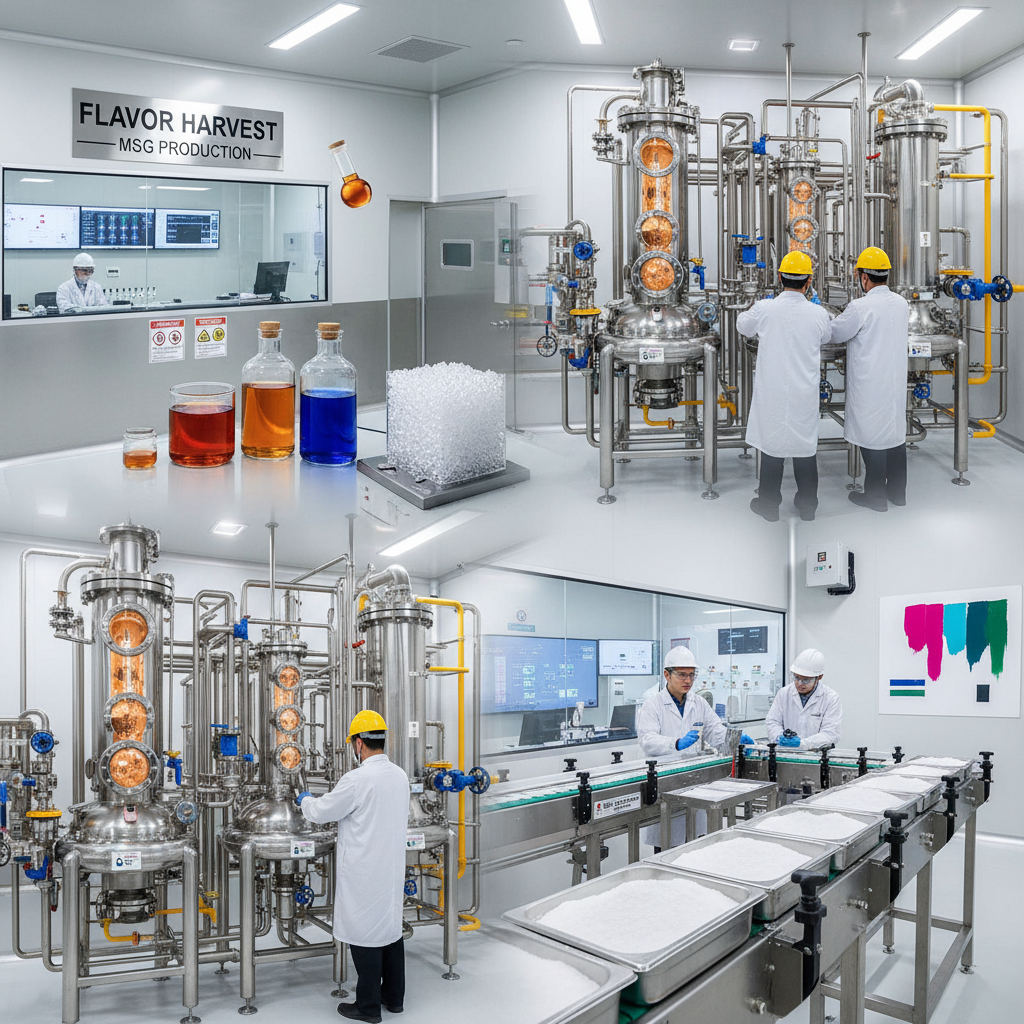
However, the industry faces a significant challenge: the tension between cost-reduction and the demand for "clean label" ingredients. Many manufacturers struggle to balance the use of flavor enhancers like MSG with the growing consumer preference for natural extracts. Consequently, the market is seeing a pivot toward advanced spray-drying techniques and natural yeast extracts to maintain the rich, umami profile of chicken bouillon while meeting stringent international food safety and health standards.
Technical Definition and Industrial Composition
At its core, bulk chicken bouillon powder is a dehydrated seasoning blend designed to replicate the taste of slow-simmered chicken stock. It is produced through a combination of chicken meat extracts, salt, sugar, and a precise mix of aromatic spices and stabilizers. The goal is to create a highly soluble powder that dissolves instantly in water or integrates seamlessly into oily bases, providing a consistent salty, savory, and aromatic foundation.
In the context of modern food manufacturing, this product serves as more than just a seasoning; it is a functional food additive. By concentrating the flavor, manufacturers can reduce the volume of liquid ingredients in their recipes, which in turn lowers shipping costs and extends the shelf life of the final product. This makes it an indispensable tool for companies producing dehydrated soups, gravy mixes, and seasoned snacks.
From a humanitarian and logistical standpoint, the bulk powdered form is revolutionary for food aid and emergency relief. Because it is lightweight, nutrient-dense in flavor, and resistant to spoilage, it can be transported to remote areas or disaster zones more efficiently than liquid bases, providing necessary flavor and salt to basic starch-based rations in challenging environments.
Core Factors for Industrial Quality Control
When sourcing bulk chicken bouillon powder, the first critical factor is Solubility and Particle Size. A powder that clumps or fails to dissolve evenly can lead to "flavor spots" in the final product, which is a major quality failure in industrial food production. Achieving a uniform micron size ensures that the flavor is distributed evenly across thousands of liters of product.
Another vital consideration is Flavor Stability. The volatile aromatic compounds that give chicken bouillon its characteristic smell can degrade over time or under high heat. High-quality bulk chicken bouillon powder utilizes encapsulation technology to protect these flavor molecules, ensuring the product tastes the same on the day of packaging as it does six months later.
Finally, Regulatory Compliance and Purity cannot be overlooked. Depending on the target market (EU, USA, or Asia), different standards for sodium content, GMO ingredients, and synthetic additives apply. Rigorous testing for heavy metals and microbial contaminants is essential to ensure that the bulk powder meets the safety requirements of the pharmaceutical-grade or food-grade certifications.
Economic Scalability and Cost Efficiency Analysis
The transition from using fresh chicken stock to bulk chicken bouillon powder represents a massive leap in economic scalability. For a mid-to-large scale manufacturer, the cost per unit of flavor is dramatically lower when purchased in bulk. The reduction in water weight during transport and the elimination of cold-chain requirements for the raw base result in a lean supply chain that maximizes profit margins.
Furthermore, the predictability of powdered ingredients allows for precise algorithmic dosing in automated factories. This eliminates the variance found in natural chicken stocks, where the fat content or saltiness may fluctuate between batches, thereby reducing the amount of wasted product due to quality deviations.
Comparative Efficiency of Bulk Chicken Bouillon Powder Methods
Global Applications Across Diverse Food Sectors
The versatility of bulk chicken bouillon powder allows it to permeate multiple industries. In the snack food sector, it is frequently used as a dry rub or a seasoning coating for extruded corn chips and crackers, where its high solubility allows for an even coat of savory flavor without adding excessive moisture that would ruin the crunch.
Beyond snacks, the pharmaceutical and nutraceutical industries occasionally utilize specific bouillon bases as flavor masks for protein-based supplements or meal replacement shakes. By masking the "chalky" taste of certain proteins with a familiar savory profile, manufacturers can create "savory" nutritional lines that appeal to consumers who prefer non-sweet breakfast or lunch options.
Long-term Value and Sustainability Benefits
Investing in high-quality bulk chicken bouillon powder offers significant long-term sustainability advantages. Traditional stock production requires immense amounts of water and generates substantial organic waste. By shifting to a concentrated powder, the carbon footprint associated with transporting water is eliminated, and the production process is often more energy-efficient through industrial-scale spray drying.
Moreover, the extended shelf life of bouillon powder reduces food waste at both the manufacturing and retail levels. Unlike liquid bases that require refrigeration and have short expiration dates, powdered bouillon can be stored for years in climate-controlled warehouses, ensuring that supply chains remain resilient even during global logistics disruptions.
From a brand loyalty perspective, the reliability of a standardized powder fosters trust. Consumers expect their favorite soup or snack to taste identical every time they buy it. By utilizing a consistent bulk source, companies avoid the "flavor drift" that occurs with natural ingredients, thereby securing long-term customer retention and brand equity.
Future Innovations in Flavor Technology
The future of bulk chicken bouillon powder is being shaped by "Green Chemistry" and digitalization. We are seeing the emergence of fermentation-derived flavor enhancers that mimic the taste of chicken without using animal proteins, catering to the rapidly growing plant-based and vegan markets. These "hybrid" bouillon powders offer the same savory depth but with a significantly lower environmental impact.
Automation and AI are also playing a role in the formulation process. AI-driven sensory analysis can now predict how a specific bulk powder will interact with other ingredients in a recipe, allowing manufacturers to tweak the salt and umami levels with mathematical precision before a single batch is produced. This reduces R&D costs and speeds up the time-to-market for new products.
Finally, the industry is moving toward "smart packaging" for bulk shipments. Sensors integrated into bulk bags can now monitor humidity and temperature in real-time, alerting the manufacturer if the conditions risk causing the powder to cake or degrade. This ensures that the bulk chicken bouillon powder arrives in peak condition, regardless of the distance traveled.
Technical Analysis of Bulk Chicken Bouillon Powder Grade Variations
| Grade Category |
Protein Concentration |
Solubility Rate |
Primary Application |
| Industrial Standard |
Medium (5-10%) |
High |
Instant Noodles & Soups |
| Premium Gourmet |
High (15-25%) |
Medium-High |
Restaurant Base Mixes |
| Low-Sodium Eco |
Medium (7-12%) |
High |
Health-Conscious Foods |
| Concentrated Extract |
Very High (30%+) |
Medium |
Professional Sauces |
| Plant-Based Hybrid |
Low (Yeast Based) |
Very High |
Vegan Alternatives |
| Budget Grade |
Low (2-5%) |
High |
Low-Cost Mass Production |
FAQS
When stored in a cool, dry place in airtight industrial packaging, bulk chicken bouillon powder typically has a shelf life of 12 to 24 months. The main factors affecting longevity are humidity and temperature; moisture can cause caking, while extreme heat can degrade the volatile aromatic compounds. We recommend climate-controlled warehousing to ensure maximum flavor potency.
The best approach is to request a sample and conduct a stability test in your final application. Consider the interaction between the bouillon powder and other ingredients (like acids or fats) and test for solubility at your specific production temperature. We can also provide custom formulations to adjust the sodium or protein levels to match your nutritional targets.
Yes, the industry has evolved to offer several clean-label options. Many manufacturers now use yeast extracts or hydrolyzed vegetable proteins to achieve the "umami" effect without using added MSG. Organic versions are also available, provided the source chicken extract and auxiliary spices are certified organic and processed in an approved facility.
Because bouillon powder is hygroscopic (absorbs moisture), it must be shipped in moisture-barrier packaging, such as multi-wall paper bags with a PE liner. For international shipments, palletizing with shrink-wrap is standard to prevent punctures and environmental exposure during transit. We recommend verifying the customs requirements for food additives in your destination country.
On a per-flavor-unit basis, bulk powder is significantly more cost-effective. You are not paying to transport water, and the storage costs are lower because no refrigeration is required. Additionally, the precision of weighing powder reduces ingredient waste compared to measuring liquid volumes in large vats.
Yes, but it depends on the grade. High-heat stable versions are formulated with heat-resistant carriers to prevent the flavor from "burning" or changing profile during baking or extrusion. If your process involves temperatures above 150°C, we recommend a specialized heat-stable grade of bulk chicken bouillon powder.
Conclusion
In summary, bulk chicken bouillon powder serves as a critical industrial tool that bridges the gap between culinary artistry and mass-market efficiency. By providing a stable, scalable, and cost-effective way to deliver deep savory flavors, it enables food manufacturers to maintain rigorous quality standards while optimizing their operational overhead and reducing environmental waste.
As the industry moves toward cleaner labels and more sustainable production methods, the role of advanced bouillon technology will only grow. Businesses that prioritize high-solubility, stable, and regulatory-compliant powders will be best positioned to capture the growing global demand for convenience foods. For premium sourcing and custom formulations, visit our website: www.chinaseasoning.com