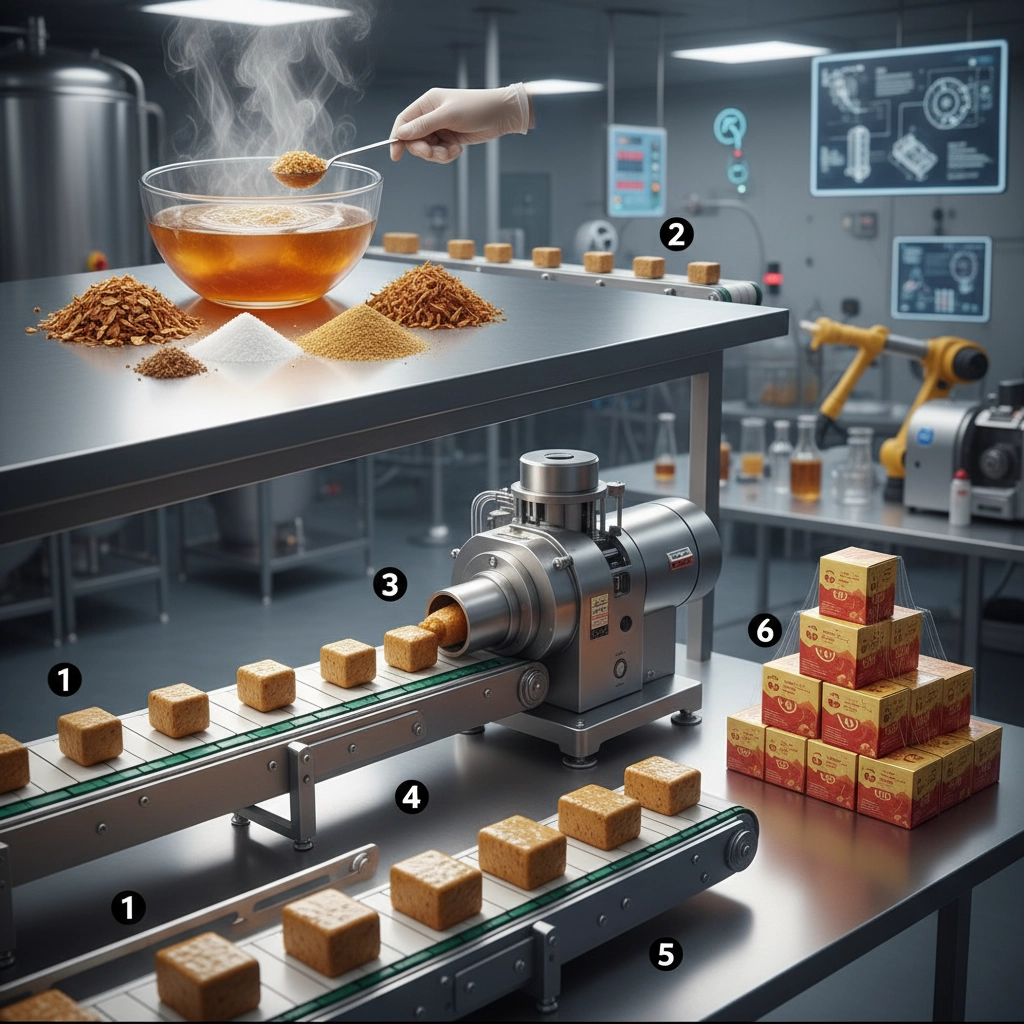
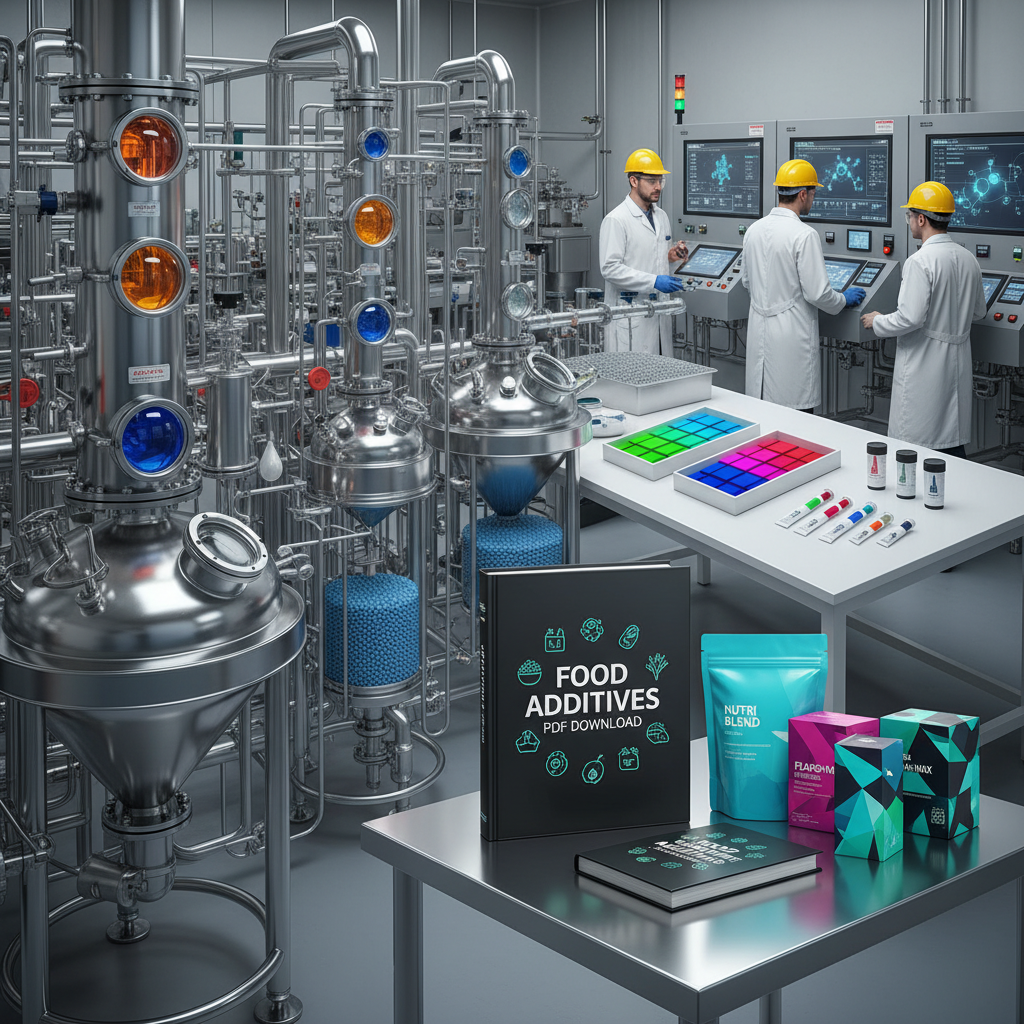
In the complex landscape of global food production, the pursuit of the perfect flavor profile often leads manufacturers to the essential properties of monosodium glutamate seasoning. This flavor enhancer, known for its ability to evoke the "umami" or savory taste, has become a cornerstone in the food additive industry, bridging the gap between raw ingredients and a satisfying consumer experience. Understanding its chemical stability and application versatility is key for any manufacturer aiming for consistency in large-scale production.
From a global economic perspective, the demand for efficient seasoning solutions is rising as processed food consumption increases in developing markets. The strategic integration of monosodium glutamate seasoning allows producers to reduce the reliance on expensive natural proteins while maintaining a rich, savory depth that appeals to a diverse demographic. This balance of cost-efficiency and sensory appeal makes it an indispensable tool in the modern food supply chain.
However, the industry faces a constant challenge in balancing high-performance flavor enhancement with evolving consumer health perceptions. By adhering to strict purity standards and transparent labeling, the manufacturing of monosodium glutamate seasoning has evolved into a sophisticated science. This guide explores the technical nuances, industrial applications, and future trajectories of this pivotal additive within the broader context of food and feed additives.
The Fundamental Chemistry of Monosodium Glutamate Seasoning
At its molecular core, monosodium glutamate seasoning is the sodium salt of glutamic acid, an amino acid found naturally in many foods like tomatoes and parmesan cheese. In an industrial context, the precision of its crystalline structure determines how quickly it dissolves and how evenly it distributes within a food matrix, which is critical for ensuring that every batch of a commercial product tastes identical.
The chemistry of this seasoning focuses on the activation of specific taste receptors on the tongue that signal "savoriness" to the brain. By isolating this compound, manufacturers can precisely control the flavor intensity of their products, ensuring that the monosodium glutamate seasoning enhances rather than overwhelms the natural taste of the primary ingredients.
Industrial Production and Quality Control Standards
The modern production of monosodium glutamate seasoning typically utilizes advanced fermentation processes. By using specific strains of bacteria and a carbohydrate-rich substrate, manufacturers can produce high-purity glutamic acid, which is then neutralized with sodium hydroxide to create the final crystalline powder. This biological approach is significantly more sustainable than older chemical synthesis methods.
Quality control is paramount to ensure that the seasoning meets international food safety standards, such as ISO and HACCP. Rigorous testing for purity, moisture content, and the absence of heavy metals ensures that the monosodium glutamate seasoning is safe for consumption across different regulatory jurisdictions, including the FDA and EFSA.
Furthermore, the granulation process is optimized to prevent caking and improve flowability. For industrial-scale food production, the ability of the seasoning to be accurately dispensed by automated machinery is just as important as its flavor profile, making the physical properties of the crystals a primary focus of R&D.
Core Functional Components and Synergy Effects
The effectiveness of monosodium glutamate seasoning lies not only in its own properties but in its ability to act as a catalyst for other flavors. When used in combination with nucleotides, such as inosinate (IMP) and guanylate (GMP), a synergistic effect occurs that exponentially increases the perceived intensity of the umami taste.
From a technical standpoint, monosodium glutamate seasoning functions by reducing the amount of salt and sugar needed to make a product palatable. This allows manufacturers to create "healthier" profiles without sacrificing the sensory satisfaction that consumers expect from savory snacks or ready-to-eat meals.
Moreover, the stability of the compound under high-temperature processing—such as extrusion or baking—ensures that the monosodium glutamate seasoning remains active throughout the product's shelf life. This reliability is why it is a preferred choice for pharmaceutical intermediates and complex food additives.
Comparative Performance in Food Applications
Comparing different application methods reveals that the timing of adding monosodium glutamate seasoning can significantly alter the final result. For instance, integration during the initial mixing phase provides a deep, foundational savoriness, whereas a surface application is more common in the snack food industry for immediate flavor impact.
The choice between pure MSG and blended seasoning mixes often depends on the target cost and the desired complexity of the flavor profile. While pure monosodium glutamate seasoning offers the highest purity and control, pre-blended versions provide convenience for smaller-scale manufacturers.
Performance Rating of Monosodium Glutamate Seasoning Variations
Global Market Application and Regional Use Cases
The application of monosodium glutamate seasoning varies significantly across global regions. In East Asian markets, it is a staple in almost every savory culinary application, from traditional broths to modern processed convenience foods. Here, the emphasis is on achieving a balanced, "clean" umami taste that enhances the natural sweetness of seafood and vegetables.
In Western markets, the use of monosodium glutamate seasoning is more concentrated in the industrial sector, specifically within frozen meals and snack foods. There is a growing trend toward "clean label" variants, where fermentation-derived seasonings are used to meet consumer demands for more natural-sounding ingredients while retaining the same functional benefits.
Long-term Economic and Operational Value
From an operational standpoint, integrating monosodium glutamate seasoning offers significant cost reductions. Because of its high potency, only small quantities are required to achieve the desired flavor profile, reducing the total volume of raw materials needed for seasoning. This leads to lower logistics costs and reduced storage requirements for food manufacturers.
Beyond the balance sheet, the reliability of the additive provides an emotional sense of security for brand owners. Consistency is the bedrock of consumer trust; by using standardized monosodium glutamate seasoning, a company can ensure that a product tastes the same in London as it does in Tokyo, protecting the brand's reputation globally.
Moreover, the versatility of this seasoning allows for rapid product innovation. Manufacturers can easily tweak the umami levels to create different product lines (e.g., "Mild" vs. "Intense" flavors) without having to completely overhaul their ingredient sourcing, thereby accelerating the time-to-market for new product launches.
Future Innovations in Umami Technology
The future of monosodium glutamate seasoning is leaning heavily toward sustainable biotechnology. Researchers are exploring CRISPR and other gene-editing tools to create more efficient bacterial strains that can produce glutamate from agricultural waste, further lowering the environmental footprint of the production process.
Digital transformation is also playing a role, with AI-driven flavor profiling being used to determine the exact micro-dosage of monosodium glutamate seasoning required for specific demographics. This "precision seasoning" approach aims to maximize taste while minimizing the use of additives, aligning with global health trends.
As the industry moves toward a circular economy, we expect to see the rise of "hybrid seasonings" that combine monosodium glutamate seasoning with plant-based proteins and minerals to create a holistic, nutrient-dense flavor enhancer.
Analysis of Monosodium Glutamate Seasoning Technical Specifications
| Specification Dimension |
Industrial Grade |
Premium Food Grade |
Pharma-Intermediate Grade |
| Purity Level (%) |
98.5% |
99.2% |
99.8% |
| Solubility Speed |
Medium |
Fast |
Ultra-Fast |
| Heat Stability |
High |
High |
Very High |
| Cost Efficiency |
Excellent |
Good |
Moderate |
| Shelf Life (Months) |
24 |
36 |
48 |
| Caking Resistance |
Standard |
Enhanced |
Maximum |
FAQS
Chemically, there is no difference. The monosodium glutamate seasoning used in industrial applications is identical to the glutamate found naturally in foods like tomatoes or aged cheeses. The only difference is the concentration and the purity of the crystalline form, which allows manufacturers to add precise amounts of umami flavor to a product without adding the bulk or moisture of the original food source.
Yes, most modern monosodium glutamate seasoning is produced via fermentation of sugar beets or sugarcane using non-animal bacteria. This makes it inherently vegan and suitable for Halal and Kosher certifications. However, manufacturers should always verify the specific production source and certification of their supplier to ensure there are no animal-derived processing aids used.
To maintain the integrity of monosodium glutamate seasoning, it should be stored in a cool, dry place, away from direct sunlight and moisture. Since it is hygroscopic (absorbs water from the air), using airtight HDPE bags or lined drums is essential to prevent caking and ensure that the powder remains free-flowing for automated dosing systems.
Because monosodium glutamate seasoning provides a powerful savory hit, it can trick the palate into perceiving a dish as "seasoned" even when less table salt (sodium chloride) is used. By substituting a portion of sodium chloride with MSG, manufacturers can significantly lower the total sodium content of a product without compromising the flavor quality.
Low-quality seasoning often exhibits poor solubility, resulting in "grains" in the final product, or it may have a slight off-color (yellowish instead of pure white). Additionally, low-purity versions may have an inconsistent flavor profile or a higher moisture content, which leads to rapid clumping during storage and production.
Importing monosodium glutamate seasoning requires compliance with the destination country's food additive regulations. Companies must provide a Certificate of Analysis (COA), MSDS (Material Safety Data Sheet), and proof of origin. Working with a supplier who understands global trade standards and provides standardized packaging ensures a smooth customs clearance process.
Conclusion
In summary, monosodium glutamate seasoning remains an essential pillar of the food and additive industry, offering an unparalleled combination of flavor enhancement, cost-efficiency, and technical stability. By understanding the synergy between its chemical purity and its application methods, manufacturers can elevate the sensory quality of their products while maintaining strict operational control and economic viability.
Looking ahead, the shift toward sustainable biotechnology and precision nutrition will only increase the relevance of high-quality umami solutions. For companies seeking to innovate in the food, feed, or pharmaceutical space, investing in premium, standardized seasonings is a strategic move toward long-term brand trust and consumer satisfaction. Visit our website for more professional solutions: www.chinaseasoning.com