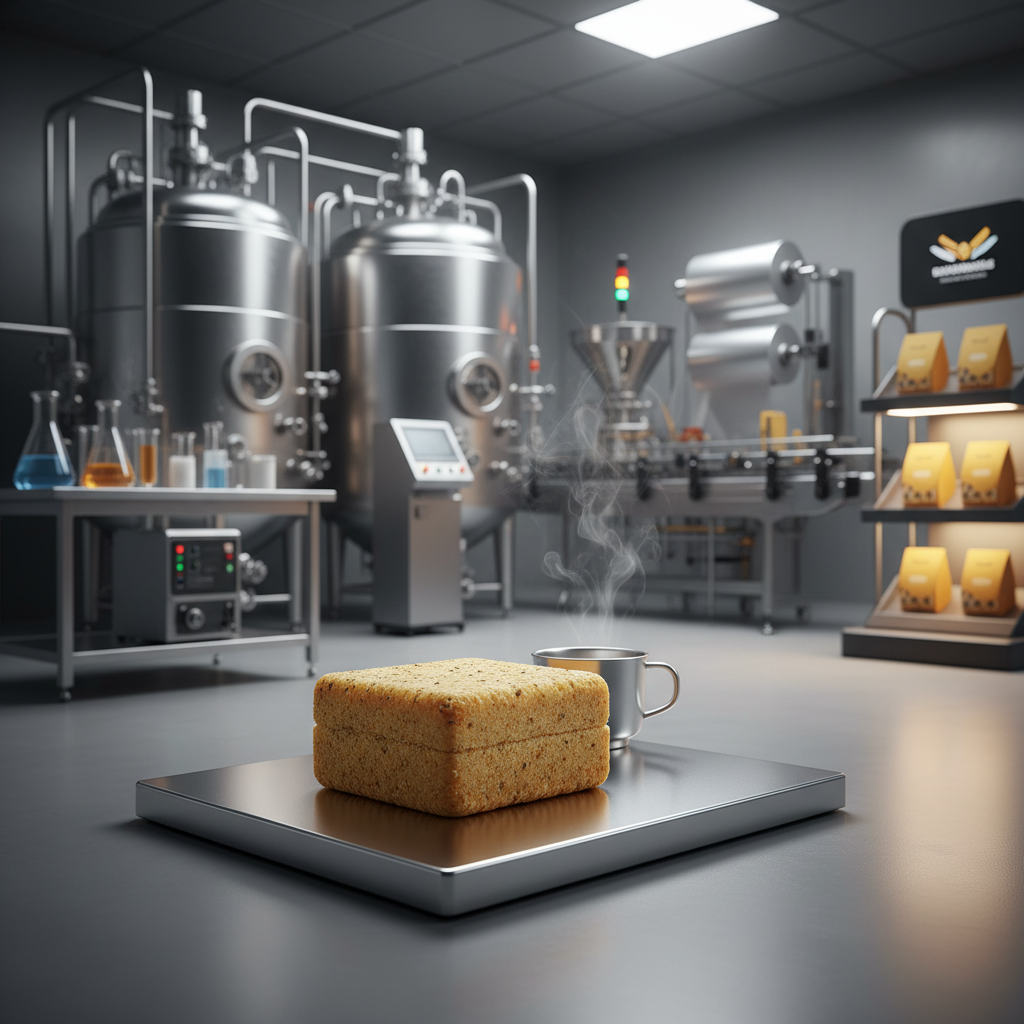
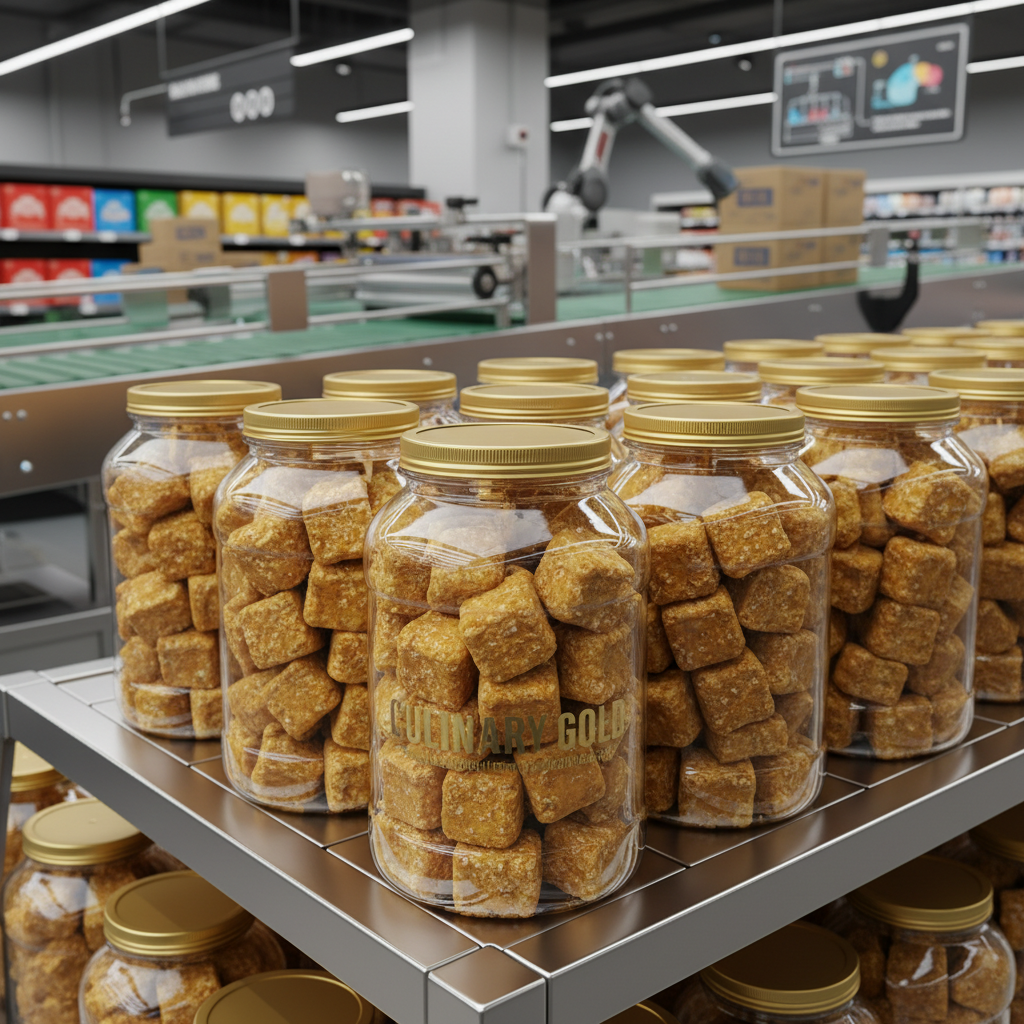
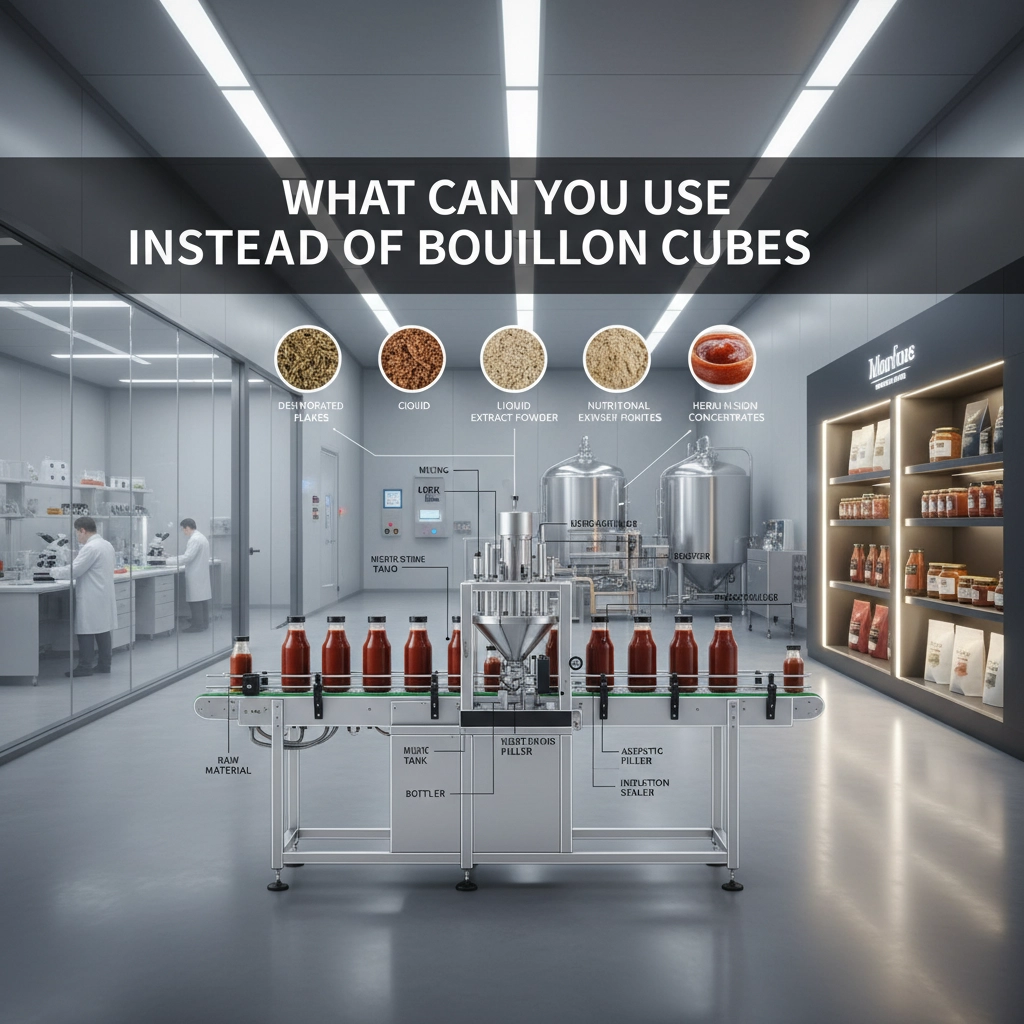
In the fast-paced world of modern culinary arts and industrial food production, the efficiency of flavor delivery is paramount. The 1 chicken bouillon cube represents a pinnacle of food science, condensing complex savory profiles into a stable, portable, and highly concentrated format that serves millions of households and commercial kitchens globally. Understanding the chemistry and manufacturing behind this small cube reveals how additive technology transforms raw ingredients into a consistent gastronomic experience.
Beyond mere convenience, the global demand for standardized seasoning reflects a broader shift toward urbanized eating habits and the need for shelf-stable flavor enhancers. The 1 chicken bouillon cube addresses the challenge of maintaining taste consistency across different geographic regions, ensuring that a soup prepared in Southeast Asia tastes remarkably similar to one made in West Africa. This reliability is critical for food manufacturers who require precise input parameters to maintain their own product quality.
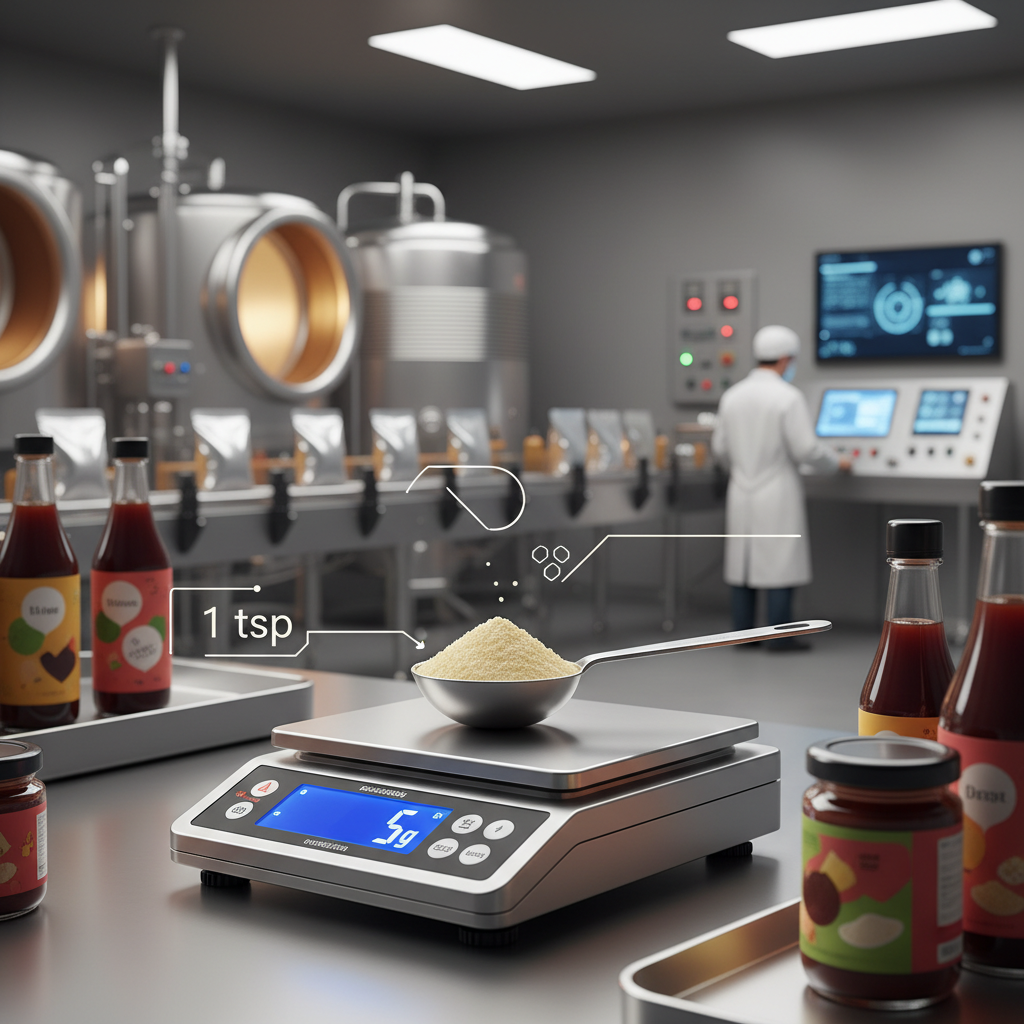
From a commercial perspective, the integration of high-quality food additives within a single bouillon unit allows for significant reductions in logistics costs and waste. By optimizing the ratio of salt, MSG, fats, and chicken extracts, the 1 chicken bouillon cube provides a cost-effective solution for nutrient-dense flavorings, making it an indispensable tool in both luxury dining and humanitarian food aid programs worldwide.
The Industrial Composition of 1 Chicken Bouillon Cube
At its core, 1 chicken bouillon cube is a complex matrix of dehydrated ingredients designed for rapid solubility. The primary components typically include salt, which acts as both a flavor enhancer and a preservative, and monosodium glutamate (MSG) or yeast extracts to provide the essential 'umami' depth. These are blended with hydrogenated vegetable oils to create a cohesive structure that prevents the cube from crumbling during transport while ensuring it melts quickly in hot water.
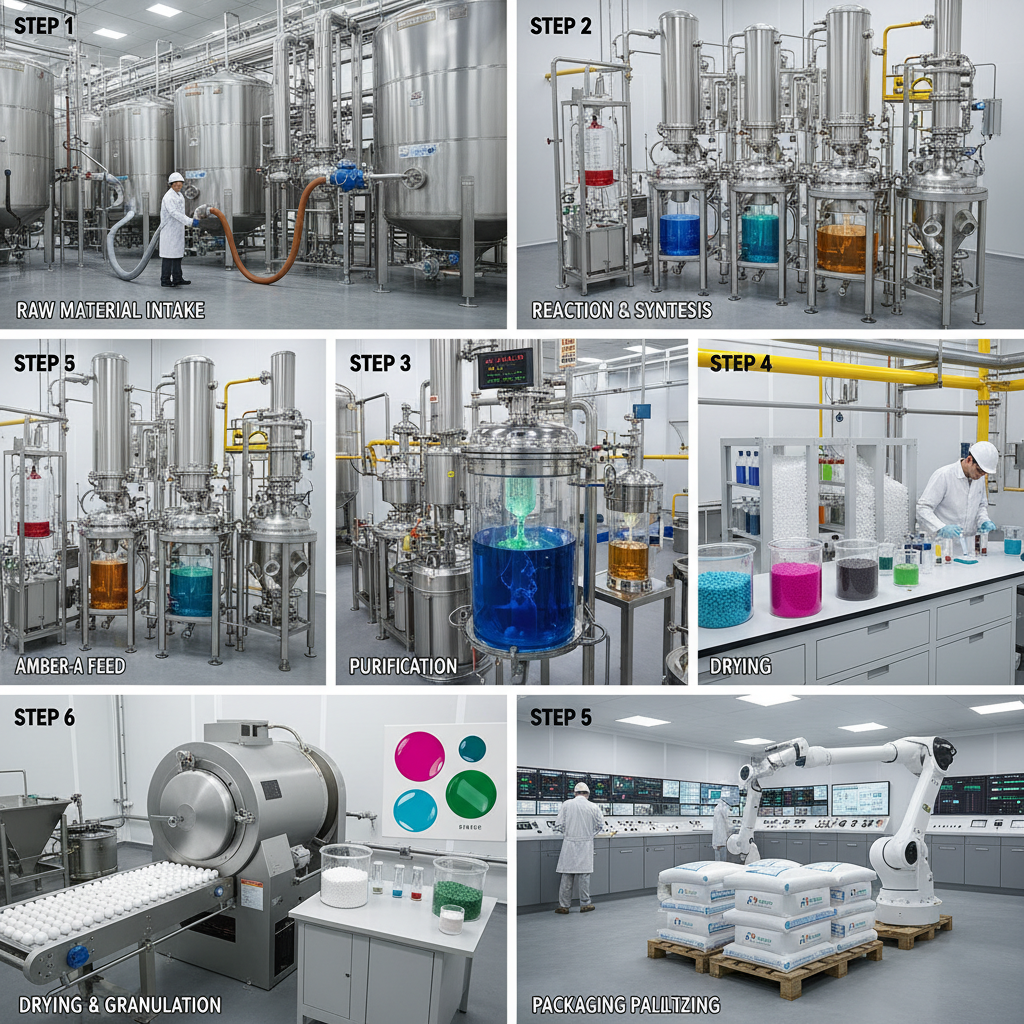
The inclusion of specific food additives, such as anti-caking agents and precise spice blends, ensures that each 1 chicken bouillon cube maintains a uniform taste profile regardless of the batch. By controlling the moisture content through advanced spray-drying and compression techniques, manufacturers can extend the shelf life of these products for years, making them a cornerstone of the global food additive industry.
Global Market Dynamics and Demand Trends
The global consumption of seasoning concentrates has seen a steady incline, with the 1 chicken bouillon cube remaining the most popular SKU due to its versatility. According to food industry analysis, the rise of "convenience cooking" in emerging economies has driven a surge in demand for pre-portioned flavorings. In regions like Sub-Saharan Africa and Southeast Asia, these cubes are often the primary source of savory flavor in daily meals, reflecting a deep integration into local culinary cultures.
Market volatility in raw material costs, particularly for palm oil and salt, directly impacts the pricing of the 1 chicken bouillon cube. However, the scalability of production allows manufacturers to absorb some of these costs through automated high-speed pressing lines. The trend is now shifting toward "clean label" versions, where consumers demand the same convenience but with fewer synthetic additives and reduced sodium levels.
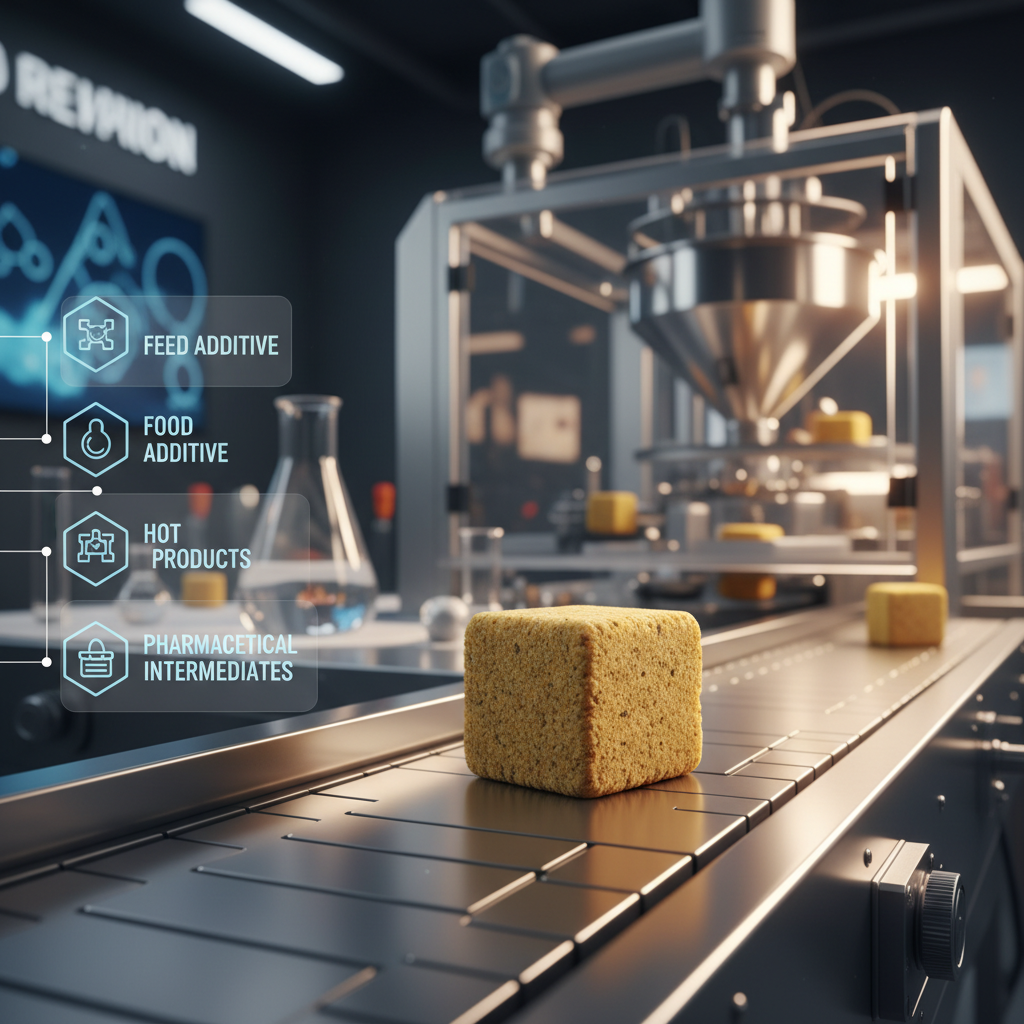
Furthermore, the intersection of food additives and pharmaceutical-grade purity is becoming more prominent. As manufacturers refine the purity of the ingredients in 1 chicken bouillon cube, we see a convergence between industrial food production and strict health standards, ensuring that these products meet ISO and Codex Alimentarius guidelines for international trade.
Manufacturing Standards and Quality Control
Ensuring the consistency of 1 chicken bouillon cube requires rigorous quality control at every stage of the supply chain. From the sourcing of chicken extracts to the final foil wrapping, each step is monitored to prevent contamination and ensure flavor stability.
The precision of the compression process is vital; if 1 chicken bouillon cube is pressed too tightly, it may fail to dissolve in boiling water, whereas too loose a press results in breakage during shipping. Modern facilities use automated sensors to verify the weight and density of every single unit.
Moreover, the chemical stability of the 1 chicken bouillon cube is tested against various temperature and humidity extremes. This ensures that whether the product is stored in a humid tropical warehouse or a dry continental climate, the flavor remains potent and the structure remains intact.
Performance Analysis of Different Formulation Methods
Different manufacturing philosophies lead to varying results in terms of solubility and taste intensity. When comparing the traditional salt-heavy approach to the modern extract-rich method, the latter provides a more authentic chicken flavor profile in 1 chicken bouillon cube, though it often requires more sophisticated stabilizers to prevent oil separation.
The choice of binding agents also plays a critical role in the user experience. For instance, using maltodextrin versus modified starch can change the viscosity of the resulting broth, affecting how 1 chicken bouillon cube performs in thick stews compared to clear soups.
Efficiency Comparison of 1 Chicken Bouillon Cube Formulations
Diverse Applications in Commercial Food Service
In professional kitchens, the use of 1 chicken bouillon cube extends far beyond simple soups. Chefs use these concentrates as a "flavor base" for deglazing pans, seasoning grains like risotto or quinoa, and adding a consistent savory punch to vegetable marinades. The predictability of the flavor profile allows for precise scaling of recipes in large-scale catering operations.
Moreover, in the realm of food aid and emergency relief, the 1 chicken bouillon cube is a strategic asset. Its high caloric density (via fats) and essential sodium content make it an ideal supplement for bland porridge or legumes in disaster zones, providing both psychological comfort through familiar taste and essential electrolytes to malnourished populations.
Long-term Economic and Logistic Advantages
The logistics of transporting liquid stocks are prohibitively expensive due to weight and the need for refrigeration. By contrast, the 1 chicken bouillon cube reduces the volume of a standard stock pot to a few grams of dry matter. This drastically lowers the carbon footprint associated with shipping and allows retailers to maximize shelf space efficiency.
From a cost-benefit analysis, the unit price of 1 chicken bouillon cube provides an unparalleled return on investment for the end consumer. It eliminates the need for hours of simmering chicken bones and vegetables, saving on energy costs and labor while delivering a comparable savory result.
Additionally, the standardization of the 1 chicken bouillon cube enables a streamlined procurement process for pharmaceutical intermediates and food additives used in its production, fostering a stable B2B ecosystem between chemical suppliers and food manufacturers.
Future Innovations in Sustainable Seasoning
The future of the 1 chicken bouillon cube is leaning heavily toward sustainability and biotechnology. We are seeing a rise in plant-based "chicken" cubes that utilize fermented fungi or pea proteins to mimic the taste of poultry, catering to the growing vegan and vegetarian markets without sacrificing the convenience of the cube format.
Digital transformation is also entering the factory floor. AI-driven flavor profiling is now used to adjust the composition of 1 chicken bouillon cube in real-time based on the raw material quality of a specific harvest, ensuring that the "Gold Standard" taste is never compromised.
Finally, biodegradable packaging is replacing traditional aluminum foils. The goal is to create a 1 chicken bouillon cube that is as eco-friendly in its wrapper as it is efficient in the pot, aligning industrial food production with global ESG (Environmental, Social, and Governance) goals.
Comparative Analysis of Next-Gen Bouillon Technologies
| Technology Type |
Flavor Accuracy |
Sustainability Score |
Production Cost |
| Traditional Animal Extract |
High |
Moderate |
Low |
| Fermented Yeast Base |
Very High |
High |
Moderate |
| Plant-Based Protein |
Moderate |
Very High |
Moderate |
| Low-Sodium Formula |
Moderate |
Moderate |
Low |
| AI-Optimized Blend |
Perfect |
Moderate |
High |
| Organic Certified |
High |
High |
Very High |
FAQS
A typical 1 chicken bouillon cube consists of salt, hydrogenated vegetable oils, monosodium glutamate (MSG), chicken extract or powder, and a blend of spices like turmeric and onion powder. These ingredients are balanced to provide an intense savory flavor while ensuring the cube remains stable and shelf-ready without refrigeration.
The dissolution rate depends on the binding agents used during compression. High-quality cubes use fats and specific starches that melt quickly at 100°C. If a cube dissolves slowly, it is usually due to over-compression or a higher concentration of non-soluble fillers. For best results, stirring in boiling water is recommended.
Yes, it is highly suitable. Because of its standardized flavor profile, food manufacturers can use bouillon concentrates to ensure that their mass-produced soups or sauces taste consistent across different batches and factories, significantly reducing the risk of flavor variance.
Shelf life is maintained through a combination of low water activity (dehydration) and high salt content, both of which inhibit microbial growth. Additionally, the airtight foil wrapping protects the cube from oxygen and moisture, preventing the oils from turning rancid.
Yes, the industry is moving toward low-sodium versions and organic formulations. Many manufacturers are replacing MSG with yeast extract and reducing salt by using potassium chloride or intensifying the natural chicken extract to maintain flavor at lower sodium levels.
Importing requires adherence to the destination country's food safety regulations (such as FDA in the US or EFSA in Europe). Businesses should ensure their supplier provides a detailed Certificate of Analysis (COA) and that the ingredients in the bouillon cube are compliant with local additive laws.
Conclusion
The 1 chicken bouillon cube is more than just a kitchen staple; it is a triumph of food additive engineering that balances taste, stability, and cost. By condensing a complex profile of umami and savory notes into a portable format, it has revolutionized both home cooking and industrial food logistics, providing a reliable standard of quality that transcends borders.
As we look toward a future of sustainable eating, the evolution of the bouillon cube will likely involve deeper integration of plant-based proteins and eco-friendly packaging. For businesses and consumers alike, the focus will remain on achieving that perfect savory balance while embracing healthier, greener production methods. To explore professional-grade seasoning solutions, visit our website: www.chinaseasoning.com