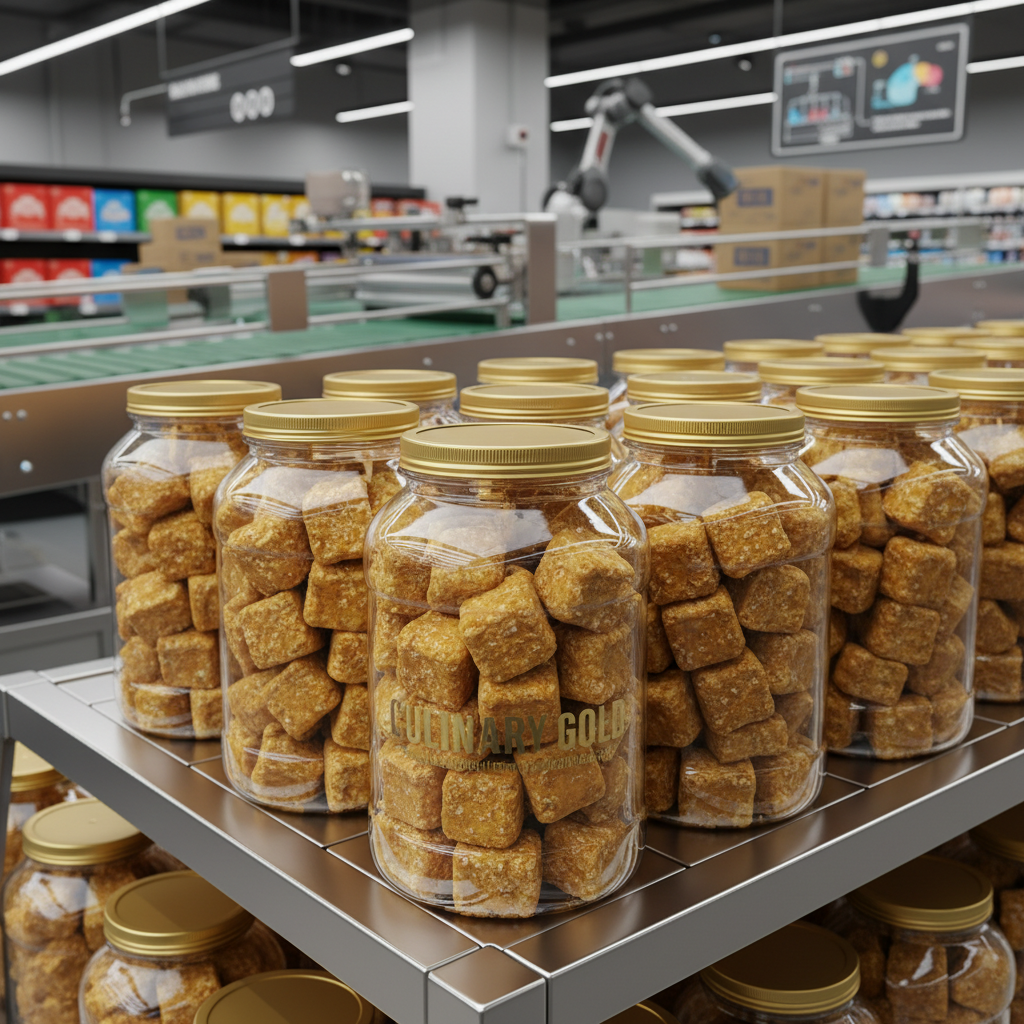
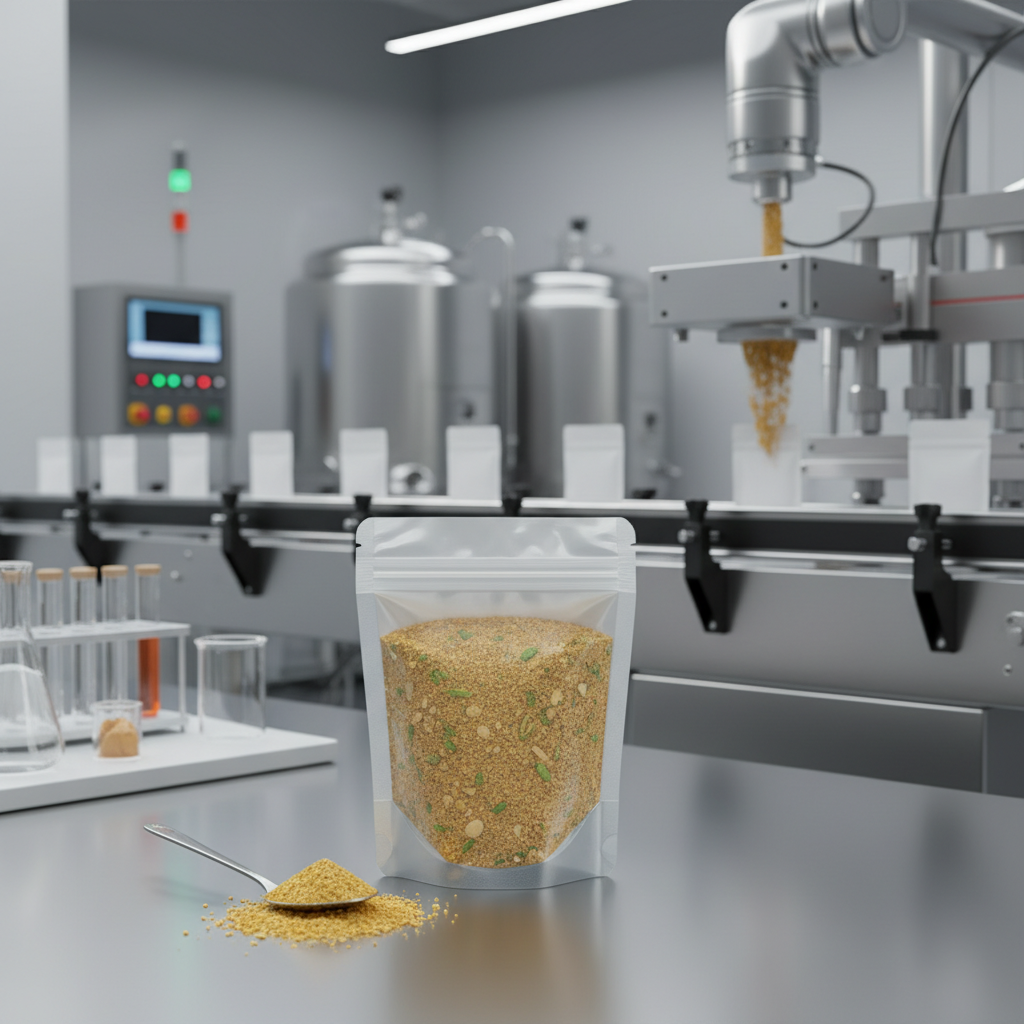
When browsing the aisles for flavor enhancers, many consumers find that chicken bouillon cubes in grocery store sections offer a convenient solution for adding depth to home-cooked meals. These concentrated bursts of savory flavor act as a culinary shortcut, replacing the hours required to simmer a traditional chicken carcass with a simple, dissolvable cube.
Understanding the composition and quality of these products is essential for both the health-conscious consumer and the industrial food producer. From the role of MSG and salt to the integration of advanced food additives, the science behind the perfect bouillon cube ensures consistency, long shelf-life, and a taste profile that resonates across different global palettes.
In the broader context of the food manufacturing industry, the prevalence of chicken bouillon cubes in grocery store shelves reflects a global shift toward "convenience cooking." This trend drives innovation in dehydration technology and flavor encapsulation, making high-quality seasonings accessible to millions of households regardless of their culinary expertise.
Global Market Dynamics of Chicken Bouillon Cubes
The global demand for chicken bouillon cubes in grocery store environments has surged as urbanization increases and household time for traditional stock preparation decreases. According to food industry trends aligned with ISO quality standards, the shift toward processed seasonings is particularly evident in emerging markets where affordable, shelf-stable flavor bases are essential for food security and taste consistency.
However, the industry faces a challenge in balancing "instant taste" with "clean label" requirements. As consumers become more aware of sodium intake and synthetic additives, manufacturers are forced to innovate, integrating natural yeast extracts and organic salts to maintain the savory profile that customers expect when they pick up a box of bouillon from the shelf.
Technical Definition and Industrial Composition
At its core, the product found as chicken bouillon cubes in grocery store is a dehydrated blend of salt, flavor enhancers, fats, and hydrolyzed proteins. Industrially, these are created through a process of spray drying or granulation, where a concentrated chicken stock is mixed with binders and then compressed into a precise cubic geometry for easy portioning.
Beyond the basic ingredients, the "secret" to a successful cube lies in the food additives used to prevent clumping and ensure rapid dissolution in boiling water. The integration of pharmaceutical-grade intermediates in some high-end seasoning lines ensures that the flavor remains stable even after months of storage in varying humidity levels.
This technical composition serves a humanitarian need in many parts of the world. In regions where fresh poultry is expensive or unavailable, bouillon cubes provide a cost-effective way to introduce savory protein-like flavors into diets, acting as a vital tool for enhancing the palatability of basic grains and legumes.
Core Quality Factors for Grocery Retail
The primary factor determining the success of chicken bouillon cubes in grocery store is their solubility. A cube that fails to dissolve quickly or leaves grittiness in a soup is viewed as low-quality, which is why precise particle size distribution during the manufacturing phase is critical.
Furthermore, the "Umami" profile is the most scrutinized aspect of chicken bouillon cubes in grocery store. Achieving this requires a sophisticated blend of glutamates and nucleotides that mimic the natural savory taste of slow-cooked chicken, ensuring that the consumer perceives high value and authenticity.
Packaging durability also plays a role; the foil wrapping must protect the contents from oxidation and moisture. If the chicken bouillon cubes in grocery store absorb ambient humidity, they become sticky and lose their precise dosage, leading to consumer dissatisfaction.
Cost Efficiency and Production Scalability
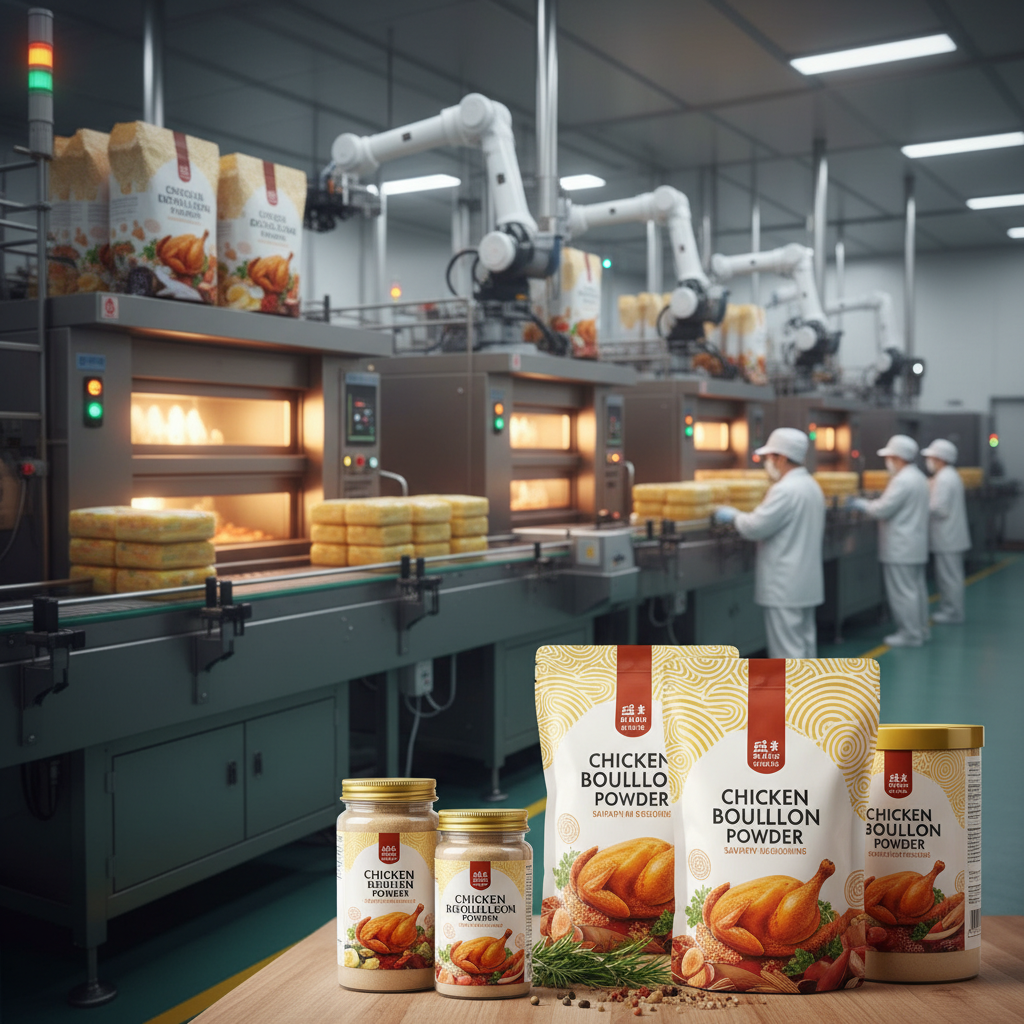
For manufacturers, the scalability of producing chicken bouillon cubes in grocery store relies on automated compression and wrapping lines. By optimizing the ratio of salt to flavor extracts, companies can reduce raw material costs while maintaining a taste profile that meets consumer expectations, allowing for competitive pricing in a crowded retail market.
The transition from batch processing to continuous production has allowed the industry to meet the massive volume requirements of global supermarket chains. This efficiency ensures that the cost per serving remains incredibly low, making it one of the most economical ways to add flavor to large volumes of food.
Comparative Performance of Chicken Bouillon Variations
Global Applications in Culinary Arts
Across the globe, chicken bouillon cubes in grocery store are used not just for soups, but as a versatile seasoning for marinades, stews, and rice dishes. In West African cuisine, for example, these cubes are a foundational ingredient, providing a consistent salty-savory base that defines the regional flavor profile.
In industrial settings, such as remote mining camps or post-disaster relief zones, these cubes are invaluable. Their long shelf life and compact size make them the ideal source of flavor for large-scale feeding operations where fresh ingredients are impossible to procure, proving that the value of bouillon extends far beyond the typical home kitchen.
Long-Term Value and Consumer Trust
The long-term value of chicken bouillon cubes in grocery store lies in their reliability. A consumer knows that a specific brand's cube will yield the exact same taste every time, which is a psychological comfort in the unpredictable nature of home cooking. This trust is built through rigorous quality control and adherence to food safety standards.
Moreover, the emotional connection to "comfort food" is often triggered by the scent of chicken bouillon. By evoking the feeling of a home-cooked meal in a fraction of the time, these products provide a sense of dignity and warmth to busy urban professionals who struggle to find time for traditional culinary practices.
From a sustainability perspective, the concentrated nature of the cube reduces packaging waste compared to liquid broths and lowers the carbon footprint associated with transporting heavy water-based products, adding a layer of logical value for the eco-conscious shopper.
Future Innovations in Seasoning Technology
The future of chicken bouillon cubes in grocery store is moving toward "smart nutrition." We are seeing the emergence of fortified bouillon that includes essential vitamins and minerals, transforming a simple flavor enhancer into a functional food that addresses micronutrient deficiencies in developing regions.
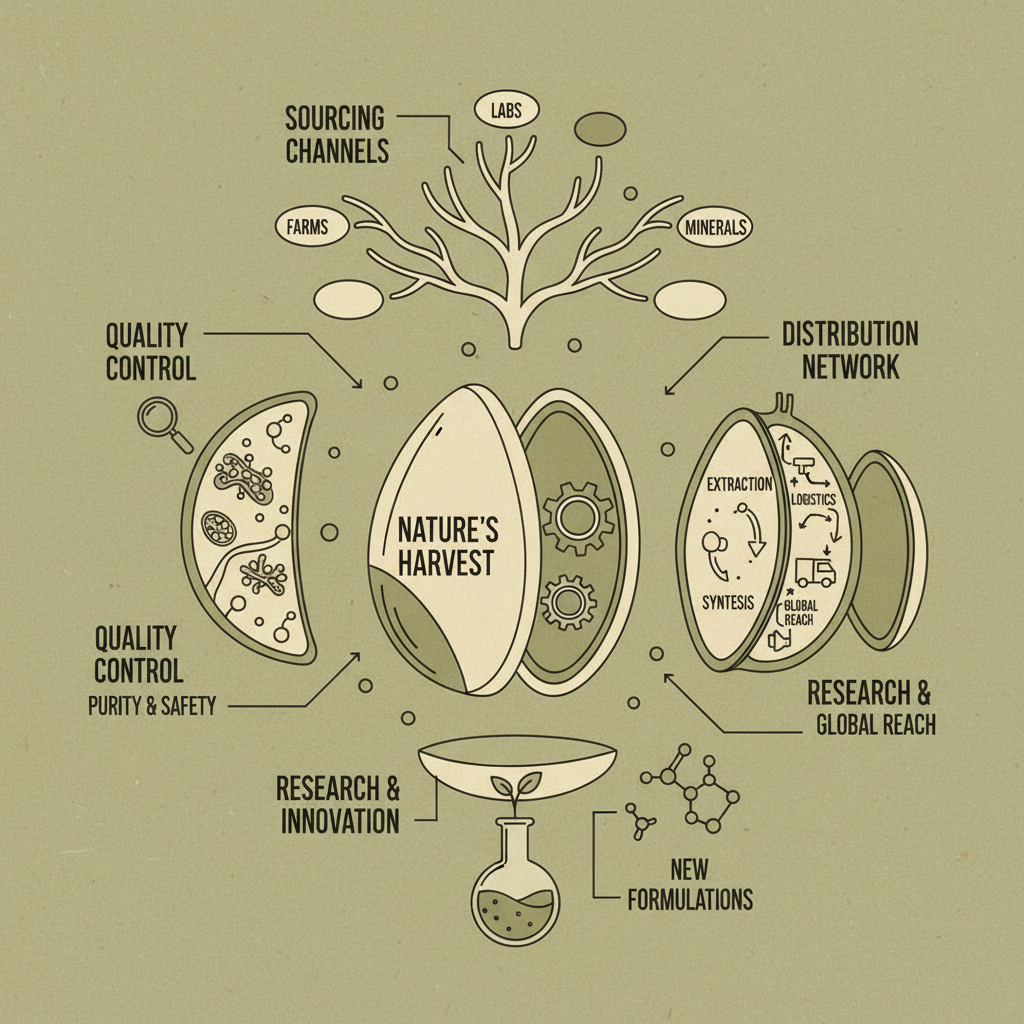
Digital transformation in the supply chain is also allowing manufacturers to track the origin of their chicken extracts with blockchain technology. This transparency ensures that the ingredients in your chicken bouillon cubes in grocery store are ethically sourced and free from prohibited additives, meeting the demands of a more informed global citizenry.
Automation in 3D food printing and precision molding may soon allow for "customized" cubes, where the salt and flavor levels are tailored to a consumer's specific dietary needs—such as ultra-low sodium versions for hypertension patients—without sacrificing the rich, savory experience.
Analysis of Future Bouillon Technology Trends
| Innovation Dimension |
Current Standard |
Future Projection |
Impact Score (1-10) |
| Sodium Content |
High salt base |
Potassium-salt blends |
9 |
| Ingredient Source |
Industrial Extracts |
Lab-grown collagen/flavors |
7 |
| Packaging |
Aluminum Foil |
Biodegradable Polymers |
8 |
| Nutrition |
Flavor only |
Fortified with Zinc/Iron |
10 |
| Dissolution Speed |
Standard Heat |
Instant Cold-Solubility |
6 |
| Customization |
One size fits all |
Personalized Nutrition |
7 |
FAQS
Look for products that list a high percentage of actual chicken extract rather than just "flavorings." Check the ingredient list for the placement of salt; while necessary for preservation, a balanced cube uses a mix of flavor enhancers and natural extracts. Additionally, ensure the individual foil wraps are airtight to prevent the cubes from hardening.
Most standard chicken bouillon cubes in grocery store aisles are very high in sodium. However, many brands now offer "Low-Sodium" or "No-Salt-Added" versions. These typically use potassium chloride or increased yeast extracts to maintain the savory profile while reducing the sodium content by 30-50%.
Absolutely. Because they are highly concentrated, you can crumble a cube into a marinade for chicken, mix it into mashed potatoes, or stir it into rice water for an instant flavor boost. They act as a universal savory seasoning that works in almost any warm dish.
This is usually due to the type of binders used or the temperature of the water. For the best results with chicken bouillon cubes in grocery store varieties, use boiling water and stir continuously. If they still don't dissolve, it may be a sign of low-quality fat emulsifiers in that specific brand.
Monosodium Glutamate (MSG) is a common additive in bouillon to provide the umami taste. According to global food safety authorities, MSG is safe for the general population. However, for those with specific sensitivities, many brands now offer "MSG-Free" alternatives that use natural yeast extracts to achieve a similar effect.
Keep your chicken bouillon cubes in a cool, dry place. Humidity is the enemy of dehydrated seasonings. While the individual foil wraps provide protection, storing the entire box in a sealed plastic container or a pantry with low humidity will prevent the cubes from clumping and preserve the flavor.
Conclusion
In summary, chicken bouillon cubes in grocery store settings represent a perfect intersection of food chemistry and consumer convenience. By condensing complex savory flavors into a stable, portable format, these products have revolutionized the way we approach home cooking and emergency food supplies. From the technical precision of their solubility to the global impact of their affordability, the bouillon cube remains an indispensable tool in the modern pantry.
Looking forward, the industry is poised to evolve toward healthier, more transparent, and functionally enriched versions of these seasonings. As we move toward a future of personalized nutrition, the simple cube will likely become a vehicle for wellness, blending the timeless joy of a savory meal with the requirements of a health-conscious lifestyle. To explore professional-grade seasoning solutions and food additives, visit our website: www.chinaseasoning.com.