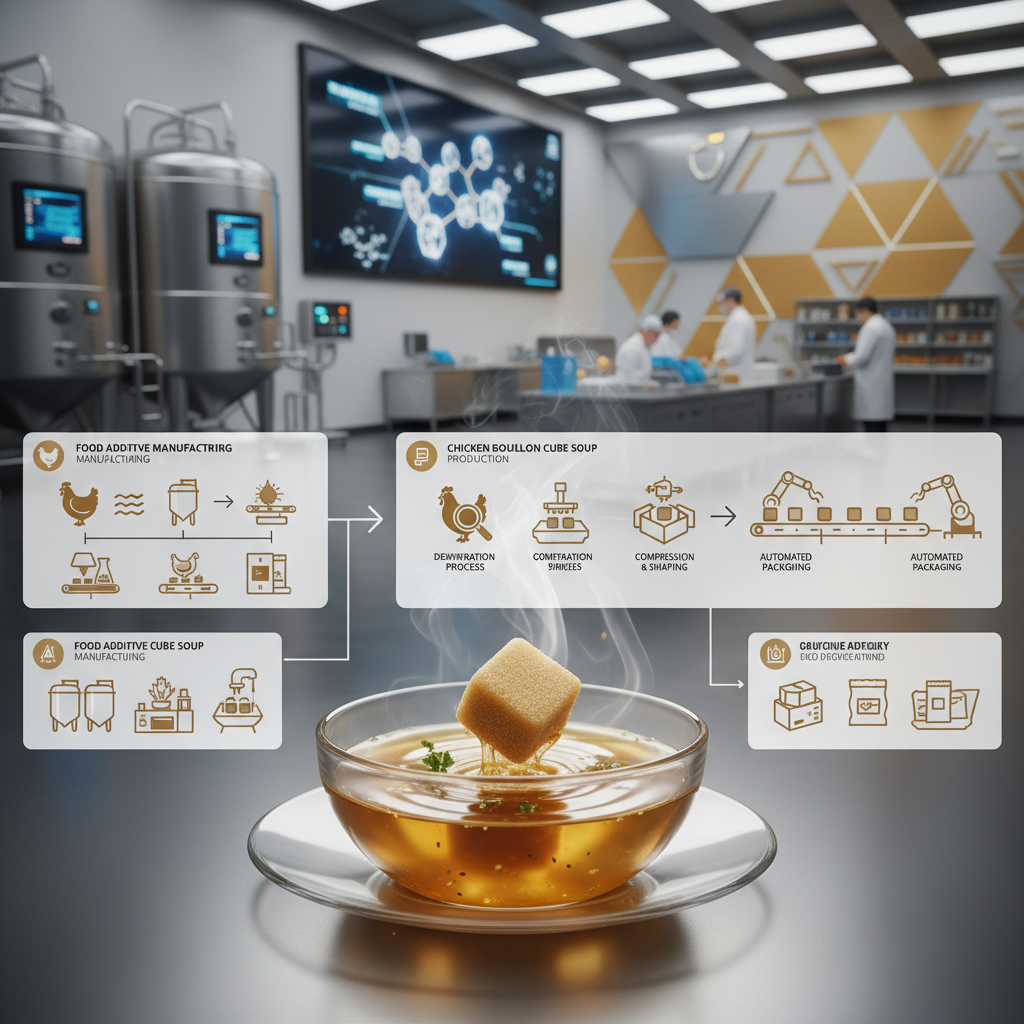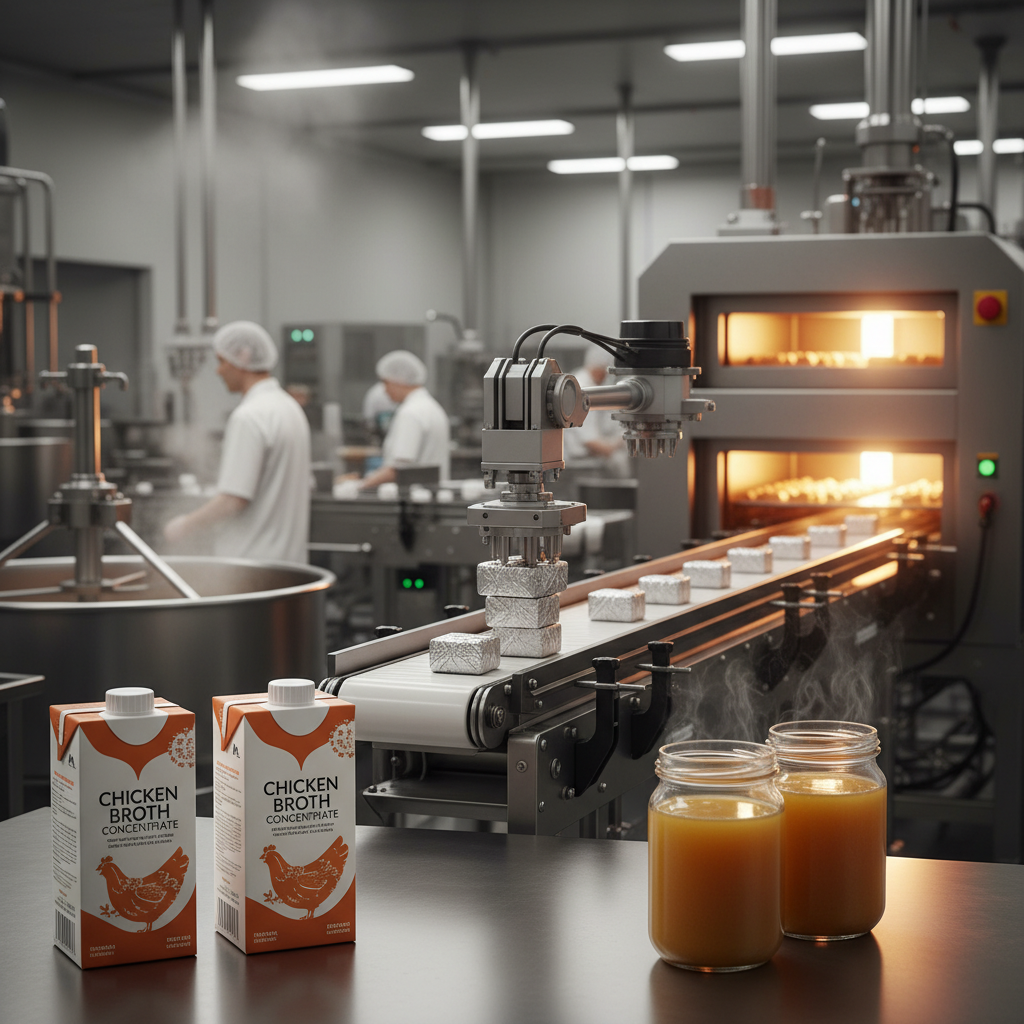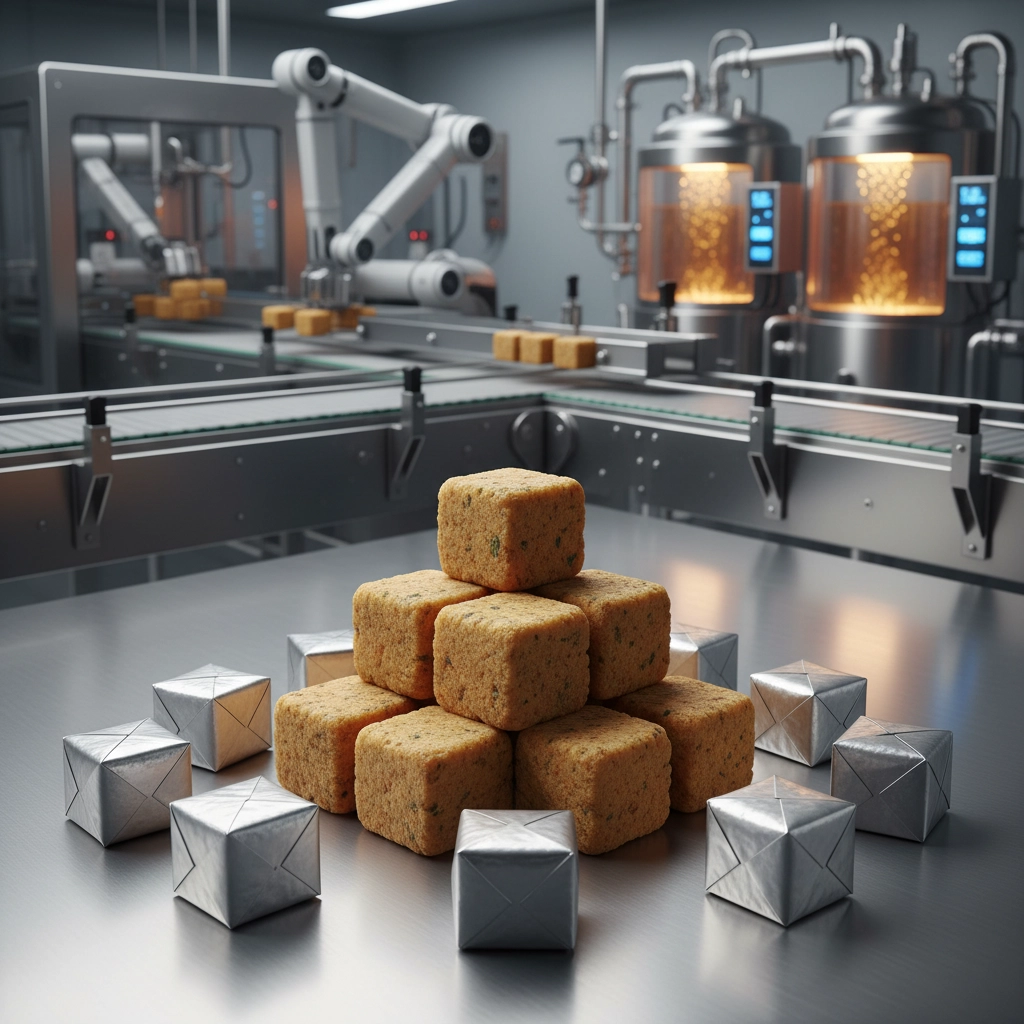
In the fast-paced world of modern culinary arts and industrial food production, the demand for consistent, high-quality flavor bases has led to the widespread adoption of chicken bouillon cube soup. These concentrated blocks of savory excellence provide a standardized method for achieving deep, meaty flavors without the time-consuming process of simmering bones for hours, making them indispensable in both home kitchens and large-scale catering.
Beyond mere convenience, the science behind the production of chicken bouillon cube soup involves sophisticated food additive technology, ensuring that the product remains shelf-stable, soluble, and flavor-consistent across different climatic regions. For food manufacturers, mastering the balance of salt, flavor enhancers, and dehydrated chicken extracts is key to capturing the global market's preference for authentic yet accessible tastes.
Understanding the nuances of this product—from its chemical composition to its logistical advantages—allows businesses to optimize their supply chains and offer consumers a reliable product that enhances the nutritional and sensory quality of their meals. Whether used in a gourmet restaurant or a humanitarian food relief program, the impact of a well-formulated bouillon cube is profound.
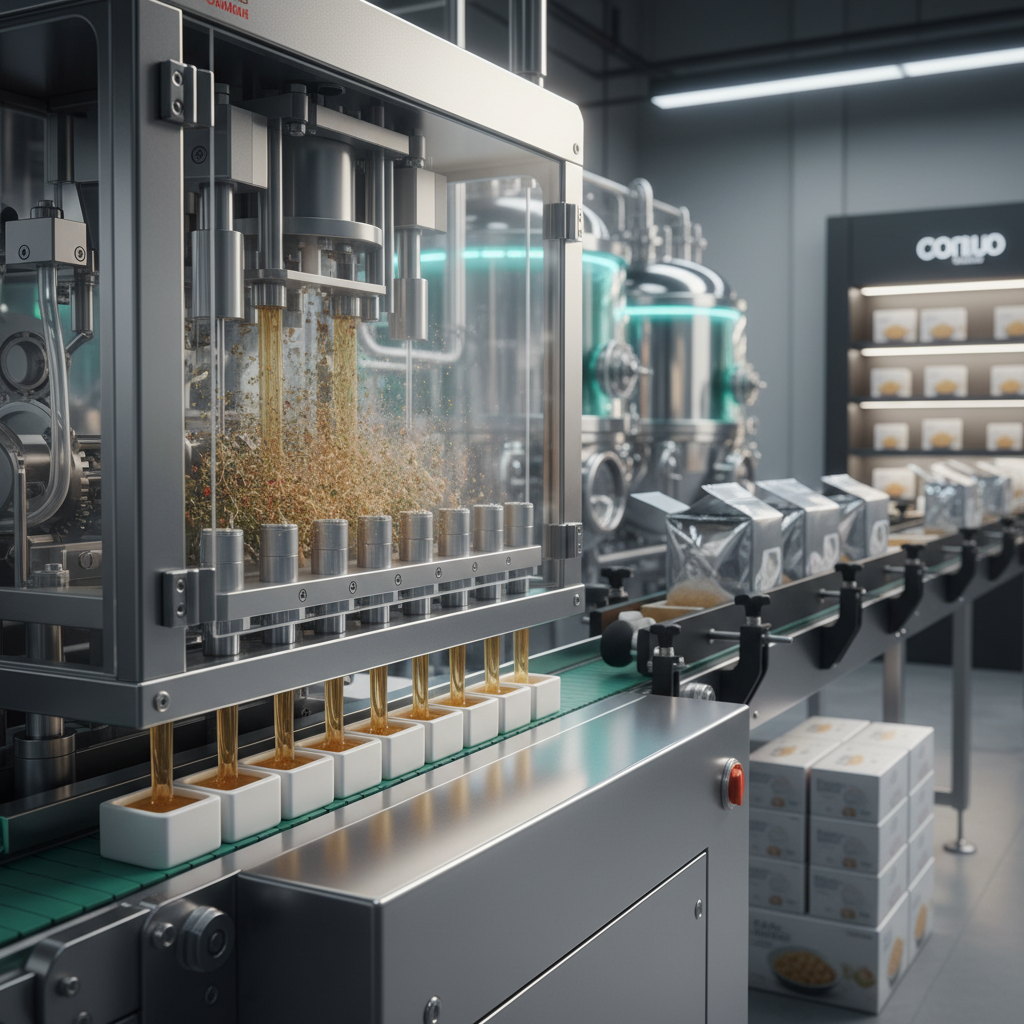
The global appetite for savory convenience has propelled chicken bouillon cube soup into a multi-billion dollar industry. Statistics from international trade databases indicate a steady CAGR growth in the seasoning and condiment sector, driven largely by the urbanization of Asia and Africa, where quick-prep meal solutions are becoming the norm for the growing middle class.
However, the industry faces a critical challenge: the tension between the need for long shelf-life and the consumer demand for "clean label" products. Manufacturers are now tasked with reducing MSG and synthetic dyes while maintaining the intense, nostalgic flavor profile that makes these bouillon cubes a staple in households worldwide.
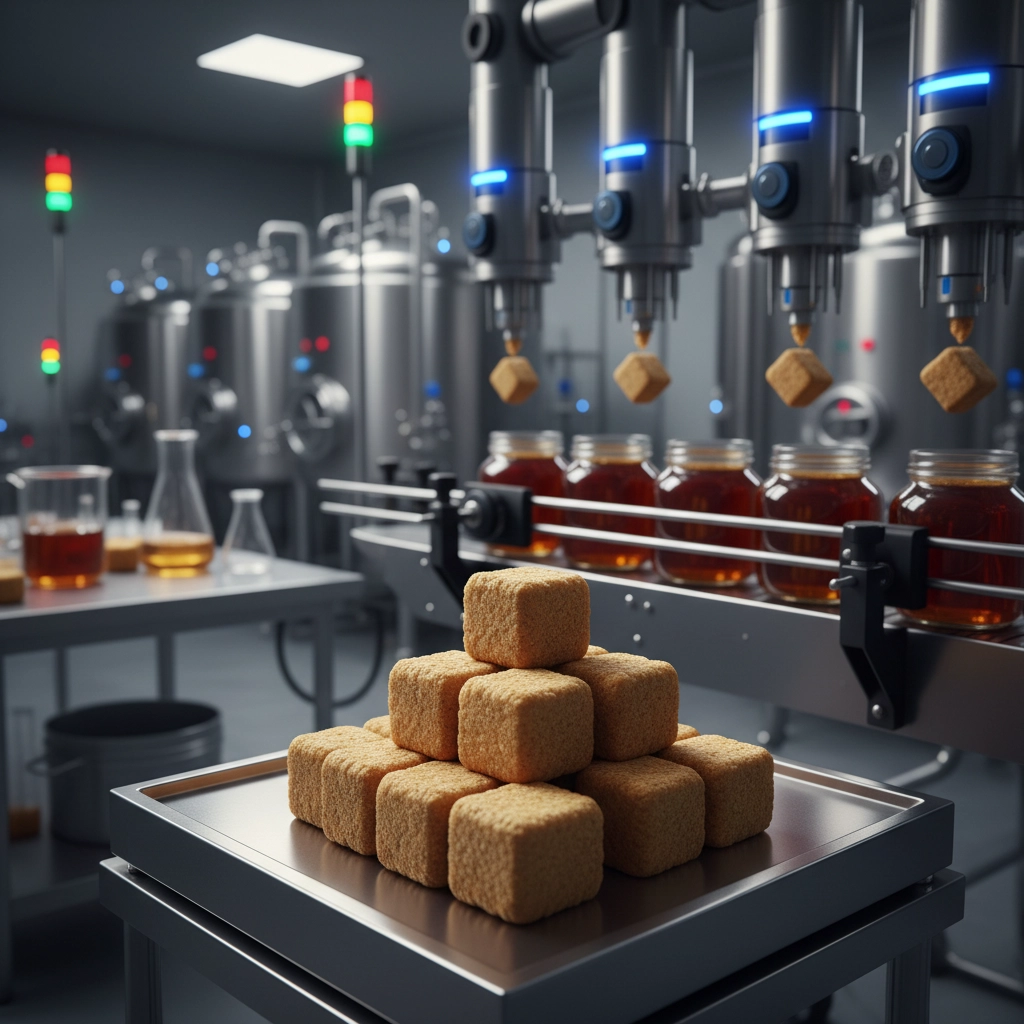
At its core, chicken bouillon cube soup is a dehydrated, concentrated seasoning block composed of salt, flavor enhancers, fats, and chicken extracts. Unlike liquid stocks, the cube format allows for an extremely high concentration of umami compounds, which can be instantly reconstituted in boiling water to create a rich, savory base for soups, stews, and sauces.
In the context of the modern food additive industry, these cubes represent a triumph of stability engineering. By controlling the water activity (aw) level and utilizing precise granulation techniques, manufacturers ensure that the chicken bouillon cube soup does not clump or degrade, even when stored in humid tropical environments for extended periods.
Furthermore, this product serves a vital humanitarian role. In disaster relief operations or remote industrial zones where fresh produce is unavailable, these cubes provide an essential source of salt and flavor, improving the palatability of basic grains and legumes, thereby supporting nutritional intake in crisis-hit populations.
Flavor stability is the second pillar of quality. The use of advanced spray-drying technology for the chicken extract ensures that the volatile aromatic compounds of chicken bouillon cube soup are locked in, preventing the "stale" taste that often plagues lower-end industrial seasonings.
Finally, the "Compression Density" of the cube determines its durability during shipping. If the cube is too soft, it crumbles; if too hard, it fails to dissolve. Achieving the perfect balance requires strict control over the moisture content of the powder mix before it enters the hydraulic pressing stage.
In professional kitchens, chicken bouillon cube soup is often used as a "flavor anchor." Chefs utilize it to build depth in complex sauces or to quickly season large batches of risotto and quinoa. Its standardized salinity makes it a reliable tool for ensuring consistency across multiple franchises or high-volume catering events.
Beyond the kitchen, these cubes are integrated into the food processing industry as ingredients for ready-to-eat (RTE) meals. By incorporating bouillon powder into dehydrated soup mixes, companies can guarantee a uniform taste experience regardless of where the consumer prepares the meal.
The most immediate advantage of chicken bouillon cube soup is cost-efficiency. By removing water and concentrating the flavor, shipping costs are slashed by up to 90% compared to liquid stocks. This makes the product highly scalable for international export, particularly in the Food Additive sector.
From a sustainability perspective, the reduction in weight leads to a lower carbon footprint during logistics. Additionally, the extended shelf life minimizes food waste in the retail chain, providing a reliable safety net for food security in regions with unstable cold-chain infrastructure.
The future of chicken bouillon cube soup is leaning heavily toward "bio-identical" flavorings. Through fermentation and precision biotechnology, manufacturers are creating umami profiles that mimic chicken without using animal proteins, catering to the rapidly growing plant-based and vegan markets.
Digital transformation is also hitting the factory floor. AI-driven blending systems now monitor the moisture and particle size of the powder in real-time, adjusting the compression pressure of the cube to ensure 100% consistency across millions of units.
Moreover, we are seeing a shift toward "functional" bouillon. This involves fortifying chicken bouillon cube soup with essential vitamins, minerals, or probiotics, transforming a simple seasoning into a nutritional supplement that supports overall health while enhancing taste.
One of the primary challenges in the production of chicken bouillon cube soup is oxidative rancidity. The fats used to provide a rich mouthfeel can oxidize over time, leading to off-flavors. To combat this, industry experts are implementing vacuum-sealed multi-layer foil packaging that blocks oxygen and UV light.
Another hurdle is the reduction of sodium without compromising the savory "hit." Innovation in yeast extracts and potassium-salt substitutes has allowed manufacturers to lower sodium levels by 30-50% while maintaining the perceived saltiness and depth of the bouillon.
Finally, ensuring a clean dissolve in cold water is a common customer pain point. The solution lies in the application of advanced surfactants and the optimization of the crystal structure of the salt base, ensuring that the chicken bouillon cube soup performs flawlessly regardless of the temperature.
| Challenge Dimension | Common Limitation | Innovative Solution | Effectiveness Score (1-10) |
|---|---|---|---|
| Lipid Oxidation | Rancid off-flavors | Nitrogen Flushing | 9 |
| Sodium Content | High blood pressure concerns | Yeast Extract Enhancers | 8 |
| Solubility | Clumping in cold water | Micro-granulation | 7 |
| Color Stability | Fading due to UV light | Opaque Foil Packaging | 10 |
| Texture Control | Excessive crumbling | Optimized Pressure Ratio | 8 |
| Flavor Profile | Artificial chemical taste | Spray-Dried Real Extract | 9 |
Industrial cubes are dehydrated and concentrated using food additive technology, allowing for a much longer shelf life and standardized flavor. While homemade stock relies on fresh simmering, cubes use spray-dried extracts and flavor enhancers to provide a consistent, high-umami profile that can be used instantly.
Traditional bouillon contains animal extracts; however, many modern manufacturers now offer "chicken-flavored" vegan versions. These use yeast extracts, hydrolyzed vegetable proteins, and natural aromas to replicate the savory taste of chicken without using any animal-derived ingredients.
To maintain the optimal solubility of chicken bouillon cube soup, store them in a cool, dry place away from direct sunlight. Using an airtight container is essential to prevent the cubes from absorbing atmospheric moisture, which can lead to clumping or premature degradation of the flavor oils.
Bouillon cubes are high in sodium as salt acts as both a preservative and a flavor carrier. For daily use, we recommend using low-sodium variants or adjusting the rest of your recipe's salt levels. One cube typically provides a significant portion of the daily recommended sodium intake.
Importing bouillon requires compliance with the destination country's food safety standards (such as FDA or EFSA). Because they are shelf-stable, they are easier to transport than liquids, but documentation regarding the origin of the animal extracts and the use of specific food additives is mandatory.
Dissolution speed is determined by the particle size of the ingredients and the pressure used during the cubing process. Higher-quality products use micro-granulated salts and specific emulsifiers that allow water to penetrate the cube more efficiently, resulting in a faster, smoother dissolve.
As we move toward a future defined by clean labels and plant-based alternatives, the industry must continue to innovate in biotechnology to meet evolving consumer health demands without sacrificing the savory essence that makes bouillon so beloved. For those seeking a reliable partner in high-quality seasoning solutions, visiting our website at www.chinaseasoning.com is the first step toward culinary excellence.