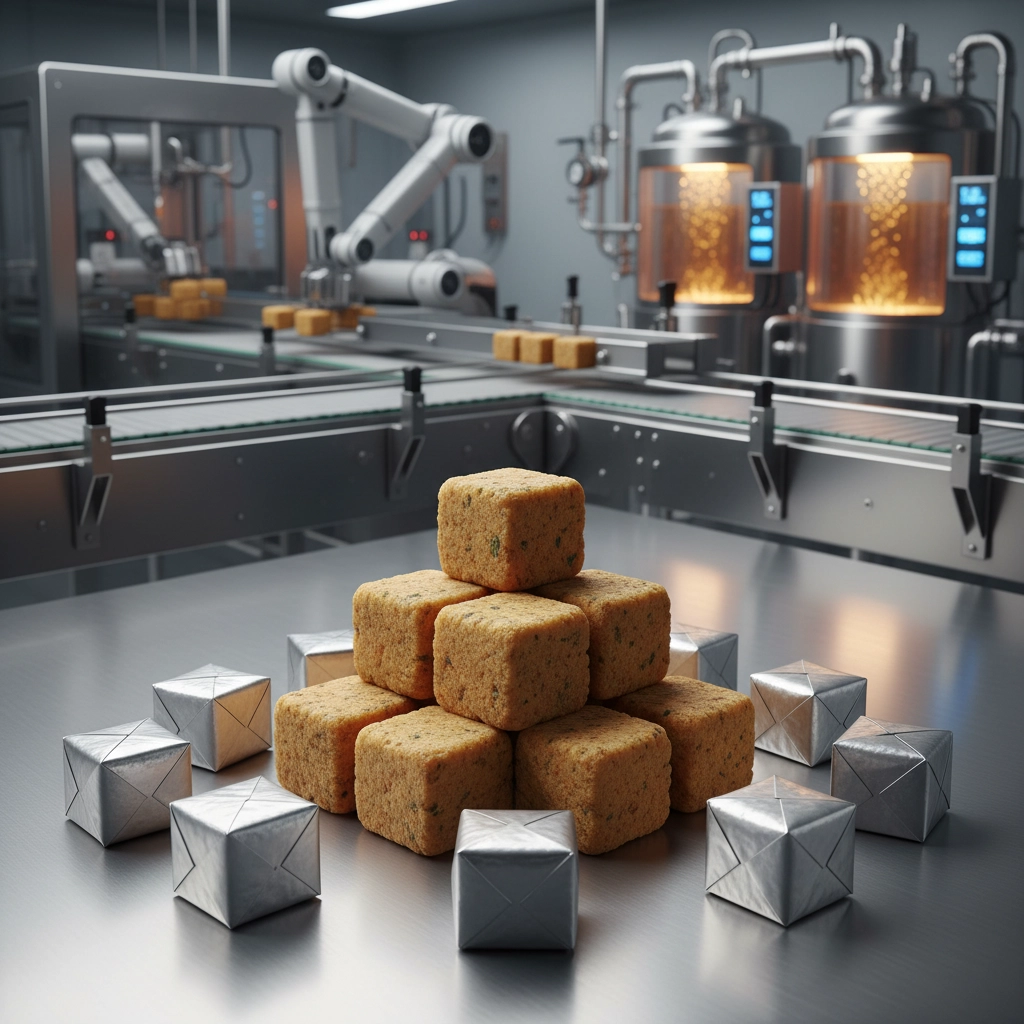
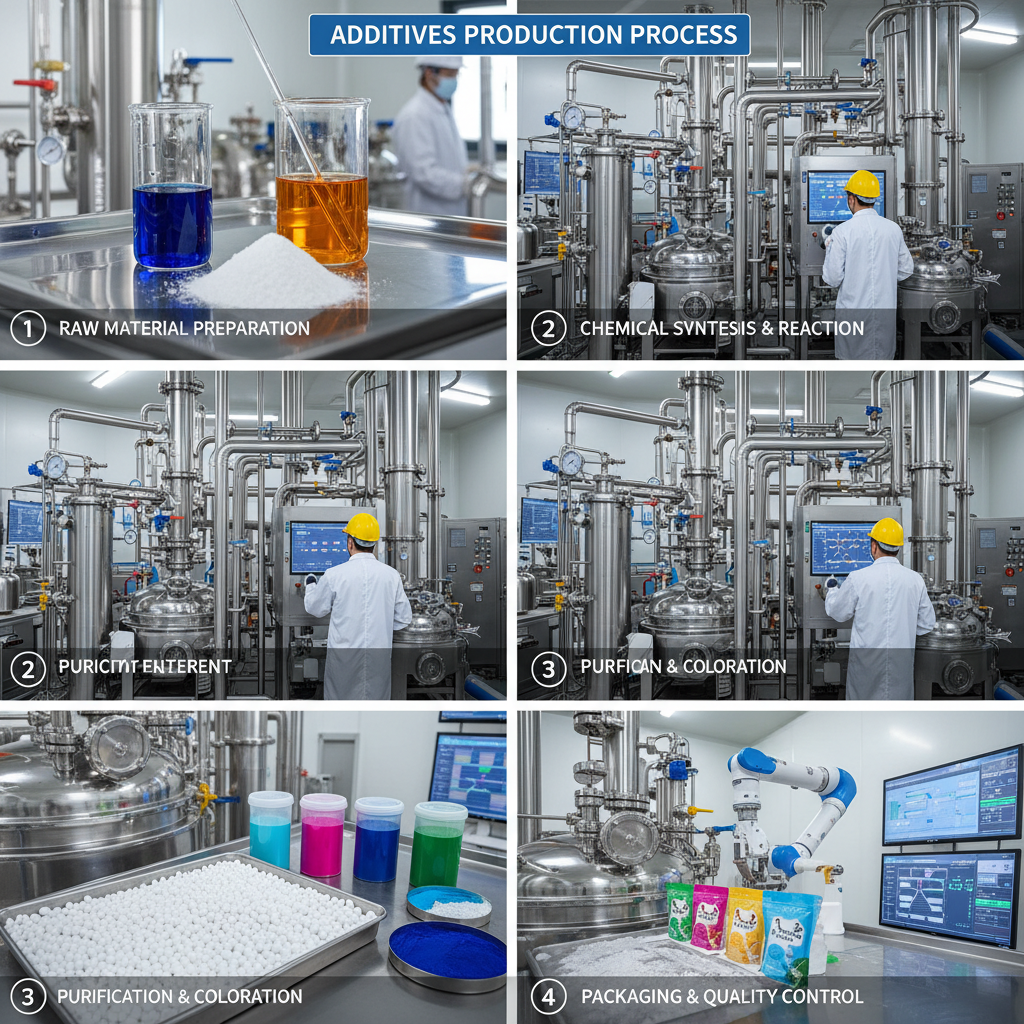
In the evolving landscape of global food production, the demand for clean-label ingredients has pushed the food additive industry toward more sustainable and transparent solutions. Among these, natural chicken bouillon cubes have emerged as a pivotal product, bridging the gap between the convenience of processed seasonings and the nutritional integrity of home-cooked stocks. By eliminating artificial enhancers and synthetic dyes, these products offer a sophisticated way to deliver an authentic umami profile to diverse culinary applications.
Understanding the nuances of natural seasoning requires a deep dive into the chemistry of taste and the logistics of food preservation. The global shift toward "wellness" is no longer a niche trend but a regulatory driver, with consumers and governments alike demanding a reduction in MSG and high-sodium additives. Consequently, the development of high-quality natural chicken bouillon cubes represents a significant achievement in food engineering, combining freeze-drying or spray-drying technologies with organic raw materials to maintain flavor stability.
From industrial food service to household kitchens, the utility of these cubes extends beyond simple flavoring. They serve as an essential tool for consistency in large-scale food manufacturing, ensuring that every batch of soup, sauce, or marinade meets a strict sensory profile. By leveraging the synergy of natural extracts and carefully balanced minerals, the industry is now able to provide a product that is not only efficient and cost-effective but also aligns with the global pursuit of healthier, more transparent food systems.
Global Market Dynamics of Natural Chicken Bouillon Cubes
The global consumption of seasoning bases has seen a marked shift toward "clean label" alternatives, with natural chicken bouillon cubes leading the growth in the Asia-Pacific and European markets. According to industry trends aligned with ISO food safety standards, there is an increasing preference for products that replace hydrolyzed vegetable proteins (HVP) with actual chicken extracts and yeast extracts. This transition is driven by a consumer base that is more educated about the long-term health impacts of synthetic additives.
However, the challenge for manufacturers remains the balance between "natural" purity and the shelf-life stability required for international shipping. In emerging economies, these bouillon cubes are more than just a luxury; they are a vital source of flavor and basic nutrients in regions where fresh meat is expensive or unavailable. This duality—serving both the premium organic market in the West and the essential nutrition market in the East—makes the production of natural bouillon a complex but rewarding venture in the food additive sector.
Defining the Standard of Natural Chicken Bouillon Cubes
At its core, natural chicken bouillon cubes are concentrated seasoning blocks created through the reduction of chicken stock combined with natural salts, herbs, and vegetable extracts. Unlike traditional bouillon, which may rely heavily on monosodium glutamate (MSG) for that "savory" punch, natural versions derive their umami from the natural occurrence of glutamates in chicken meat and yeast. This ensures a profile that is rich, authentic, and palatable across various cultural palettes.
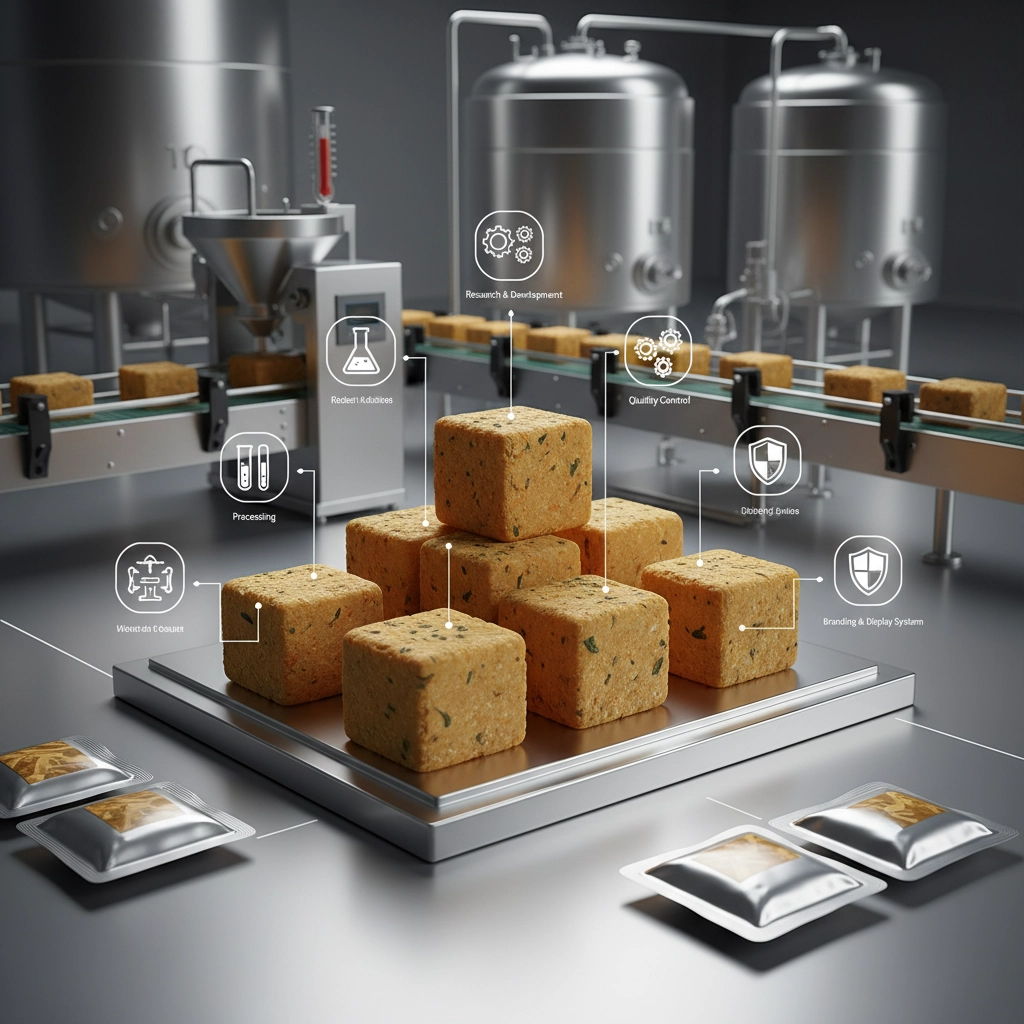
In the context of modern food industry standards, "natural" implies a rigorous exclusion of artificial colors (like Tartrazine) and synthetic preservatives. The manufacturing process typically involves high-pressure evaporation or spray-drying to transform a liquid extract into a stable powder, which is then compressed into the familiar cube shape. This process must be carefully controlled to prevent the degradation of heat-sensitive flavor molecules, ensuring that the final product tastes like a slow-simmered broth rather than a chemical approximation.
Beyond the ingredients, these cubes address a critical humanitarian need for nutrient-dense, easy-to-transport food bases. In disaster relief or remote industrial zones, the ability to create a nutritious, flavorful meal with just water and a single cube of natural seasoning can significantly improve the quality of life and morale of the population. Thus, the definition of these products extends from a simple kitchen convenience to a tool for global food security and nutritional accessibility.
Core Components for Flavor and Stability
To achieve a professional-grade profile, natural chicken bouillon cubes rely on a synergy of high-protein chicken extracts and organic salts. The chicken extract provides the fundamental body and "mouthfeel," while the salts act as both a flavor enhancer and a primary preservative. The ratio of these components is critical; too much salt masks the chicken flavor, while too little compromises the cube's shelf stability.
Furthermore, the inclusion of yeast extracts is a secret weapon in the production of natural chicken bouillon cubes. Yeast extract is rich in natural nucleotides and amino acids, which mimic the effect of MSG without being an artificial additive. When paired with onion and garlic powders, these components create a multi-dimensional flavor profile that satisfies the sensory requirements of professional chefs and home cooks alike.
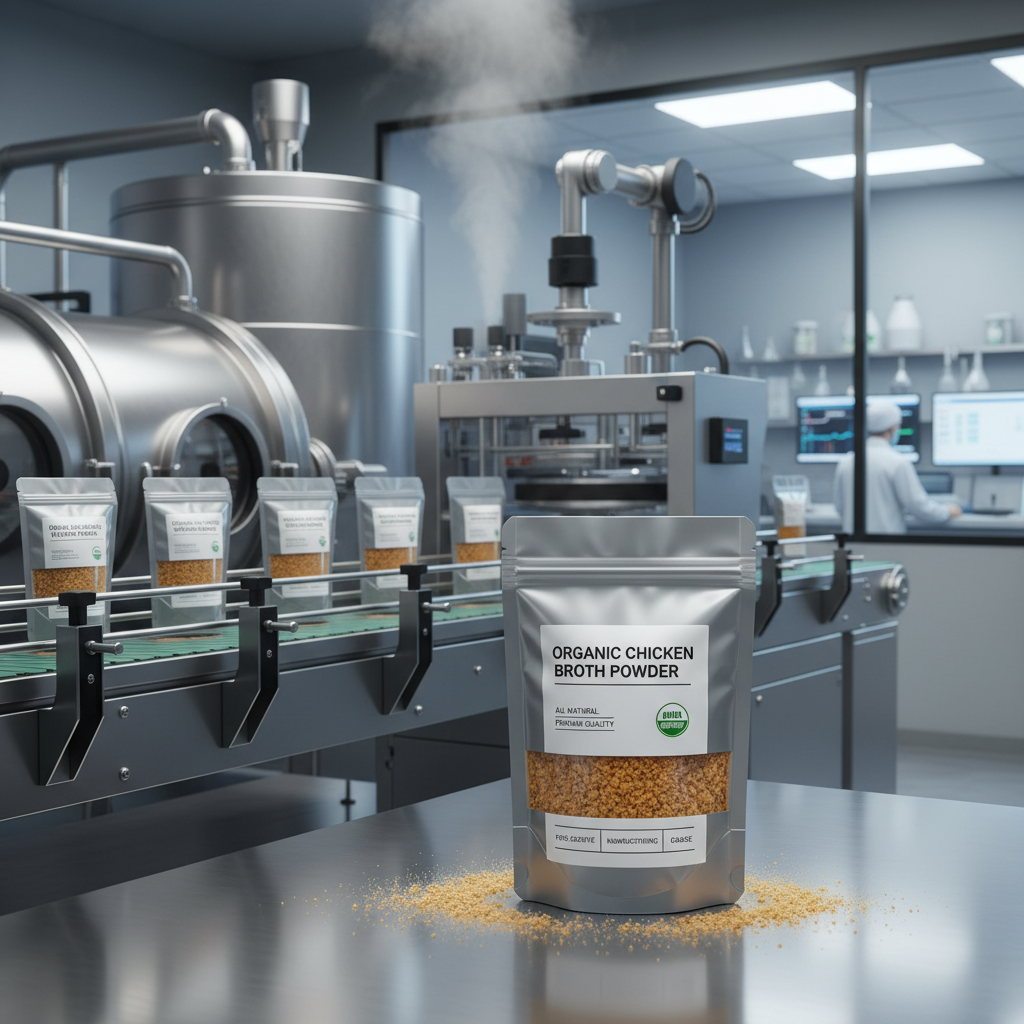
Finally, stability is managed through the use of natural anti-caking agents and precise moisture control. Because natural ingredients are more prone to clumping and oxidation than synthetic ones, manufacturers utilize advanced vacuum-sealing and moisture-barrier packaging. This ensures that the natural chicken bouillon cubes remain free-flowing and potent from the factory floor to the consumer's pot, regardless of humidity levels during transport.
Industrial Applications and Efficiency Metrics
In the commercial food sector, the adoption of natural chicken bouillon cubes allows for unprecedented scalability in flavor management. For large-scale catering and ready-to-eat (RTE) meal production, using pre-standardized cubes eliminates the variability associated with simmering fresh bones and vegetables. This consistency is vital for maintaining brand integrity across different geographic regions, where raw material quality may vary.
Moreover, the cost-efficiency of these concentrated cubes is unmatched. They reduce the need for massive storage tanks of liquid stock and lower the energy costs associated with long-term boiling processes. By integrating these high-potency concentrates into their workflows, food manufacturers can significantly reduce water waste and carbon emissions associated with traditional stock production.
Performance Comparison of Natural Chicken Bouillon Cube Formulations
Strategic Advantages and Long-term Value
The shift toward natural chicken bouillon cubes offers a dual advantage of economic reliability and consumer trust. Logistically, the compact nature of cubes reduces shipping volumes and storage costs by over 80% compared to liquid alternatives. For the manufacturer, this means a lower carbon footprint and an increased ability to penetrate remote markets where cold-chain logistics are non-existent.
From a brand equity perspective, offering a "natural" product creates a psychological bond of trust with the consumer. In an era of "food anxiety," providing a product that is transparent about its origins—using real chicken and natural herbs—elevates the brand from a mere commodity supplier to a partner in health. This long-term value is manifested in higher customer loyalty and the ability to command a premium price point in the global food additive market.
Future Innovations in Natural Seasoning Technology
The next frontier for natural chicken bouillon cubes lies in the intersection of biotechnology and sustainable sourcing. We are seeing the rise of "precision fermentation," where specific flavor-providing proteins are created by microbes to augment the natural chicken extract. This allows for a more intense umami profile without increasing the sodium content, addressing the growing demand for low-salt, high-flavor seasonings.
Digital transformation is also playing a role in the manufacturing process. Smart sensors and AI-driven blending systems now allow for real-time adjustments of raw material ratios, ensuring that every single cube of bouillon has an identical taste profile regardless of the natural variance in the raw chicken supply. This automation reduces waste and ensures a level of precision that was previously impossible in natural food processing.
Sustainability is no longer optional; it is a core requirement. Future iterations of these cubes will likely incorporate biodegradable packaging and be sourced from regenerative farming practices. By linking the production of natural chicken bouillon cubes to a circular economy, the industry can ensure that its growth does not come at the expense of the environment, further aligning with the ESG (Environmental, Social, and Governance) goals of global corporations.
Overcoming Production Challenges in Bouillon Manufacturing
One of the primary obstacles in producing natural chicken bouillon cubes is the inherent instability of natural fats. Chicken fat, while essential for flavor and mouthfeel, is prone to oxidation, which can lead to "off-flavors" or rancidity. To solve this, engineers are utilizing encapsulation technology, where fat molecules are trapped in a microscopic protective shell of maltodextrin or starch, preventing them from reacting with oxygen until they are dissolved in hot water.
Another challenge is the "clumping" effect caused by the hygroscopic nature of natural salts and extracts. In high-humidity environments, cubes can soften or stick together. The solution lies in the precise application of natural flow agents, such as silicon dioxide derived from natural sources, and the implementation of multi-layer foil packaging that provides a near-absolute barrier against moisture ingress.
Finally, balancing cost with "natural" purity requires a strategic approach to sourcing. High-quality chicken extract is significantly more expensive than synthetic flavorings. To maintain competitiveness, manufacturers are forming direct partnerships with poultry processors to utilize side-streams—such as high-protein trimmings—that are often wasted, turning a byproduct into a high-value seasoning component.
Comparative Analysis of Natural Chicken Bouillon Cube Quality and Stability
| Ingredient Grade |
Umami Intensity (1-10) |
Shelf Stability (Months) |
Clean-Label Compliance |
| Premium Organic |
9.5 |
12 |
100% Compliant |
| Standard Natural |
8.0 |
18 |
90% Compliant |
| Eco-Blend |
7.5 |
15 |
95% Compliant |
| Budget Natural |
6.0 |
24 |
70% Compliant |
| Industrial Grade |
7.0 |
36 |
60% Compliant |
| Artisan Small-Batch |
10.0 |
6 |
100% Compliant |
FAQS
Natural chicken bouillon cubes avoid the use of synthetic flavor enhancers like MSG and artificial coloring agents. Instead, they use real chicken extracts, yeast extracts for umami, and natural spices. This ensures that the flavor profile is derived from actual food sources rather than laboratory-created chemicals, meeting the "clean label" standards sought by health-conscious consumers.
The longevity is achieved through a combination of low water activity (via spray-drying or freeze-drying) and the preservative properties of natural salts. Additionally, advanced moisture-barrier packaging prevents humidity from entering, which is the primary cause of spoilage in natural products. This allows the cubes to remain stable for 12 to 24 months without artificial preservatives.
Yes, they are ideal for industrial use. Because they are standardized in flavor and potency, they provide consistency across large batches of soup or sauce. Their concentrated form also reduces logistics costs and storage space compared to liquid stocks, making them a highly efficient choice for commercial kitchens and food factories.
While salt is necessary for stability, many modern natural bouillon lines offer "Reduced Sodium" versions. These utilize potassium chloride or enhanced yeast extracts to maintain the savory profile while lowering the actual salt content, making them a more viable option for those monitoring their sodium intake.
Look for certifications such as ISO 22000, Organic, or Non-GMO Project Verified. Additionally, check the ingredient list for "Chicken Extract" or "Yeast Extract" rather than "Hydrolyzed Protein" or "Flavorings." A transparent manufacturer will provide a full specification sheet (TDS) detailing the origin of all components.
High-quality natural cubes are engineered for rapid solubility. By optimizing the particle size during the drying process and using natural emulsifiers, manufacturers ensure that they dissolve quickly in boiling water without leaving gritty residues, providing a smooth, integrated broth.
Conclusion
The transition toward natural chicken bouillon cubes is a reflection of a broader global movement toward transparency, health, and sustainability in the food additive industry. By synthesizing traditional culinary wisdom with modern food engineering—such as encapsulation and precision drying—manufacturers can now provide a product that offers the convenience of a cube with the integrity of a homemade stock. From the economic advantages of reduced logistics to the social impact of providing nutrient-dense bases in underdeveloped regions, the value of natural bouillon extends far beyond the kitchen.
Looking forward, the integration of biotechnology and circular economy principles will likely make these products even more sustainable and nutritionally optimized. For businesses and consumers alike, investing in high-quality, clean-label seasonings is not just a trend, but a strategic move toward a healthier global food system. To discover the gold standard in natural seasonings and enhance your product line with authentic flavors, visit our website: www.chinaseasoning.com.